
13 Aesthetic Classroom Decor Ideas for Inspiring Learning Spaces
Classroom aesthetics profoundly influence learning environments where thoughtful design choices affect student engagement, emotional comfort, and academic focus, creating spaces that either support or hinder educational objectives through their visual character and organizational clarity.
These educational spaces require balancing functional necessity with aesthetic appeal, where decorative elements must serve pedagogical purposes rather than merely creating visually pleasing backdrops that distract from actual learning activities.
Strategic classroom decoration incorporating purposeful color choices supporting concentration, organizational systems facilitating smooth operations, and inspiring elements motivating student engagement creates environments that genuinely enhance rather than compete with educational missions.
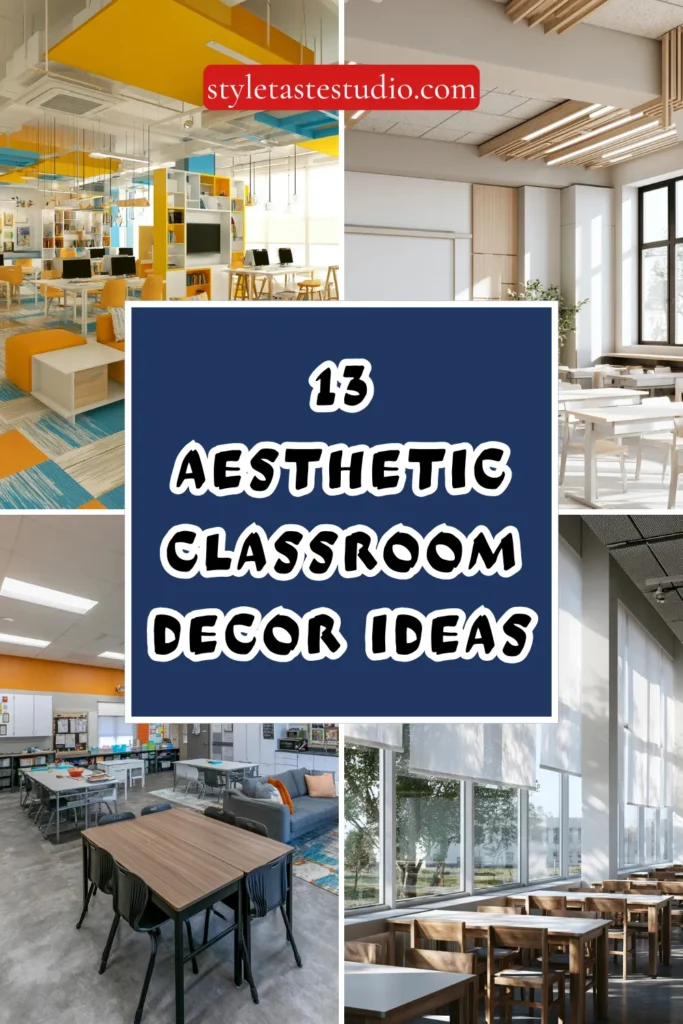
Understanding which decorative approaches deliver functional value versus superficial prettiness, how to create stimulating environments without overwhelming sensory experiences, and what constitutes appropriate aesthetic choices for varied age groups ensures design investments support genuine educational outcomes.
These thirteen aesthetic classroom decor ideas demonstrate practical approaches from calming color palettes through functional organization, each proving that thoughtful design creates learning environments that feel welcoming, organized, and conducive to the focused engagement that successful education requires.
1. Calming Neutral Color Foundation
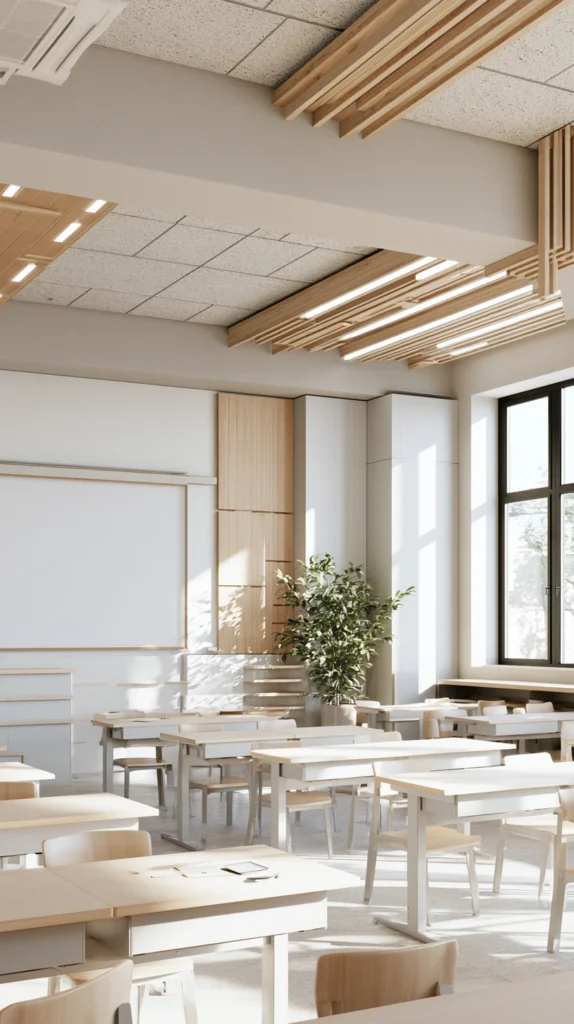
Establish serene learning environments through neutral wall colors, including soft whites, warm beiges, or gentle grays, creating the kind of calm visual backgrounds that prevent overstimulation while allowing flexibility for colorful learning materials and student work displays.
Paint walls in soft neutrals, avoiding bright saturated colors that research suggests can increase anxiety and distraction, use consistent colors throughout, maintaining visual continuity, and appreciate how neutral backgrounds allow intentional color introduction through purposeful educational materials.
The restrained palette creates calm, focused environments while the neutral foundation coordinates with any teaching materials or seasonal decorations. The sophisticated restraint demonstrates that educational spaces deserve the same thoughtful color consideration that professional environments receive.
2. Natural Wood Furniture Warmth
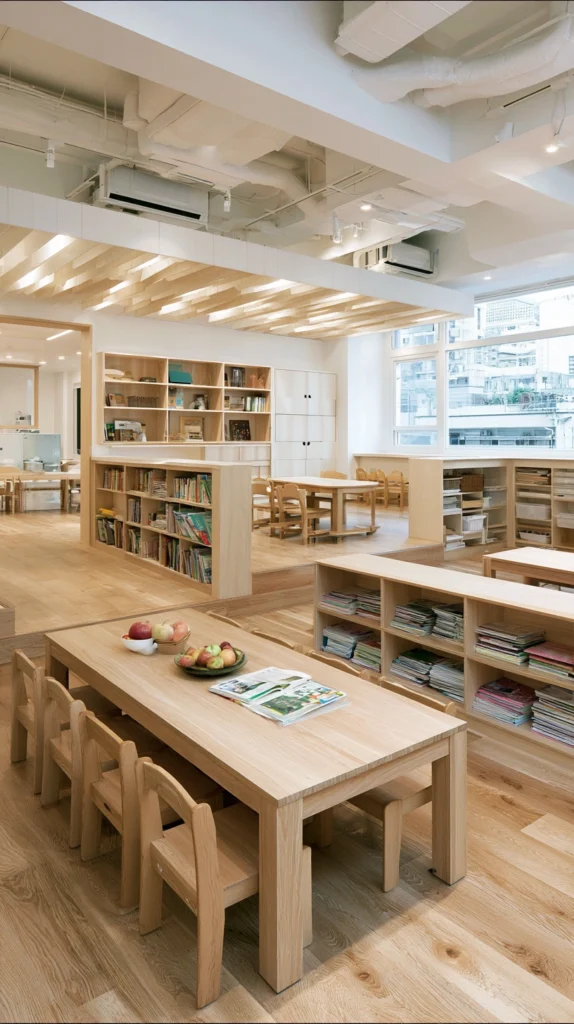
Incorporate natural wood furniture and materials, adding organic warmth and creating the kind of residential comfort that makes classrooms feel welcoming rather than institutional, despite their educational purposes. Choose wooden desks, shelving, and storage in natural or lightly stained finishes, avoid plastic furniture when possible, and appreciate how natural materials create psychological warmth and connection.
The wood furniture adds tactile and visual warmth, while the natural material creates more homelike, comfortable environments compared to cold metal or plastic alternatives. The organic character supports the growing emphasis on biophilic design in educational settings where nature connection improves student wellbeing and academic performance.
3. Flexible Seating Variety
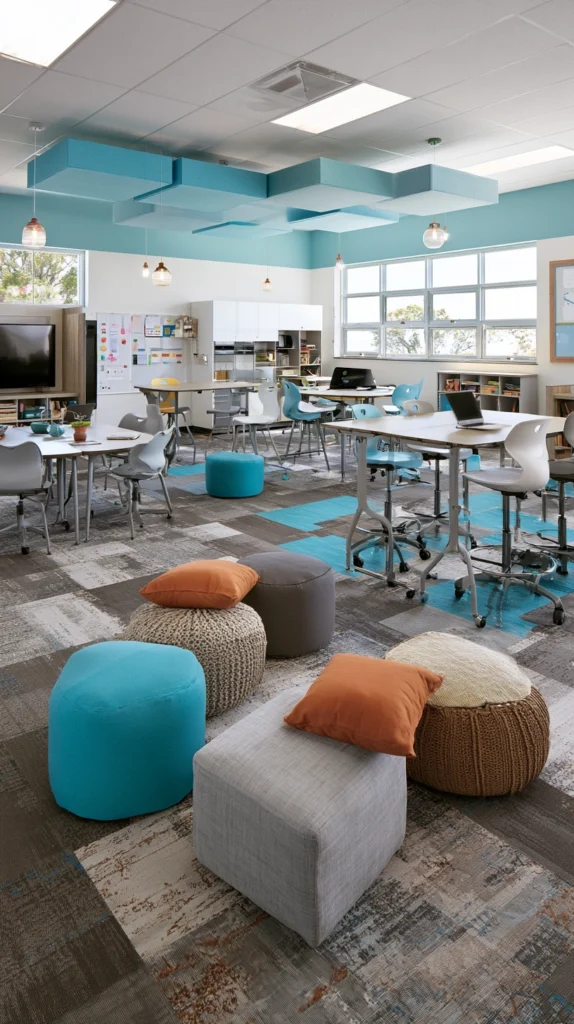
Create dynamic learning environments through varied seating options, including traditional desks, standing tables, floor cushions, and alternative seating, allowing students choice and movement, supporting different learning styles and physical needs. Include wobble stools allowing movement, add floor cushions creating casual reading areas, and incorporate standing-height tables providing postural variety.
The flexible seating acknowledges that students have different physical and learning needs, while the movement opportunities improve focus, particularly for kinesthetic learners requiring physical engagement. The variety creates dynamic spaces while the choice empowers students, supporting autonomy and self-regulation.
4. Organized Learning Stations
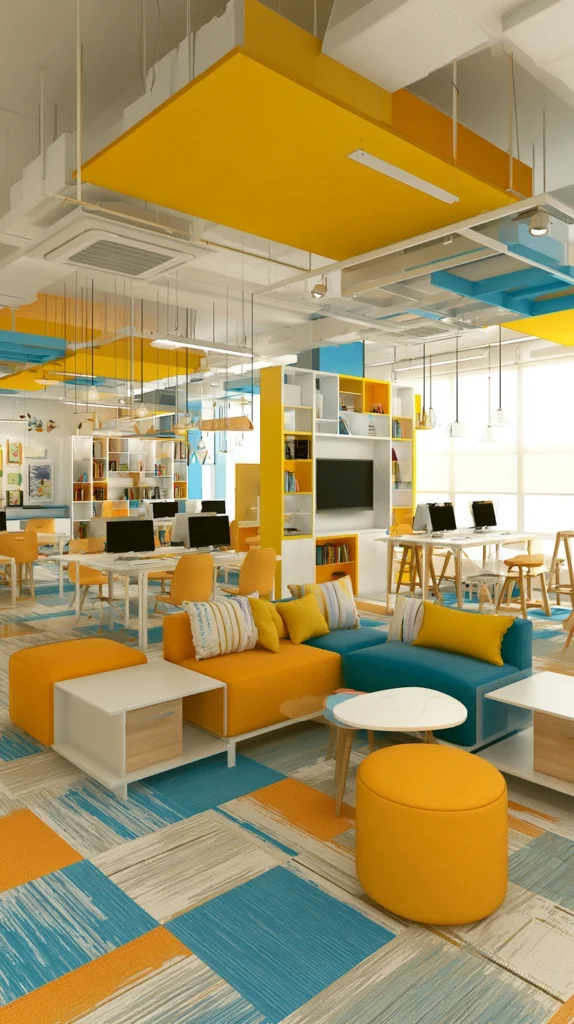
Design dedicated learning stations where specific activities occur in designated areas, creating the kind of spatial organization that helps students understand expectations and transitions while the zone definition facilitates classroom management. Create reading corners with comfortable seating and book displays, establish science or art areas with appropriate materials and surfaces, and define collaborative zones with grouped seating.
The station approach creates clear spatial organization while the dedicated areas signal appropriate activities and behaviors. The defined zones facilitate smooth transitions while the purposeful organization supports independent learning and student autonomy.
5. Inspirational Quote Display
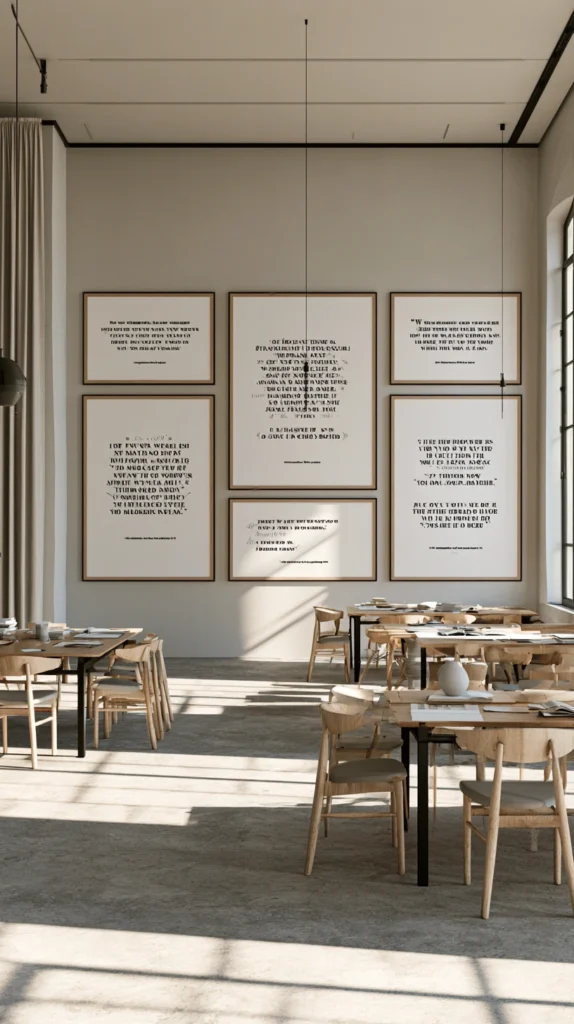
Incorporate meaningful quotes and affirmations, creating positive messaging that supports a growth mindset, resilience, and academic motivation, while the carefully curated words create focal points and conversation starters. Choose age-appropriate quotes relevant to learning and personal development, display using quality typography and attractive formatting, and rotate periodically, maintaining fresh current messaging.
The inspirational content creates positive classroom culture, while the meaningful words provide talking points for character development discussions. The visible affirmations reinforce important values while the attractive presentation demonstrates that words matter, deserving thoughtful presentation.
6. Student Work Gallery Wall
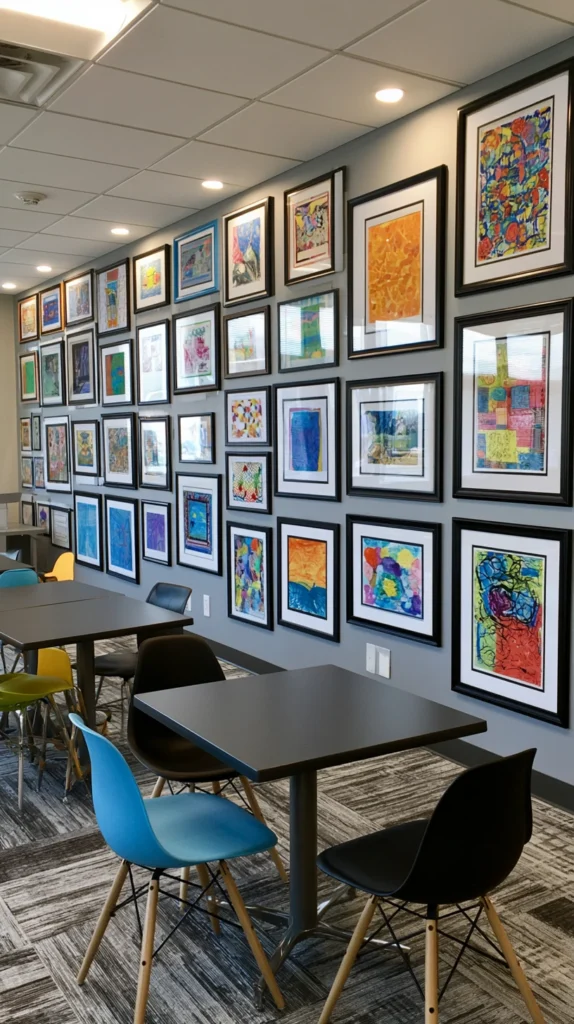
Celebrate student achievement through dedicated display areas showcasing current work, creating the kind of pride and ownership that motivates continued effort while the visible recognition demonstrates that student contributions are valued.
Create attractive bulletin boards or wire grid systems displaying current projects, rotate work regularly ensuring all students receive recognition, and present work professionally using frames, mats, or consistent mounting creating gallery-quality displays.
The visible celebration validates student effort while the professional presentation communicates that their work deserves respectful treatment. The recognition motivates continued engagement while creating classroom community through shared celebration.
7. Natural Light Maximization
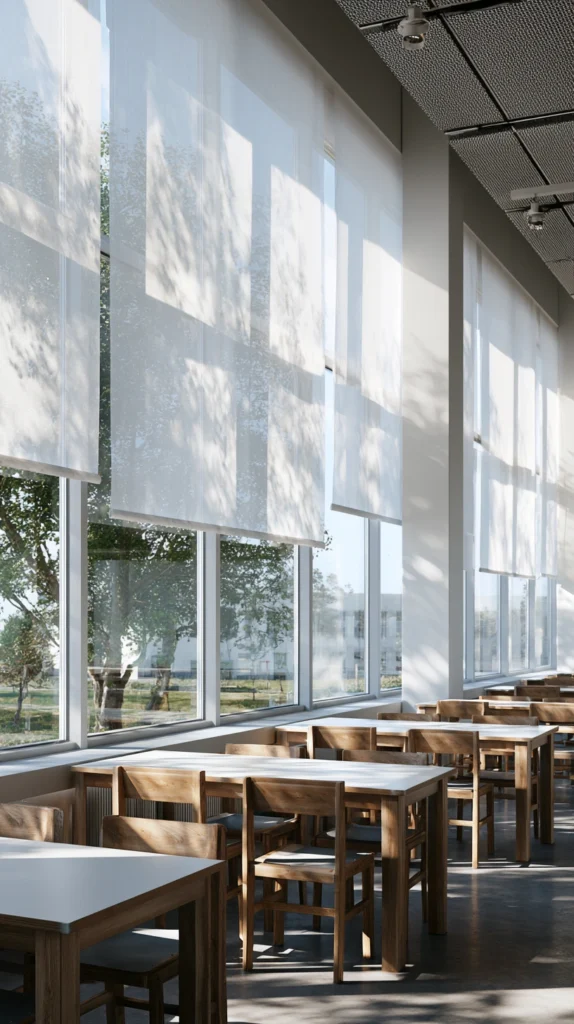
Optimize natural lighting through strategic window treatment choices and furniture placement creating the kind of bright welcoming environments that research shows improve mood, focus, and academic performance. Use sheer curtains or cellular shades allowing light control without complete blocking, arrange furniture maximizing natural light access, and supplement with quality artificial lighting creating consistent illumination.
The natural light creates biological benefits supporting circadian rhythms and mood regulation while the bright environments feel more welcoming than artificially lit alternatives. The lighting optimization represents free environmental improvement requiring only thoughtful arrangement rather than financial investment.
8. Living Plant Integration
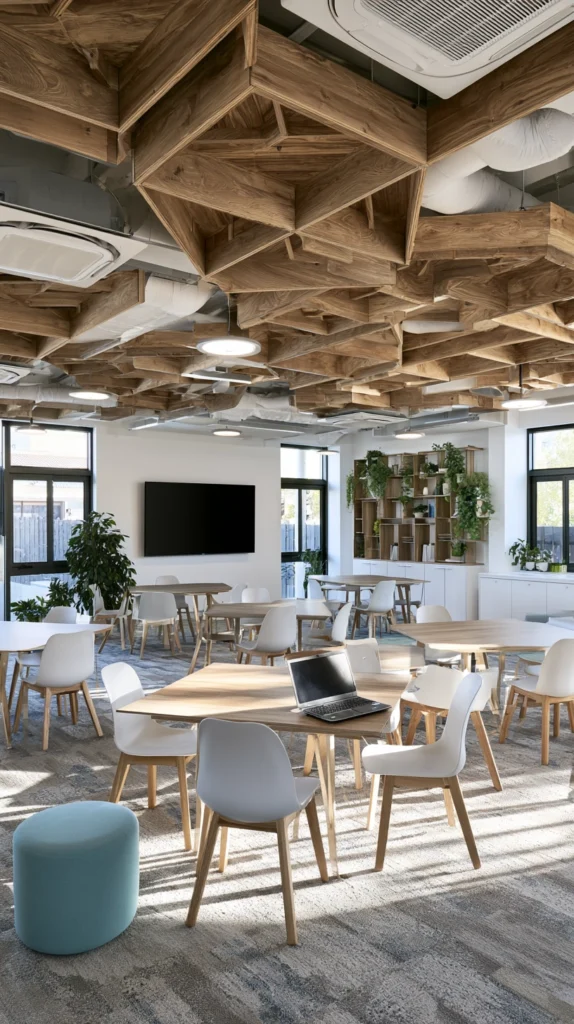
Incorporate indoor plants adding life, improving air quality, and creating the kind of nature connection that research increasingly shows supports wellbeing and academic performance while the living elements add organic beauty.
Choose low-maintenance varieties including pothos, snake plants, or philodendrons tolerating classroom conditions, position where they receive adequate light, and assign student caretakers teaching responsibility.
The plants improve air quality while the living presence creates psychological benefits through nature connection. The caretaking responsibility teaches practical skills while the greenery adds organic beauty softening institutional environments.
9. Clear Organizational Systems
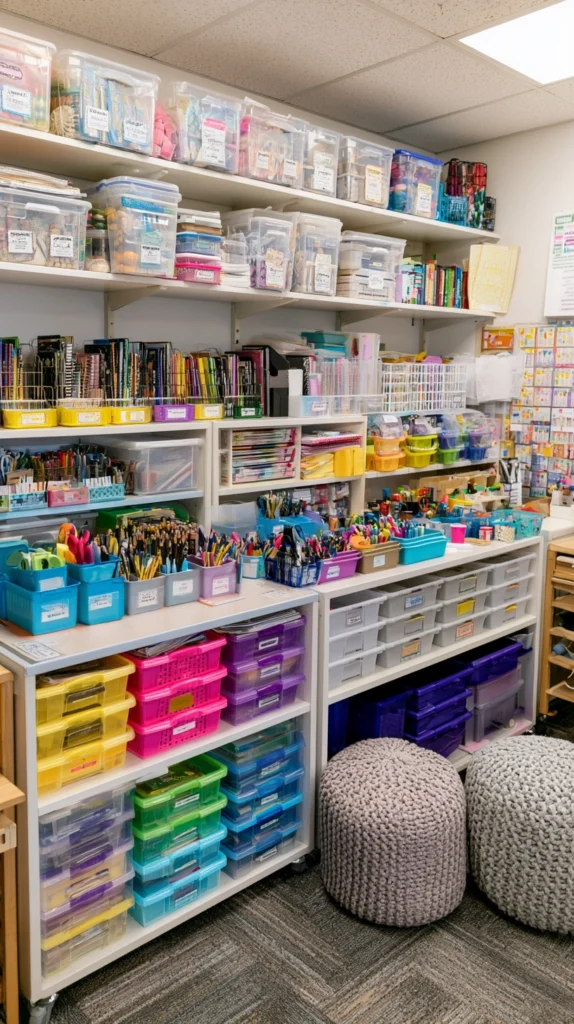
Establish transparent storage and labeling systems creating the kind of organizational clarity that supports student independence while reducing classroom management burden through obvious material locations and expectations. Use clear bins showing contents at glance, label everything using words and pictures accommodating varied reading levels, and organize materials logically matching actual use patterns.
The transparent organization supports student independence allowing self-service material access while the clear labeling prevents confusion and time waste. The systematic approach reduces teacher burden while teaching organizational skills through modeling and structure.
10. Cozy Reading Corner
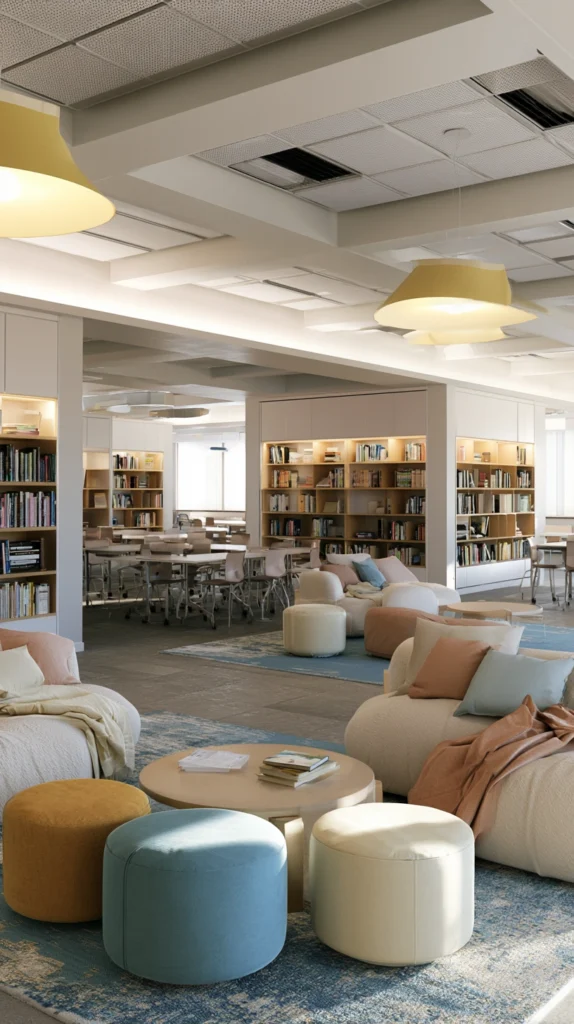
Create inviting reading areas featuring comfortable seating, good lighting, and attractive book displays establishing the kind of literary sanctuary that encourages voluntary reading and demonstrates that reading deserves special dedicated space. Include soft seating like bean bags or cushioned benches, add quality task lighting ensuring adequate illumination, and display books attractively using forward-facing shelves showing covers.
The dedicated space signals that reading is valued and important while the comfortable environment encourages extended engagement. The inviting atmosphere creates positive reading associations while the special designation demonstrates that literacy development deserves prioritized space.
11. Minimalist Visual Calm
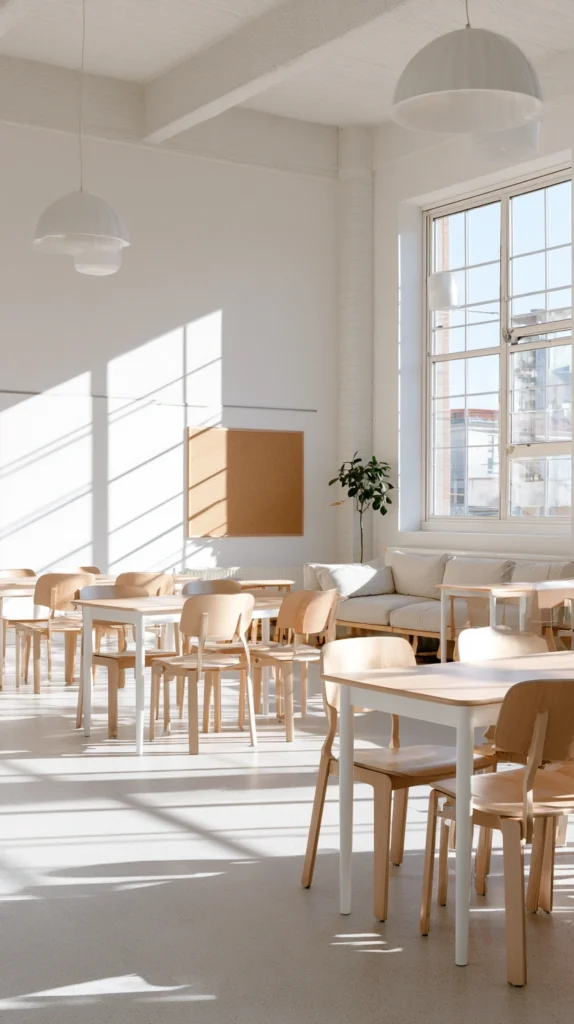
Embrace restrained decoration creating visually calm environments where intentional blank space prevents the overwhelming sensory experience that excessive decoration creates particularly problematic for students with attention or sensory processing challenges. Limit wall coverage to functional necessary displays, maintain generous blank space allowing visual rest, and edit ruthlessly removing non-essential decoration.
The minimal approach creates calm focused environments while the restrained decoration prevents overstimulation that research shows can reduce focus and increase anxiety. The disciplined simplicity demonstrates that more decoration does not equal better learning environments.
12. Functional Beauty Integration
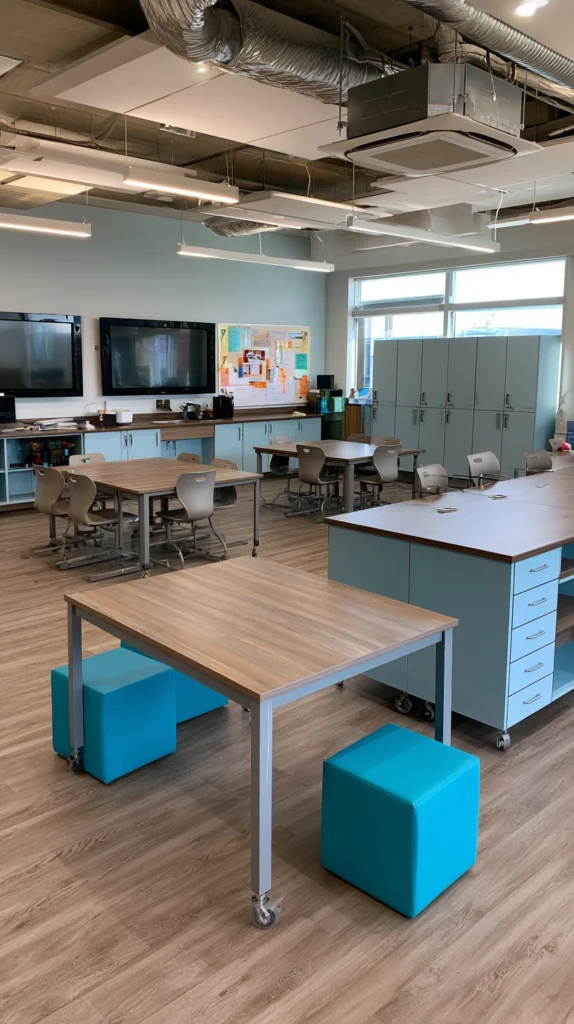
Choose classroom materials and furniture that combine aesthetic appeal with genuine utility ensuring every element serves educational purposes rather than existing purely for decoration. Select attractive storage that actually organizes effectively, choose beautiful but durable furniture withstanding daily use, and display materials that genuinely support learning rather than merely looking attractive.
The functional beauty approach ensures decoration serves rather than competes with educational missions while the quality materials demonstrate respect for learning environments. The purposeful approach prevents the wasteful decoration that serves no educational purpose.
13. Seasonal Subtle Updates
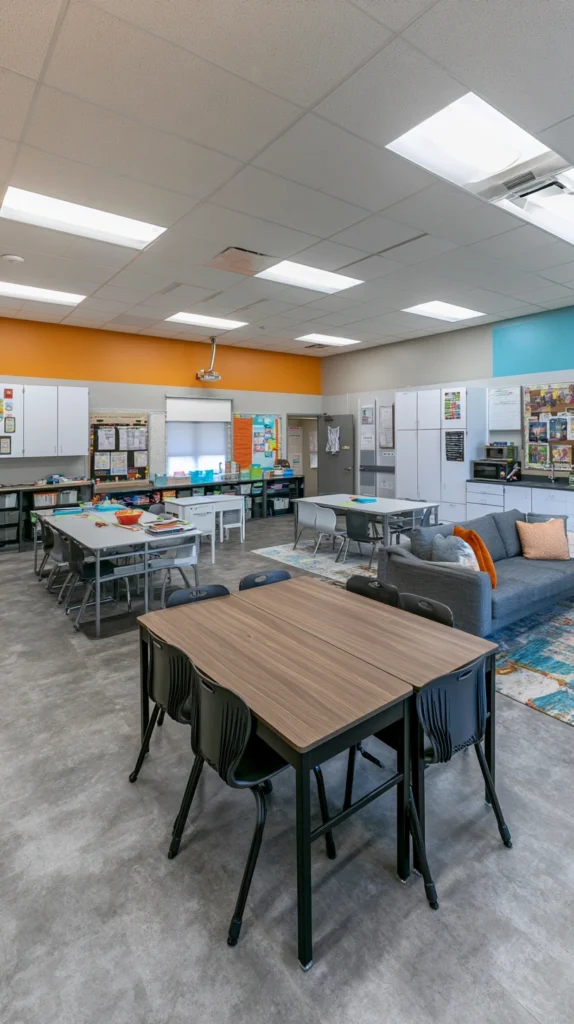
Maintain fresh environments through subtle seasonal updates where modest changes acknowledge passing time and celebrations without requiring extensive decoration that consumes valuable teaching time and resources. Rotate bulletin board backgrounds seasonally, add simple seasonal elements like autumn leaves or spring flowers, and maintain restraint avoiding the excessive themed decoration that can overwhelm.
The seasonal updates demonstrate awareness and celebration while the subtle approach prevents the decorating burden that extensive seasonal themes create. The modest changes maintain visual interest while preserving the calm foundation that supports learning year-round.
Successfully creating aesthetic classrooms requires prioritizing function over pure decoration ensuring beautiful elements genuinely support learning rather than merely creating Instagram-worthy backdrops that photograph well but hinder actual education, considering diverse student needs, recognizing that sensory processing differences mean decoration affects students differently, requiring inclusive approaches, and maintaining flexibility, allowing adaptation as class compositions and needs change throughout the years.
Involve students in decoration decisions, creating ownership and community while teaching design thinking and collaborative decision-making. Budget realistically, understanding that classroom decoration often relies on teachers’ personal funds, requiring economical, creative approaches. Choose durable materials withstanding intensive use and cleaning requirements. Consider maintenance that honestly selects sustainable long-term approaches rather than requiring constant upkeep.
Plan for evolution, allowing spaces to grow and change with students. Most importantly, recognize that classroom aesthetics should support rather than dominate educational missions, where beautiful, inspiring environments enhance learning while excessive decoration creates distraction, proving that successful classroom design balances beauty with utility, creating spaces that feel welcoming and organized while maintaining the functional clarity that effective teaching and learning absolutely require.