Raised Bed vs In-Ground Garden: Which Is Better for Beginners
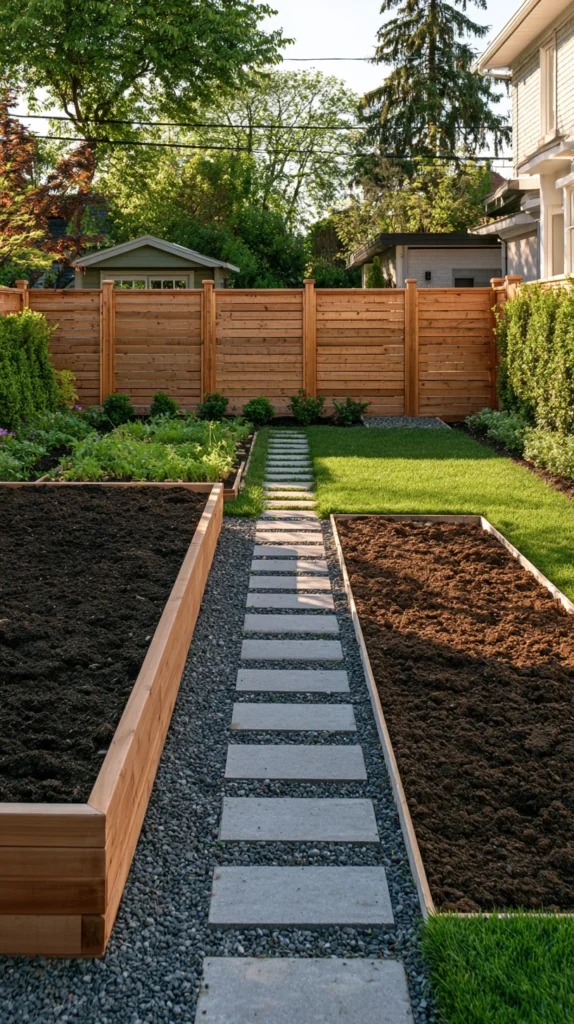
Every new gardener eventually hits the same fork in the road before a single seed goes into the ground: build up, or just dig into what’s already there.
There’s no universally correct answer, despite how confidently either side tends to argue its case online. The right choice depends heavily on your actual soil, your budget, your climate, and honestly how much physical effort you’re willing to put in before you’ve even planted anything. Gardening forums and social media tend to present this as a settled debate with one obviously correct winner, when in practice the answer changes considerably depending on where you live and what you’re actually trying to grow.
Here’s an honest breakdown of both approaches, specifically from a beginner’s perspective, so you can make the call based on your actual yard rather than someone else’s.
What a Raised Bed Actually Solves
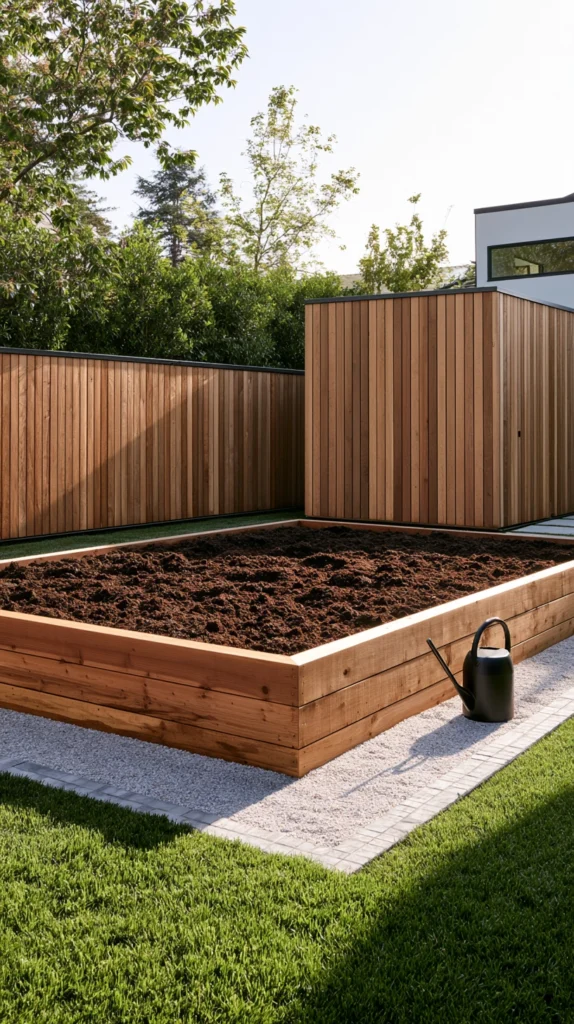
Raised beds exist mainly to fix problems with the soil you already have, rather than requiring you to improve it in place.
- Poor native soil, whether that’s heavy clay, mostly sand, or soil contaminated by old construction debris, gets bypassed entirely since you’re filling the bed with a soil mix of your own choosing
- Drainage issues common in low-lying yards improve considerably, since raised soil drains more freely than compacted ground-level soil sitting in a wet spot
- Back and knee strain drops noticeably with a bed built to a comfortable working height, which matters more than people expect until they’ve spent a full season kneeling in a ground-level plot
- Weed pressure starts lower, since a raised bed filled with clean, fresh soil doesn’t carry the existing weed seed bank a ground plot inherits from years of previous growth
- Soil warms up earlier in spring, since raised soil sits above ground level and catches more direct sun exposure, which can extend your growing season by a couple of weeks on each end
A raised bed essentially lets you start from a clean slate regardless of what’s happening in the ground beneath it, which is exactly why so many beginners gravitate toward this option first.
The control extends beyond just soil composition too. A raised bed lets you dial in exactly how much compost, how much drainage material, and how much of any specific amendment goes into the mix from day one, rather than trying to guess how deeply an amendment needs to be worked into soil that’s been compacting in place for years. That level of control is part of why raised beds tend to produce noticeably better results in the very first season, before any of the usual soil-building patience has had time to pay off.
What an In-Ground Garden Actually Solves
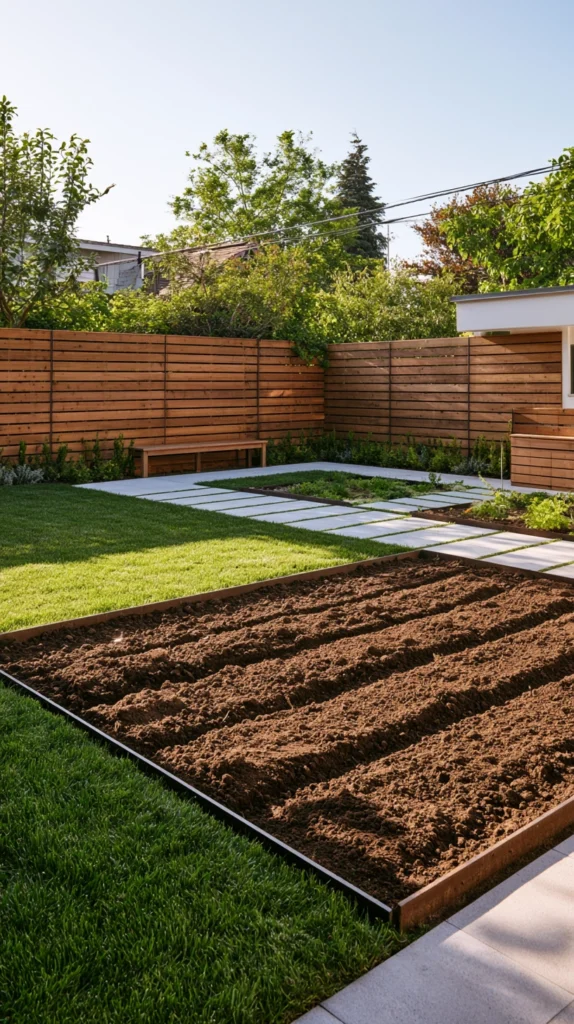
In-ground gardens work directly with your yard’s existing soil, and for the right conditions, that’s a genuine advantage rather than a compromise.
- Startup cost is dramatically lower, since you’re not buying lumber, hardware, and enough bagged or bulk soil to fill an elevated structure
- Root systems have essentially unlimited depth and spread to work with, which benefits larger vegetables like tomatoes, squash, and corn that raised beds can sometimes constrain
- Soil retains moisture more consistently in hot climates, since ground-level soil doesn’t dry out from the sides the way an elevated bed does
- Scaling up later is considerably simpler, since expanding an in-ground plot just means digging further rather than building and filling an entirely new structure
- No lumber or structural material ever needs replacing, since there’s no wood or metal frame to eventually rot, rust, or warp
If your existing soil is reasonably decent and drains adequately, an in-ground garden delivers nearly everything a raised bed does at a fraction of the upfront cost.
There’s also a long-term soil health argument in favor of working directly with the ground you have. Every season you amend, mulch, and grow in the same in-ground plot, the native soil actually improves, developing better structure and a healthier microbial community that a bag of purchased soil mix simply can’t replicate on day one. That improvement compounds over years in a way that a raised bed’s contained soil volume doesn’t experience in quite the same way, since it’s a mostly closed system rather than one connected to the broader ground ecosystem around it.
Comparing the Actual Startup Cost
This is usually where the decision gets made in practice, regardless of which approach someone initially preferred on principle.
A basic in-ground garden bed needs little beyond hand tools, some compost or soil amendment, and seeds or transplants, often costing well under fifty dollars for a modest first plot.
A raised bed adds the cost of the frame itself, whether that’s lumber, corrugated metal, or a purchased kit, plus enough soil to completely fill it, which for a standard 4×8 foot bed at a foot deep works out to roughly a third of a cubic yard, or several hundred dollars once you include quality bagged soil and compost.
If cost is the deciding factor and your existing soil isn’t genuinely unworkable, starting in-ground and adding a raised bed later, once you’ve confirmed you’ll stick with gardening, is a reasonable way to avoid overspending on your first attempt.
It’s also worth factoring in what happens a few years down the line rather than just the first-season price tag. A wooden raised bed frame typically needs partial rebuilding or full replacement somewhere between five and ten years in, depending on the wood species and how wet your climate runs, which adds a recurring cost that an in-ground plot never has to account for. Metal and composite frames last considerably longer, but they also cost more upfront, so the total lifetime cost gap between the two approaches is often smaller than the initial price difference suggests, though it never fully disappears.
How Much Soil Testing Actually Matters Here
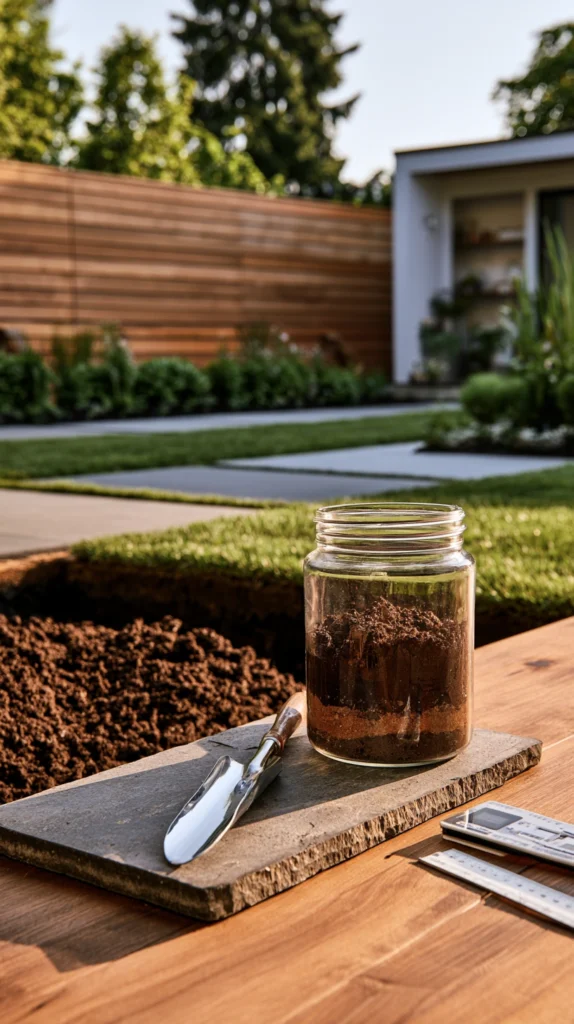
Before committing to either approach, a basic soil test tells you more about which direction makes sense than almost any other single piece of information.
- A simple test measures pH, drainage, and major nutrient levels, and many local extension offices offer this for a modest fee
- Heavy clay soil that stays waterlogged for days after rain is a strong signal toward raised beds, since amending drainage in place is a slower, more labor-intensive process
- Sandy soil that drains too quickly and struggles to hold nutrients can go either way, since amending sandy soil in place with compost is a realistic option, though a raised bed sidesteps the issue entirely
- Soil showing signs of old contamination, common in yards with older homes that may have had lead paint or other historical chemical use, is one of the clearer cases where raised beds with fresh soil are the safer choice regardless of cost
A five-dollar soil test can save you from either overbuilding a raised bed system you didn’t actually need, or from struggling for a full season against ground conditions no amount of compost will meaningfully fix.
Beyond the basic test, it’s worth digging a simple hole about a foot deep somewhere in your intended garden spot and watching how quickly water drains out of it after filling the hole once. Water that disappears within a few hours suggests soil that drains well enough for in-ground growing. Water that’s still sitting there after several hours points toward the kind of drainage problem that’s genuinely easier to solve by building up rather than trying to correct in place.
Maintenance Differences Worth Knowing Upfront
The ongoing work required by each approach differs in ways that aren’t always obvious before you’ve actually lived through a full growing season.
Raised beds generally need:
- More frequent watering, since elevated soil dries out faster than ground-level soil, especially in hot weather or with a shallower bed depth
- Occasional soil replenishment, since raised bed soil settles and compacts over a few seasons and typically needs topping off with fresh compost
- Eventual frame maintenance, since wood frames specifically will need resealing, partial rebuilding, or full replacement after several years depending on the material and climate
In-ground gardens generally need:
- More ongoing weeding, since the existing weed seed bank in native soil keeps producing new growth each season regardless of what you’ve planted
- More soil amendment over time to genuinely improve heavy or poor native soil, which is an ongoing project rather than a one-time fix
- More attention to drainage in wet climates or low-lying yards, since there’s no elevation helping excess water move away from plant roots
Neither maintenance list is objectively lighter than the other, they’re just different kinds of ongoing work, so the real question is which type of maintenance actually fits better into your own routine and physical comfort level.
Someone who travels frequently or struggles to keep up with a daily watering schedule may find the more frequent watering demands of a raised bed genuinely harder to manage than the weeding that comes with in-ground growing, even though weeding sounds like the more tedious chore on paper. It’s worth being honest with yourself about which specific task you’re more likely to actually keep up with consistently, rather than assuming one option is inherently less work just because it sounds simpler.
Which Vegetables Actually Do Better in Each Setup
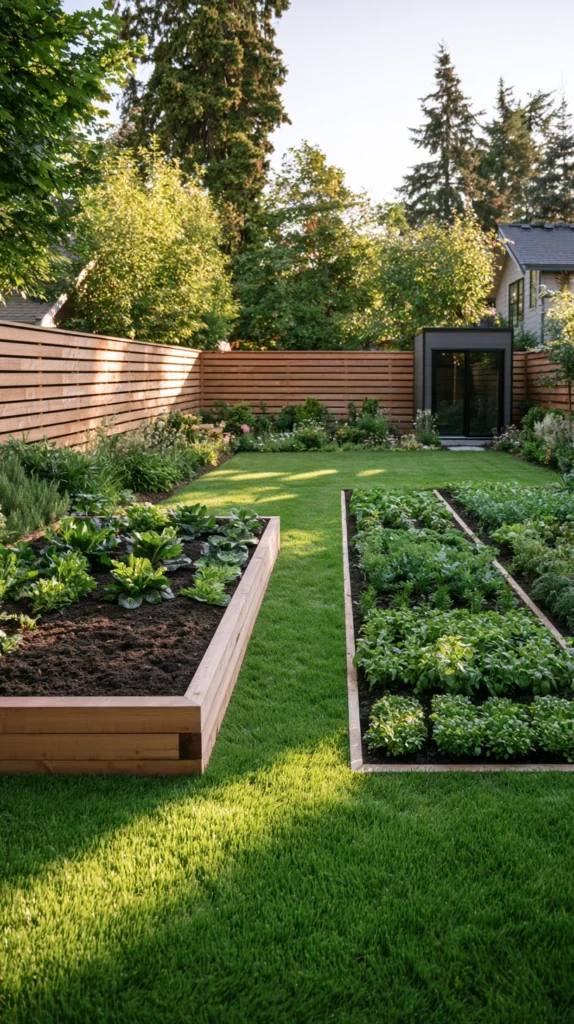
Certain crops have a genuine preference between the two approaches, beyond just general convenience.
- Root vegetables like carrots and parsnips often perform better in a raised bed specifically because you control the soil’s texture completely, avoiding the rocks and compaction that can cause misshapen roots in native ground soil
- Large, sprawling vegetables like winter squash, melons, and corn generally do better in-ground, since raised beds constrain both root spread and the sheer amount of horizontal space these plants need above ground
- Leafy greens and most culinary herbs perform well in either setup, since their root systems are shallow enough that soil depth rarely becomes a limiting factor
- Tomatoes and peppers succeed in both settings, though raised beds tend to warm up earlier in spring, which can mean a slightly earlier start to the season for heat-loving crops like these
If your goal is a small, controlled kitchen garden focused on herbs, greens, and a few tomato plants, a raised bed handles that scope easily, but a garden built around larger vining crops or a genuinely large harvest usually benefits from the unrestricted space in-ground growing offers.
Climate and Regional Considerations
Where you actually live shifts this decision more than most general gardening advice accounts for.
- Hot, dry climates often favor in-ground growing, since raised beds lose moisture faster from all sides and demand considerably more frequent watering to compensate
- Cold climates with a short growing season often favor raised beds, since the soil warms earlier in spring and stays workable slightly later into fall
- Regions with heavy clay soil, common across parts of the southeast and other clay-heavy areas, lean toward raised beds simply because amending clay in place is a slow, multi-year project
- Areas with excellent native topsoil, common in parts of the midwest and elsewhere, often see little practical benefit from a raised bed beyond ergonomics and appearance
Talk to gardeners in your specific region, or check with a local extension office, since regional soil and climate patterns matter more to this decision than almost any generic comparison can capture on its own.
Local extension offices in particular tend to have decades of accumulated, hyper-regional knowledge about exactly which approach performs better in your specific county or climate zone, information that’s considerably more reliable than general gardening advice written without any specific region in mind. Many offer this guidance for free or at minimal cost, and it’s one of the more underused resources available to a first-time gardener trying to make this exact decision.
A Realistic Middle Ground Worth Considering
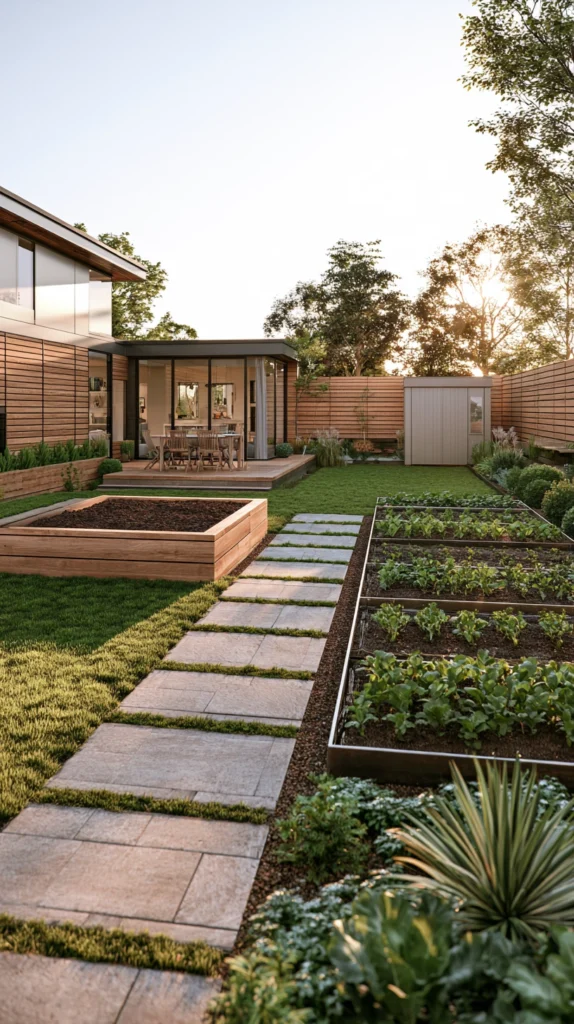
Plenty of experienced gardeners eventually run both systems side by side rather than treating this as an either-or decision.
- Use raised beds for crops that specifically benefit from controlled soil, like carrots or a dedicated herb garden positioned near the kitchen door
- Use in-ground space for larger, sprawling crops like squash or corn that need more room than a raised bed reasonably accommodates
- Start with a single small raised bed as a low-risk test if you’re unsure whether gardening is something you’ll stick with, then expand into in-ground space once you’ve confirmed the commitment
- Convert an in-ground plot to raised beds gradually over a few seasons if you initially chose in-ground but later discover your native soil is more difficult to work with than expected
There’s no rule requiring an all-or-nothing commitment to one approach, and many of the most productive home gardens actually combine both methods based on what each specific crop or section of yard actually needs.
A Few Mistakes Beginners on Either Side Tend to Make
- Building a raised bed far larger than needed for a first season, leading to an overwhelming amount of both cost and maintenance before you’ve confirmed you’ll enjoy gardening at all
- Skipping a soil test and assuming native ground soil is either fine or terrible without any actual data to support the assumption
- Underestimating how much soil volume a raised bed genuinely requires, then filling it with cheap, nutrient-poor fill dirt that performs poorly compared to a proper garden soil blend
- Choosing in-ground growing in a yard with genuinely poor drainage, then fighting root rot and standing water all season instead of addressing the underlying issue directly
- Assuming a raised bed automatically eliminates weeds entirely, when in reality wind and birds still introduce new weed seeds over time, just at a considerably slower rate than an established in-ground plot
- Placing either type of garden in a spot chosen for convenience rather than actual sun exposure, since even the best soil setup underperforms badly without the six to eight hours of direct sun most vegetables genuinely need
If You’re Still Not Sure Which to Choose
For a genuine beginner without a strong existing opinion, a single modest raised bed is usually the safer starting point, mainly because it removes soil quality as a variable entirely while you’re still learning the far more important basics of watering, spacing, and sunlight. Getting those fundamentals right matters far more to a first season’s success than which growing method you chose, and a raised bed simply removes one variable from an already long list of things a beginner is learning at once.
Once you’ve got a season or two of hands-on experience, you’ll have a much clearer sense of whether your own yard’s native soil is actually worth working with directly, or whether the controlled environment a raised bed provides is worth the added upfront cost for your specific situation going forward. Either way, the worst outcome isn’t picking the wrong method, it’s letting the decision itself become a reason to delay starting at all.