15 Cactus Garden Design Ideas
The cactus garden is one of the most genuinely extraordinary, the most dramatically beautiful, and the most completely self-sustaining garden design concepts available to any outdoor space whose climate, whose soil conditions, or whose gardener’s specific enthusiasm for the extraordinary botanical world of the succulent and the spiny makes the cultivation of these remarkable plants not merely appropriate but genuinely, completely irresistible.
A cactus garden designed with genuine botanical knowledge and genuine creative ambition is not the dry, dusty, slightly inhospitable arrangement of a few potted specimens on a gravel driveway.
It is a complete, layered, extraordinarily beautiful garden environment of sculptural drama, chromatic richness, and the specific, completely extraordinary quality of a planting that has evolved over millions of years to be simultaneously the most resilient and the most visually astonishing botanical presence in the landscape. Here are 15 cactus garden design ideas that will transform any outdoor space into a genuinely, dramatically, and completely magnificently planted desert paradise.
1. Create a Desert Rockery of Natural Stone and Specimen Cacti
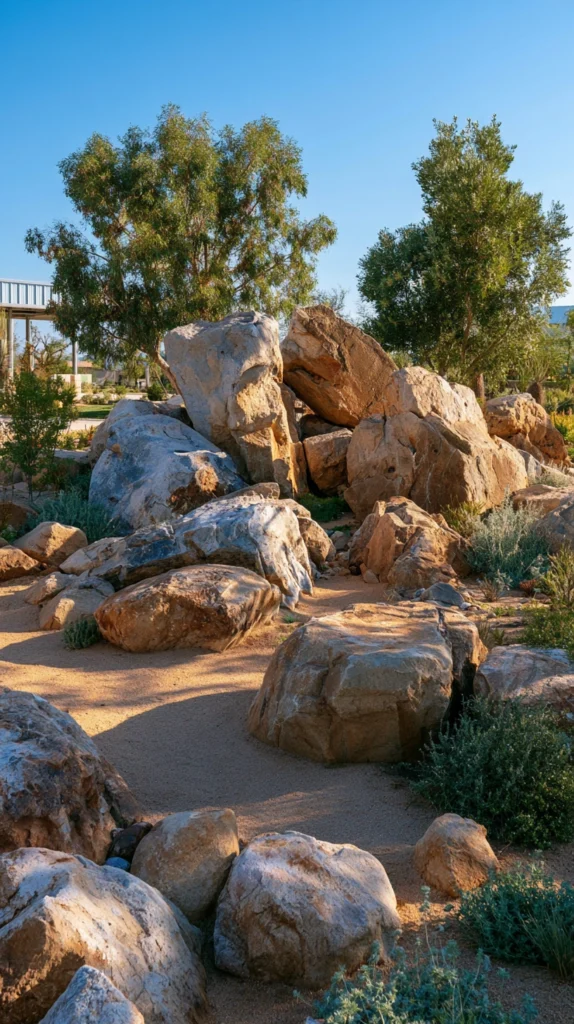
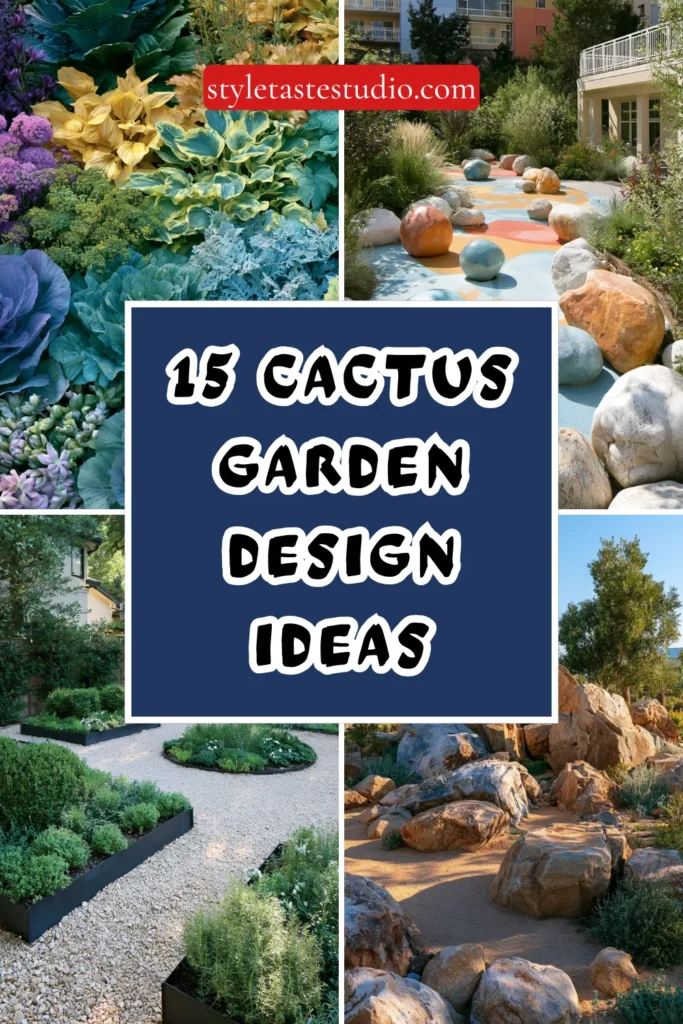
A desert rockery — large, irregular boulders and flat-faced rocks of natural character arranged in a composition of genuine geological authenticity, with specimen cacti of varying height and varying form planted in the pockets of well-drained growing medium between the rock groupings — is the cactus garden’s most powerful and most completely resolved design idea.
The rock provides the visual anchor, the thermal mass, and the drainage facilitation that cactus planting requires, while the cacti provide the sculptural drama and the botanical extraordinariness that make the rockery a garden feature of genuinely complete and astonishing visual power. Choose rocks of local geological character — sandstone, limestone, or granite appropriate to the garden’s regional landscape context, for the most authentic and the most visually coherent rockery composition.
2. Plant a Saguaro-Inspired Vertical Statement Display
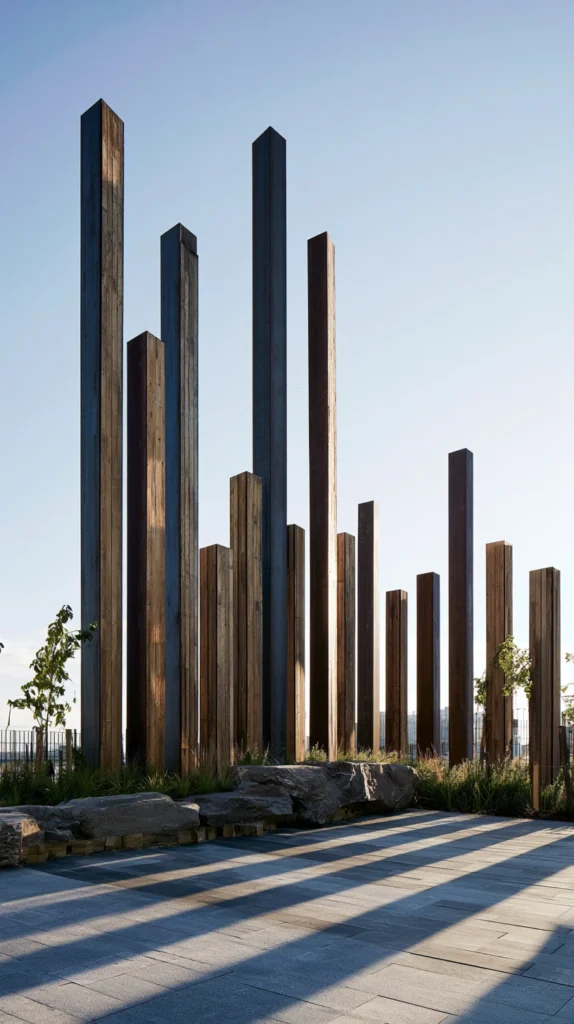
A vertical statement display of tall, columnar cacti — the saguaro and its relatives in the warmest climates, or the Cereus, the Trichocereus, and the Cleistocactus species in the slightly cooler conditions of the temperate garden — creates a cactus garden feature of maximum sculptural drama and maximum architectural visual impact.
The columnar cactus’s specific, completely extraordinary vertical form — its single or branched column of deeply ribbed, spined, grey-green stem rising from the ground in a posture of absolute architectural authority — creates a garden plant of such genuinely extraordinary sculptural presence that a single mature specimen transforms the outdoor space’s entire visual character. Plant columnar cacti in groups of varying height for a display of complete sculptural dynamism and complete botanical magnificence.
3. Design a Gravel Garden with Geometric Cactus Beds
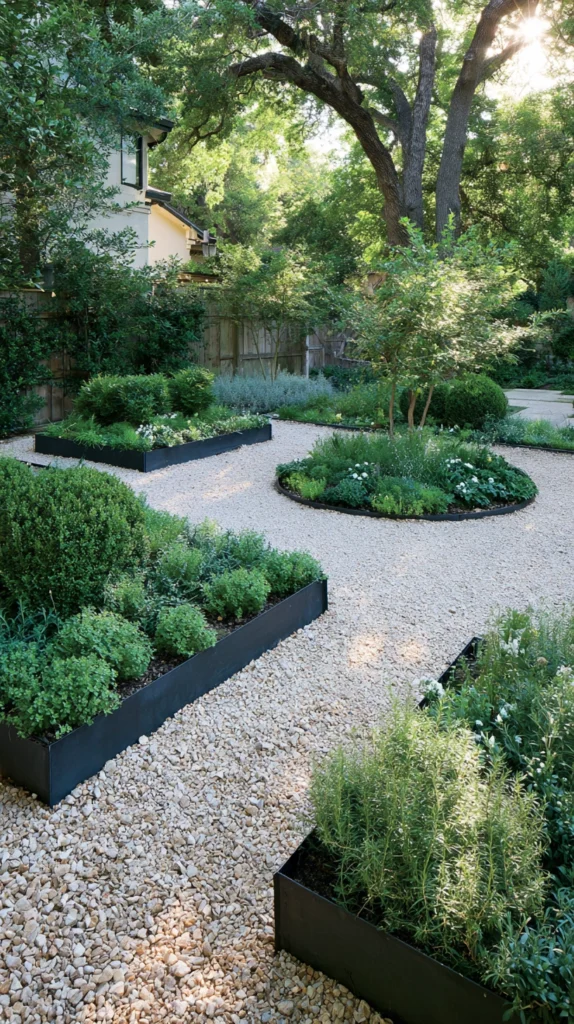
A gravel garden with geometric cactus planting beds — formal, precisely edged rectangles, circles, or hexagons of well-drained growing medium set within a broader expanse of decorative gravel of appropriate color and appropriate particle size.
It represents a cactus garden of extraordinary formal design authority and extraordinary botanical variety. The geometric planting bed structure gives the cactus garden the specific quality of designed, intentional, architecturally considered spatial organization that the more naturalistic rockery arrangement, for all its genuine beauty, does not provide.
Choose a gravel color of genuine chromatic relationship to the cacti’s planting medium and the surrounding garden palette — a warm, golden gravel for the warm, terracotta-toned garden environment, or a cooler, blue-grey granite chipping for the more contemporary, graphically precise garden aesthetic.
4. Create a Container Cactus Garden for Small Spaces
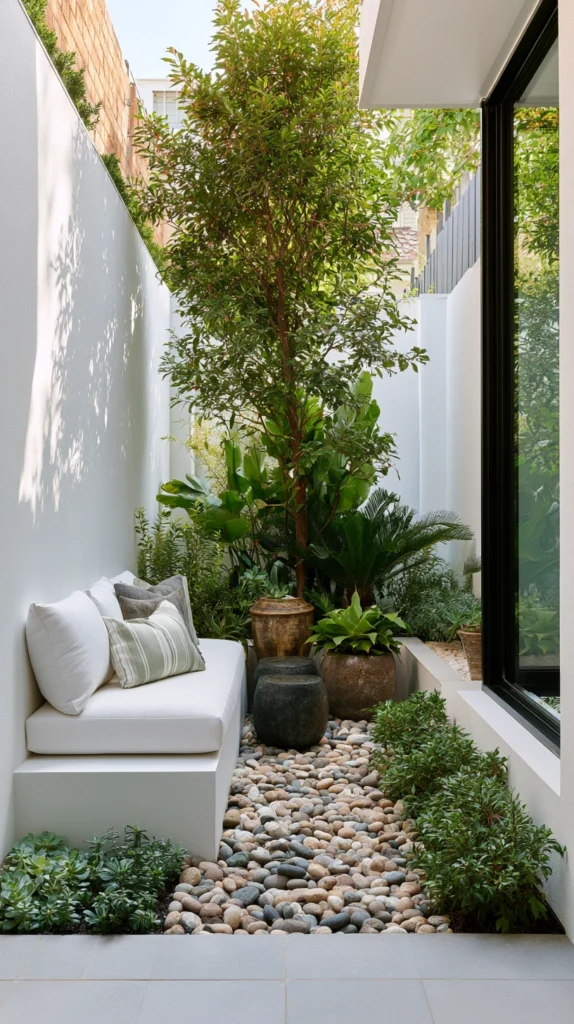
A container cactus garden — specimen cacti of the most extraordinary form, the most vivid flowering color, and the most complete sculptural character displayed individually or in curated groupings of complementary species in terracotta, ceramic, or concrete vessels of appropriate size and appropriate aesthetic quality .
It is the cactus garden idea of most complete spatial flexibility and most genuinely perfect horticultural solution for the small garden, the balcony, the terrace, and the courtyard whose limited growing area makes the in-ground cactus planting impractical.
Container cultivation also gives the cactus garden the specific advantage of complete growing medium control — the perfectly drained, perfectly low-nutrient cactus compost mix that in-ground planting requires exceptional soil amendment work to replicate can be provided with complete precision in the container environment.
5. Plant a Flowering Cactus Border for Seasonal Color
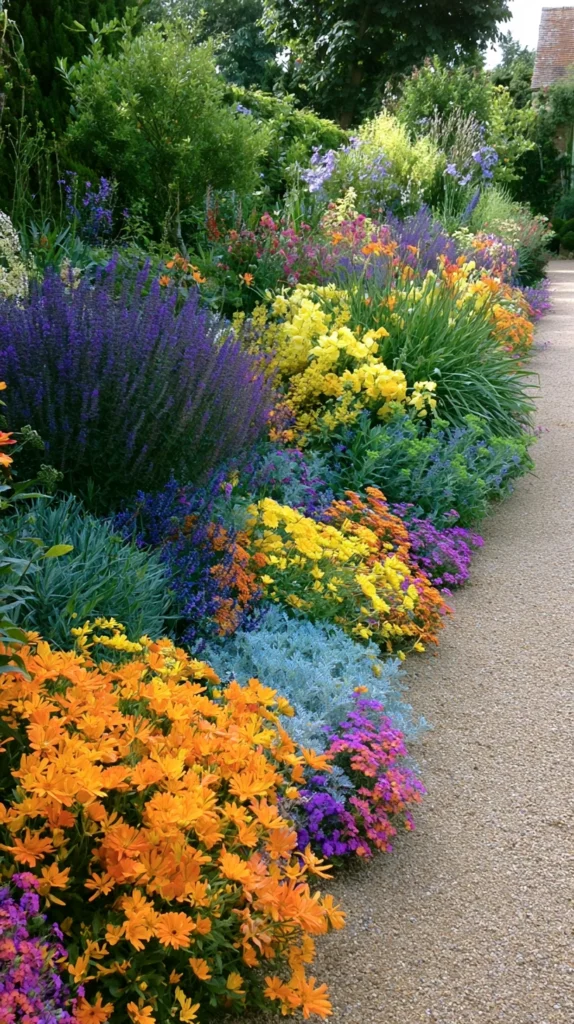
A cactus border planted specifically and strategically for its flowering contribution — Echinopsis species whose extraordinary large, silky-petaled flowers in vivid pink, white, orange, and red open for a brief but completely magnificent period of summer flowering spectacle.
Mammillaria species whose rings of small, jewel-like flowers crown the plant’s apex in shades of pink and cream, and Opuntia species whose large, satiny flowers in yellow, orange, and deep magenta create a prickly pear flowering display of extraordinary seasonal drama — creates a cactus garden border of genuinely spectacular and genuinely unexpected seasonal color.
The cactus flowering border challenges and completely overturns the assumption that the cactus garden is a garden of permanent, static, unchanging botanical character rather than a dynamically flowering garden environment of extraordinary seasonal variety.
6. Design a Moon Garden of White-Flowered Night-Blooming Cacti
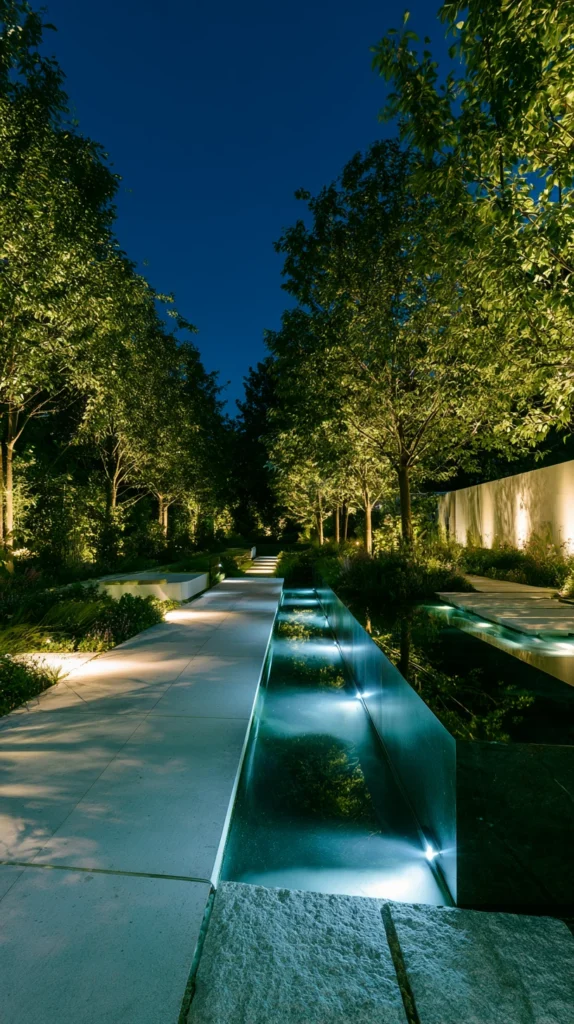
A moon garden of white-flowered, night-blooming cacti — the queen of the night cactus, Selenicereus grandiflorus, whose extraordinarily large, intensely fragrant white flowers open for a single night in summer and fill the evening garden with a fragrance of such complete, overwhelming beauty that the specific night of their opening becomes one of the most memorable botanical events of the entire garden year — is the cactus garden design idea of most extraordinary sensory drama and most completely unforgettable garden experience.
The night-blooming cactus moon garden creates a garden destination specifically and exclusively for the evening hours — a garden section whose specific beauty is accessible only to those who visit the garden after dark, and whose rewards for that specific nocturnal engagement are among the most genuinely extraordinary that any garden of any botanical tradition can provide.
7. Use Agave as Structural Anchor Plants
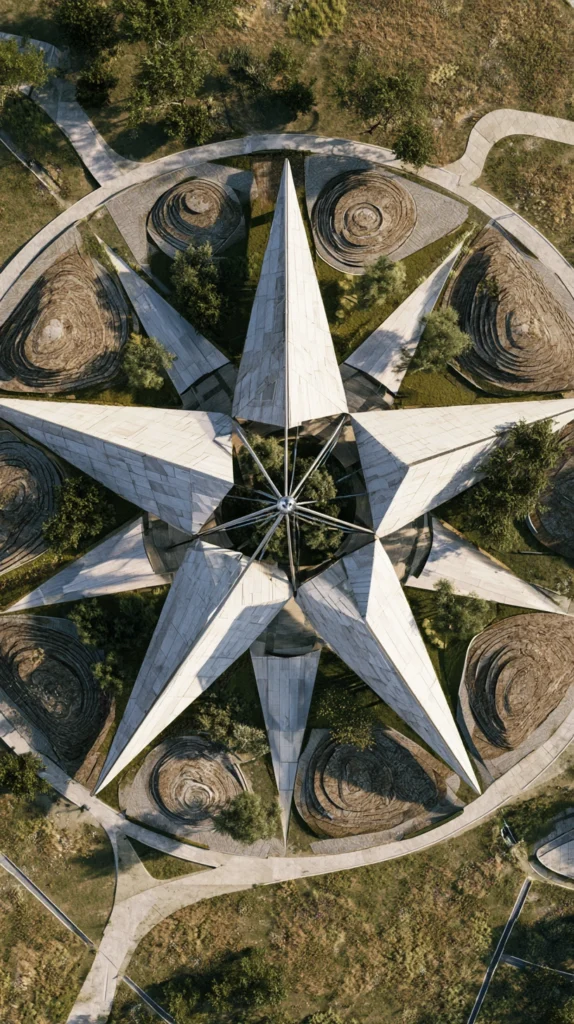
Agave — the large-rosette succulent of the most dramatic, the most architectural, and the most genuinely imposing structural presence available in the cactus and succulent garden vocabulary.
It provides the cactus garden with its most powerful and its most visually authoritative anchor planting, its symmetrical rosette of thick, spine-tipped leaves creating a focal point of such complete sculptural magnificence that every other plant in the surrounding garden composition organizes itself around the agave’s dominant presence.
Plant agave as the primary structural specimen at the cactus garden’s most visually prominent positions — the centre of the geometric planting bed, the apex of the rockery composition, the corner of the gravel garden’s most important sightline intersection — for a structural cactus garden anchor of complete, permanent, magnificently growing visual authority.
8. Create a Rainbow Cactus Arrangement of Multi-Colored Species
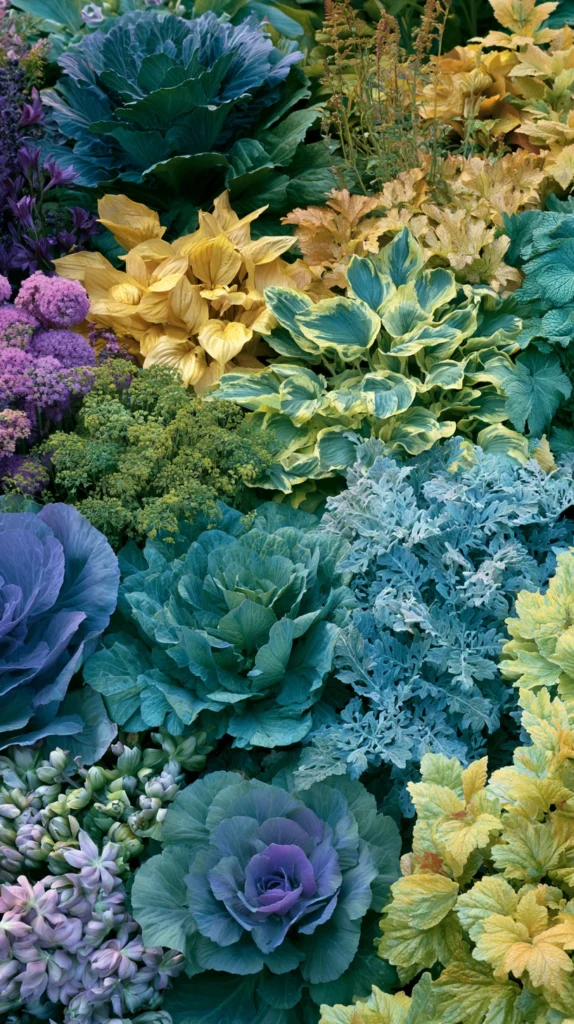
A deliberately composed rainbow arrangement of cactus species — plants selected not only for their sculptural form and their drought tolerance but specifically for the extraordinary range of stem colors, spine colors, and flowering colors that the cactus family produces across its several thousand species.
It creates a cactus garden planting of such completely extraordinary chromatic richness that it challenges and overturns the assumption that the cactus garden is a garden of green-and-grey botanical uniformity rather than a garden of spectacular botanical color variety.
Include the red and orange-spined rainbow cactus, Echinocereus triglochidiatus, the golden-spined golden barrel, the silver-blue ghost cactus, and the purple-tinted Myrtillocactus for a cactus color composition of genuinely astonishing botanical chromatic diversity and genuine garden design originality.
9. Design a Japanese-Inspired Dry Garden with Cacti
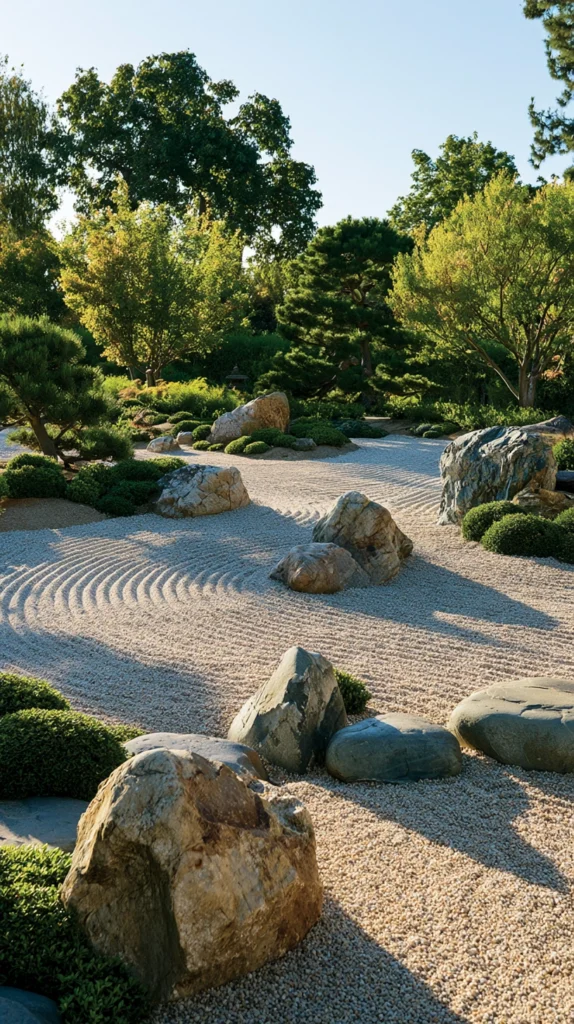
A Japanese-inspired dry garden incorporating cacti — raked gravel of fine, consistent particle size in the Zen garden tradition, natural rock groupings of genuine geological character placed with the specific compositional intelligence of the traditional Japanese rock garden.
And carefully positioned cactus specimens of restrained, elegant form, whose specific sculptural quality harmonizes with the meditative stillness of the dry garden aesthetic, create a cactus garden of genuinely cross-cultural design intelligence and genuinely extraordinary combined Eastern and Western botanical beauty.
The Japanese dry garden’s specific quality of contemplative calm, of visual simplicity achieved through the most sophisticated compositional knowledge, gives the cactus garden a spiritual and aesthetic dimension that the more conventional rockery or gravel garden arrangement does not provide.
10. Plant an Edible Cactus Garden for Practical Beauty
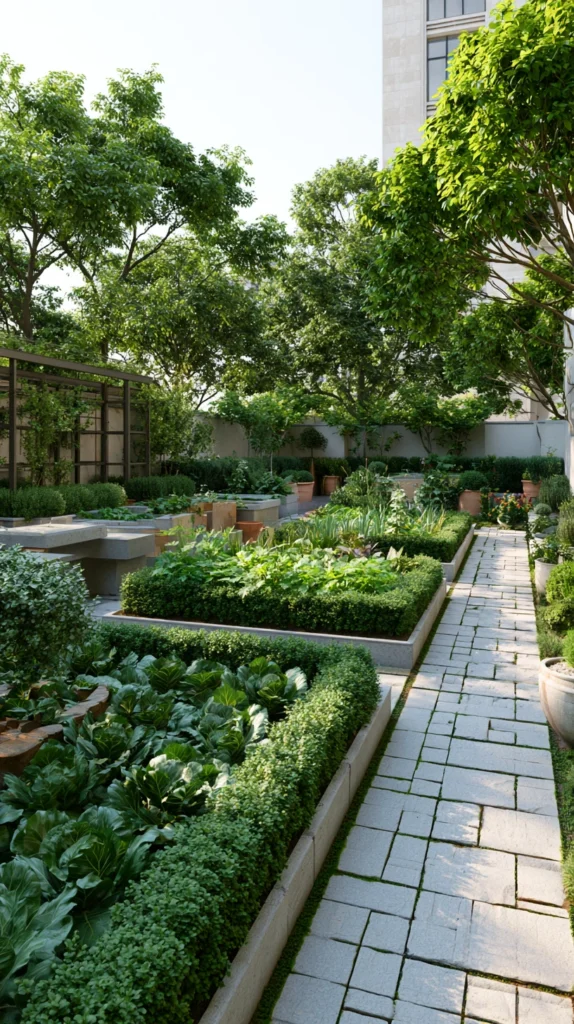
An edible cactus garden — Opuntia species of the prickly pear and their relatives planted as the primary productive botanical element, supplemented by ornamental cacti of complementary form and complementary architectural presence.
It creates a cactus garden of extraordinary combined practical and ornamental value whose edible pads, edible flowers, and edible fruits provide a genuinely productive food source of considerable culinary interest alongside the purely visual contribution of the cactus garden’s sculptural and chromatic botanical display.
The edible cactus garden is the cactus design idea of most complete lifestyle integration — the garden that is simultaneously the most ornamentally dramatic, the most ecologically self-sustaining, and the most directly nourishing of all the cactus garden design approaches on this list.
11. Create a Succulent and Cactus Mixed Tapestry Planting
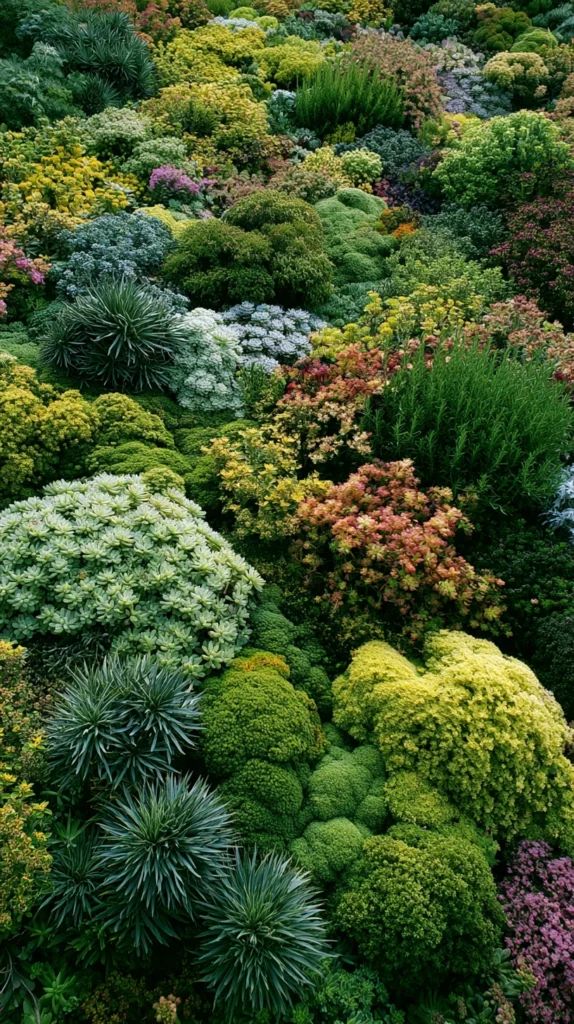
A mixed tapestry planting of cacti and complementary succulents — Sedum, Echeveria, Sempervivum, Aloe, and the many other genera of the succulent world whose rosette forms, trailing habits, and extraordinary foliage colors create the perfect botanical companions for the more architectural and more dramatically structural cacti — creates a cactus garden of extraordinary botanical variety and extraordinary visual richness at every scale of observation.
The succulent tapestry provides the low, ground-covering horizontal botanical layer that fills the spaces between the cacti’s vertical and sculptural forms with a continuous, colorful, texturally diverse planting of extraordinary ornamental completeness. The mixed cactus and succulent tapestry is the cactus garden planting of most complete botanical interest and most genuinely irresistible decorative complexity.
12. Design a Children’s Sensory Cactus Garden
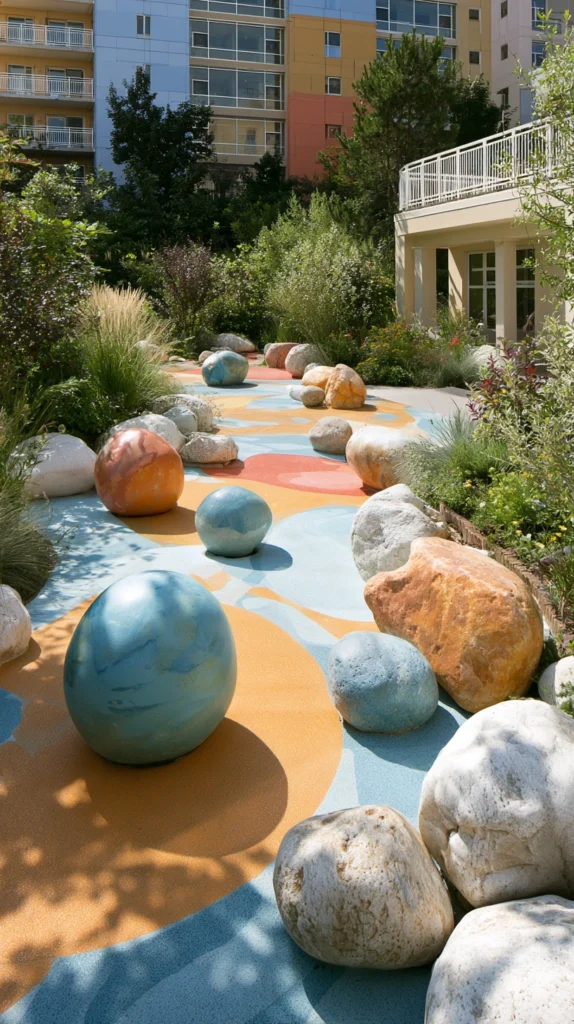
A children’s sensory cactus garden — carefully designed with child-safe species of minimal spine hazard, planted in bold, accessible containers at appropriate heights, and supplemented with the touchable succulents, the textured gravel surfaces, and the drought-tolerant aromatic herbs that create a multi-sensory garden experience of genuine educational richness,
It introduces the extraordinary world of the cactus and succulent to the youngest and the most curious of all garden visitors in the most genuinely engaging and the most genuinely safe possible botanical context.
The children’s sensory cactus garden is the outdoor education space of most complete botanical wonder and most completely irresistible hands-on natural world engagement for the child who encounters it with genuine curiosity and genuine openness to the extraordinary diversity of the living botanical world.
13. Plant a Slope or Bank with Drought-Tolerant Cacti
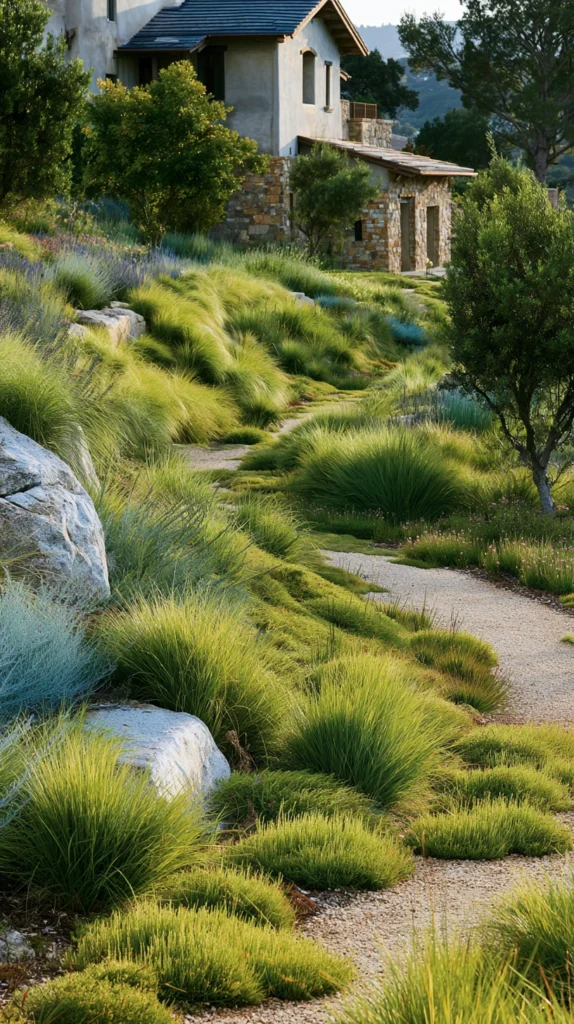
A sloped garden bank or a difficult, erosion-prone gradient planted with drought-tolerant cacti and succulent groundcovers — Opuntia humifusa, the cold-hardy prickly pear, spreading Sedum species, and the mat-forming Delosperma ice plant in vivid pink, orange, and yellow.
It creates simultaneously the most effective erosion management planting available for the dry, well-drained slope and the most ornamentally spectacular and the most completely low-maintenance flowering groundcover display that the challenging slope position can support.
The slope cactus planting turns the garden’s most difficult and most frustrating maintenance problem into its most colorful and most completely self-sustaining ornamental feature.
14. Create a Living Cactus Wall or Vertical Garden
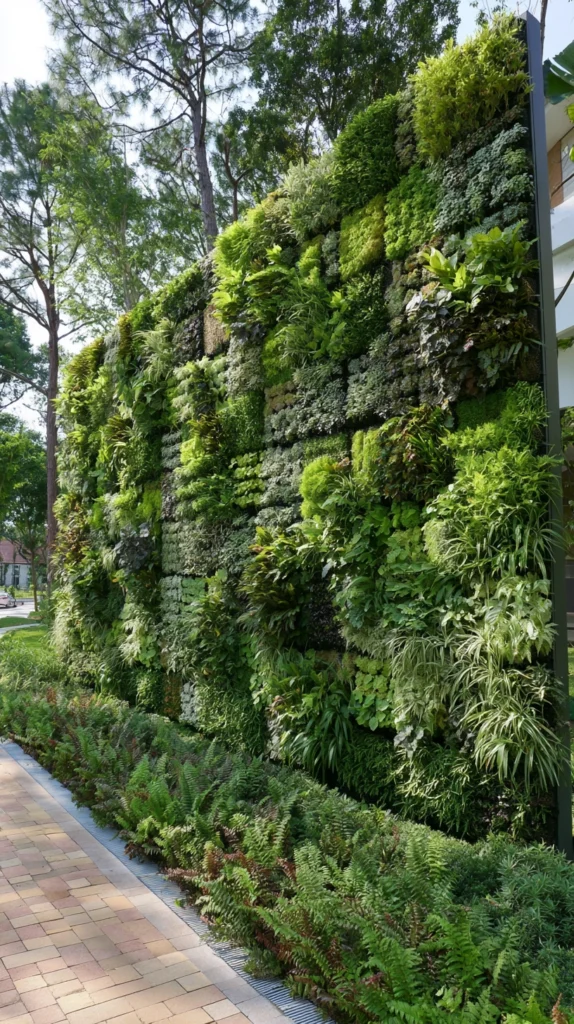
A living vertical cactus wall — succulent-planted modules fixed to a wall-mounted framework of appropriate structural integrity, each pocket filled with an appropriate free-draining growing medium and planted with a compact, wall-appropriate cactus or succulent species of the most extraordinary collective visual impact.
It creates a cactus garden feature of genuinely unprecedented decorative originality and genuinely remarkable spatial efficiency for the garden, the courtyard, or the balcony whose horizontal growing area is too limited to accommodate a conventional ground-level cactus garden of sufficient botanical ambition.
The vertical cactus wall is the cactus garden idea of most completely extraordinary visual impact per square metre of garden space occupied, and the most genuinely exciting and most genuinely conversation-generating cactus design concept available to the gardener of genuine creative ambition and genuine spatial constraint.
15. Design the Cactus Garden as a Complete Desert Landscape
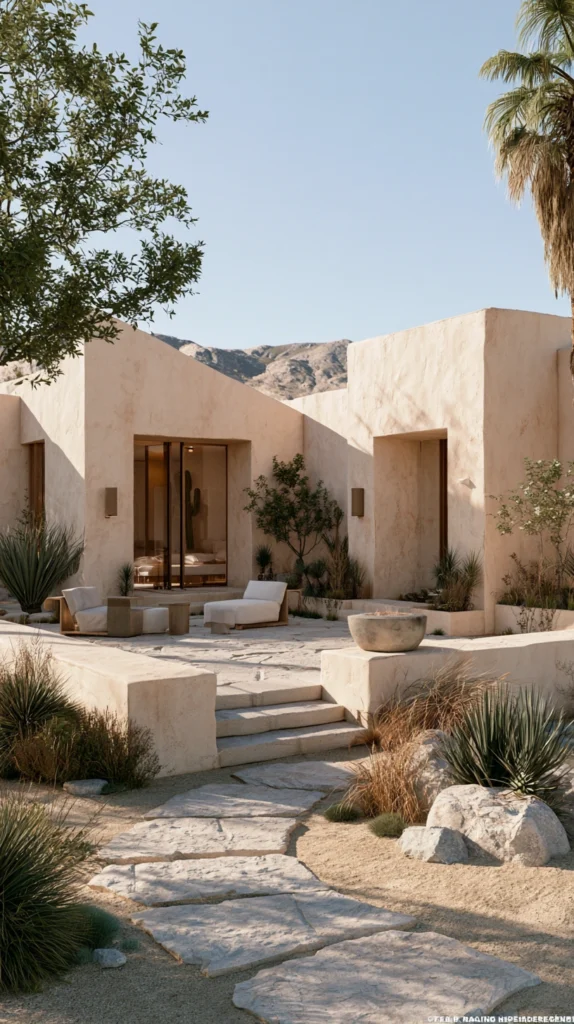
The final and most important cactus garden design idea is the one that approaches the entire outdoor space not as a conventional garden with a cactus planting feature within it but as a complete, unified, deeply considered desert landscape of total botanical conviction — a garden where every design decision, from the choice of paving material to the selection of garden furniture.
From the color of the boundary walls to the choice of container vessel, is made in complete service of the specific, extraordinary, genuinely desert atmospheric quality that the cactus and succulent planting creates and that the most completely realised cactus garden design celebrates with absolute, unapologetic, and completely magnificent botanical commitment.
Make the cactus garden the most complete, the most personally passionate, and the most genuinely, dramatically extraordinary expression of your specific love for the most resilient, the most sculptural, and the most completely astonishing plants that the botanical world has ever produced — and the garden you create will be, every day it grows and every season it flowers, one of the most beautiful outdoor spaces imaginable.
The cactus garden, designed with genuine botanical knowledge, genuine creative ambition, and genuine love for the specific, extraordinary, completely dramatic beauty of the cactus and succulent world, is one of the most beautiful, the most self-sustaining.
And the most genuinely rewarding garden environments available to any outdoor space willing to embrace the specific, magnificent, completely irresistible aesthetic of the desert landscape with complete horticultural confidence and complete design conviction.