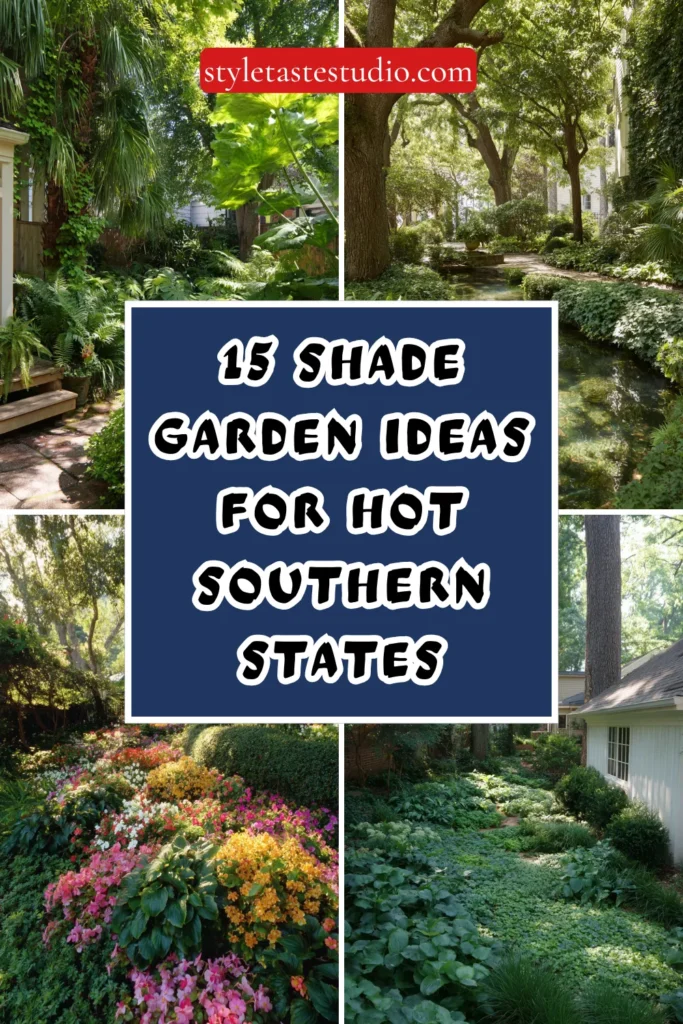
15 Shade Garden Ideas for Hot Southern States
Southern shade gardens occupy unique positions where intense ambient heat persists despite limited direct sun exposure, creating challenging conditions requiring specialized plant selections and design strategies.
Unlike cool northern shade that remains genuinely refreshing, southern shade often combines humidity, residual heat, and limited air circulation demanding plants tolerating both shade and persistent warmth. Strategic garden design incorporating heat-tolerant shade plants, proper moisture management, and cooling design elements transforms problematic dim hot areas into lush refuges that actually outperform sun-scorched locations during brutal summer months.
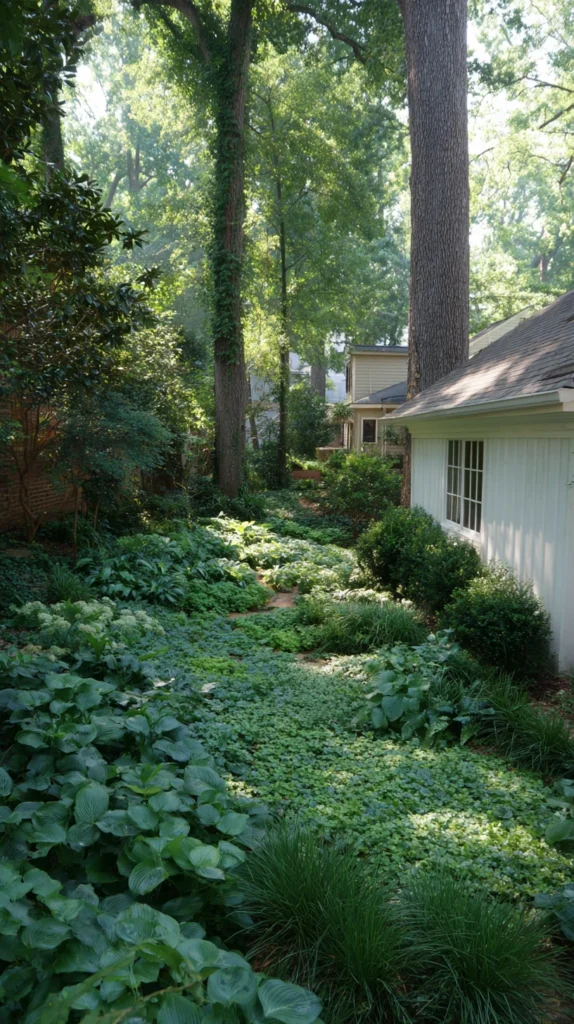
Understanding which plants thrive in these specific conditions—tolerating shade, heat, and often dry soil beneath mature trees—allows creation of beautiful productive gardens in spaces that might otherwise remain barren or struggling.
These fifteen shade garden ideas address southern-specific challenges demonstrating how to maximize limited shade areas through appropriate plant selection, water-wise practices, and design approaches creating cool verdant oases despite relentless regional heat.
1. Southern Native Shade Plants
Prioritize regionally native shade-tolerant species naturally adapted to southern heat and humidity ensuring they thrive rather than merely survive in challenging hot-shade conditions. Plant native ferns including southern shield fern or autumn fern providing lush green texture, incorporate native woodland wildflowers like trillium or jack-in-the-pulpit, add native shrubs including Florida azalea or oakleaf hydrangea, and use native groundcovers like partridgeberry or wild ginger.
The native plants require less supplemental watering once established since they’ve evolved for local conditions, support regional wildlife providing ecological benefits, and demonstrate appropriate regional character. Research specific natives for your USDA zone and local conditions ensuring selections match your specific microclimate.
2. Caladium Color Explosions
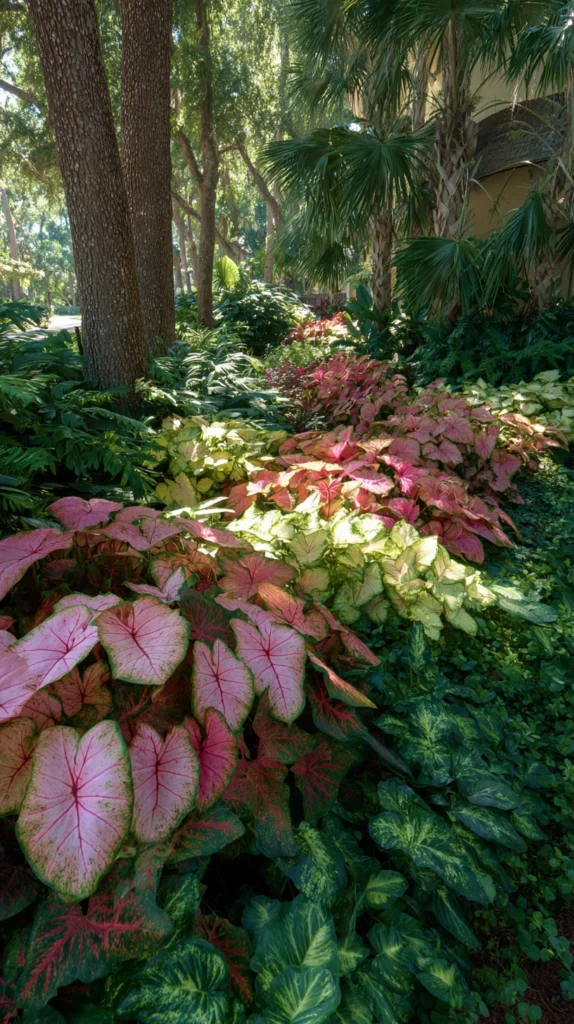
Maximize summer color in southern shade through caladiums offering vibrant foliage in combinations of white, pink, red, and green thriving in heat and humidity where many shade flowers struggle. Plant caladium bulbs after soil warms in late spring, choose varieties in colors coordinating with your palette, and position en masse creating substantial colorful impact rather than scattered individual specimens.
The tropical tubers tolerate southern heat perfectly while providing months of brilliant foliage color from late spring through early fall. Mulch adequately maintaining consistent soil moisture, fertilize monthly during active growth, and dig bulbs after first frost storing them indoors for replanting next season or treat as annuals in northernmost southern regions.
3. Dry Shade Specialists
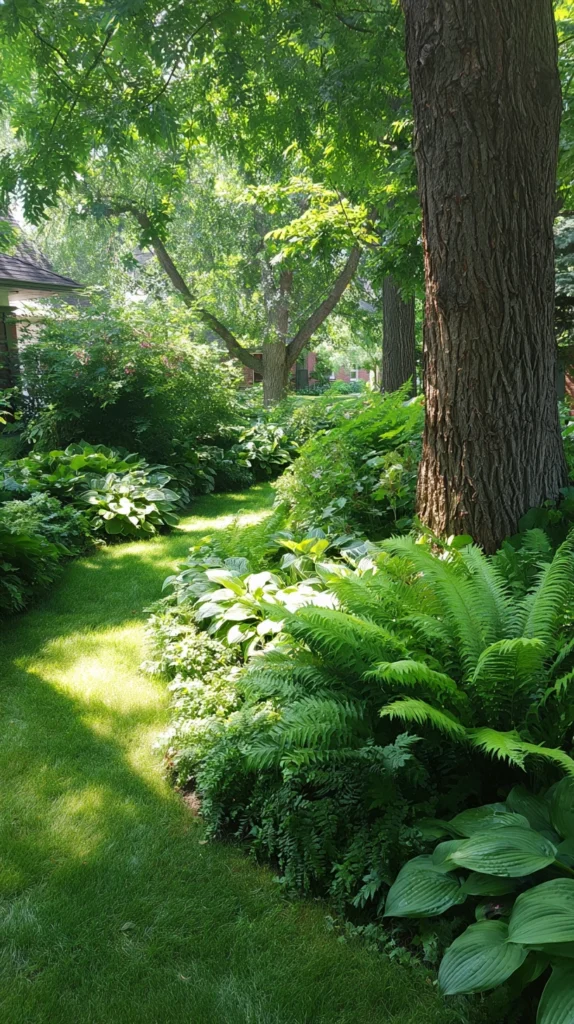
Address challenging dry shade beneath mature trees using drought-tolerant shade plants surviving root competition and limited moisture where many shade lovers fail. Plant cast iron plant (Aspidistra) earning its name through nearly indestructible nature, use liriope or mondo grass creating tough groundcovers, incorporate native woodland sedges tolerating both shade and drought, and add autumn fern handling dry conditions better than most ferns.
Amend soil generously before planting improving initial establishment even if ongoing moisture remains limited, mulch adequately conserving what moisture exists, and accept that dry shade represents genuinely challenging conditions where plant selection matters more than any other factor determining success.
4. Layered Tropical Aesthetic
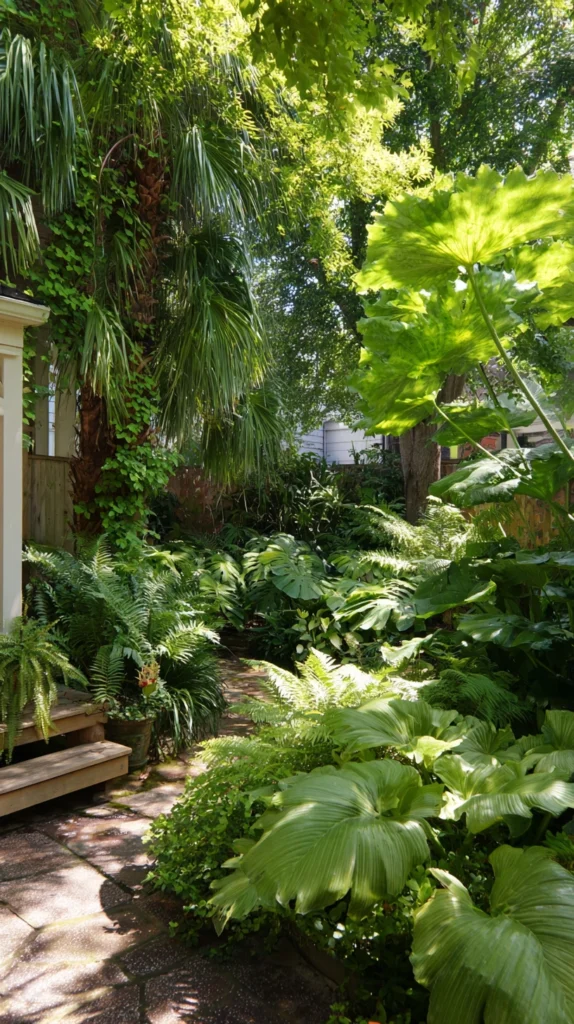
Create lush jungle atmospheres using shade-tolerant tropical and subtropical plants featuring bold foliage that handles southern heat while thriving without direct sun exposure. Plant elephant ears (Colocasia, Alocasia) providing dramatic large-leaved statements, add gingers including shell ginger or hidden lily tolerating shade while offering exotic foliage and flowers, incorporate begonias providing both foliage interest and flowers, and use tropical ferns creating complete layered understory plantings.
The abundant large-scale foliage creates cool microclimates through transpiration while the exotic aesthetic transforms southern shade gardens into vacation-worthy destinations. Protect tender tropicals during occasional southern freezes or embrace their seasonal nature treating as annuals.
5. Hydrangea Shade Borders
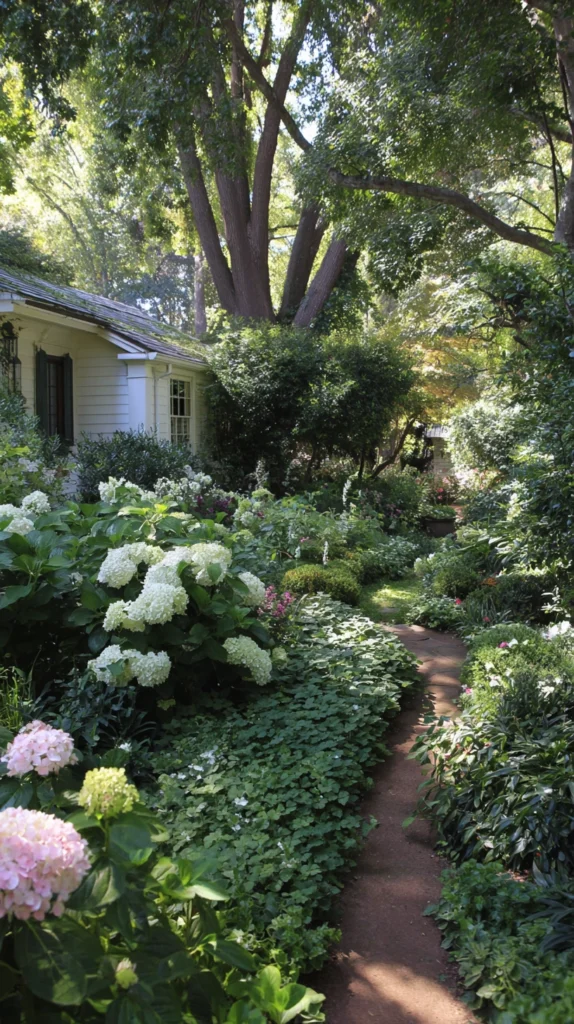
Establish substantial flowering shrub borders using hydrangeas that appreciate afternoon shade in southern climates producing abundant blooms while foliage remains attractive despite summer heat. Choose oakleaf hydrangea native to the South handling heat excellently, plant smooth hydrangeas (H. arborescens) tolerating considerable shade, or try bigleaf hydrangeas (H. macrophylla) providing classic mophead or lacecap flowers.
Position in locations receiving morning sun and afternoon shade creating ideal southern conditions, amend soil with organic matter improving moisture retention, and maintain consistent moisture during establishment and summer heat ensuring plants remain hydrated. The substantial shrubs provide structure, seasonal flowers, and year-round presence in shade gardens where flowering options may be otherwise limited.
6. Shade-Tolerant Edibles
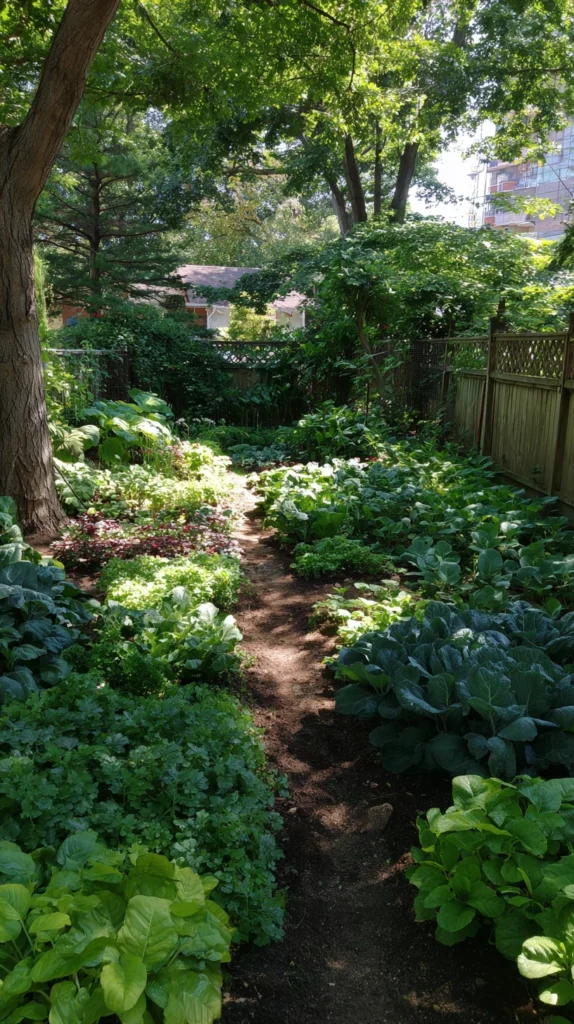
Grow heat-sensitive vegetables and herbs in shaded areas where they perform better than in scorching southern sun that causes bolting, bitterness, and rapid decline. Plant lettuce, spinach, arugula, and other greens in shade extending their productive seasons beyond brief spring and fall windows sunny gardens provide, include shade-tolerant herbs like mint, parsley, cilantro, and chives appreciating afternoon shade protection, and grow heat-sensitive crops benefiting from reduced sun exposure.
The productive shade gardens provide fresh harvests during periods when sunny vegetable gardens struggle making shaded areas valuable garden real estate. Ensure adequate moisture since edibles generally require more water than ornamental shade plantings.
7. Evergreen Structure Foundation
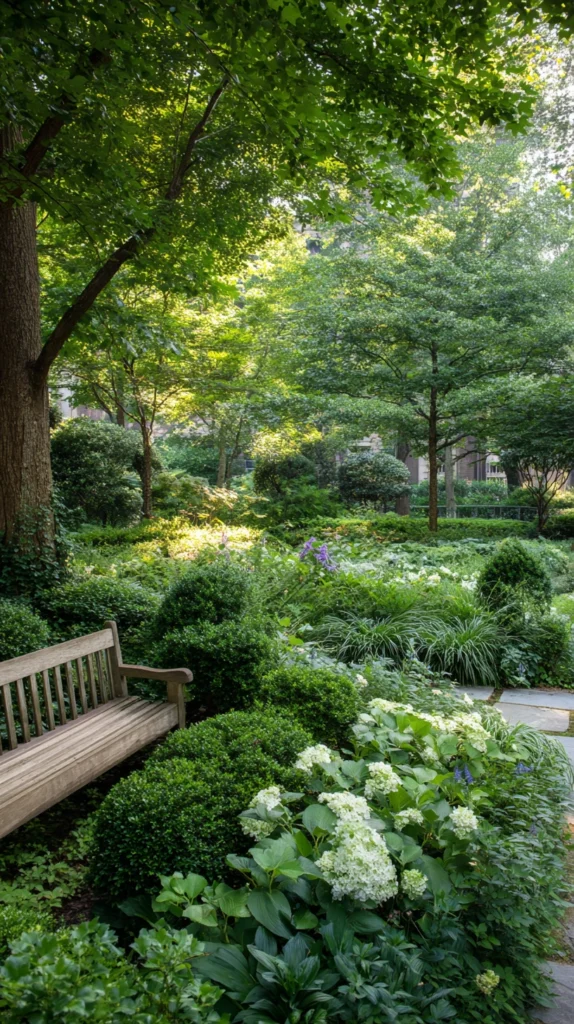
Establish permanent year-round bones through shade-tolerant evergreen shrubs including aucuba, holly, yew, or boxwood providing constant green presence despite seasonal temperature extremes. Position evergreens creating structure and framework that remains visible year-round, use as foundation plantings maintaining winter interest, create formal hedges defining spaces, or establish as focal points anchoring garden compositions.
The evergreen presence ensures shade gardens maintain beauty during winter months when deciduous perennials disappear completely. Choose varieties specifically rated for southern heat and humidity ensuring they thrive rather than struggle in regional conditions including summer humidity and occasional winter cold snaps.
8. Cooling Water Features
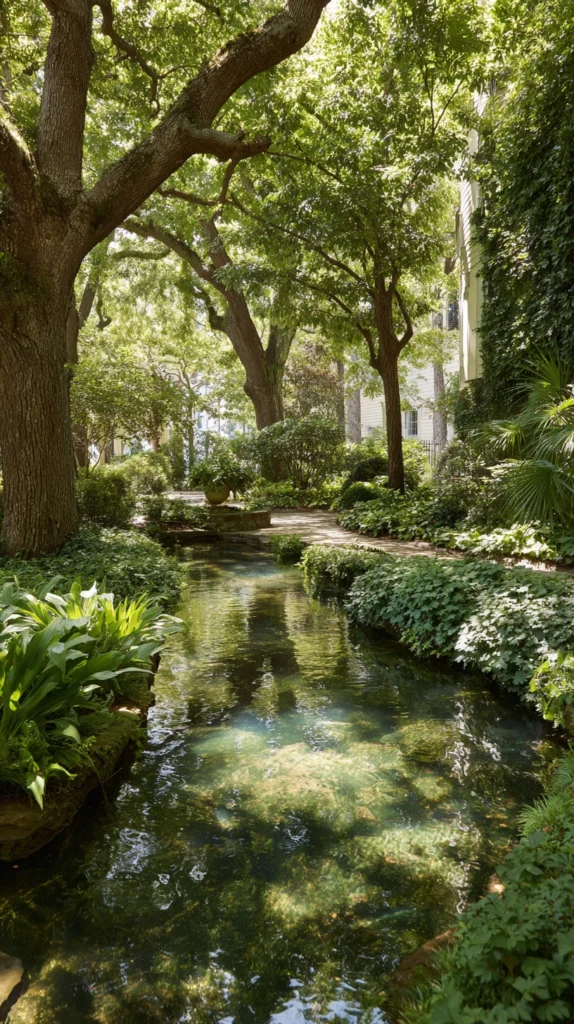
Incorporate fountains, small pools, or water elements in shade gardens creating actual cooling through evaporation while providing psychological refreshment through sight and sound. Install small recirculating fountains creating gentle water sounds without requiring extensive plumbing or large water volumes, position birdbaths providing wildlife habitat while adding water interest, or create small ponds supporting aquatic plants and perhaps fish.
The moving water adds humidity benefiting surrounding shade plants while the evaporative cooling creates genuinely cooler microclimates. Position water features where they can be appreciated from seating areas maximizing their sensory benefits while the shade location reduces algae growth that plagues sunny water features.
9. Fern Collection Diversity
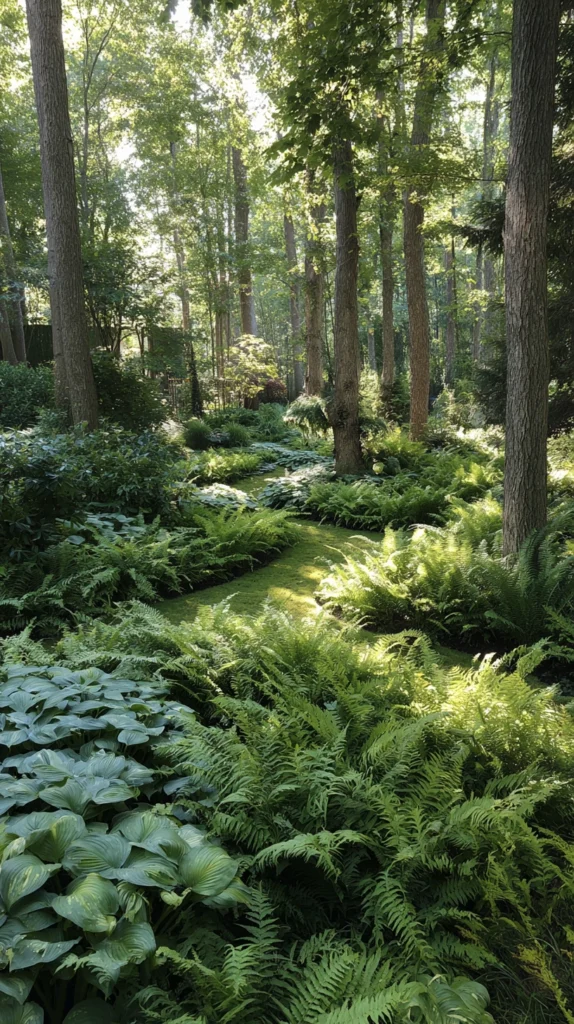
Showcase varied ferns demonstrating this plant family’s remarkable diversity while creating lush textured gardens perfectly suited to humid southern shade conditions. Plant southern shield fern, autumn fern, holly fern, and lady fern creating collections featuring varied frond shapes, sizes, and growth habits. The ferns handle southern heat and humidity excellently while their varied forms add textural richness despite the predominantly green palette.
Amend soil with generous organic matter creating the rich moisture-retentive conditions ferns prefer, mulch adequately maintaining consistent moisture and moderating soil temperatures, and position where their delicate beauty can be appreciated without being overshadowed by bolder-leaved companions.
10. Hosta Heat-Tolerant Selections
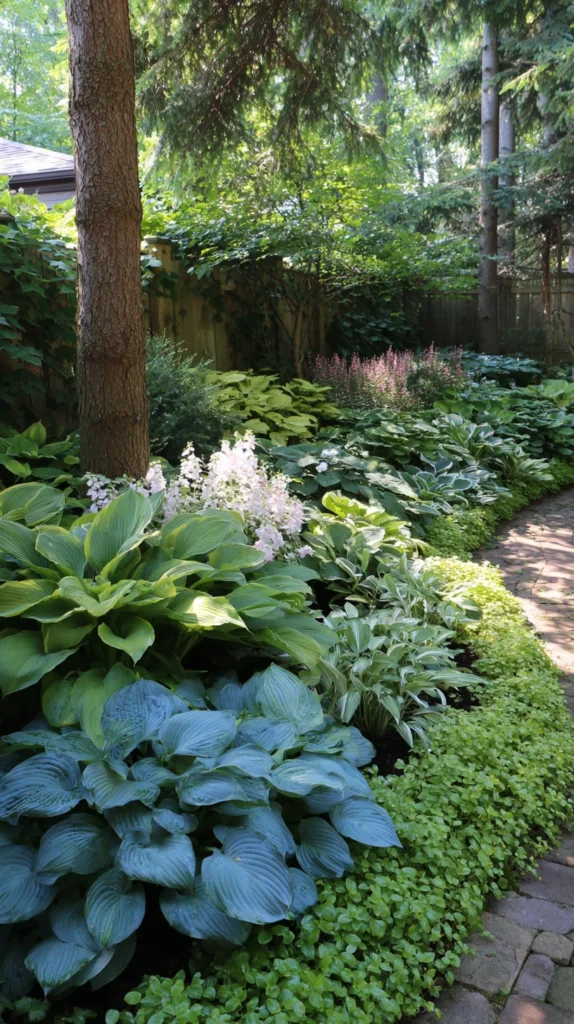
Incorporate hostas choosing thick-leaved heat-tolerant varieties that maintain foliage quality despite southern summer temperatures when adequate moisture and shade are provided.
Select fragrant plantain lilies, ‘Sum and Substance’, or other varieties specifically noted for heat tolerance avoiding thin-leaved types prone to scorching, ensure afternoon shade protection from intense southern sun, and maintain consistent moisture preventing the leaf burn that occurs when hostas dry out during heat.
The varied foliage colors from blue to gold to variegated create diversity while mounding forms provide structure. Accept that hostas may struggle in Deep South regions with extreme heat but perform adequately in Upper South locations with slightly milder summers.
11. Impatiens and Begonia Beds
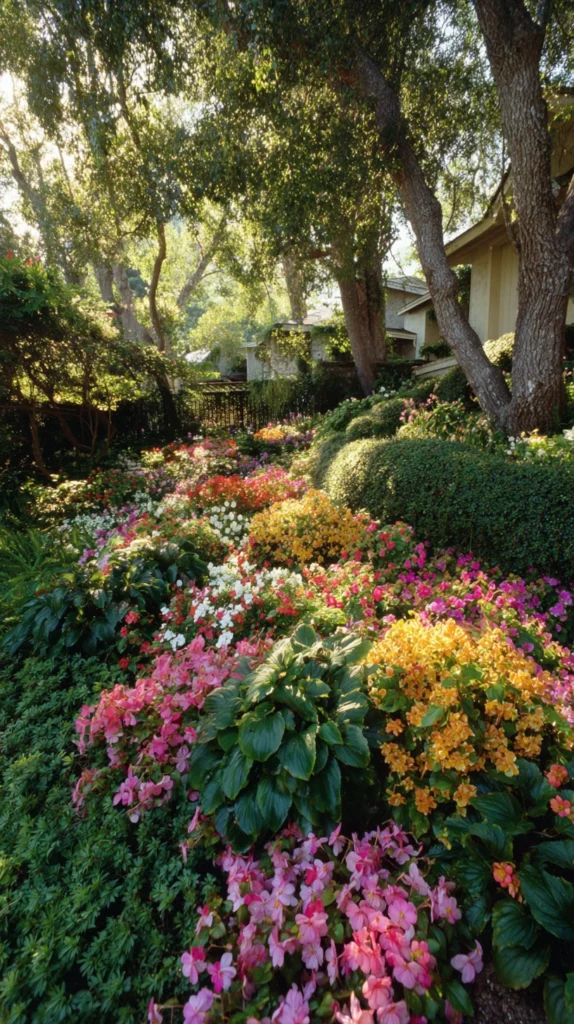
Create continuous summer color using shade-loving annuals including impatiens, begonias, and coleus blooming or providing colorful foliage prolifically despite shade when consistent moisture is maintained. Plant generously creating substantial drifts of color rather than scattered specimens, maintain adequate moisture preventing the wilt these plants experience during dry periods, and deadhead regularly encouraging continued bloom.
The reliable color provides the cheerful seasonal interest that makes gardens inviting and beautiful. Choose impatiens varieties resistant to downy mildew that has plagued traditional types, or use begonias exclusively if impatiens disease remains problematic in your area.
12. Groundcover Carpet Solutions
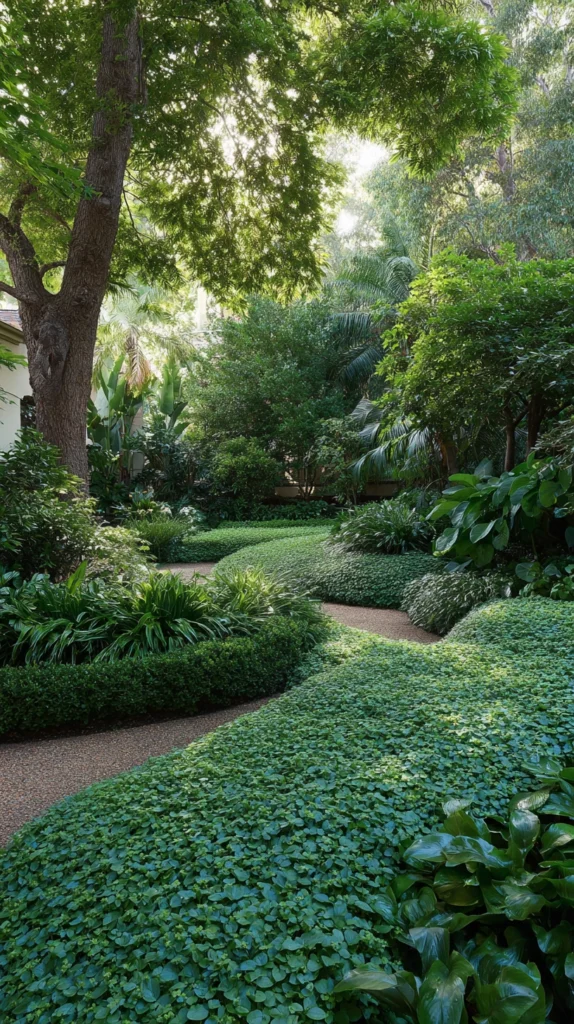
Establish low-maintenance ground layers using shade-tolerant groundcovers eliminating lawn maintenance in shaded areas where turfgrass struggles while creating living green carpets. Plant mondo grass, liriope, ajuga, or pachysandra creating dense coverage that suppresses weeds once established, choose native groundcovers like wild ginger or partridgeberry supporting local ecosystems, or use shade-tolerant sedges creating fine-textured carpets.
The groundcover approach eliminates mowing in problematic shade while the complete coverage prevents erosion and moderates soil temperatures. Mulch between new plantings preventing weeds during establishment, water consistently until roots establish, then enjoy low-maintenance coverage.
13. Shade-Blooming Perennials
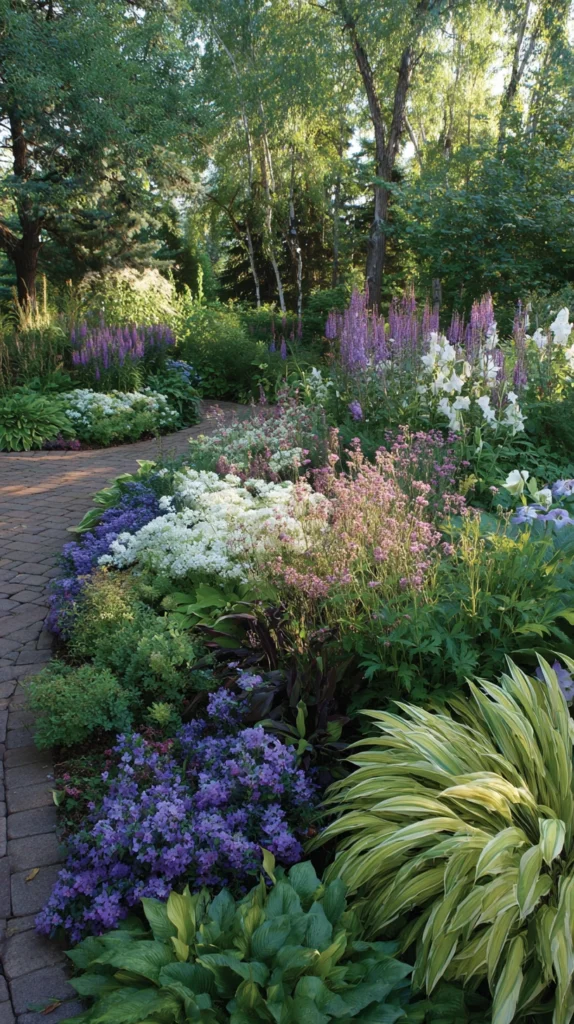
Incorporate flowering perennials specifically tolerating both southern heat and shade including native species and adapted introductions providing seasonal blooms beyond foliage-only gardens. Plant native blue phlox blooming in spring, include astilbe providing summer plumes in colors from white to pink to red, add toad lily (Tricyrtis) offering unique late-season orchid-like flowers, or incorporate hellebores blooming during late winter providing early color.
The flowering perennials add seasonal interest and variation while their shade tolerance and heat adaptation ensure they thrive rather than merely survive. Research specific varieties noting their heat tolerance ratings ensuring selections match your specific climate zone within the diverse southern region.
14. Container Shade Gardens
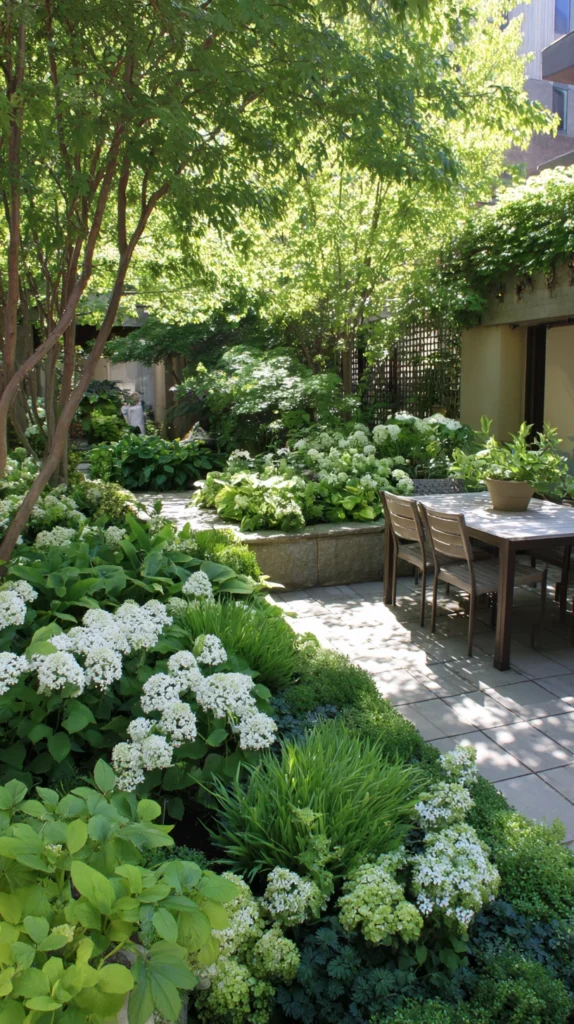
Develop portable shade plantings using containers positioned beneath trees, on shaded patios, or in dim courtyards creating flexible gardens that can be repositioned seasonally or moved protecting tender plants during occasional cold snaps. Fill containers with shade and heat-tolerant plants including caladiums, coleus, begonias, or ferns, use quality potting soil ensuring good drainage while maintaining adequate moisture, and group containers creating substantial displays.
The container approach allows shade gardening even when in-ground options are limited by tree roots, poor soil, or rental situations. Water containers consistently as they dry faster than ground plantings, fertilize regularly since frequent watering leaches nutrients, and refresh soil annually maintaining fertility.
15. Moss and Fern Naturalism
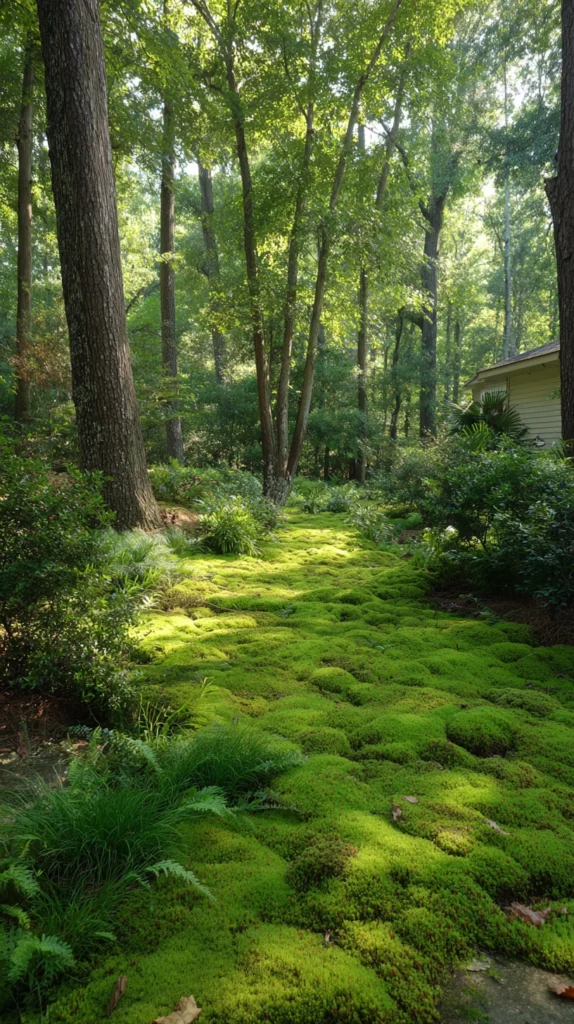
Embrace natural woodland aesthetics through moss and fern gardens celebrating these ancient plants creating authentic forest floor gardens perfectly adapted to southern shade and humidity. Encourage native moss establishment by maintaining consistent moisture and removing competing vegetation, transplant moss from other garden areas or purchase commercially, add native ferns creating varied heights and textures, and allow leaf litter to remain creating natural mulch and authentic woodland character.
The naturalistic approach reduces maintenance while the moss and ferns thrive in conditions many conventional shade plants find challenging. Accept that moss requires consistent moisture during establishment but tolerates considerable shade and heat once established in appropriate locations.
Successfully creating shade gardens in hot southern states requires selecting plants specifically tolerant of both shade and heat rather than assuming any shade plant will succeed, maintaining adequate moisture particularly during brutal summer months when even shade gardens experience heat stress, and improving soil with generous organic matter amendments creating moisture-retentive conditions supporting plant health.
Mulch adequately moderating soil temperatures and conserving moisture while the organic material slowly improves soil structure. Most importantly, embrace shade as valuable southern garden asset rather than viewing it as limitation, recognizing that shaded areas often support more diverse beautiful plantings than harsh sunny locations where only the toughest heat-lovers survive the relentless southern summer sun.