13 Best Vegetables for Hanging Baskets That Maximize Small Spaces
Hanging basket vegetable gardening transforms vertical space into productive growing areas where trailing varieties, compact cultivars, and naturally cascading edibles create both attractive displays and genuine harvests despite limited square footage. This space-maximizing approach proves particularly valuable for apartment dwellers, small-yard gardeners, or anyone seeking to expand growing capacity beyond ground-level beds by capitalizing on unused overhead space.
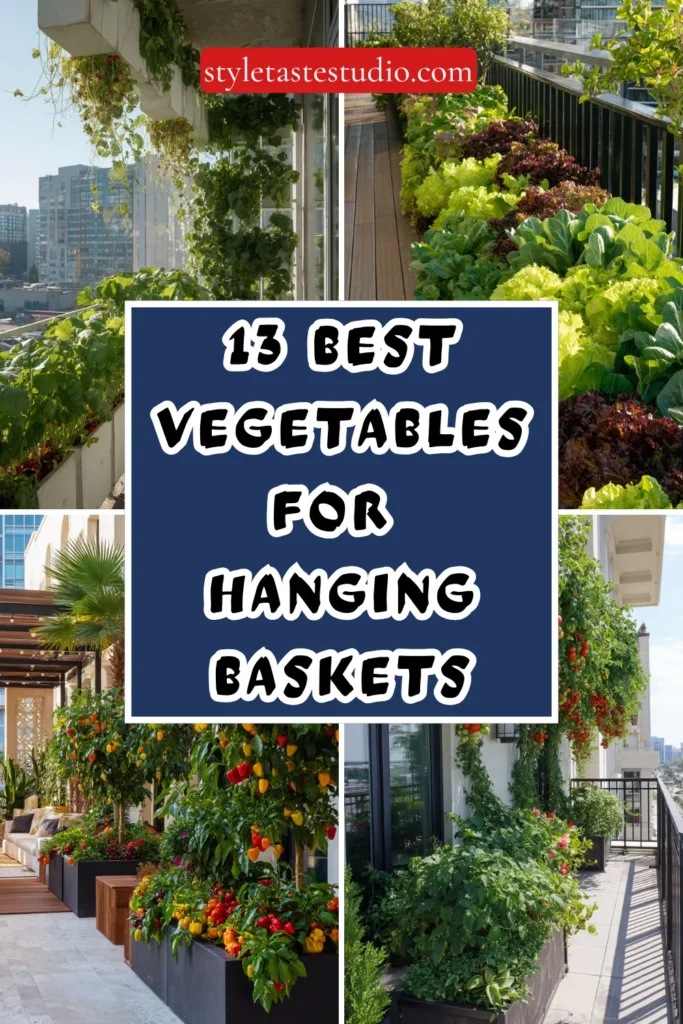
Strategic vegetable selection prioritizing varieties specifically suited to container culture, understanding weight limitations of hanging systems, and providing adequate water and nutrients despite limited soil volume ensures hanging baskets deliver genuine productivity rather than becoming decorative disappointments.
The best hanging basket vegetables combine compact growth habits with attractive appearance, reasonable production despite confined roots, and the kind of trailing or compact forms that look intentional rather than awkwardly stuffed into inappropriate containers.
These thirteen vegetables demonstrate proven success in hanging baskets, each offering reliable production, appropriate scale, and the kind of aesthetic appeal that makes productive hanging gardens beautiful as well as functional additions to patios, balconies, or any space where overhead growing expands limited gardening opportunities.
1. Cherry and Grape Tomatoes
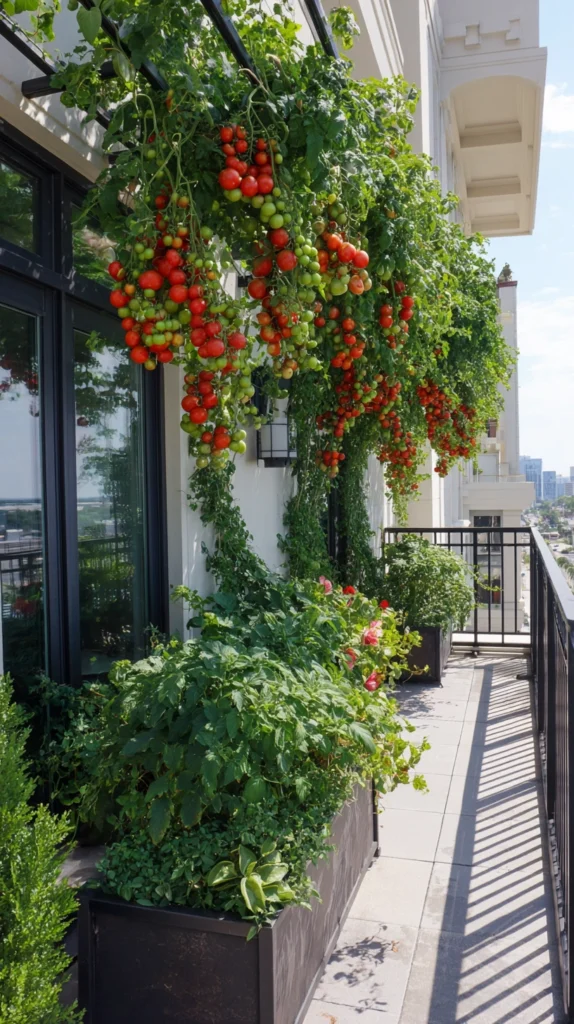
Grow compact determinate or trailing tomato varieties, including ‘Tumbling Tom,’ ‘Micro Tom,’ or cherry types bred specifically for container culture, producing genuine harvests despite confined growing space.
Choose varieties labeled as suitable for hanging baskets or containers, ensuring they possess compact growth habits rather than attempting to grow full-size tomatoes in inadequate space, provide sturdy hanging systems supporting substantial weight as plants mature and fruit develops, and ensure adequate water and fertilizer meeting tomatoes’ substantial nutritional demands.
The trailing varieties create attractive cascading growth while the compact types maintain a manageable size. Harvest regularly, encouraging continued production and preventing overweight fruit from stressing stems. The fresh homegrown tomato flavor justifies the higher maintenance these productive baskets require.
2. Strawberries Perennial Production
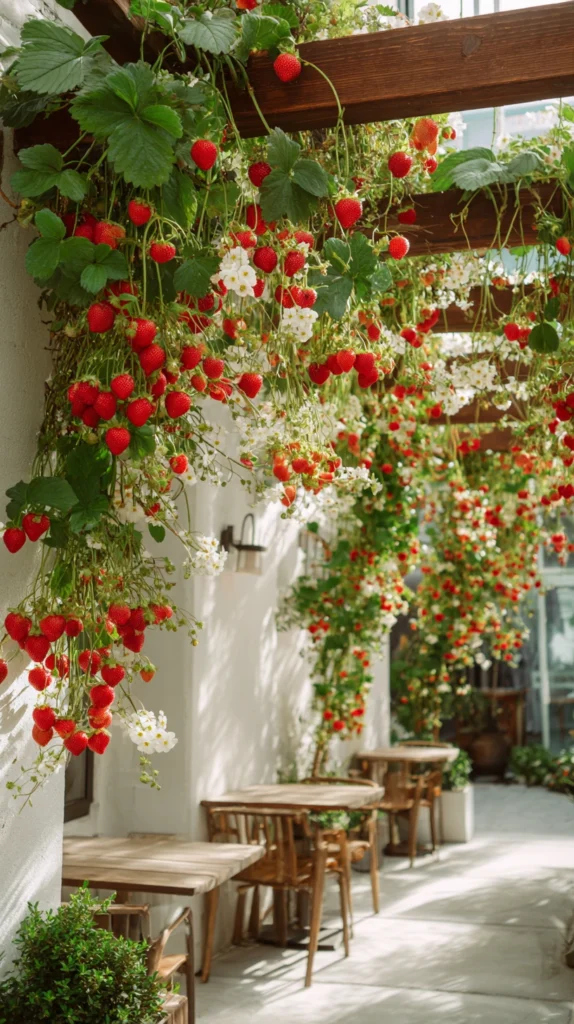
Establish productive strawberry baskets offering multi-year harvests where trailing runners create attractive cascading growth, while the perennial nature means properly maintained baskets produce annually without replanting.
Choose June-bearing varieties for concentrated harvest or everbearing types providing extended production throughout growing seasons, plant in quality potting mix ensuring adequate drainage, preventing root rot, and provide consistent moisture, particularly during fruiting when water stress reduces berry quality.
The runners create attractive trailing growth, while the white flowers and red berries add ornamental beauty beyond pure production. Protect from birds using netting if necessary and renovate baskets periodically removing old plants and allowing runners to establish new growth maintaining productive vigor.
3. Lettuce and Salad Greens
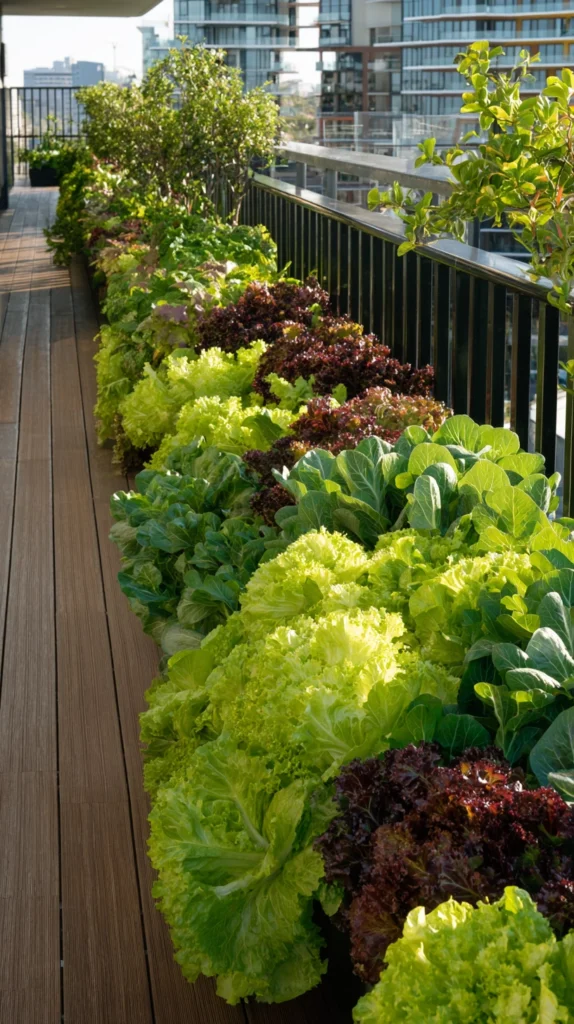
Grow quick-maturing lettuces, mesclun mixes, or Asian greens in hanging baskets creating convenient salad gardens accessible at comfortable heights eliminating the bending required for ground-level beds. Choose compact loose-leaf varieties rather than large-heading types ensuring appropriate scale, plant densely creating full baskets that produce substantial harvests despite small footprints, and harvest regularly through cut-and-come-again techniques encouraging new growth and extended production.
The leafy greens appreciate the elevated position’s often cooler temperatures and increased air circulation compared to ground level. Succession plant every few weeks maintaining continuous production throughout cool seasons when lettuce performs best. The convenient height makes regular harvesting effortless encouraging fresh salad consumption.
4. Trailing Nasturtiums Edible Flowers
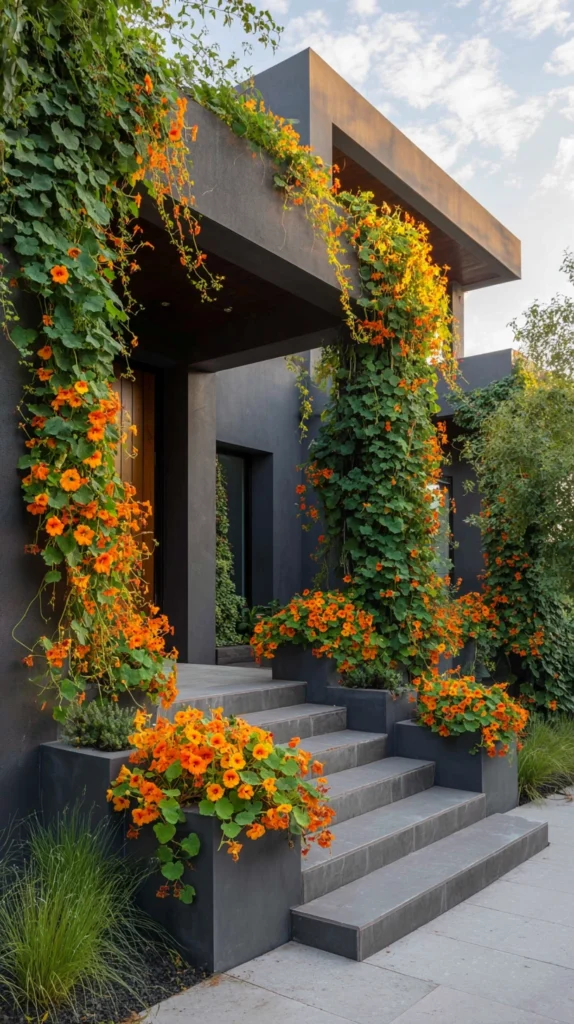
Incorporate nasturtiums providing both edible flowers and leaves where the trailing growth creates attractive cascading displays, while the peppery edible blooms add color to salads and the leaves serve as greens.
Choose trailing varieties rather than compact bush types maximizing the cascading effect, appreciate the low-maintenance nature requiring minimal fertilization and tolerating some neglect, and harvest both flowers and young leaves for culinary use.
The vibrant orange, yellow, and red flowers create ornamental beauty rivaling purely decorative annuals while the edibility adds productive function. The trailing stems can extend several feet creating dramatic cascades. The dual ornamental and edible nature makes nasturtiums ideal for hanging baskets visible from entertaining areas where beauty and function both matter.
5. Bush Beans Compact Harvest
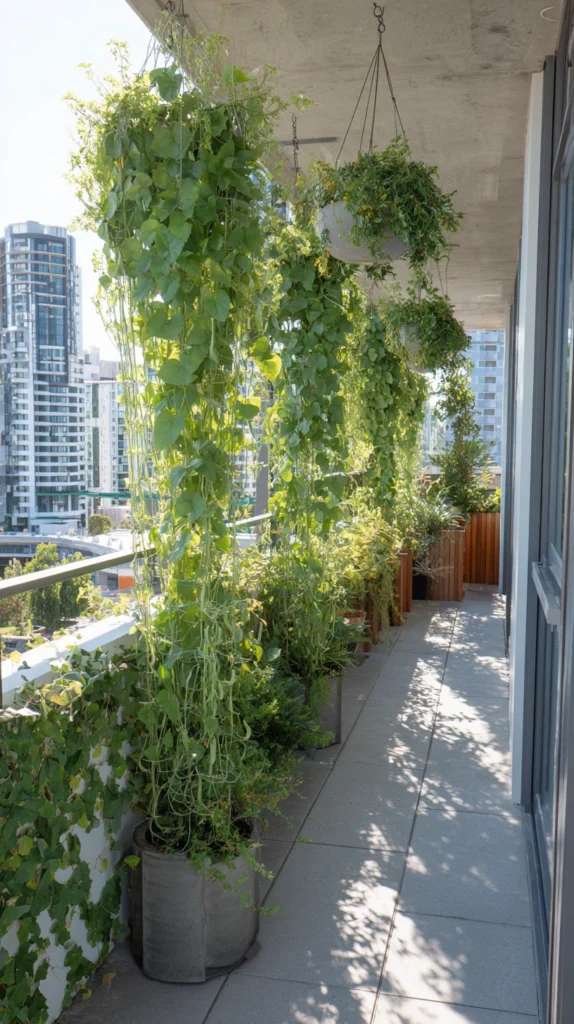
Select compact bush bean varieties bred for container growing, providing genuine harvests without the climbing support that pole beans require, making them ideal for hanging basket culture.
Choose varieties specifically labeled as compact or suitable for containers, ensuring manageable size, providing sturdy hanging systems supporting substantial weight as plants mature, and harvesting regularly, preventing over-mature pods that reduce plant productivity. The bush habit maintains compact growth while the dangling bean pods create interest beyond the foliage alone.
Ensure adequate water during flowering and pod set when moisture stress most impact on production. The fresh bean quality and nitrogen-fixing nature that enriches soil make beans valuable, productive additions despite their relatively short season.
6. Trailing Peas Sugar and Snap
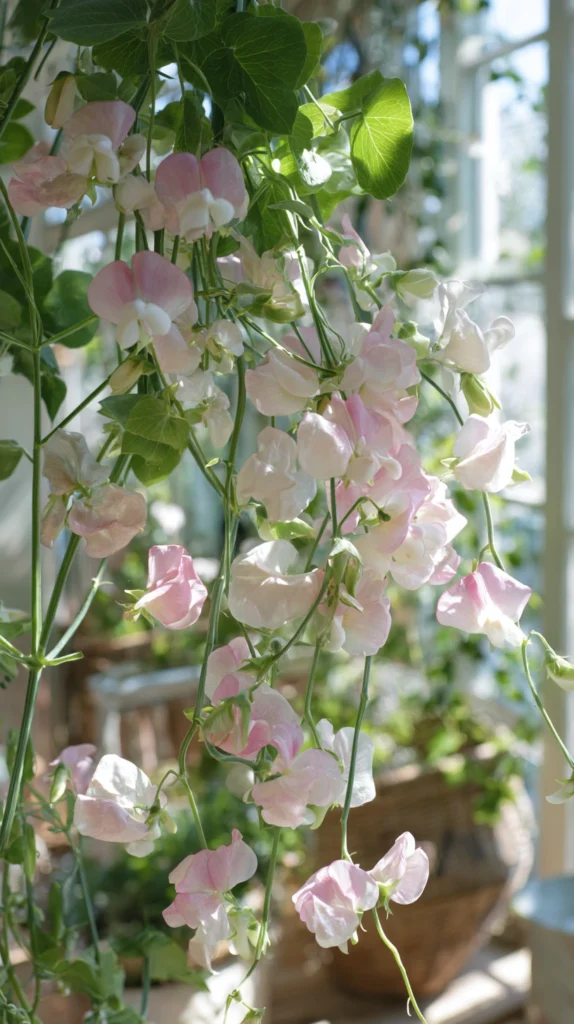
Grow compact or semi-trailing pea varieties, including sugar snap or snow peas in hanging baskets where the trailing vines cascade attractively while the edible pods provide spring harvests during cool seasons.
Choose dwarf or semi-dwarf varieties rather than full-size types that would require extensive support structures incompatible with hanging culture, plant early in spring for cool-season production since peas perform poorly in heat, and provide minimal support allowing vines to trail naturally or gently twine around themselves.
The sweet edible pods and delicate tendrils create attractive displays while the spring harvest provides fresh vegetables during seasons when many summer crops haven’t yet begun producing. The cool-season timing means baskets can be replanted with warm-season crops once peas finish.
7. Peppers Compact Ornamental Varieties
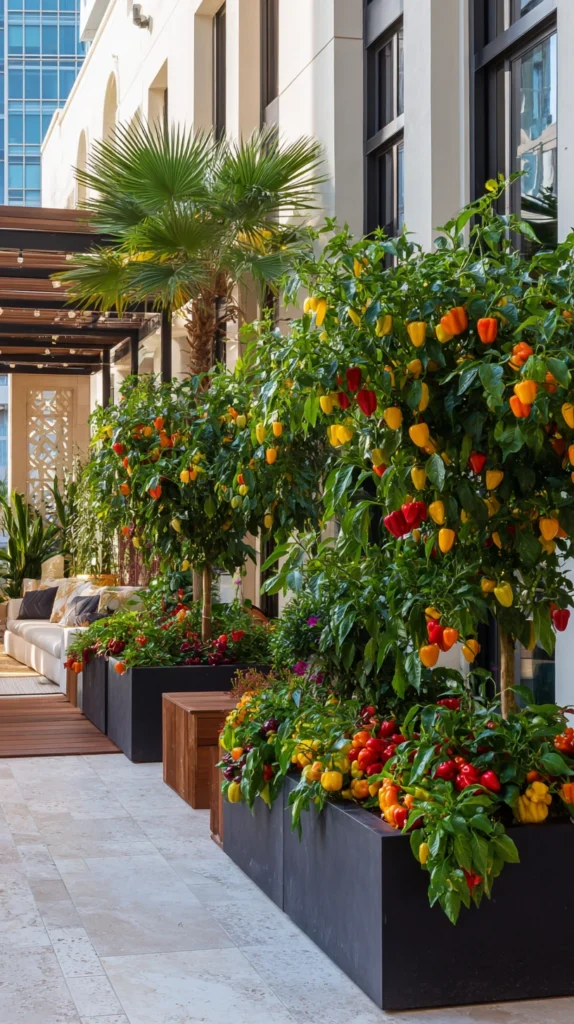
Include compact pepper varieties, including ornamental types that produce edible fruits, creating baskets that are simultaneously productive and decorative with colorful fruits and attractive compact growth.
Choose dwarf pepper varieties or ornamental types bearing small, colorful fruits, select based on heat preference from sweet mini-bells to hot ornamental chilis, and ensure adequate fertilization supporting fruit production in limited soil volumes.
The compact plants maintain a manageable size while the colorful fruits create ornamental interest as they ripen through varied colors. The extended harvest period from summer through fall provides long-season production. Position in full sun, ensuring adequate heat for good fruit development and flavor.
8. Herbs Cascading Aromatics
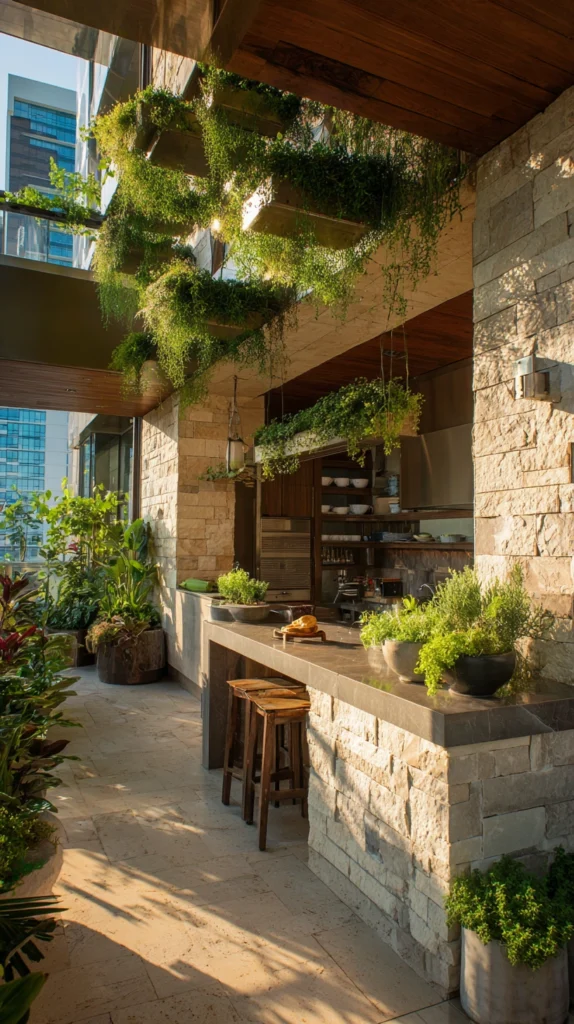
Grow trailing or compact herbs, including thyme, oregano, trailing rosemary, or parsley, in hanging baskets, creating convenient kitchen gardens positioned near doors for easy harvesting during meal preparation.
Choose naturally trailing varieties like creeping thyme or prostrate rosemary, maximizing the cascading effect, group herbs with similar water requirements, preventing overwatering or underwatering conflicts, and harvest regularly, encouraging bushy compact growth while providing fresh seasonings.
The aromatic foliage adds sensory appeal beyond visual beauty, while the culinary utility makes herb baskets among the most practically valuable. The perennial herbs like thyme and rosemary can overwinter in appropriate climates, providing multi-year production. Position where brushing against plants releases aromatic oils, creating a pleasant fragrance.
9. Spinach Cool-Season Greens
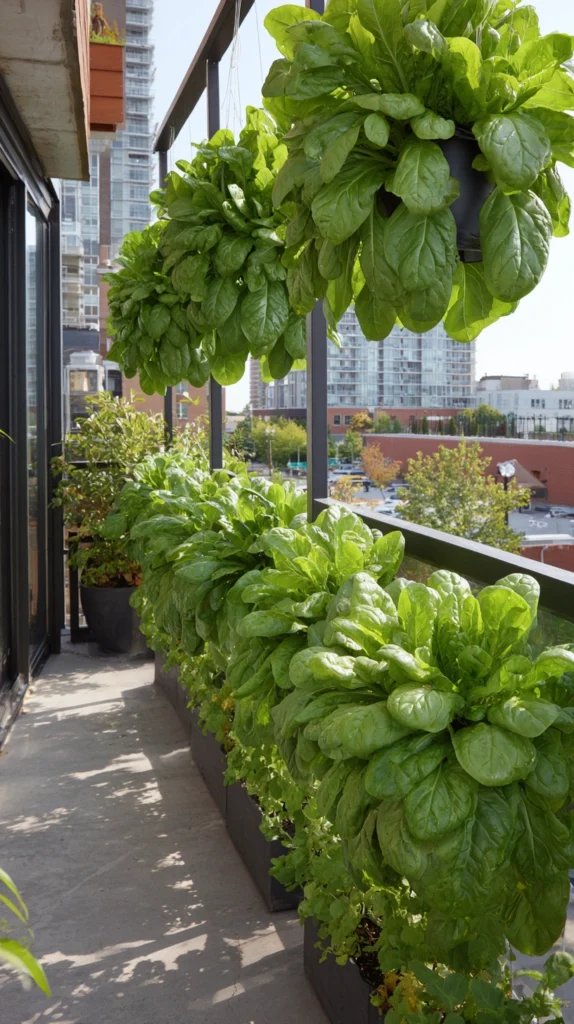
Plant spinach in hanging baskets during cool seasons, creating productive leafy green harvests in spring and fall when temperatures suit this cold-tolerant crop poorly adapted to summer heat. Choose compact or baby leaf varieties appropriate for container culture, plant in early spring or late summer for fall harvest, and harvest regularly through cut-and-come-again methods, encouraging new growth.
The upright compact growth suits hanging baskets well, despite spinach not being naturally trailing. The nutrient-dense greens and cool-season timing that don’t compete with summer crops make spinach a valuable additions. Protect from excessive heat with afternoon shade in borderline climates, extending the productive season before bolting occurs.
10. Cucumbers Compact Trailing Types
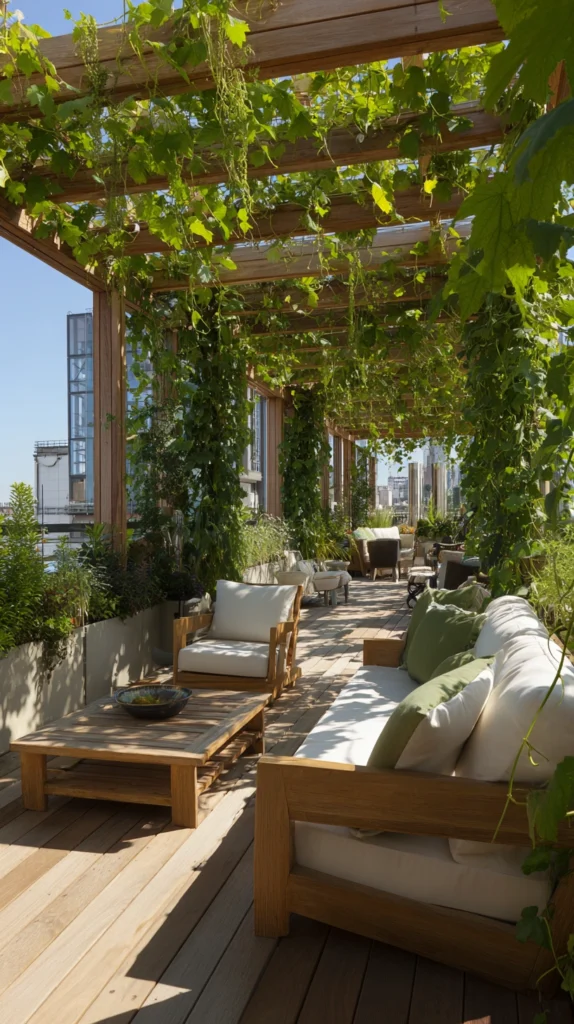
Select compact or patio cucumber varieties bred specifically for container growing producing full-size cucumbers despite confined roots and limited growing space. Choose varieties labeled as suitable for containers or patios ensuring appropriate scale, provide sturdy support systems handling substantial weight from mature vines and developing fruits, and ensure consistent watering preventing the bitterness that develops when cucumbers experience water stress.
The vining growth creates attractive trailing effect while the developing cucumbers add interest. Harvest regularly when fruits reach appropriate size preventing over-mature specimens that reduce further production. The fresh cucumber quality and high productivity relative to space occupied make compact varieties excellent hanging basket candidates despite higher maintenance requirements.
11. Radishes Quick Succession
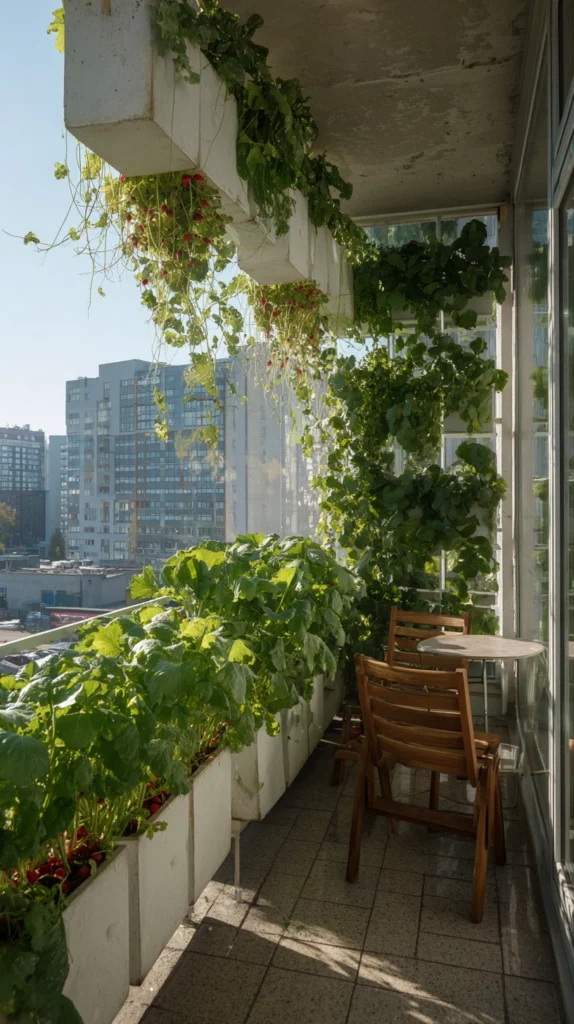
Grow radishes in hanging baskets for ultra-fast harvests maturing in 3-4 weeks providing quick gratification and allowing succession planting throughout growing seasons maintaining continuous production in rotating cycles.
Choose standard globe radishes or longer varieties if baskets provide adequate depth, plant every 2-3 weeks maintaining continuous succession, and harvest promptly as radishes become pithy and unpalatable when left too long. The quick maturity means radish baskets can be frequently replanted with same or different crops creating dynamic rotating productive displays.
The spicy roots and edible greens both provide culinary uses. The minimal space requirements and speed make radishes ideal for teaching children gardening providing quick visible results that maintain engagement.
12. Arugula Peppery Greens
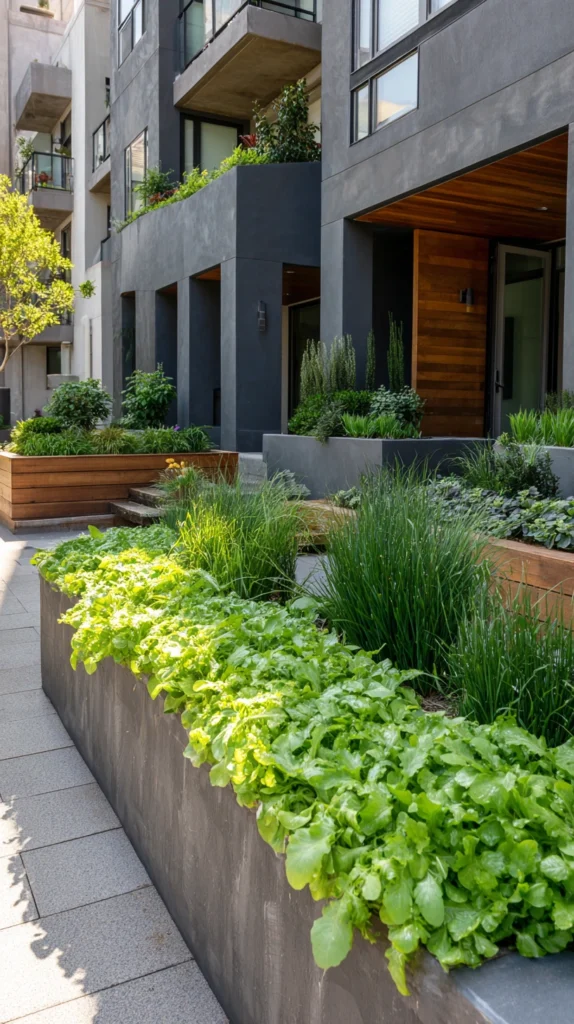
Plant arugula in hanging baskets creating productive containers of this peppery salad green that matures quickly and tolerates both cool and moderately warm temperatures extending potential growing seasons. Sow seeds densely creating full baskets, harvest regularly once plants reach 3-4 inches taking outer leaves and allowing centers to continue producing, and appreciate the extended harvest period through cut-and-come-again techniques.
The relatively low maintenance and quick maturity make arugula ideal for beginning gardeners or those wanting productive results without extensive care. The peppery flavor adds interest to salads while the attractive lobed leaves create ornamental appeal. Succession plant every few weeks maintaining continuous production.
13. Trailing Squash and Gourds
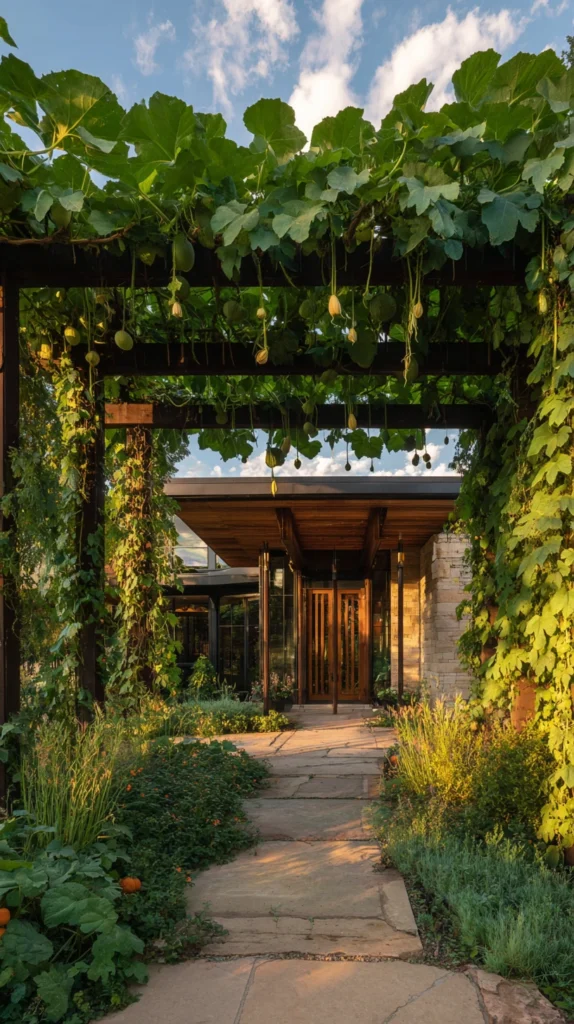
Experiment with compact summer squash varieties or small decorative gourds in hanging baskets where their trailing vines create dramatic cascading growth though productivity may be limited by space constraints. Choose the most compact squash varieties available or miniature gourd types, provide very sturdy hanging systems supporting substantial weight from vines and developing fruits, and accept that production will likely be limited compared to ground plantings.
The dramatic vining growth and large leaves create bold statements, while any fruit production provides bonus harvests beyond the ornamental value. This represents the most experimental, challenging option requiring the strongest support systems and the most forgiving expectations regarding actual productivity versus ornamental appeal.
Successfully growing vegetables in hanging baskets requires selecting genuinely appropriate varieties rather than attempting to grow vegetables unsuited to confined spaces, providing adequate water, understanding that hanging baskets dry faster than ground plantings requiring more frequent irrigation, and ensuring proper nutrition through regular fertilization since limited soil volumes contain fewer nutrients than ground beds.
Use quality potting mixes specifically formulated for containers, ensuring proper drainage while maintaining adequate moisture retention.
Install sturdy hanging systems supporting the expected mature weight, including soil, plants, water, and any developing fruits, rather than discovering inadequate support after baskets are established.
Position where adequate sunlight reaches plants, understanding most vegetables require 6-8 hours of direct sun for good production. Monitor for pests and diseases, addressing problems promptly since the elevated position doesn’t guarantee freedom from common garden problems.
Most importantly, maintain realistic expectations, understanding that while hanging basket vegetables provide genuine production, they won’t match ground-garden yields, proving that the value lies in space maximization, convenient harvesting heights, ornamental beauty, and the satisfaction of growing food in otherwise unused vertical space rather than expecting baskets to replace traditional vegetable gardens entirely.