10 Easy Craft Ideas to Make and Sell for Extra Income
The difference between a craft that earns money and a craft that sits unsold isn’t usually creativity. It’s practical.
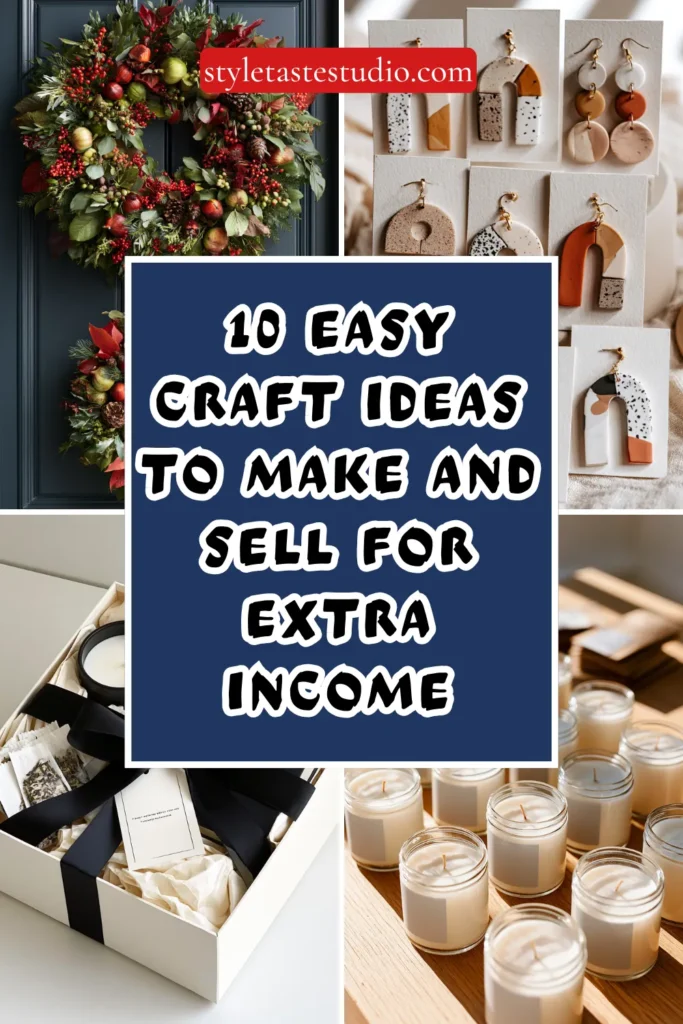
The most successful handmade products share a few characteristics: they’re inexpensive to make, easy to reproduce, lightweight to ship, and solve a specific need or desire. Buyers rarely search for “random handmade items.” They search for gifts, home decor, organization solutions, seasonal decorations, and personalized products.
If you’re looking to start a small side hustle, these crafts require relatively low startup costs while offering healthy profit margins and room to scale production as demand grows.
1. Personalized Wooden Signs
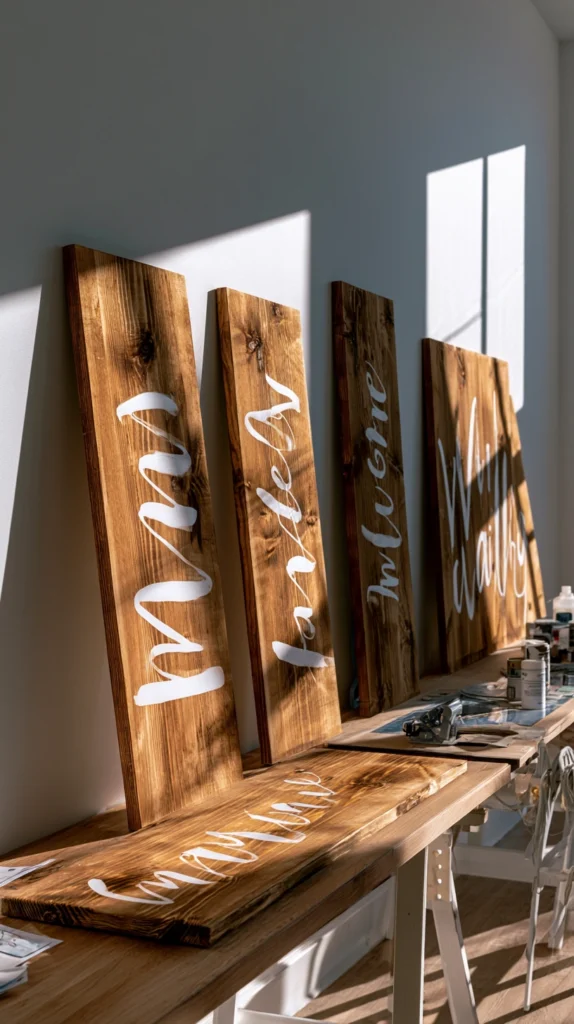
Custom wooden signs remain one of the most consistently profitable handmade products because people buy them for weddings, housewarmings, nurseries, and seasonal decorating.
Start with pre-cut pine boards measuring 12 x 18 inches or 18 x 24 inches. Sand the surface smooth, apply stain or paint, and add lettering using vinyl stencils, paint pens, or a cutting machine such as Cricut.
Popular designs include:
- Family names
- Farmhouse quotes
- Welcome signs
- Nursery names
- Seasonal messages
Material Cost:
- $8–$15 per sign
Typical Selling Price:
- $30–$80
Profit Potential:
- $20–$60 per piece
Tip: Offer customization. Personalized products often command significantly higher prices than generic designs.
2. Soy Wax Candles
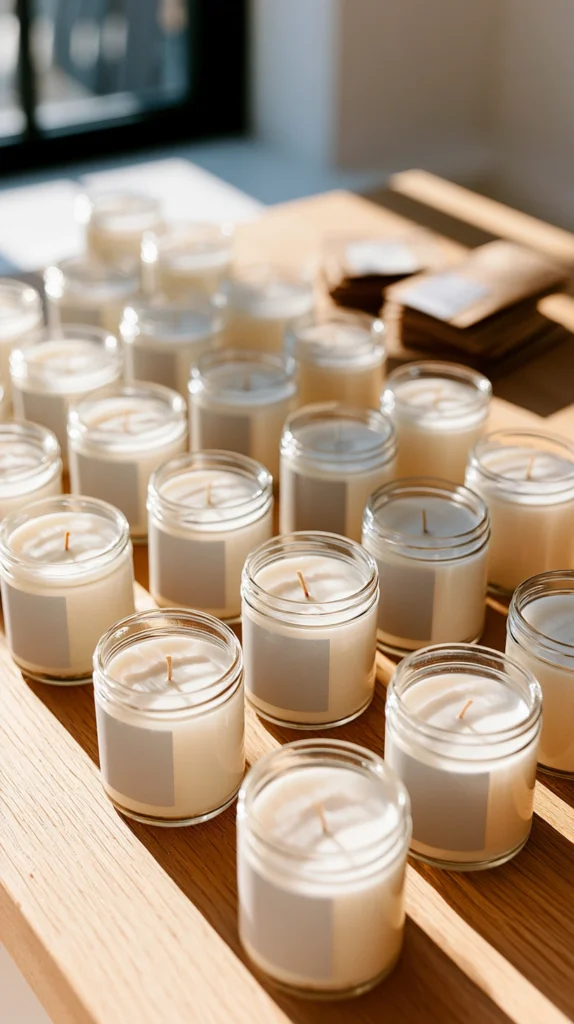
Hand-poured candles are one of the easiest crafts to scale because the production process can be repeated in batches.
Use:
- Soy wax flakes
- Cotton wicks
- Fragrance oils
- Reusable glass jars
A standard 8-ounce candle typically requires about 0.5 pounds of wax and can be made in less than 15 minutes of active work time.
Popular scents include:
- Vanilla Bean
- Lavender
- Fresh Linen
- Cedarwood
- Pumpkin Spice
Material Cost:
- $3–$6
Typical Selling Price:
- $15–$28
Profit Potential:
- $10–$22 each
Tip: Simple, attractive labels often sell better than overly complicated packaging.
3. Resin Coasters
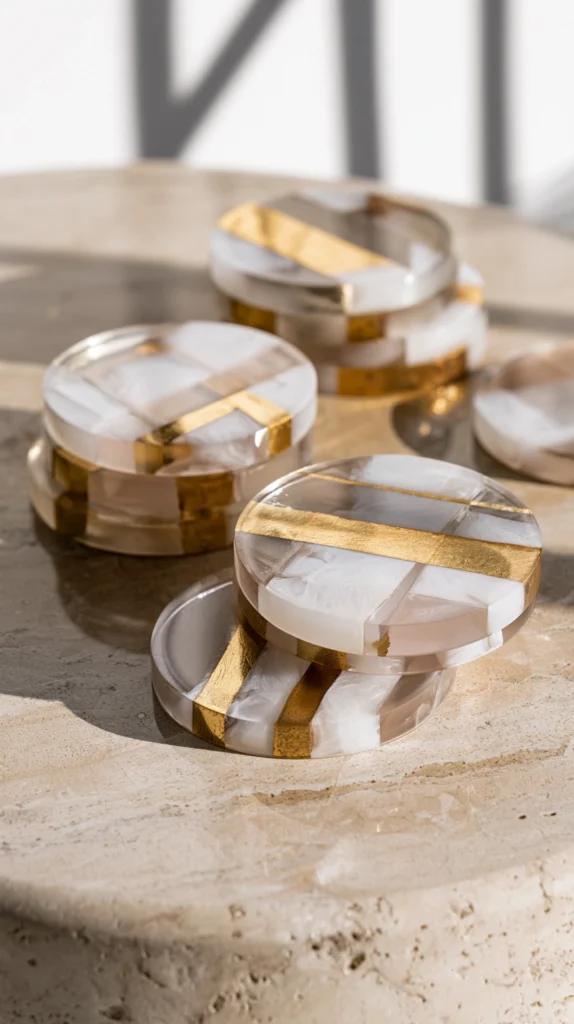
Resin coasters appeal to buyers because they look expensive while remaining relatively affordable to produce.
Create designs using:
- Dried flowers
- Metallic flakes
- Alcohol inks
- Marble effects
- Beach-inspired themes
Most silicone coaster molds produce sets of four and can be reused hundreds of times.
Material Cost:
- $4–$8 per set
Typical Selling Price:
- $20–$40
Profit Potential:
- $12–$32 per set
Tip: Photograph coasters in natural light. Resin products sell heavily based on visual appeal.
4. Handmade Earrings
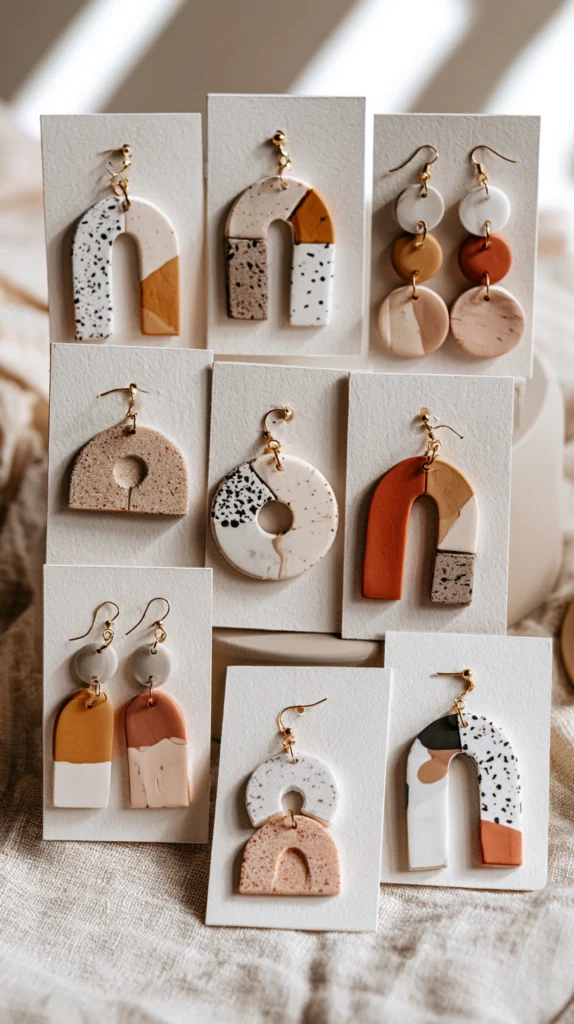
Jewelry consistently ranks among the easiest products to sell online because it is lightweight, inexpensive to ship, and appeals to repeat buyers.
Popular materials include:
- Polymer clay
- Faux leather
- Resin
- Wood
- Acrylic blanks
A pair of polymer clay earrings can often be produced in less than 20 minutes once your process is established.
Material Cost:
- $1–$3 per pair
Typical Selling Price:
- $12–$35
Profit Potential:
- $10–$30 per pair
Tip: Focus on a recognizable style rather than making completely different designs every time.
5. Decorative Throw Pillow Covers
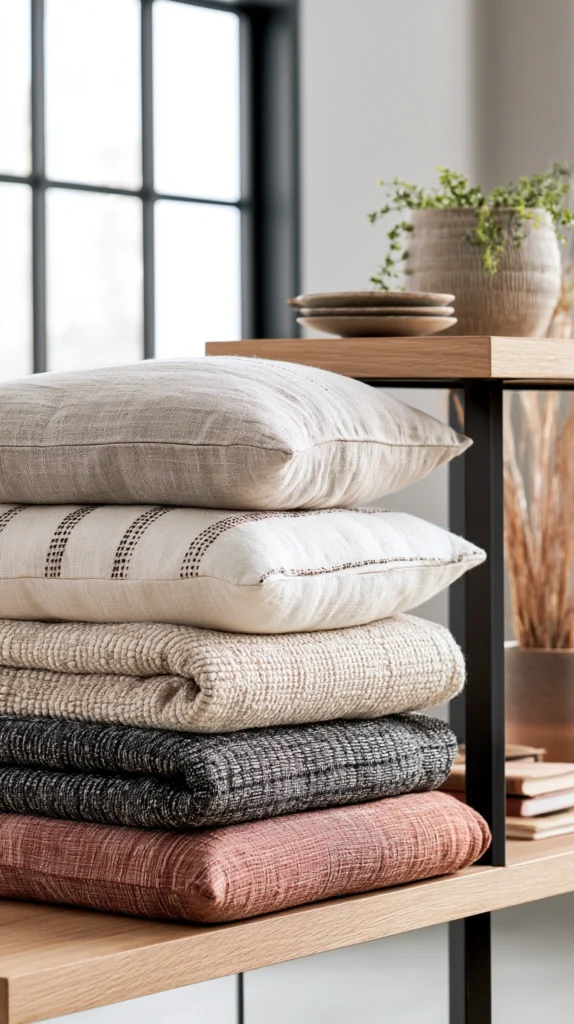
Home decor remains one of the strongest handmade categories.
Instead of selling complete pillows, sell zippered pillow covers. They are:
- Less expensive to ship
- Easier to store
- More profitable
Standard sizes include:
- 18 x 18 inches
- 20 x 20 inches
- 22 x 22 inches
Popular fabrics include linen-look canvas, cotton, and textured neutrals.
Material Cost:
- $5–$12
Typical Selling Price:
- $25–$50
Profit Potential:
- $15–$38 each
Tip: Seasonal collections often generate repeat customers throughout the year.
6. Customized Tumblers
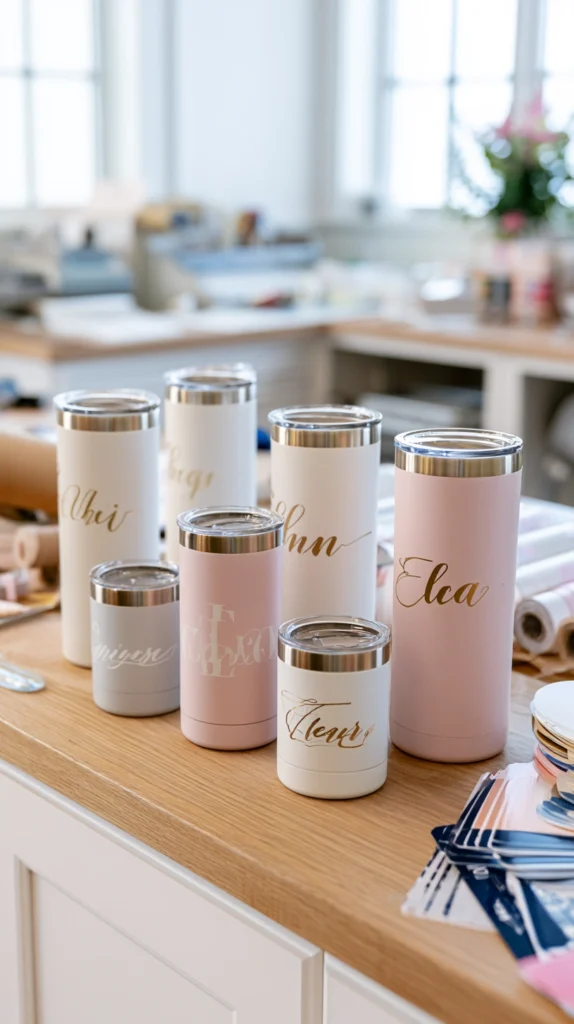
Personalized tumblers remain popular for gifts, teachers, bridesmaids, sports teams, and small business branding.
Purchase blank stainless steel tumblers and customize them using:
- Permanent vinyl
- UV DTF decals
- Laser engraving
- Sublimation printing
Twenty-ounce tumblers tend to offer the best balance between cost and customer demand.
Material Cost:
- $8–$15
Typical Selling Price:
- $25–$45
Profit Potential:
- $15–$30 each
Tip: Offer name customization as a standard option rather than an add-on.
7. Handmade Soap Bars
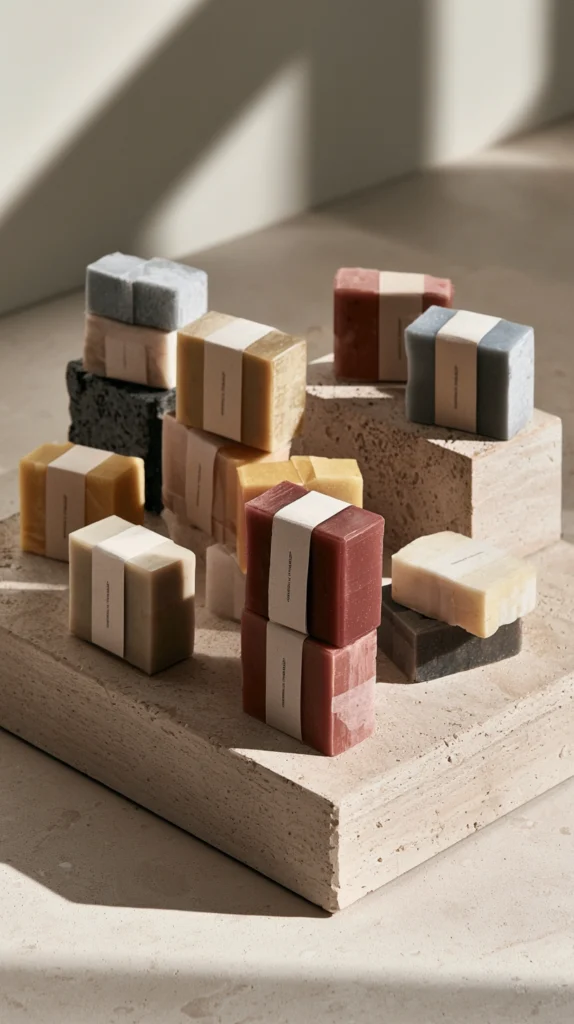
Artisan soap combines practicality with gift appeal.
Basic ingredients include:
- Melt-and-pour soap base
- Essential oils
- Natural colorants
- Botanical additives
Popular varieties include:
- Oatmeal Honey
- Lavender
- Activated Charcoal
- Goat Milk
- Citrus Mint
Material Cost:
- $1–$2 per bar
Typical Selling Price:
- $5–$12
Profit Potential:
- $4–$10 per bar
Tip: Sell soaps in gift bundles to increase average order value.
8. Seasonal Wreaths
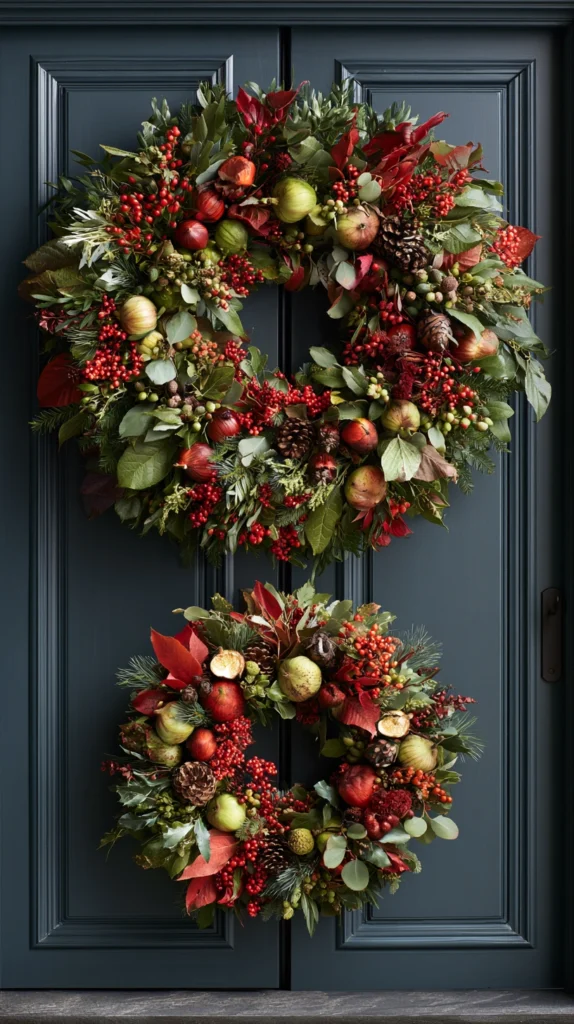
Wreaths command higher selling prices than many beginner crafts because buyers view them as statement decor pieces.
Popular themes include:
- Spring florals
- Summer greenery
- Autumn harvest
- Christmas evergreens
An 18-inch grapevine wreath base provides a versatile foundation for multiple designs.
Material Cost:
- $15–$35
Typical Selling Price:
- $50–$120
Profit Potential:
- $30–$85 each
Tip: Photograph wreaths hanging on a door so customers can visualize scale.
9. Digital Printable Wall Art
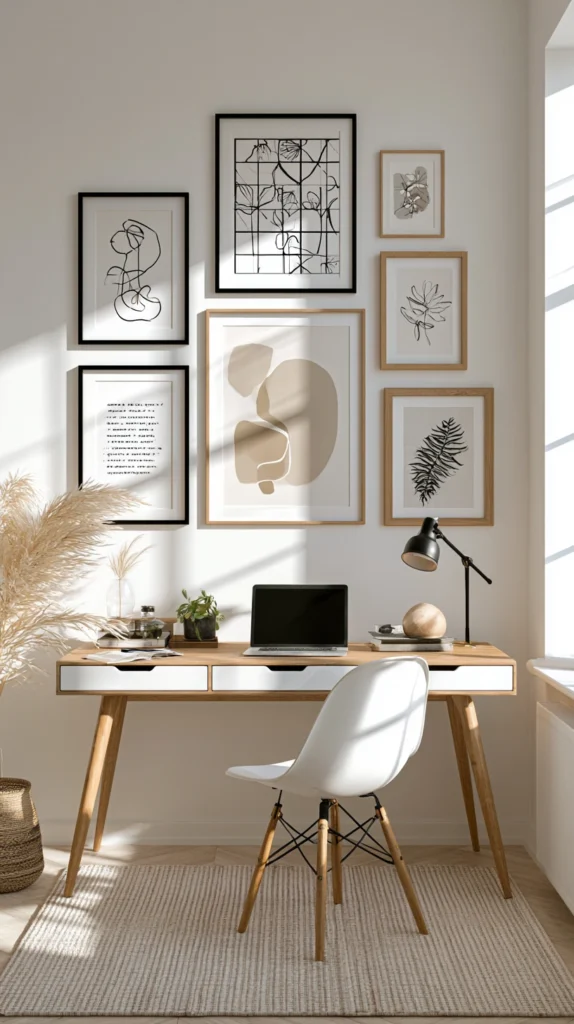
While technically not a physical craft, printable wall art offers some of the highest profit margins available.
Create designs such as:
- Inspirational quotes
- Nursery prints
- Botanical artwork
- Minimalist line drawings
- Seasonal decor
Once created, digital files can be sold repeatedly without additional production costs.
Startup Cost:
- Design software subscription
Typical Selling Price:
- $5–$25
Profit Potential:
- Nearly 100% after creation
Tip: Offer multiple size ratios so customers can print at various frame sizes.
10. Personalized Gift Boxes
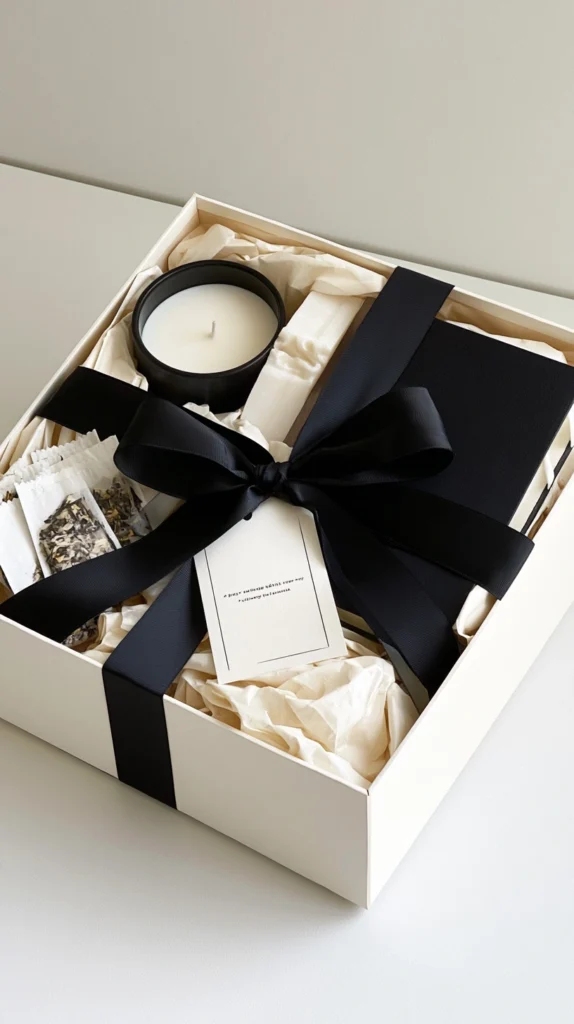
Instead of selling individual products, combine multiple crafts into a curated gift box.
Examples include:
- Self-care boxes
- New homeowner gifts
- Bridal gifts
- Teacher appreciation gifts
- Holiday gift sets
A self-care box might include:
- Candle
- Soap
- Lip balm
- Small notebook
- Tea packets
Material Cost:
- $15–$30
Typical Selling Price:
- $45–$90
Profit Potential:
- $25–$60 per box
Tip: Bundles often increase profits because customers focus on the overall experience rather than individual item prices.
How to Choose the Right Craft to Sell
Before investing money into supplies, ask three questions:
- Can I make it consistently?
- Can I make multiple units quickly?
- Is there demand for it year-round?
The best craft businesses rarely start with dozens of products. They usually start with one product made exceptionally well and gradually expand based on customer demand.
Final Thoughts
Making extra income from crafts doesn’t require a professional studio or thousands of dollars in equipment. Many successful sellers begin with a small workspace, a limited product line, and a focus on quality. Start with one craft that matches your skills, calculate your true costs carefully, and prioritize products that are easy to reproduce. Consistency, good photography, and excellent customer service often matter just as much as the craft itself when turning a hobby into a profitable side business.