14 Raised Bed Vegetable Garden Ideas for Beginners
Raised bed vegetable gardens represent the ideal starting point for beginning gardeners, where contained growing spaces provide manageable scale, improved drainage, easier pest management, and the kind of approachable gardening experience encouraging continued cultivation despite initial challenges.
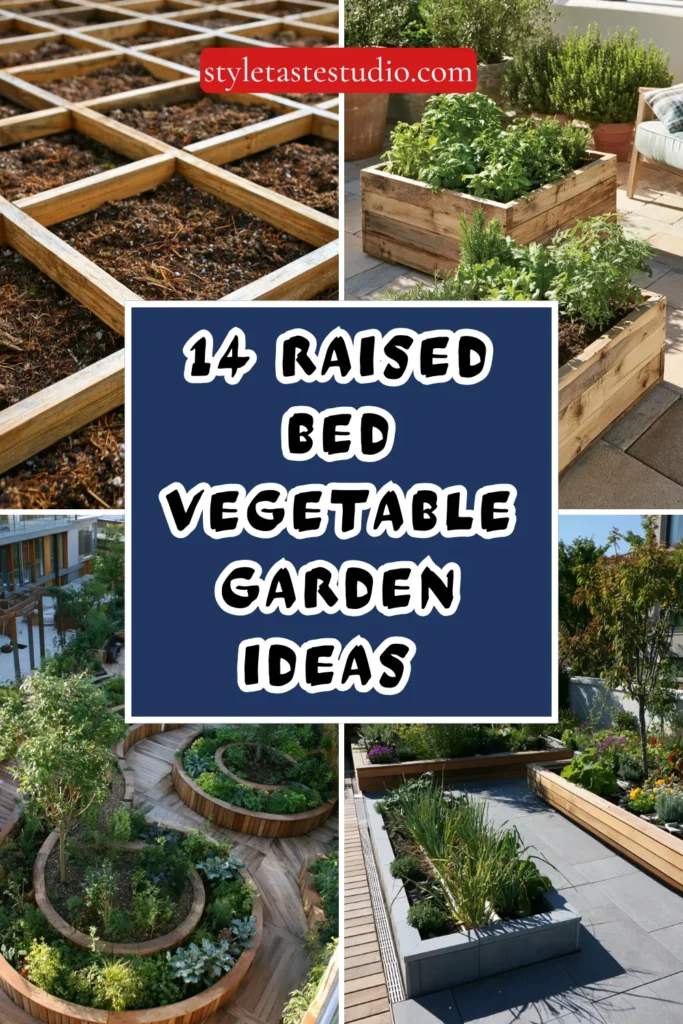
These defined planting areas eliminate intimidating large-scale gardening while providing adequate space, producing meaningful vegetable quantities supporting household cooking.
Strategic raised bed design incorporating appropriate dimensions ensuring comfortable access, quality soil creating optimal growing conditions, and thoughtful vegetable selection matching beginner skill levels creates successful growing experiences, building confidence and horticultural knowledge.
Understanding which vegetables suit beginner cultivation, how to design beds supporting actual use rather than remaining abandoned projects, and what constitutes adequate preparation, ensures thriving plants and ensures garden investments deliver satisfying harvests.
These fourteen raised bed ideas demonstrate practical approaches from structural designs through vegetable selections, each proving that thoughtfully planned raised beds create successful beginner gardening experiences.
1. Standard Four-by-Eight Foot Rectangle Providing Optimal Access
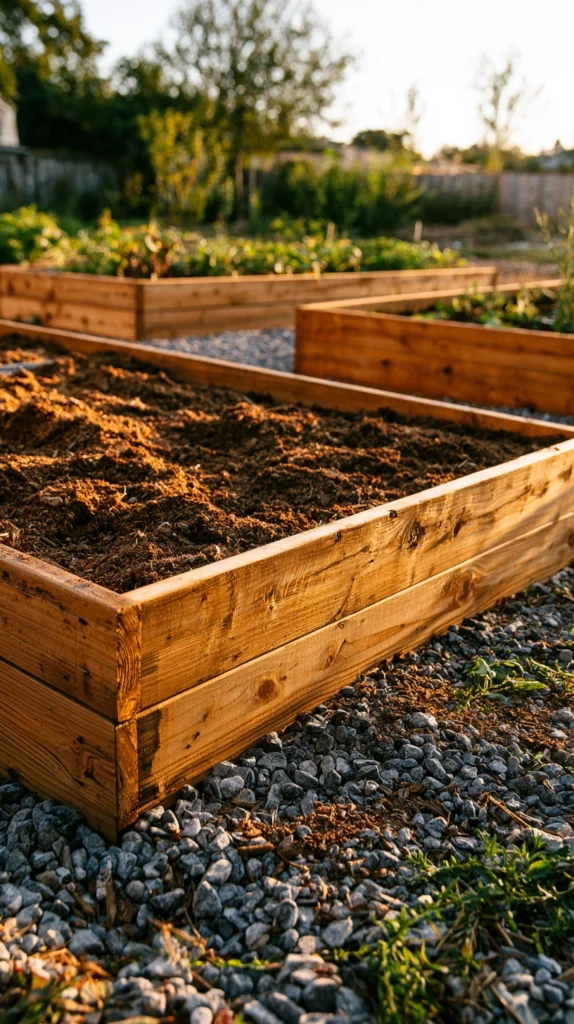
Construct standard rectangular beds measuring four by eight feet, providing ideal proportions allowing comfortable access from both sides without excessive stretching into bed centers. Build from quality lumber or composite materials, fill with appropriate soil depth, typically twelve to eighteen inches, and position where adequate sunlight reaches plants.
The standard dimensions accommodate varied vegetables. The accessible width prevents overreaching. The adequate length supports substantial productivity. The proven proportions work reliably.
2. Tiered Multiple-Level Beds Creating Visual Interest
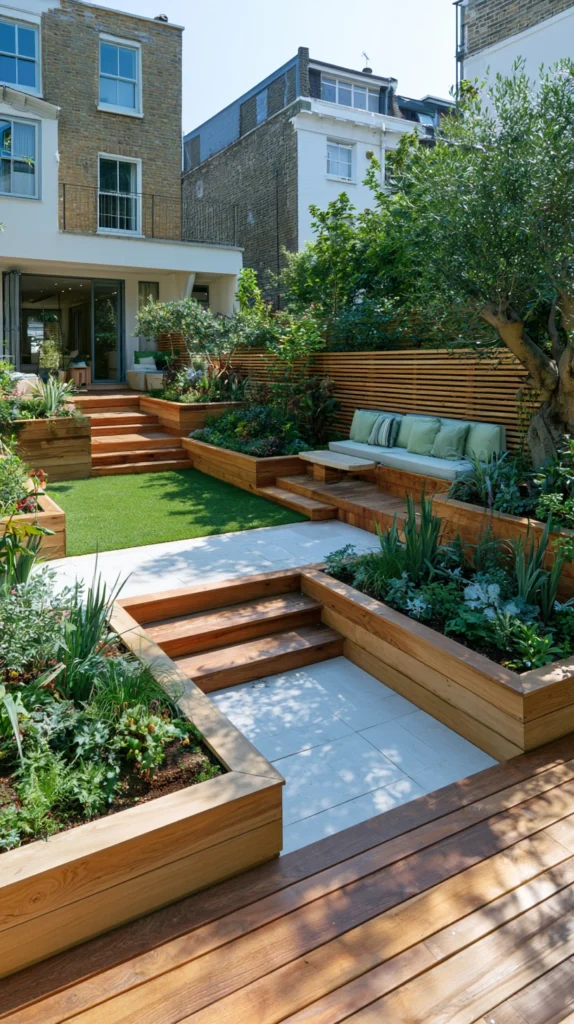
Design raised beds at varied heights, creating the kind of tiered installations, adding visual interest while accommodating different plant heights and improving overall accessibility. Stack beds at different elevations using varied lumber heights, position taller plantings in back, creating visual progression, and appreciate how elevation variation prevents shadowing.
The tiered design adds architectural interest. The varied heights accommodate different plants. The progressive arrangement improves visibility. The dimensional design enhances garden aesthetics.
3. Keyhole or Spiral Shaped Beds Maximizing Space Efficiency
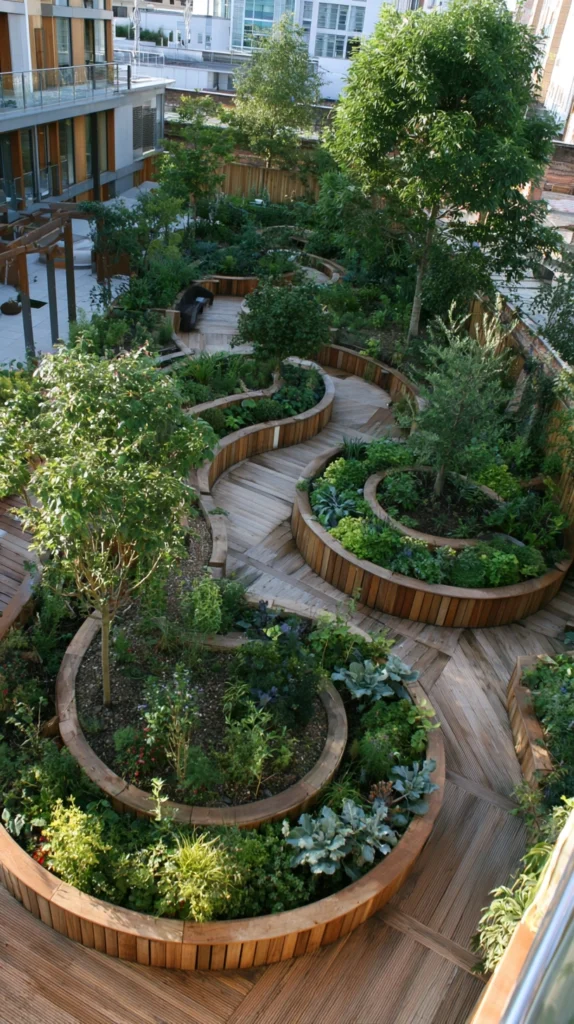
Construct innovative shapes including keyhole or spiral designs maximizing planting space within compact footprints while creating distinctive visual character. Design efficient shapes allowing access throughout entire planting area, utilize space previously considered unusable, and appreciate how creative shapes encourage experimentation.
The innovative shapes maximize productivity. The distinctive design creates visual interest. The efficient layout accommodates more plants. The creative approach prevents boredom.
4. Beginner-Friendly Tomato and Pepper Focused Beds
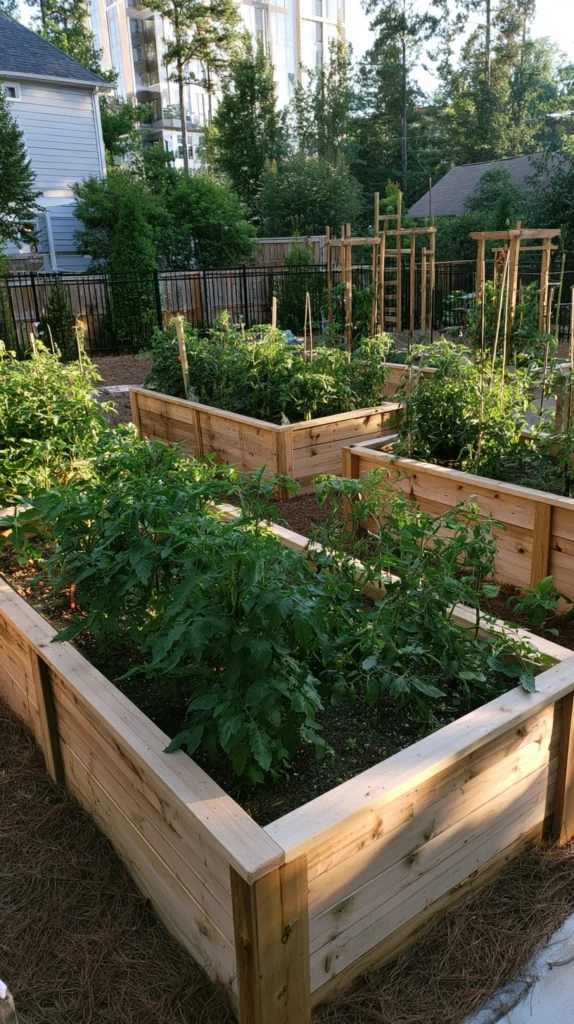
Design beds specifically for productive summer vegetables including tomatoes and peppers, providing satisfying harvests rewarding beginning gardeners. Plant two to three tomato varieties allowing comparison, include multiple pepper plants, and provide sturdy support structures ensuring proper growth.
The productive vegetables encourage continued gardening. The familiar crops motivate effort. The visible harvests reward investment. The successful crops build confidence.
5. Salad and Greens Quick-Harvest Beds
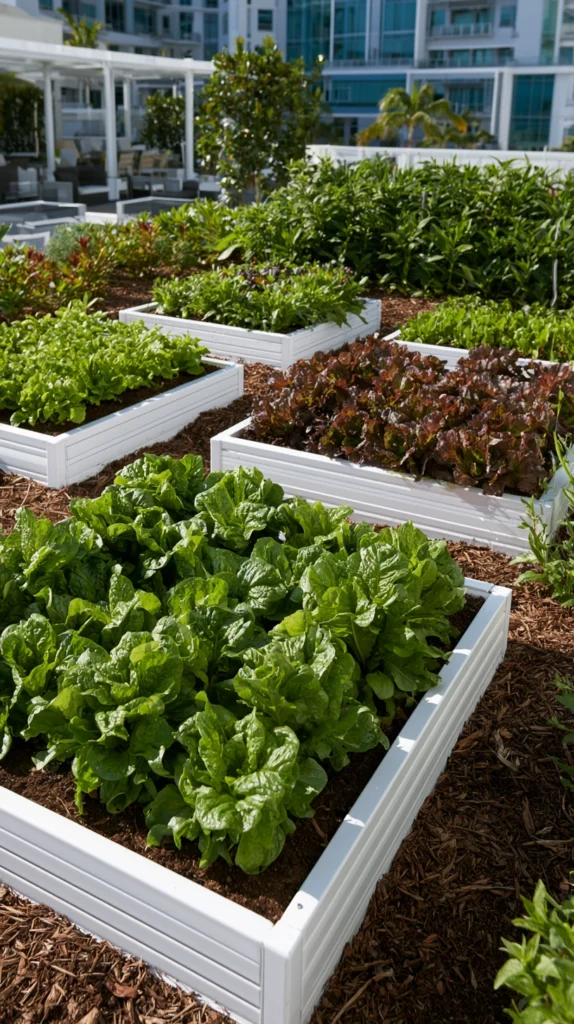
Establish quick-growing vegetable beds producing continuous salad materials within weeks, encouraging regular harvesting and early success. Plant lettuce, spinach, arugula, and other greens in succession ensuring continuous availability, appreciate rapid growth cycles providing quick gratification, and recognize how tender greens reward frequent harvesting.
The quick harvests encourage continued attention. The continuous availability supports regular use. The easy cultivation builds confidence. The satisfying yields motivate continued gardening.
6. Container Beds for Limited Space Gardening
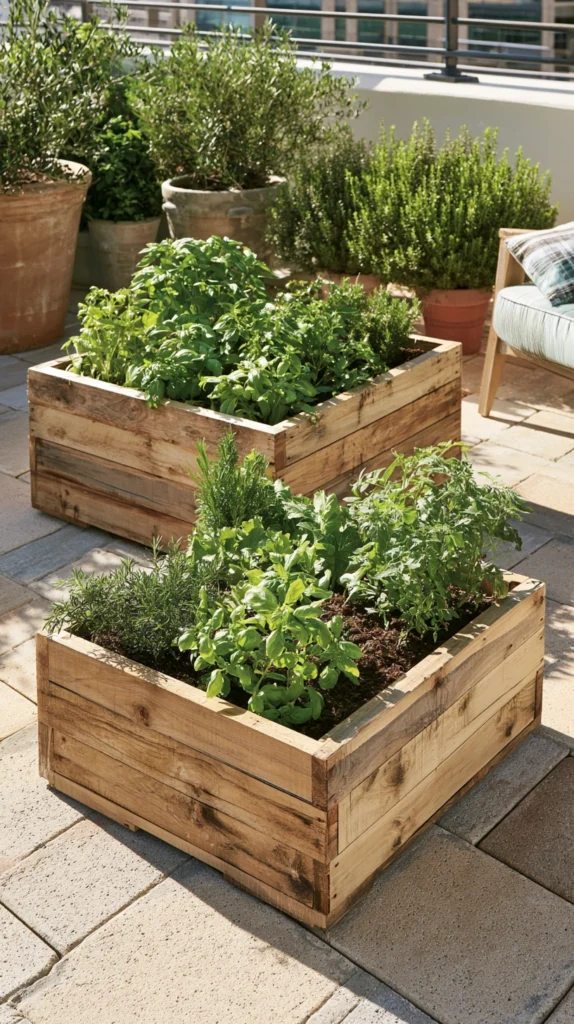
Utilize large containers or fabric beds accommodating gardening in limited spaces, including patios or small yards. Choose containers at least eighteen inches deep, use quality potting soil, and position them where adequate sunlight reaches plants.
The portable containers enable flexible placement. The limited scale accommodates beginners. The contained approach manages soil quality. The space efficiency suits limited areas.
7. Square Foot Garden Grid System Simplifying Planning
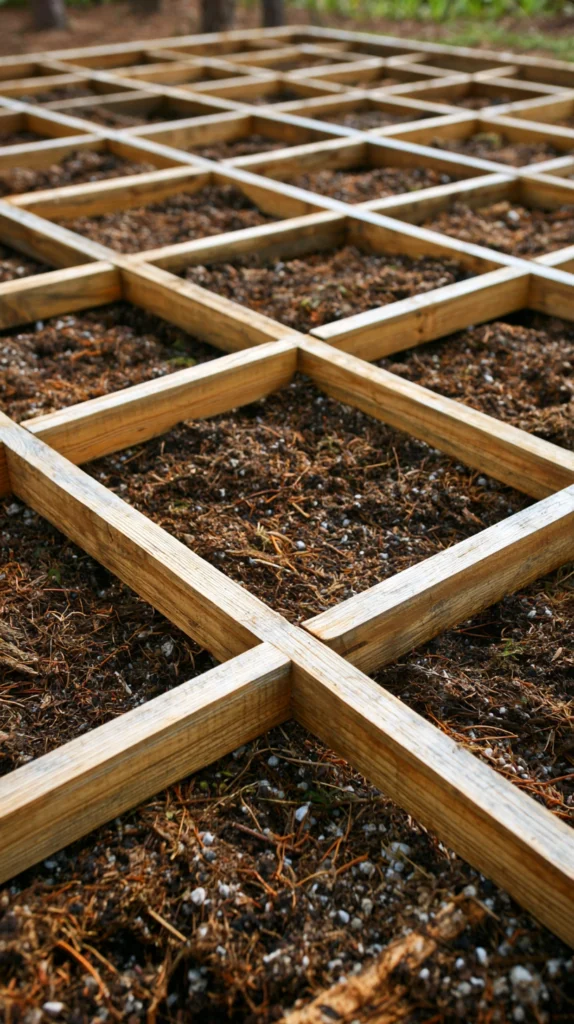
Implement square-foot garden methodology using grid systems, dividing beds into manageable sections, each accommodating one vegetable type. Construct four-by-four-foot beds divided into sixteen square-foot sections, plant one vegetable type per section, and appreciate how simple planning prevents overwhelming complexity.
The grid system simplifies planning. The organized approach prevents confusion. The manageable sections prevent overplanting. The systematic approach suits beginners.
8. Herb and Vegetable Combination Beds Creating Variety
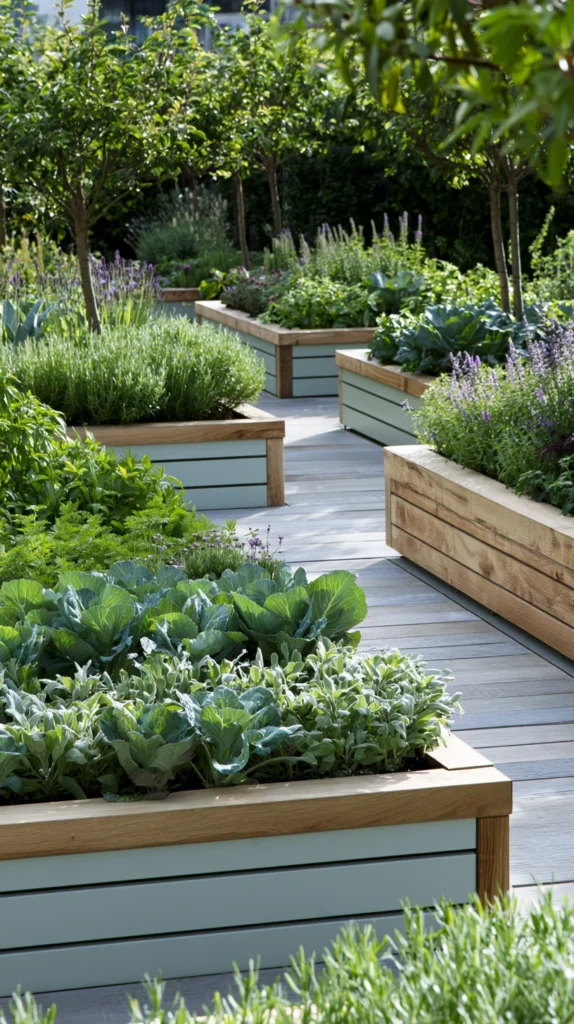
Design beds combining vegetables with culinary herbs creating polyculture gardens supporting varied harvests and encouraging kitchen use. Plant basil near tomatoes, include oregano and thyme throughout, and appreciate how herb combinations enhance vegetable cooking.
The diverse plantings create interest. The herb availability encourages cooking. The complementary combinations support plant health. The varied harvests prevent monotony.
9. Root Vegetable Focused Beds With Deeper Soil
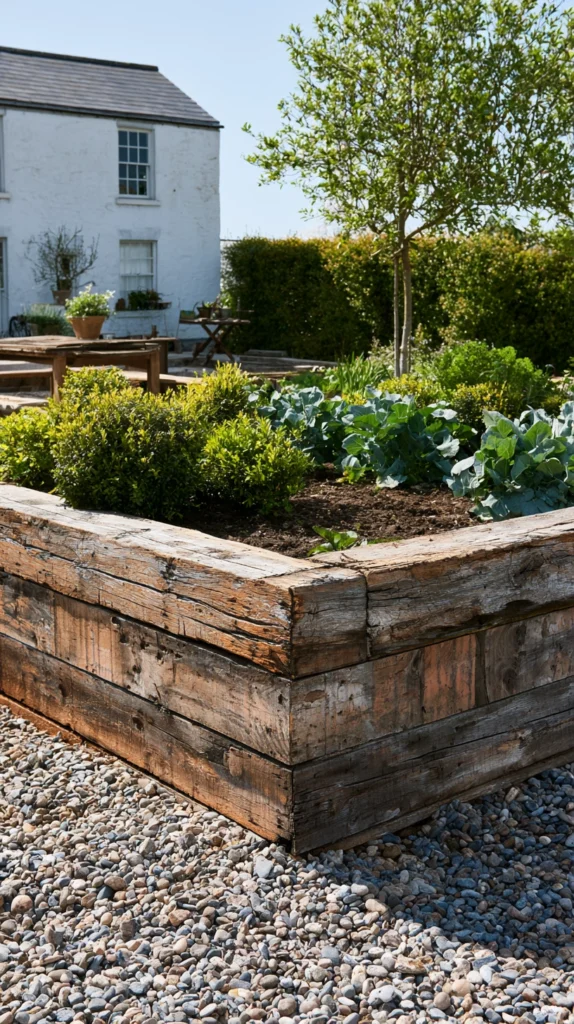
Establish beds specifically for root vegetables including carrots, beets, and potatoes requiring adequate soil depth accommodating root development. Provide eighteen to twenty-four inches soil depth, use quality loose soil preventing compaction, and allow adequate spacing preventing crowding.
The deeper beds accommodate root crops. The quality soil supports healthy development. The adequate spacing prevents competition. The focused approach ensures crop success.
10. Beginner-Friendly Bean and Pea Beds Supporting Growth
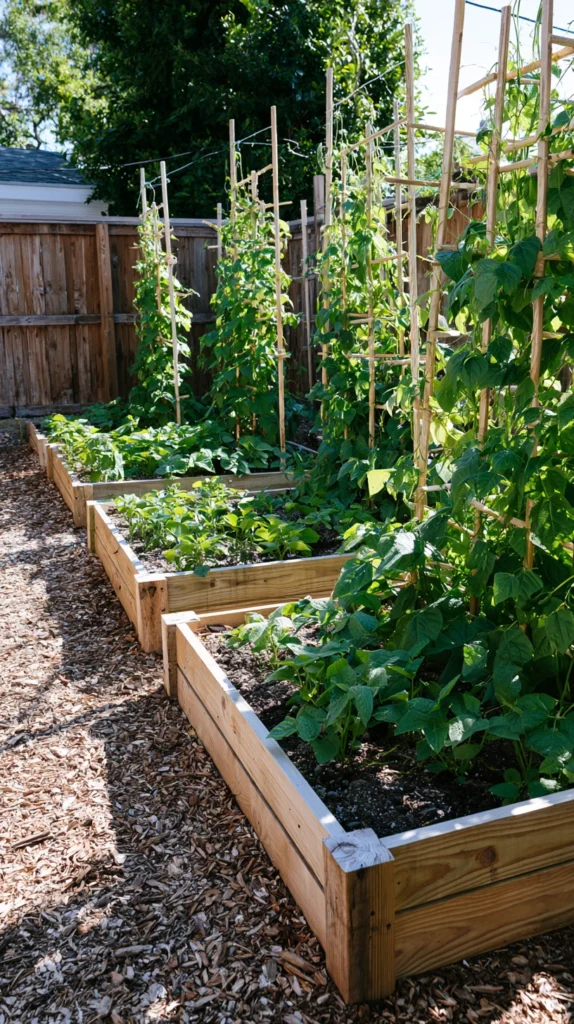
Plant nitrogen-fixing legumes including beans and peas improving soil while providing productive crops encouraging continued gardening. Plant multiple varieties allowing comparison, utilize vertical supports for climbing varieties, and appreciate how legumes enhance subsequent plantings.
The nitrogen fixation improves soil. The productive crops reward effort. The varied varieties encourage experimentation. The simple cultivation builds confidence.
11. Cold Frame Covered Beds Extending Growing Season
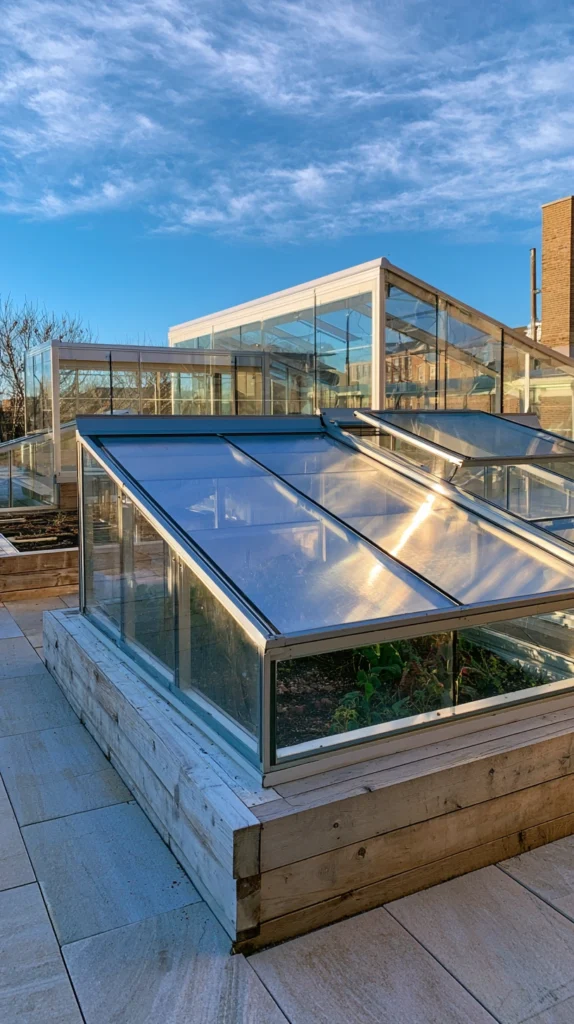
Construct covered beds using cold frames or low tunnels extending growing seasons accommodating earlier spring and later fall plantings. Build cold frames using clear materials allowing light penetration, provide adequate ventilation preventing excessive heat, and utilize extended seasons maximizing productivity.
The extended season increases productivity. The temperature protection supports tender plants. The covered design accommodates varied weather. The seasonal extension enables year-round gardening.
12. Pollinator-Friendly Beds Including Flowers
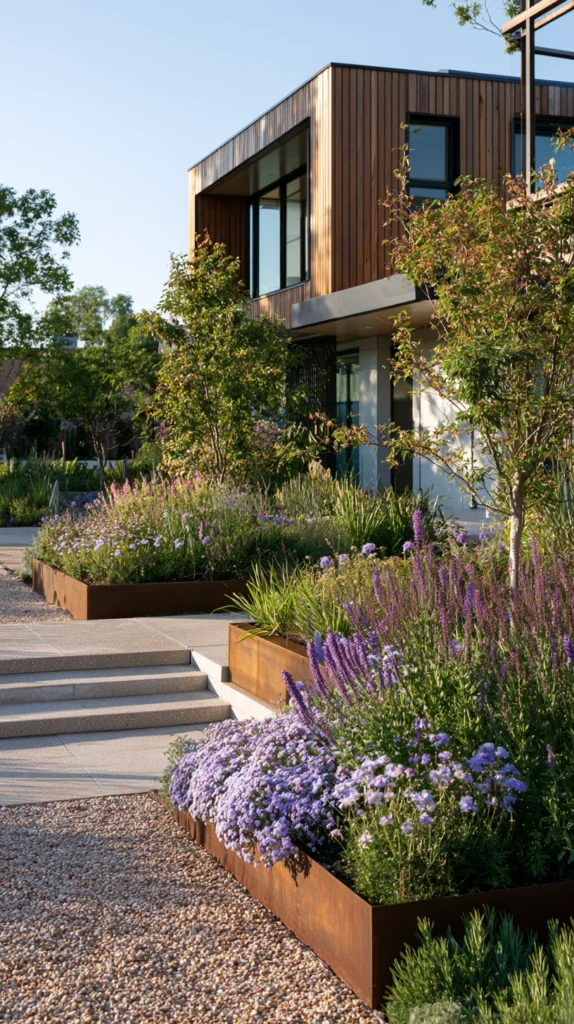
Design beds incorporating flowering plants supporting pollinator attraction while providing a vegetable-friendly ecosystem. Plant zinnias, marigolds, and other flowers among vegetables, appreciate how flowers attract beneficial insects, and recognize ecosystem benefits supporting overall garden health.
The flowers attract pollinators. The beneficial insects improve vegetable production. The colorful additions create visual beauty. The ecological approach supports sustainable gardening.
13. Self-Watering Raised Beds: Reducing Maintenance
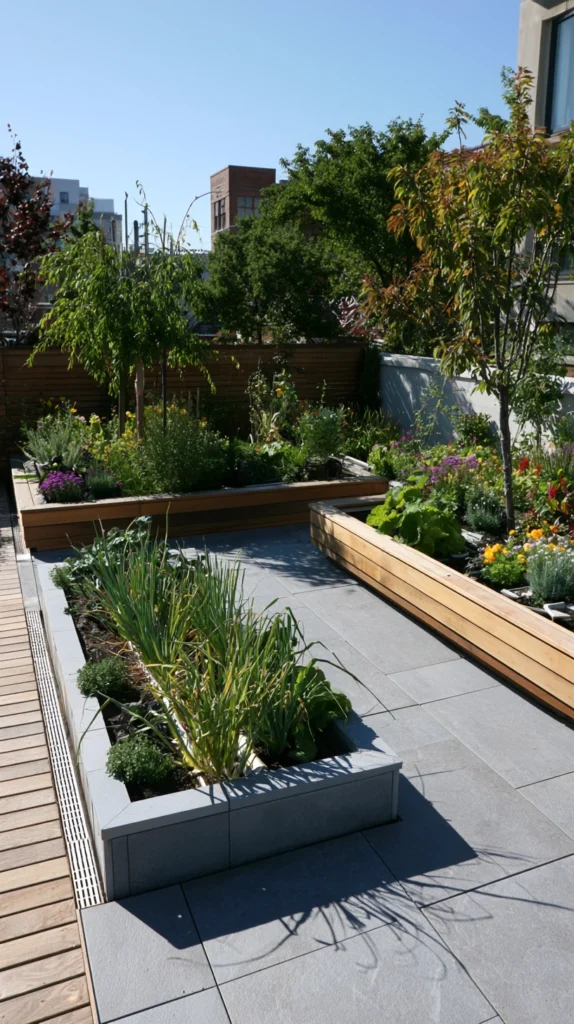
Install self-watering systems or wicking beds, reducing daily watering requirements, enabling consistent moisture management, and supporting plant health. Design drainage systems collecting water for plant access, utilize capillary action to deliver moisture, and appreciate how consistent moisture prevents stress.
The automated watering reduces daily labor. The consistent moisture supports plant health. The efficient approach conserves water. The reduced maintenance encourages continuation.
14. Seasonal Rotation Plan Maximizing Productivity
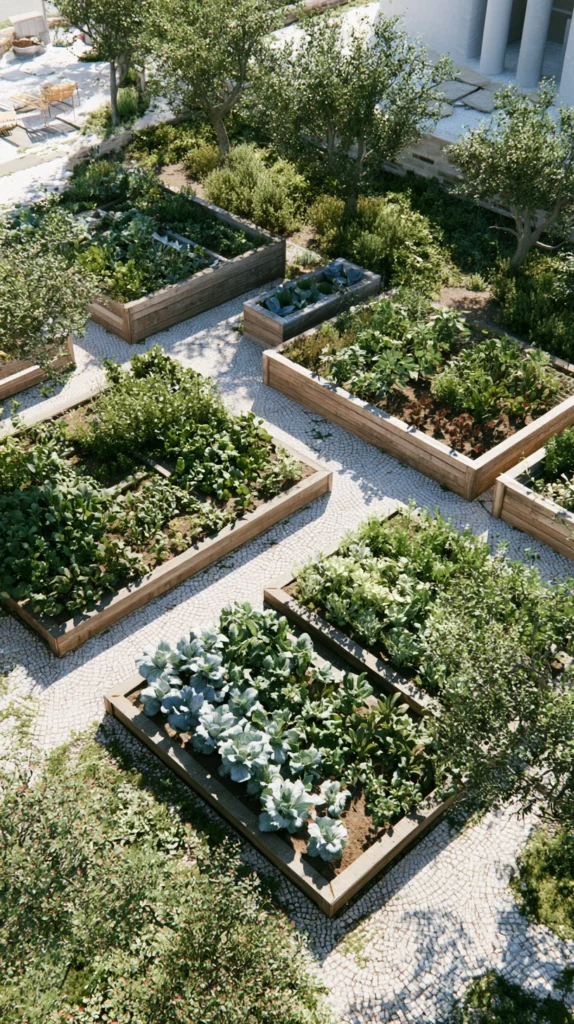
Implement crop rotation planning, planting cool-season crops in spring and fall, with warm-season varieties in summer, maximizing annual productivity. Plan three planting seasons utilizing beds year-round, rotate crop families, preventing soil depletion, and appreciate how continuous planning maintains engagement.
The seasonal rotation increases productivity. The continuous planning maintains interest. The varied crops prevent boredom. The year-round approach maximizes investment value.
Successfully establishing beginner raised bed gardens requires realistic sizing, avoiding overwhelming projects abandoned through excessive ambition, quality soil investment, establishing optimal growing conditions, and appropriate vegetable selection matching skill levels, preventing discouragement through failed crops. Start small, adding beds as confidence increases. Invest in quality soil supporting plant health.
Choose proven beginner vegetables, ensuring success. Water consistently supports plant development. Observe growing conditions, learning from experience. Most importantly, recognize that successfully raised bed gardens build gardening confidence, encouraging continued cultivation, proving that thoughtfully designed, manageable gardens.
It creates satisfying harvests and genuine enjoyment, establishing that beginning gardeners succeed through realistic planning, quality preparation, and appropriate expectations creating the kind of rewarding growing experiences that inspire continued horticultural engagement, transforming initial experiments into lasting gardening practices, enriching homes through fresh homegrown vegetables and genuine connection to food production.