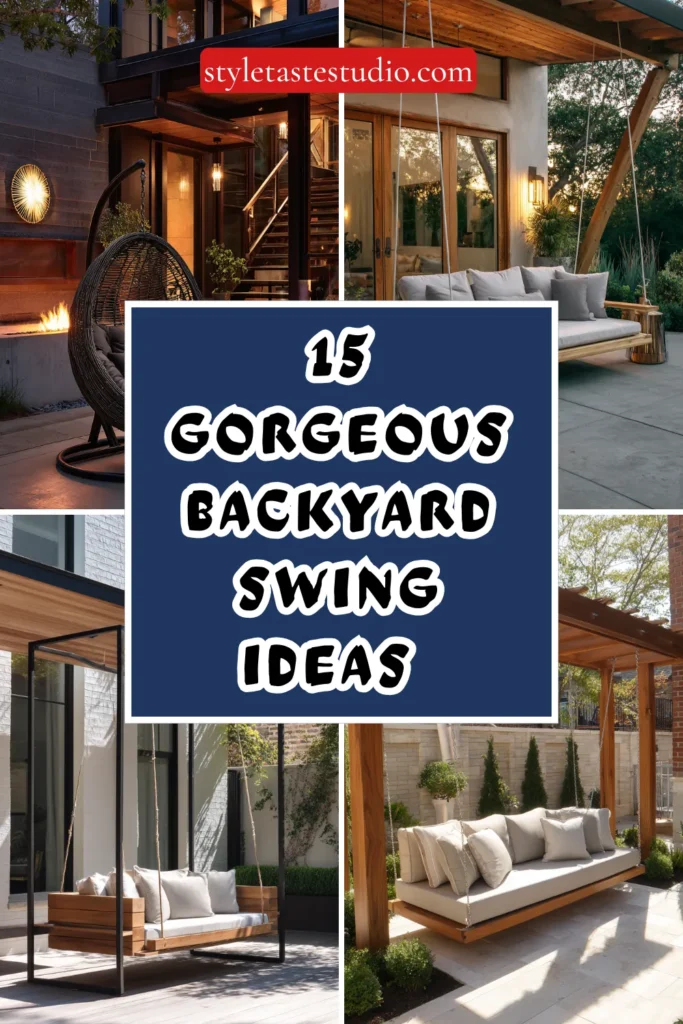
15 Gorgeous Backyard Swing Ideas That Make Every Backyard Feel Cozy
My backyard had a single plastic chair that nobody ever chose to sit in. Perfectly functional, completely uninviting. It sat empty through an entire summer.
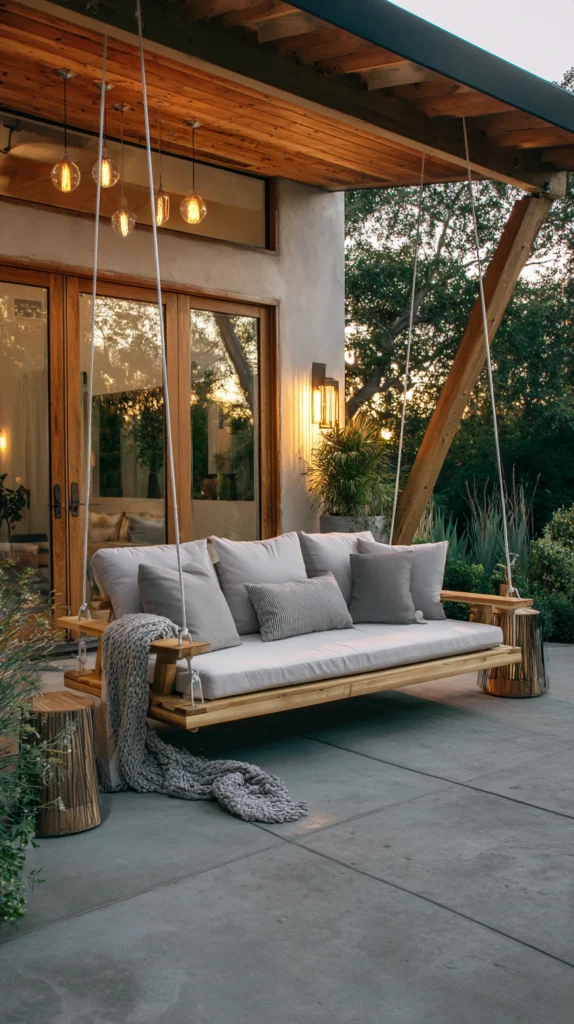
I replaced it with a simple wooden porch swing, hung from a freestanding frame in the corner of the patio. That single change did something the chair never managed: people actually walked over and sat down.
There is something about a swing specifically, the gentle motion, the sense of unhurried time, that makes an outdoor space feel like an invitation rather than just furniture. It slows people down in a way a stationary chair never quite does.
A backyard swing does not need to be elaborate or expensive to deliver that feeling. Here are 15 ideas that bring genuine coziness to any outdoor space, whether that means a full porch swing or a simple rope hammock strung between two trees.
Why Most Backyard Swings Feel Like an Afterthought
The common mistakes:
The mismatched, purely functional swing:
- A swing purchased purely for function, with no consideration of how it fits the yard’s overall style
- Bright, mismatched colors clashing with the rest of the outdoor decor
- A swing that feels bolted on rather than genuinely belonging to the space
- Function without any attention to how the piece actually looks and feels
The awkward, unconsidered placement:
- A swing positioned wherever there happened to be open space
- No view, no shade, no sense of why that particular spot was chosen
- A missed opportunity to place the swing somewhere it genuinely earns its spot
- Placement treated as an afterthought rather than a deliberate design decision
The unstyled, bare swing:
- A swing with no cushions, pillows, or throw blanket
- Hard, uncomfortable seating that discourages actually lingering
- Missing the layered textile comfort that makes a swing genuinely inviting
- A swing that looks more like storage than an invitation to sit down
What a successful backyard swing does:
Becomes a genuine destination within the yard:
- Positioned deliberately, taking advantage of shade, view, or a quiet corner
- Styled with cushions and textiles that make lingering genuinely comfortable
- Chosen in a style and material that fits the yard’s overall aesthetic
- The kind of spot someone walks toward on purpose, not just sits in when nothing else is available
My revelation: A swing’s placement and styling matter more than its price point. A simple, well-placed swing with the right cushions outperforms an expensive one dropped into a random corner of the yard.
1. The Classic Porch Swing on a Freestanding Frame
A traditional wood porch swing hung from a standalone A-frame stand — the most versatile swing option, since it requires no existing porch or overhead structure.
My missing porch problem:
What I had:
- No covered porch or existing overhead beam to hang a swing from
- A yard that seemed to rule out a traditional porch swing entirely
- Assumed this classic style required architecture I simply did not have
The freestanding frame discovery:
Why this option removes the biggest barrier to a porch swing:
- A standalone A-frame stand eliminates the need for any existing structure
- Portable enough to reposition if the yard’s layout changes over time
- Delivers the same classic, nostalgic swinging motion as a traditionally porch-hung swing
- Works in any open, relatively level section of the yard
Choosing the right frame and swing:
What to look for:
- A stand rated for the specific swing’s width and weight capacity
- Solid wood construction, cedar or teak, for durability and a classic look
- A swing seat depth allowing comfortable seating with cushions added
- Powder-coated metal frames for a more contemporary alternative to wood
Installation basics:
Getting it right:
- Assemble on a level, stable surface, ideally a patio or firm ground
- Confirm all connecting hardware is rated for outdoor use and properly tightened
- Allow adequate clearance on all sides for the swing’s full motion range
Cost:
- Freestanding swing frame: $150-400
- Wood porch swing: $150-500
- Total: $300-900
My freestanding porch swing: Installing a cedar A-frame stand with a matching swing in the corner of the patio gave the yard a genuine porch swing feel, despite having no actual porch to hang it from.
Freestanding Frame Tips
Confirm the ground beneath the frame is level and stable:
Installation foundation:
- An uneven surface causes the frame to rock or sit unevenly, undermining both comfort and safety
- A paver or concrete pad beneath the frame’s feet provides the most stable, long-term foundation
- Check level across the full frame footprint before finalizing the swing’s installation
- This step prevents the most common source of ongoing frustration with freestanding swing frames
Choose a frame width slightly wider than the swing itself:
Sizing for safe motion:
- A frame too narrow relative to the swing width limits safe swinging clearance
- Confirm the manufacturer’s recommended frame-to-swing width pairing before purchasing separately
- This detail affects both the swing’s motion range and its overall stability
- Purchasing a matched frame and swing set from the same product line avoids this sizing mismatch entirely
2. The Rope Hammock Between Two Trees
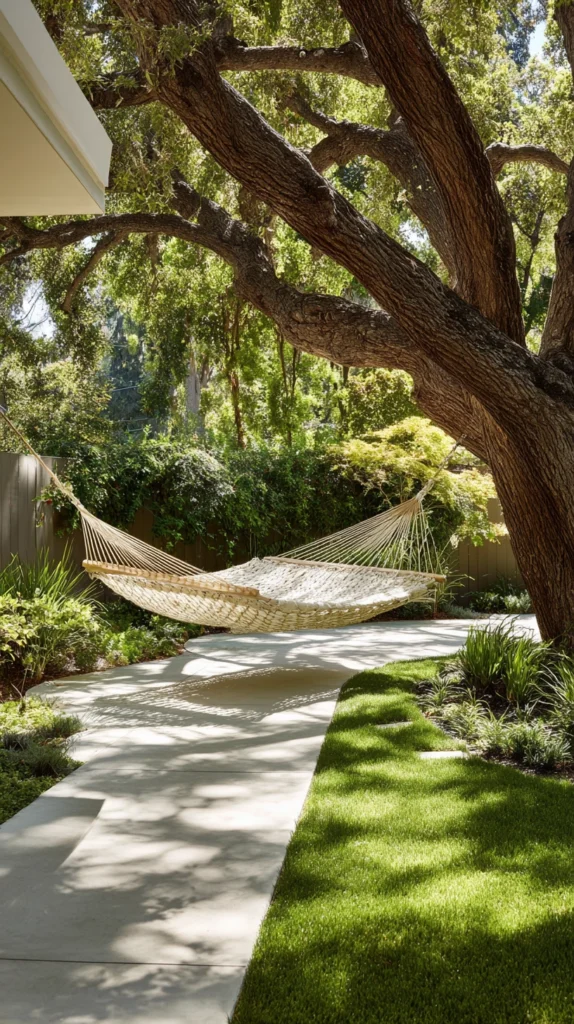
A classic woven rope or fabric hammock, strung between two established trees — the most naturalistic, budget-friendly swinging option available.
My unused tree canopy:
What I had not considered:
- Two mature trees positioned at a workable distance apart, doing nothing but providing shade
- A yard with genuine natural potential for a hammock going completely unused
- Assumed a proper swing required purchased hardware and structure, overlooking the trees themselves
The rope hammock discovery:
Why this remains one of the most beloved swinging options:
- Uses existing trees, requiring no additional structure or stand
- The most budget-friendly swing option available on this entire list
- A genuinely relaxing, gently swaying motion distinct from a traditional bench swing
- Naturally fits into a more relaxed, garden-style backyard aesthetic
Hanging the hammock properly:
Installation basics:
- Use tree-safe hammock straps rather than rope directly against bark, protecting the trees
- Confirm both trees are healthy and thick enough to safely support the hammock’s weight rating
- Hang with an appropriate sag, typically at a 30-degree angle from each anchor point
- Space trees at a distance matching the specific hammock’s recommended span
Choosing the right hammock:
Material and style options:
- Traditional woven rope hammock for a classic, textural look
- Fabric or canvas hammock for a smoother, more contemporary feel
- Hammock with a spreader bar for a flatter, easier-to-enter lay
- A hammock without a spreader bar for a more traditional, cocoon-like feel
Cost:
- Quality rope or fabric hammock: $60-200
- Tree-safe hanging straps: $15-30
- Total: $75-230
My tree hammock: Stringing a simple rope hammock between two established oaks, using proper tree-safe straps, cost under $150 total and remains the single most relaxing spot in the entire yard.
Rope Hammock Tips
Always use tree-safe straps rather than rope tied directly to bark:
Tree protection:
- Rope or chain tied directly against bark can girdle and seriously damage a tree over time
- Wide, flat tree-safe straps distribute pressure and avoid this damage
- This detail is essential for the long-term health of the trees being used
- A relatively small additional cost that protects a genuinely irreplaceable yard asset
Confirm both anchor trees are healthy and appropriately sized:
Safety verification:
- A hammock’s full weight and motion places genuine stress on its anchor points
- Both trees should show no signs of disease, significant lean, or root damage
- Trunk diameter should meet the hammock manufacturer’s minimum size recommendation
- This assessment should happen before any installation, since an unhealthy tree presents a genuine safety risk
3. The Daybed-Style Canopy Swing
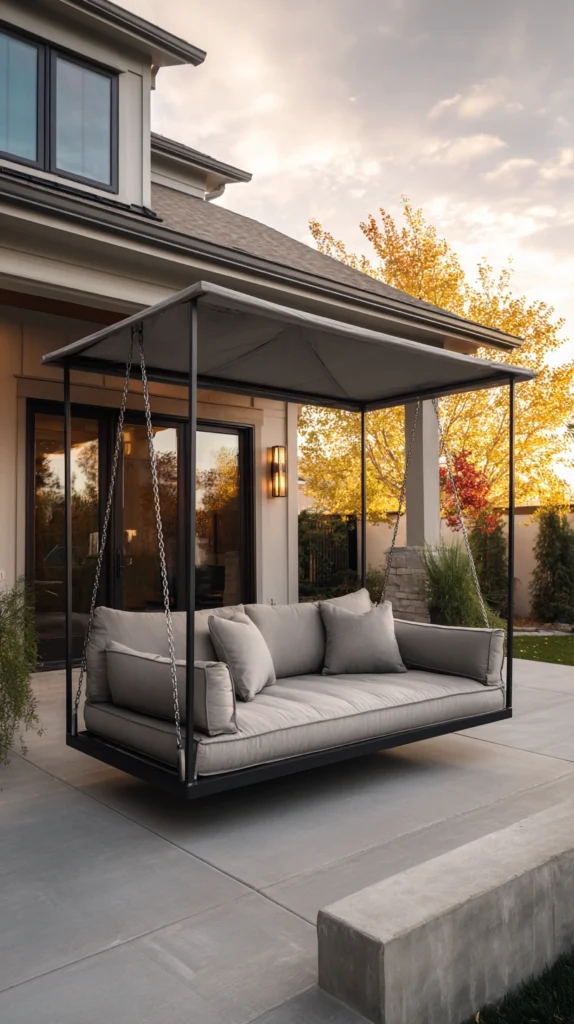
A large, cushioned platform swing with an attached fabric canopy — combining a bed-like lounging surface with overhead shade.
My missing lounging swing option:
What felt limited:
- Traditional bench-style swings offering only upright, seated positioning
- Wanted a genuine lounging option, closer to a daybed than a bench
- No overhead shade integrated into most standard swing options
The daybed canopy swing solution:
Why this style delivers a different kind of comfort:
- A wide, flat platform allows genuine lounging, not just upright seating
- The attached canopy provides built-in shade without needing a separate structure
- Often accommodates multiple people or a single person stretched out fully
- One of the most popular styles specifically for creating a genuinely restful backyard spot
Choosing the right canopy swing:
What to look for:
- A weight capacity matching intended use, whether solo lounging or multiple occupants
- UV-resistant canopy fabric that holds up to consistent sun exposure
- A sturdy metal frame rated for the platform’s full weight when occupied
- Adjustable canopy angle for controlling shade throughout the day
Placement considerations:
Getting the positioning right:
- A relatively open, level area with enough clearance for the swing’s full frame footprint
- Positioned to take advantage of any yard view or garden outlook
- Away from direct proximity to walkways, given the frame’s larger footprint
Cost:
- Daybed-style canopy swing: $300-900
My canopy daybed swing: Positioned in the sunniest corner of the yard, the built-in canopy means this swing stays comfortably shaded through the entire afternoon, and it has become the spot for genuine napping, not just sitting.
Canopy Swing Tips
Choose a canopy fabric rated for UV and water resistance specifically:
Material durability:
- Standard fabric canopies fade and degrade quickly under consistent sun exposure
- Look specifically for UV-rated, water-resistant fabric designed for extended outdoor use
- This detail significantly affects how long the canopy maintains both its function and appearance
- A canopy replacement is often available separately if the original eventually wears out
Anchor the frame securely, especially in areas prone to wind:
Stability consideration:
- The canopy’s surface area catches wind more than an open-frame swing without a canopy
- Ground anchors or additional weight at the frame’s base improve stability in windier conditions
- This consideration matters more for canopy swings than for simpler, uncovered swing styles
- Check the manufacturer’s specific wind rating and anchoring recommendations before installation
4. The Vintage Metal Glider Swing
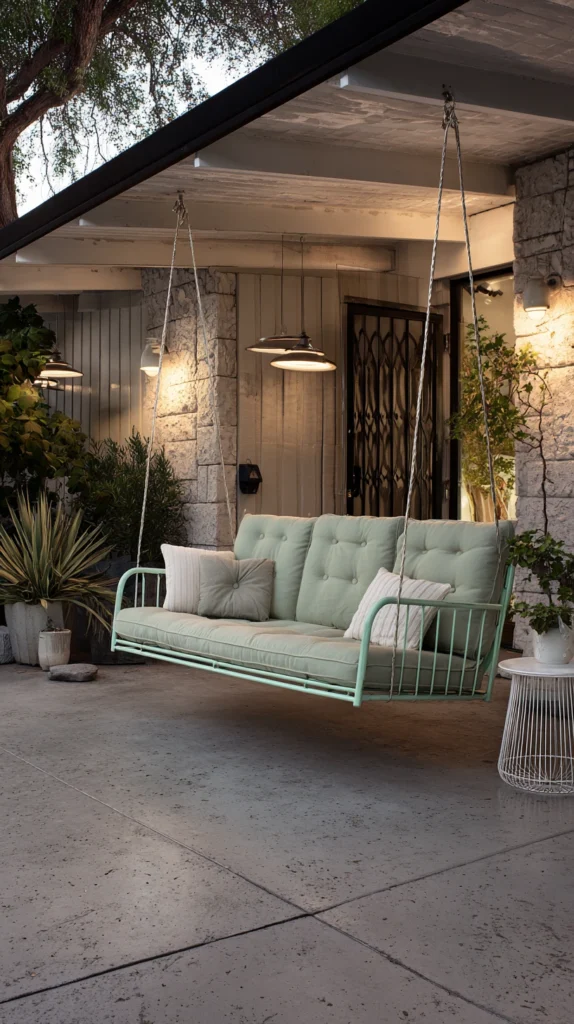
A retro-style metal glider bench, gliding on a smooth horizontal motion rather than swinging on chains — a nostalgic, mid-century option.
My search for something different from the expected:
What felt overused:
- Every swing option considered so far following the same basic hanging bench format
- Wanted a genuinely different motion and aesthetic, something with more vintage character
- Missing the specific nostalgic charm of a classic glider
The metal glider discovery:
Why this style offers a genuinely different experience:
- Glides smoothly on a horizontal track rather than swinging from overhead chains
- A distinctly retro, mid-century aesthetic unlike most modern swing options
- Often more compact than a full hanging swing setup, fitting smaller patios well
- The gliding motion itself feels different, smoother and lower to the ground
Choosing the right glider:
What to look for:
- Powder-coated steel construction for weather resistance and longevity
- Vintage-inspired colors like mint green, cream, or classic red for authentic period character
- A seat depth and cushioning appropriate for genuinely comfortable extended sitting
- Confirm the glider mechanism itself is smooth and well-constructed, since this is the piece’s core function
Where this works best:
Ideal placement:
- A smaller patio or porch where a full hanging swing setup would not fit
- Retro or vintage-styled backyards specifically
- Near a garden or flower bed, echoing the nostalgic garden party feel this style evokes
Cost:
- Vintage-style metal glider: $200-600
My metal glider: A mint green vintage glider on the small back patio brought a genuinely different, nostalgic character to the yard, and its compact footprint fit a space too small for a full hanging swing.
Metal Glider Tips
Test the glide mechanism for smoothness before purchasing, if possible:
Function verification:
- A poorly constructed glider mechanism can feel stiff, uneven, or noisy during use
- Testing in person, or thoroughly researching reviews for online purchases, helps avoid this issue
- The gliding motion is the entire point of this style, making mechanism quality especially important
- A slightly higher-quality product in this category is often worth the additional cost
Touch up powder-coated finishes promptly if chips or scratches appear:
Maintenance for longevity:
- Chips in the powder coating expose bare metal to moisture and potential rust
- Touch-up paint matched to the specific finish addresses small chips before they worsen
- This small, ongoing maintenance habit significantly extends the glider’s usable lifespan
- Address any damage promptly rather than waiting for it to become a larger repair
5. The Macrame Hanging Chair
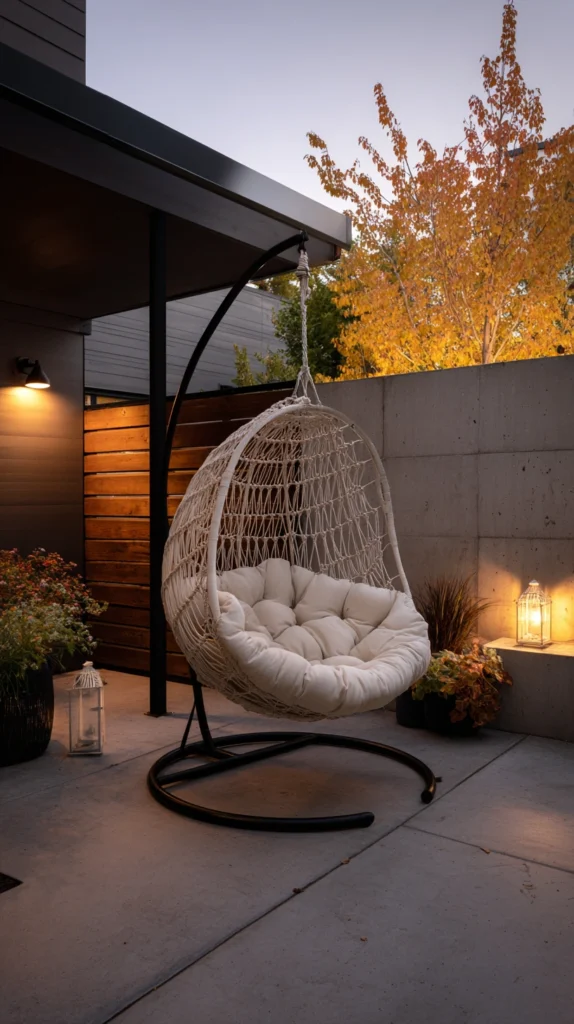
A single woven macrame or cotton rope hanging chair, suspended from a sturdy beam or dedicated stand — a bohemian, single-seat swinging option.
My missing solo relaxation spot:
What was absent:
- Every swing option considered so far designed for two or more people
- Wanted a genuinely personal, single-seat relaxation option
- Missing the specific bohemian, textural character a macrame chair brings
The macrame chair discovery:
Why a single hanging chair fills a specific need:
- Provides a genuinely personal spot, distinct from shared bench-style swings
- The woven macrame or rope texture adds a bohemian, handcrafted visual element
- Compact footprint fits into corners too small for a full swing setup
- Works beautifully paired with houseplants and other textural, natural elements nearby
Choosing the right hanging chair:
What to look for:
- Cotton rope or synthetic weather-resistant rope, depending on climate and maintenance preference
- A sturdy metal or wood spreader bar maintaining the chair’s shape
- A weight capacity clearly rated and appropriate for intended use
- A coordinating hanging stand if no suitable overhead beam is available
Styling the space around it:
Completing the look:
- A round cushion in a coordinating color or natural fiber texture
- A small side table within reach for a drink or book
- Potted plants nearby to reinforce the bohemian, natural aesthetic
Cost:
- Macrame or rope hanging chair: $80-250
- Hanging stand, if needed: $80-200
- Total: $80-450
My macrame hanging chair: Suspended from a sturdy pergola beam in a quiet corner, this single chair became the specific spot I go to for a solo coffee break, distinct from the more social swing seating elsewhere in the yard.
Macrame Chair Tips
Choose weather-resistant synthetic rope for climates with significant rain exposure:
Material selection by climate:
- Natural cotton rope can develop mildew or degrade more quickly in consistently wet conditions
- Synthetic weather-resistant rope maintains its appearance and integrity through more challenging weather
- This material choice matters significantly for anyone in a rainier climate planning to leave the chair outdoors year-round
- Confirm the specific rope material and its outdoor rating before purchasing
Confirm the hanging point can support the chair’s full rated weight capacity:
Structural safety:
- A beam, branch, or stand must genuinely support the chair’s maximum weight rating, not just its empty weight
- Have a beam or branch inspected for adequate strength before hanging, particularly for older or established structures
- This verification is essential regardless of how sturdy the hanging point appears visually
- When in doubt, a dedicated, purpose-built hanging stand removes any uncertainty about structural adequacy
6. The Pergola-Integrated Swing Bench
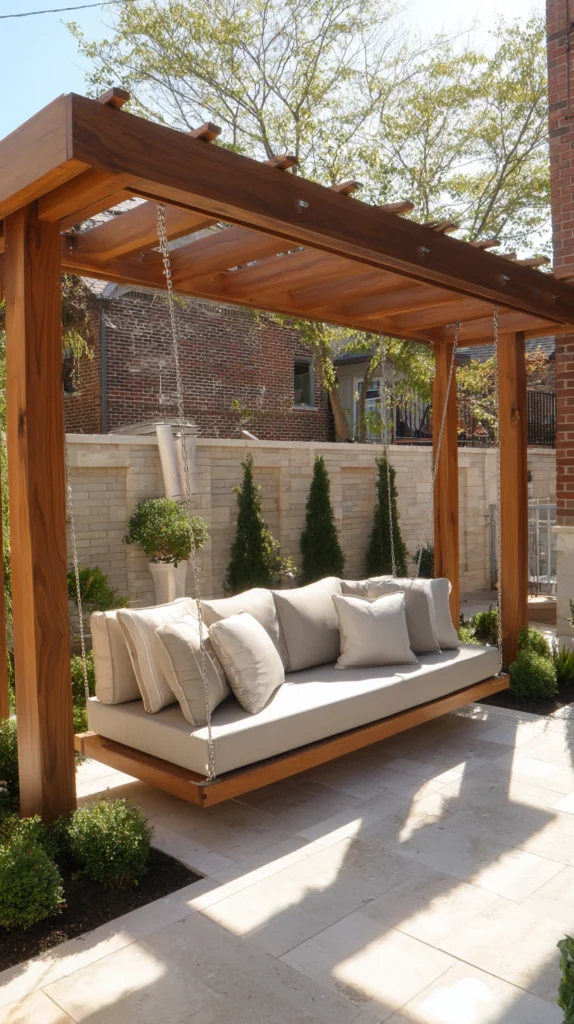
A swing bench hung directly from the beams of an existing or newly built pergola — combining structural shade with seating in one integrated feature.
My disconnected shade and seating:
What felt separate:
- An existing pergola providing shade over one area, with a swing considered for an entirely different, unshaded spot
- Two features that could work together remaining disconnected
- A missed opportunity to combine structure and seating into one cohesive design element
The integrated pergola swing solution:
Why combining these two features works so well:
- The pergola’s existing structure provides both shade and a genuinely sturdy hanging point
- Eliminates the need for a separate freestanding frame, saving both cost and yard space
- Creates a cohesive, architecturally integrated look rather than two disconnected elements
- One of the most polished, high-end-looking swing setups achievable, often at a moderate cost
Installation considerations:
Getting this integration right:
- Confirm the pergola’s beam construction and spacing can support a swing’s weight rating
- Use heavy-duty eye bolts or swing hangers rated specifically for the swing’s weight
- Position the swing to hang with adequate clearance from the pergola’s posts and any other furniture beneath it
Choosing the right swing for this application:
Style considerations:
- A traditional wood bench swing for a classic, cohesive look with a wood pergola
- A metal-framed swing bench for a more contemporary pairing
- Cushioned seating to complete the comfort alongside the pergola’s shade
Cost:
- Swing hanging hardware: $20-50
- Wood or metal bench swing: $200-600
- Total: $220-650 (assuming an existing pergola)
My pergola swing: Hanging a simple wood bench swing from the existing pergola beams over the patio combined shade and seating into one seamless feature, and it looks like it was designed together from the very beginning.
Pergola Swing Tips
Have the pergola’s structural capacity assessed before hanging a swing:
Safety verification:
- Not every pergola beam is constructed to handle the dynamic, swinging weight of an occupied swing
- A structural assessment, even a basic one, confirms the beams and their connections can handle this specific load
- This step is essential before hanging any swing from an existing structure not originally designed for one
- When uncertain, adding additional structural reinforcement is a worthwhile investment for long-term safety
Position the swing with generous clearance from posts and other furniture:
Motion clearance planning:
- A swing hung too close to a pergola post limits its safe range of motion
- Measure the swing’s full potential swing arc before finalizing the exact hanging position
- This clearance consideration also applies to any furniture or plants positioned beneath the pergola
- Adequate clearance prevents both discomfort and potential damage from an unexpectedly wide swing arc
7. The Double Papasan Swing Chair
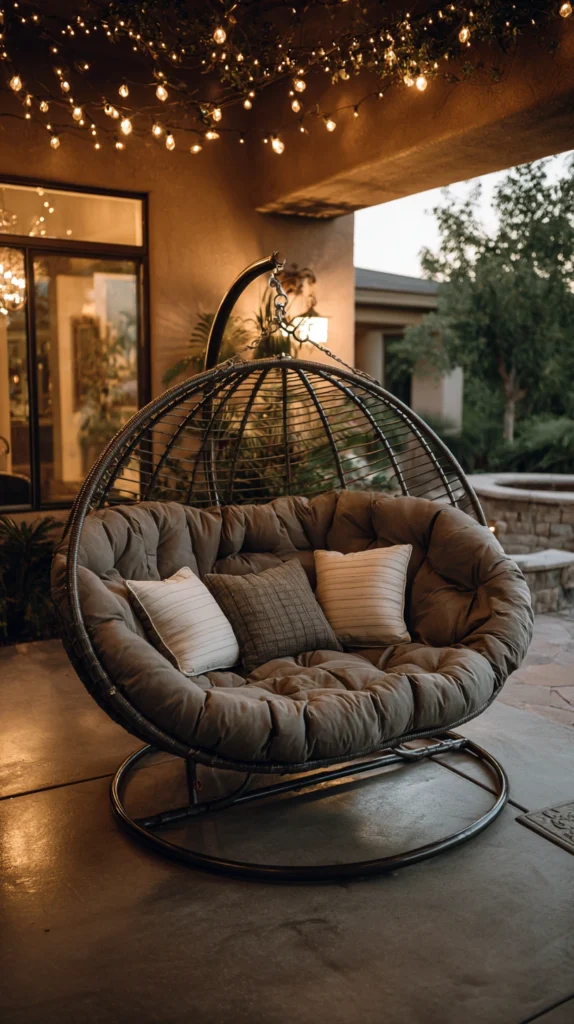
A large, round papasan-style swing chair with deep cushioning — a cocoon-like, oversized seating option for one or two people.
My missing cocoon-style seating:
What felt underrepresented:
- Traditional bench and hanging chair styles, but nothing with the deep, enveloping comfort of a papasan
- Wanted a genuinely oversized, cocoon-like seating option distinct from every other swing style
- Missing the specific comfort profile a papasan shape delivers
The papasan swing discovery:
Why this rounded, deep style delivers unique comfort:
- The bowl-shaped frame and deep cushion create a genuinely enveloping, cocoon-like seat
- Large enough to comfortably fit one person stretched out or two people seated together
- A distinctly different silhouette from every other swing style on this list
- Particularly well suited to relaxed, extended lounging rather than upright seating
Choosing the right papasan swing:
What to look for:
- A sturdy metal frame rated for the combined weight of the cushion and intended occupants
- Weather-resistant cushioning specifically designed for outdoor use
- A hanging stand or overhead beam capable of supporting the swing’s full weight when occupied
- Deep, plush cushioning genuinely suited to extended lounging comfort
Styling considerations:
Completing the look:
- A coordinating outdoor rug beneath the swing to ground the seating area
- A small side table within reach
- Additional throw pillows layered into the cushion for extra comfort and visual interest
Cost:
- Papasan swing chair with stand: $250-700
My papasan swing: The deep, rounded cushion makes this the spot every guest gravitates toward first, and its oversized, cocoon-like comfort has made it the yard’s most consistently requested seat.
Papasan Swing Tips
Choose weather-resistant cushion fabric and confirm it is removable for cleaning:
Maintenance consideration:
- The deep cushioning central to this style’s comfort also means more fabric exposed to weather
- Removable, washable, weather-resistant cushion covers significantly simplify ongoing maintenance
- This detail matters more for a papasan style than for swings with more minimal cushioning
- Confirm this feature specifically before purchasing, since not all papasan swing cushions are removable
Confirm adequate overhead clearance and swing arc space:
Spatial planning:
- The papasan’s rounded, wider frame requires more overall clearance than a narrower bench swing
- Measure both the frame’s width and its full potential swing arc before finalizing placement
- This spatial consideration prevents the swing from feeling cramped or striking nearby furniture during use
- A slightly more generous placement area accommodates this style’s larger overall footprint
8. The Children’s Tire Swing with a Modern Twist
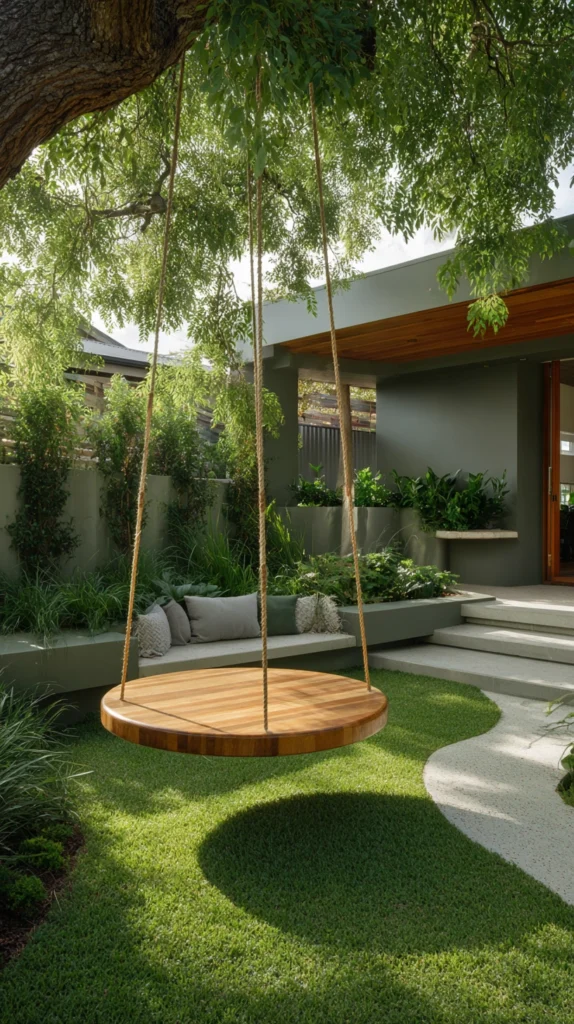
An updated take on the classic tire swing, using a wood disc, rope, or modern rubber tire design — nostalgic play with a more polished aesthetic.
My missing kid-focused swing:
What was absent:
- Swing options considered so far entirely adult-focused
- A yard with children who would genuinely benefit from a dedicated play swing
- Missing the classic, nostalgic tire swing experience, but wanting something more visually cohesive with the rest of the yard
The modern tire swing solution:
Why an updated version works better than the classic original:
- A wood disc or modern rubber design offers the same spinning, swinging fun with a more polished look
- Fits more cohesively into a well-designed backyard than a literal recycled tire
- Genuinely popular with children across a wide age range, offering more dynamic motion than a standard bench swing
- A relatively affordable addition specifically supporting active, joyful outdoor play
Choosing the right style:
Design options:
- A round wood disc swing, sanded smooth and finished for outdoor durability
- A modern rubber tire swing designed specifically for residential backyard use
- Rope suspension allowing a spinning motion in addition to standard back-and-forth swinging
Installation and safety:
Getting it right:
- Hang from a sturdy, mature tree branch or a dedicated swing set frame
- Confirm adequate ground clearance and soft landing surface, such as grass or mulch, beneath the swing
- Regularly inspect rope or chain connections for wear, given the more dynamic motion this swing style encourages
Where this works best:
Ideal placement:
- Beneath a mature, sturdy tree with adequate overhead branch strength
- An open area with soft ground surfacing and generous clearance for spinning motion
- Positioned within clear parent or caregiver supervision sightline
Cost:
- Wood disc or modern tire swing: $40-120
- Rope or chain hanging hardware: $15-30
My modern disc swing: A simple wood disc swing hung from the oldest tree in the yard gives the kids the classic tire swing experience, but with a finished, intentional look that fits the rest of the yard’s design rather than looking like leftover playground equipment.
Tire Swing Tips
Inspect the hanging branch or structure for adequate strength and health:
Safety verification:
- A tire or disc swing’s spinning motion places dynamic, unpredictable stress on its anchor point
- Confirm the branch or structure shows no signs of disease, cracking, or significant weakness
- This inspection should be repeated periodically, not just at the time of initial installation
- When in doubt about a tree branch’s condition, a dedicated swing set frame provides a more predictable, verified alternative
Maintain generous soft ground clearance and inspect regularly for wear:
Ongoing safety maintenance:
- Adequate soft surfacing beneath the swing reduces injury risk from the more active, spinning motion this style encourages
- Regularly check rope, chain, and hanging hardware for fraying or wear, given the more dynamic use pattern
- This ongoing inspection habit matters more for a children’s play swing than for adult-oriented lounging swings
- Replace any worn rope or hardware immediately rather than waiting for a more convenient time
9. The All-Weather Wicker Swing Bench
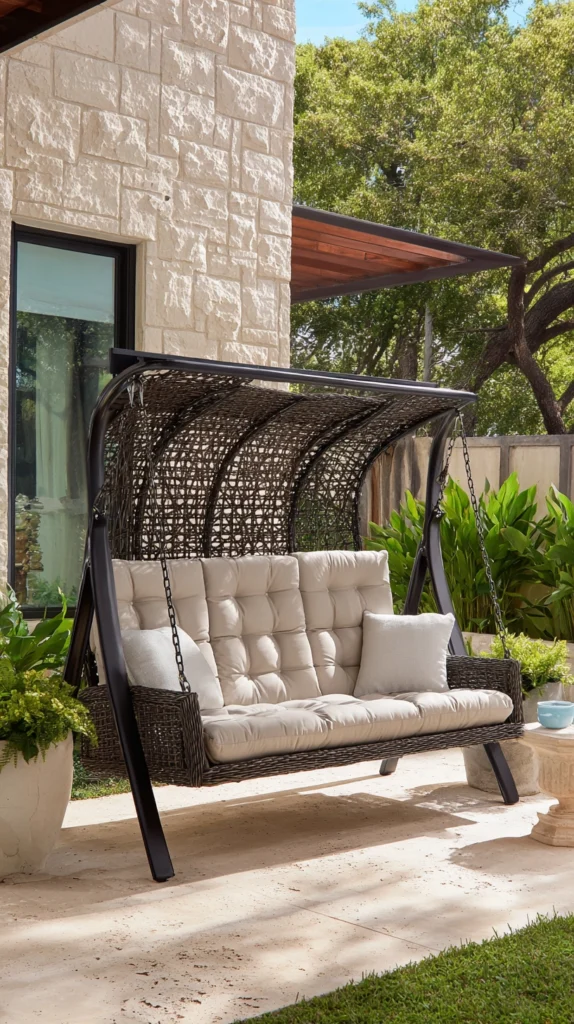
A resin wicker swing bench, built specifically to withstand year-round outdoor exposure without significant fading or degradation.
My swing durability concern:
What was holding back my decision:
- Living in a climate with genuinely harsh sun, rain, and occasional storms
- Concerned that a wood or fabric-heavy swing would degrade too quickly to be worth the investment
- Wanted a genuinely low-maintenance option built specifically for constant outdoor exposure
The all-weather wicker solution:
Why resin wicker specifically suits demanding climates:
- Engineered specifically to resist fading, cracking, and water damage
- Requires significantly less maintenance than wood or natural fiber alternatives
- Offers a more contemporary aesthetic distinct from traditional wood porch swings
- A genuinely practical choice for climates with intense sun or frequent rain
Choosing the right wicker swing:
What to look for:
- High-quality resin wicker specifically rated for UV and water resistance
- A rust-resistant aluminum frame beneath the wicker weave
- Weather-resistant cushions, ideally with removable, washable covers
- Confirm the specific product’s warranty and durability rating before purchasing
Where this works best:
Ideal climates and placements:
- Regions with intense sun exposure or frequent precipitation
- Coastal areas where salt air accelerates the degradation of other materials
- Anyone prioritizing minimal ongoing maintenance over a more traditional material aesthetic
Cost:
- All-weather resin wicker swing bench: $300-800
My wicker swing bench: After a previous wood swing warped within two seasons in our particularly harsh coastal climate, switching to all-weather resin wicker has held up beautifully through two additional years without any visible fading or damage.
All-Weather Wicker Tips
Verify the specific resin material’s UV rating before purchasing:
Quality distinction:
- Not all products marketed as “all-weather wicker” use equally durable resin materials
- Look specifically for products citing a genuine UV resistance rating or warranty period
- This distinction significantly affects how well the product actually performs over multiple years
- A slightly higher-quality product in this category is generally worth the additional upfront cost
Rinse the wicker periodically to prevent dirt and pollen buildup in the weave:
Maintenance routine:
- The woven texture of wicker can trap dirt and pollen more than a smooth surface material
- A periodic hose rinse keeps the weave looking fresh and prevents buildup from becoming embedded
- This simple maintenance task takes only a few minutes but meaningfully extends the swing’s fresh appearance
- A soft brush can help dislodge more stubborn buildup in the deeper parts of the weave
10. The Cushioned Bench Swing with Built-In Side Tables
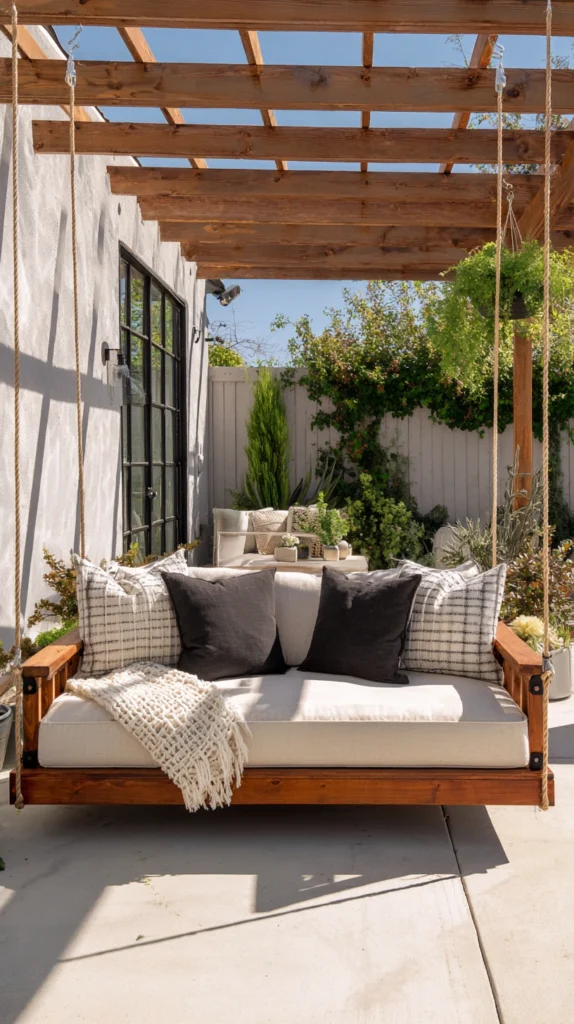
A traditional bench swing design that incorporates small flip-up or built-in side tables at each end — combining seating with functional surface space.
My missing surface space near the swing:
What was inconvenient:
- A comfortable swing with nowhere nearby to set down a drink, book, or phone
- Constantly having to lean forward or place items awkwardly on the swing seat itself
- A missed opportunity for a relatively simple functional upgrade to a classic swing style
The built-in side table solution:
Why this functional addition matters:
- Solves the practical problem of surface space without requiring a separate side table
- Keeps the overall footprint compact, since the tables are integrated directly into the swing’s arms
- A relatively small design difference that significantly improves the swing’s everyday usability
- Works particularly well for anyone using the swing regularly for reading, working, or enjoying drinks
Choosing the right built-in table swing:
What to look for:
- Flip-up or fixed side tables sized adequately for a drink and a small book or phone
- Confirm the table surfaces are level and stable when in use
- Matching material and finish between the swing and its integrated tables for a cohesive look
Styling and use:
Making the most of the feature:
- Keep a small tray or coaster on the table surface for easy drink placement
- A small reading lamp, if positioned near an outdoor outlet, extends evening use
- Fold up unused tables when not needed to maintain a cleaner overall look
Cost:
- Bench swing with built-in side tables: $250-700
My built-in table swing: The small flip-up tables at each end solved the constant frustration of balancing a coffee cup on the seat cushion, and this seemingly minor feature has made the swing genuinely more comfortable to use for extended periods.
Built-In Table Swing Tips
Confirm table surfaces are genuinely stable, not just decoratively attached:
Function verification:
- Some built-in tables are more decorative than functional, wobbling under any real weight
- Test the stability of the table surface, if possible, before purchasing
- This functional verification matters more here than for a purely decorative swing feature
- Reviews and product specifications often indicate whether the tables are genuinely load-bearing
Keep the table surfaces clear when not actively in use:
Maintenance and appearance:
- Items left on the table surfaces can blow away or accumulate debris between uses
- A quick habit of clearing the tables after each use keeps the swing looking consistently tidy
- This small habit also prevents small items from being lost during the swing’s motion
- A simple routine that maintains both the swing’s function and its overall polished appearance
11. The Minimalist Modern Steel Frame Swing
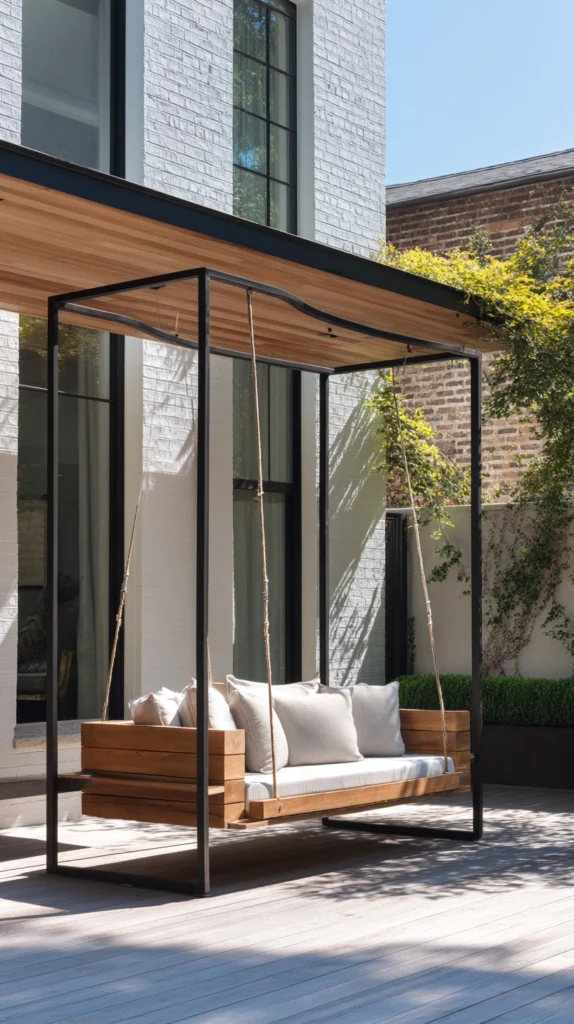
A clean-lined, geometric steel swing frame paired with a simple bench or platform seat — a contemporary alternative to traditional wood porch swing styles.
My yard’s contemporary aesthetic mismatch:
What felt out of place:
- A modern, clean-lined backyard design where a traditional wood porch swing felt visually mismatched
- Wanted a swing option specifically suited to a more minimalist, contemporary overall aesthetic
- Missing a style bridging the gap between traditional swing function and modern design sensibility
The modern steel frame solution:
Why this style suits a contemporary backyard specifically:
- Clean, geometric lines coordinate naturally with modern architecture and landscape design
- Powder-coated steel offers a more contemporary material palette than traditional wood
- Often paired with a simple, minimal seat design rather than an ornate traditional bench
- A genuinely distinct aesthetic option for anyone whose yard leans modern rather than traditional
Choosing the right modern frame:
What to look for:
- Powder-coated steel in a neutral tone, such as black, white, or graphite
- A simple, clean-lined seat design, whether a flat bench or a more sculptural single seat
- Minimal ornamentation, letting the geometric frame itself provide the visual interest
- Confirm the frame’s finish is genuinely rated for outdoor weather exposure
Where this works best:
Ideal placement:
- Modern or minimalist backyard designs with clean architectural lines
- Paired with simple, uncluttered surrounding landscaping
- Positioned as a clear geometric focal point within an otherwise pared-down space
Cost:
- Modern steel frame swing: $300-900
My modern steel swing: A simple black powder-coated frame with a minimal wood-slat seat fit the yard’s overall clean, contemporary aesthetic in a way no traditional wood porch swing ever would have.
Modern Steel Frame Tips
Choose a powder-coated finish specifically rated for outdoor use:
Material durability:
- Standard painted metal can chip and rust relatively quickly under outdoor conditions
- Genuine powder-coated finishes offer significantly better resistance to weather and wear
- This distinction matters especially for a style relying heavily on the frame’s clean, unblemished appearance
- Confirm the specific coating process and outdoor rating before purchasing
Keep surrounding styling equally minimal to maintain the aesthetic’s integrity:
Design cohesion:
- A minimalist swing surrounded by busy, ornate, or cluttered styling undermines its intended clean look
- Simple, coordinating cushions and minimal surrounding decor keep the overall look cohesive
- This restraint in surrounding elements is what allows the swing’s clean lines to genuinely stand out
- Consider the swing as part of a broader minimalist design commitment, not an isolated purchase
12. The Double-Wide Family Swing
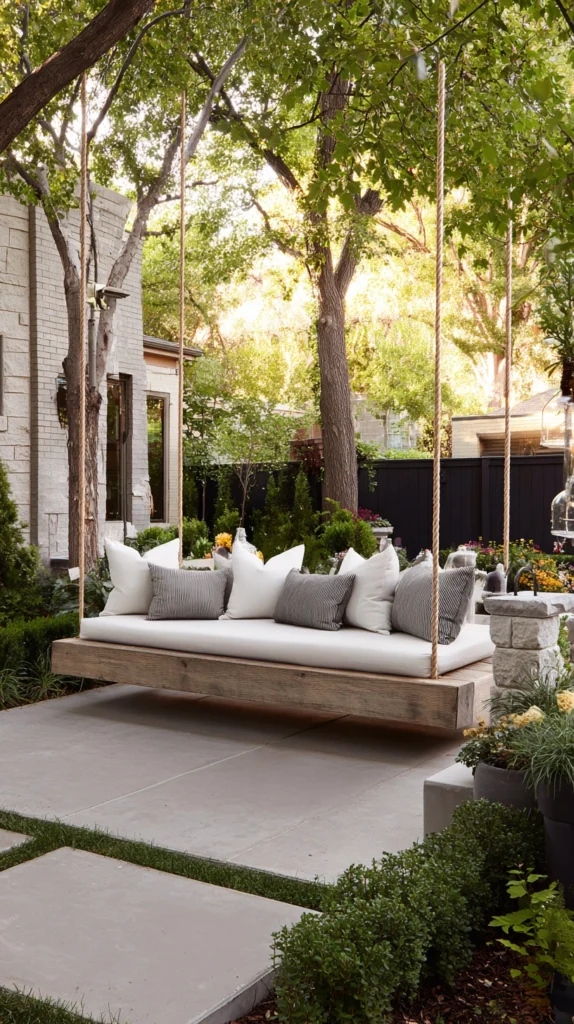
An extra-wide bench swing, sized to comfortably seat three or more people simultaneously — designed specifically for family gathering rather than solo or paired use.
My swing that was always too small:
What kept happening:
- A standard two-person swing constantly crowded whenever the whole family wanted to sit together
- Someone always left standing or squeezed uncomfortably at the edge
- Missing a swing option genuinely designed for the household’s actual typical use
The double-wide solution:
Why sizing up specifically for family use matters:
- Comfortably accommodates three or more people without anyone feeling crowded
- Becomes a genuine gathering spot for the whole family rather than a two-person-only option
- Particularly valuable for households regularly using the swing together, such as for evening conversations or storytime
- A relatively simple sizing decision that significantly changes how the swing actually gets used
Choosing the right double-wide swing:
What to look for:
- A seat width of at least five to six feet for genuinely comfortable multi-person seating
- A frame and hanging hardware rated for the combined weight of multiple occupants
- Adequate cushioning depth to keep even the center seating position comfortable
- Confirm the specific hanging structure, whether a frame or existing beam, can support the increased weight capacity
Where this works best:
Ideal households:
- Families with children who enjoy swinging together
- Households regularly gathering outside for evening conversation or storytime
- Anyone specifically wanting the swing to function as a genuine family gathering spot
Cost:
- Double-wide bench swing: $250-700
- Rated frame or stand, if needed: $200-500
My double-wide family swing: Sizing up to a six-foot-wide swing meant evening storytime finally fit the whole family comfortably, rather than someone always ending up squeezed at the edge or left standing nearby.
Double-Wide Swing Tips
Confirm the hanging structure’s weight rating accounts for the full multi-person capacity:
Safety sizing:
- A wider swing seating multiple people places significantly more combined weight on its hanging points
- Verify both the swing’s own rating and the supporting frame or beam’s capacity match this increased load
- This verification is essential before regular multi-person use begins
- When uncertain, err toward a more heavily rated frame than the calculated minimum requirement
Space cushions evenly to maintain comfort across the full seat width:
Comfort consistency:
- A single long cushion can shift or bunch unevenly across a wider seat
- Multiple coordinated cushion sections, or a properly fitted single cushion, maintain consistent comfort
- This detail matters more for a double-wide swing than for a standard two-person size
- Test the seating comfort across the full width before finalizing the cushion arrangement
13. The Bed Swing with Full Mattress Support
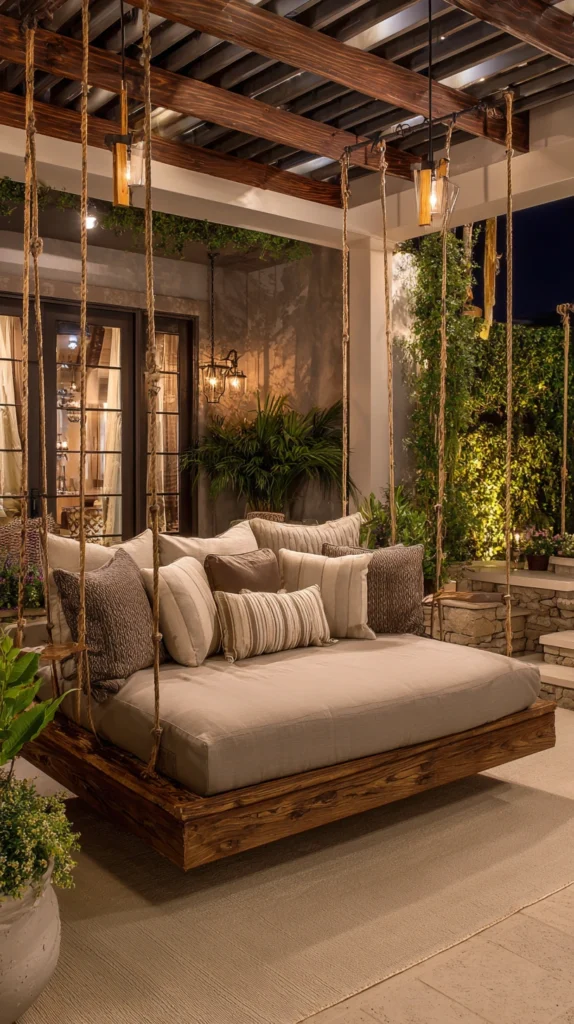
A large platform swing designed to support a full-size mattress or thick foam pad — the most substantial, bed-like swinging option available.
My desire for a genuine outdoor sleeping spot:
What felt aspirational:
- Wanted an outdoor space genuinely comfortable enough for an afternoon nap or overnight stargazing
- Standard swing cushioning, however comfortable, still fell short of genuine mattress-level comfort
- Missing the most substantial, luxurious version of a backyard swing
The bed swing solution:
Why this represents the most substantial swing investment:
- A genuine mattress or thick foam pad delivers comfort well beyond standard swing cushioning
- Large enough for lying fully flat, supporting genuine napping or overnight outdoor sleeping
- Often becomes the yard’s clear centerpiece, given its substantial size and presence
- The most significant investment on this list, but delivering a correspondingly substantial comfort payoff
Building the bed swing setup:
Key components:
- A reinforced platform frame specifically rated for a mattress’s weight and dimensions
- A weather-resistant outdoor mattress or thick marine-grade foam pad
- A substantial overhead support structure, whether a heavy-duty pergola or dedicated frame
- Weather protection, such as a cover, for the mattress when not in use
Where this works best:
Ideal placement:
- A larger yard with adequate space for the swing’s substantial footprint
- Positioned with genuine shade or a retractable cover for sun and rain protection
- A yard prioritizing this level of luxury outdoor lounging as a clear focal investment
Cost:
- Bed swing frame and platform: $800-2,500
- Weather-resistant mattress or foam pad: $200-600
- Total: $1,000-3,100
My bed swing: Positioned beneath a heavy-duty pergola with a weather-resistant mattress, this swing has become the genuine centerpiece of the backyard, used for everything from afternoon naps to stargazing on clear summer nights.
Bed Swing Tips
Have the supporting structure professionally assessed for this level of weight capacity:
Structural safety priority:
- A bed swing represents a significantly heavier load than any other swing style on this list
- Professional structural assessment of the supporting frame or pergola is strongly recommended before installation
- This step is not optional given the substantial weight and safety implications involved
- The investment in professional verification is a small fraction of the overall project cost and essential for safety
Cover or store the mattress during extended periods of rain or intense sun:
Material protection:
- Even weather-resistant mattresses benefit from additional protection during prolonged exposure
- A fitted cover, used during rain or when the swing is not in active use, extends the mattress’s lifespan significantly
- This habit protects the most expensive single component of the entire bed swing investment
- Consider this ongoing maintenance requirement as part of the overall cost and commitment before purchasing
14. The Nautical Rope and Wood Plank Swing
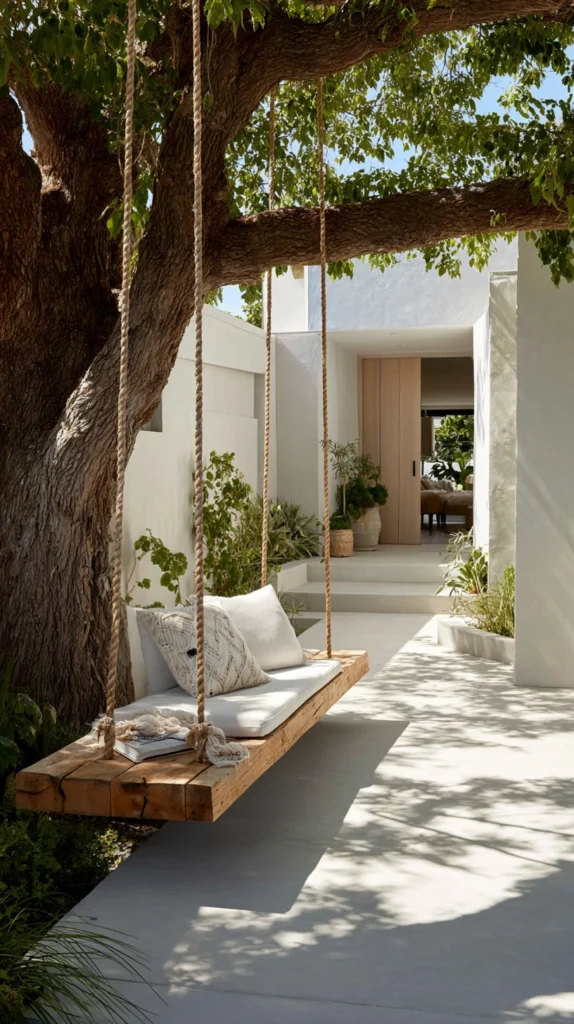
A simple single-plank wood seat suspended by thick nautical rope — a minimalist, coastal-inspired swing style.
My search for genuine simplicity:
What felt overly complex:
- Many swing styles on this list involving significant frames, cushioning, and structural investment
- Wanted a genuinely simple, back-to-basics swing option
- Missing the specific charm of the most minimal, classic swing design possible
The nautical rope swing solution:
Why simplicity itself is the appeal here:
- A single wood plank and rope delivers genuine nostalgic charm without any complexity
- One of the most affordable swing options available on this entire list
- The thick nautical rope adds genuine coastal, textural character
- Works beautifully as a secondary, more casual swing alongside a more substantial primary seating swing
Building the rope plank swing:
Simple construction:
- A solid wood plank, sanded smooth and finished for outdoor durability
- Thick nautical or manila rope, rated for outdoor use and the intended weight capacity
- Drilled holes through the plank for the rope to pass through, secured with sturdy knots
- Hung from a sturdy tree branch or dedicated frame
Styling considerations:
Completing the look:
- A simple cushion or folded blanket for added comfort, if desired
- Positioned near other nautical or coastal-inspired yard elements for a cohesive theme
- Left unstyled and simple for those wanting to preserve the style’s inherent minimalism
Cost:
- Wood plank: $10-30
- Nautical rope: $15-40
- Total: $25-70
My rope plank swing: The simplest and least expensive swing on this entire list, hung from an old oak branch, has become a genuine favorite specifically because of, not despite, its complete lack of complexity or cushioning.
Rope Plank Swing Tips
Sand and seal the wood plank thoroughly before installation:
Preparation for comfort and durability:
- An unsanded plank can splinter, creating a genuine safety concern
- A smooth, sealed finish also protects the wood from moisture damage over time
- This preparation step is simple but essential before the plank is ever used
- Reapply sealant periodically as part of ongoing maintenance to maintain both safety and appearance
Choose rope specifically rated for outdoor use and the intended weight capacity:
Material and safety selection:
- Not all rope is suited to sustained outdoor exposure or the dynamic stress of regular swinging
- Marine-grade or specifically outdoor-rated rope resists UV degradation and moisture damage
- Confirm the rope’s weight rating matches or exceeds the anticipated use before installation
- This verification is essential given that the rope is the swing’s sole structural support
15. The Egg-Shaped Wicker Pod Swing
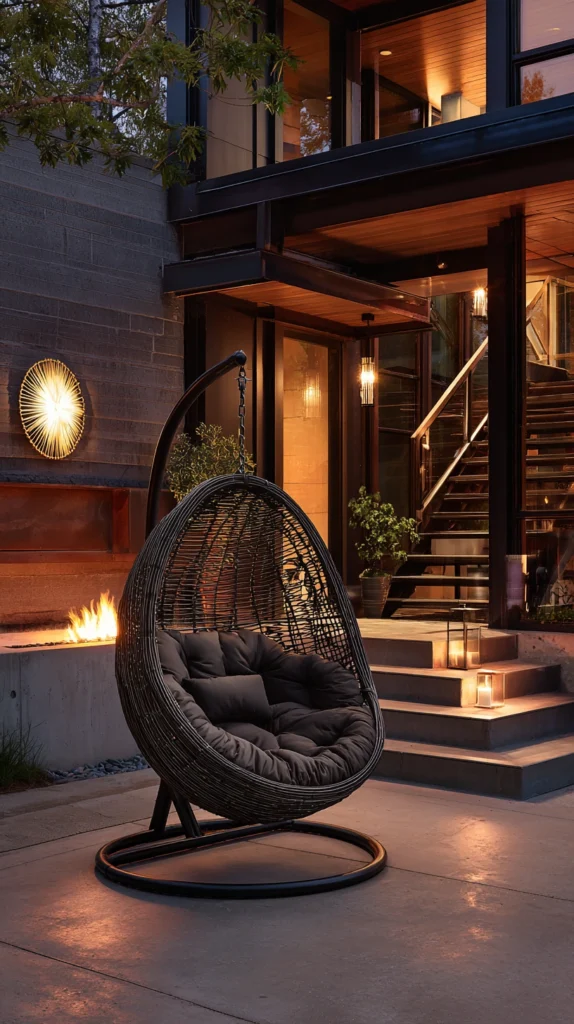
A fully enclosed, egg-shaped wicker or rattan pod swing — offering a cocoon-like, semi-private seating experience distinct from any open swing style.
My desire for a more private, enclosed spot:
What felt missing:
- Every swing style considered so far fully open, with no sense of enclosure or privacy
- Wanted a genuinely different seating experience, more private and contained
- Missing the specific cocoon-like character an egg pod design delivers
The egg pod swing solution:
Why this fully enclosed style offers something genuinely different:
- The curved, enclosed shape creates a distinct sense of privacy and retreat
- A visually striking, sculptural addition to the yard, unlike any other swing style
- Particularly appealing for anyone wanting a personal escape spot rather than a social gathering seat
- One of the most visually distinctive swing options, often becoming an immediate yard focal point
Choosing the right pod swing:
What to look for:
- High-quality resin wicker or rattan specifically rated for outdoor weather exposure
- A sturdy internal frame and stand rated for the pod’s full weight when occupied
- Deep, comfortable cushioning fitted specifically to the pod’s curved interior shape
- Confirm adequate ventilation and comfort, since the enclosed shape differs significantly from open swing styles
Where this works best:
Ideal placement:
- A quieter, more private corner of the yard
- Positioned as a clear sculptural focal point within the overall landscape design
- Anyone specifically wanting a personal retreat spot distinct from more social seating areas
Cost:
- Egg-shaped wicker pod swing: $300-900
My egg pod swing: Positioned in the quietest corner of the yard, the fully enclosed, cocoon-like shape gives a genuine sense of retreat that no open swing style has matched, and it has become my specific spot for reading in complete privacy.
Egg Pod Swing Tips
Confirm the stand or hanging structure specifically accommodates the pod’s unique shape and weight distribution:
Structural compatibility:
- The enclosed, curved shape of a pod swing distributes weight differently than an open bench design
- Confirm the specific stand or hanging hardware is designed and rated for this particular swing style
- Mismatched hardware not specifically rated for a pod swing’s shape and weight profile presents a genuine safety concern
- Purchasing a matched stand and pod swing set from the same product line avoids this compatibility issue
Add a small interior cushion or pillow for genuine extended comfort:
Comfort enhancement:
- The pod’s curved interior shape may not provide adequate lumbar or neck support on its own
- A small, well-placed cushion or pillow significantly improves comfort during extended sitting
- This addition is a relatively small cost that meaningfully improves the pod’s practical everyday usability
- Choose a cushion shape specifically suited to the pod’s particular curve for the best fit
Choosing Your Backyard Swing
By Yard Style
Traditional and classic:
- Classic porch swing on a freestanding frame (idea 1)
- Cushioned bench swing with built-in side tables (idea 10)
- Double-wide family swing (idea 12)
Bohemian and relaxed:
- Rope hammock between two trees (idea 2)
- Macrame hanging chair (idea 5)
- Nautical rope and wood plank swing (idea 14)
Modern and contemporary:
- Minimalist modern steel frame swing (idea 11)
- All-weather wicker swing bench (idea 9)
- Egg-shaped wicker pod swing (idea 15)
Family-focused:
- Children’s tire swing with a modern twist (idea 8)
- Double-wide family swing (idea 12)
- Pergola-integrated swing bench (idea 6)
By Effort Level
Lowest effort:
- Rope hammock between two trees (idea 2)
- Nautical rope and wood plank swing (idea 14)
- Children’s tire swing with a modern twist (idea 8)
Medium effort:
- Vintage metal glider swing (idea 4)
- Macrame hanging chair (idea 5)
- Classic porch swing on a freestanding frame (idea 1)
- Cushioned bench swing with built-in side tables (idea 10)
Higher commitment:
- Pergola-integrated swing bench (idea 6)
- Bed swing with full mattress support (idea 13)
- Double papasan swing chair (idea 7)
- Egg-shaped wicker pod swing (idea 15)
By Budget
Under $150:
- Nautical rope and wood plank swing (idea 14)
- Rope hammock between two trees (idea 2)
- Children’s tire swing with a modern twist (idea 8)
$150-450:
- Macrame hanging chair (idea 5)
- Classic porch swing on a freestanding frame (idea 1)
- Vintage metal glider swing (idea 4)
- Pergola-integrated swing bench, assuming existing pergola (idea 6)
$450-900:
- Double papasan swing chair (idea 7)
- All-weather wicker swing bench (idea 9)
- Minimalist modern steel frame swing (idea 11)
- Egg-shaped wicker pod swing (idea 15)
- Daybed-style canopy swing (idea 3)
$900+:
- Bed swing with full mattress support (idea 13)
Maintenance Through the Seasons
Spring:
- Inspect all rope, chain, and hardware connections after winter storage or exposure
- Clean and refresh cushions, replacing any showing significant wear or fading
Summer:
- Rinse wicker and resin surfaces periodically to prevent dirt and pollen buildup
- Monitor wood swings for any signs of drying or cracking under intense sun
Fall:
- Apply or refresh sealant on any wood swing components before wetter weather arrives
- Store or cover cushions ahead of increased rain exposure
Winter:
- Store more delicate cushions and fabric elements indoors if the climate involves freezing temperatures
- Inspect and tighten any hardware that may have loosened over the year’s regular use
My Complete Backyard Swing Journey
What I added across two years:
Year one ($310):
- Rope hammock strung between two established trees
- Simple nautical rope and plank swing as a secondary casual option
- Learned that the simplest, least expensive options often delivered the most genuine relaxation
Year two ($680):
- Freestanding cedar porch swing on the main patio
- Macrame hanging chair in a quieter corner
- Learned that having multiple distinct swing styles, social and solo, meaningfully expanded how the whole yard actually got used
Total investment: $990 across two years Most important lesson: Placement and styling mattered more than the swing’s price point Single highest-impact addition across both years: The rope hammock, for the lowest cost and most consistently used relaxation spot in the entire yard
Getting Started This Weekend
Start with placement, not purchase.
This weekend:
Step 1 — Identify the yard’s best potential swing location:
- Consider shade, view, and a sense of quiet destination
- Two mature trees, an existing pergola, or an open patio corner are all strong starting points
- This location decision matters more than which specific swing style is eventually chosen
Step 2 — Choose the lowest-cost option matching that location:
- A rope hammock for two trees, a freestanding frame for open patio space
- Starting affordably allows testing how much the space actually gets used before a bigger investment
Step 3 — Add basic styling once the swing is in place:
- A few cushions, a throw blanket, or a small nearby side table
- This layer of comfort significantly affects whether the swing actually gets used regularly
Step 4 — Observe how the swing gets used over the following weeks:
- Note whether it becomes a social spot, a solo retreat, or a family gathering place
- Let this observation inform whether a second, different-style swing might add further value later
My recommendation:
Start with a rope hammock or a simple freestanding porch swing:
- Both are relatively affordable, quick to install, and immediately usable
- Both provide genuine information about how much a swing gets used before a larger investment
- This starting point often reveals whether the household wants a solo retreat spot, a social gathering swing, or both
Sit in the new swing for at least ten uninterrupted minutes before deciding what, if anything, comes next.
Now go build the backyard spot that finally makes people want to slow down and stay a while.
Quick Summary
The 15 backyard swing ideas:
Classic and traditional:
- Classic porch swing on a freestanding frame (idea 1): the most versatile, no-porch-required option
- Vintage metal glider swing (idea 4): nostalgic, mid-century motion and style
- Cushioned bench swing with built-in side tables (idea 10): classic comfort with added function
Natural and bohemian:
- Rope hammock between two trees (idea 2): the most budget-friendly, naturalistic option
- Macrame hanging chair (idea 5): a personal, textural solo retreat
- Nautical rope and wood plank swing (idea 14): pure, minimal simplicity
Lounging and comfort-focused:
- Daybed-style canopy swing (idea 3): built-in shade with genuine lounging space
- Double papasan swing chair (idea 7): deep, cocoon-like enveloping comfort
- Bed swing with full mattress support (idea 13): the most substantial, luxurious option
Modern and contemporary:
- Minimalist modern steel frame swing (idea 11): clean lines for a contemporary yard
- All-weather wicker swing bench (idea 9): built specifically for demanding climates
- Egg-shaped wicker pod swing (idea 15): sculptural, private, and visually striking
Family and integrated:
- Pergola-integrated swing bench (idea 6): shade and seating combined seamlessly
- Children’s tire swing with a modern twist (idea 8): nostalgic play with a polished look
- Double-wide family swing (idea 12): genuine multi-person family gathering space
The universal backyard swing rules:
Always:
- Choose placement deliberately, prioritizing shade, view, or a genuine sense of destination
- Confirm hanging structures and hardware are rated for the swing’s full occupied weight
- Layer cushions and textiles to make the swing genuinely inviting, not just functional
- Inspect rope, chain, and hardware connections regularly, especially for more actively used swings
Never:
- Position a swing wherever happened to be convenient without considering the actual experience of sitting there
- Hang any swing from an unverified branch or structure without confirming its structural adequacy
- Leave a swing bare and unstyled, missing the comfort layer that makes it genuinely inviting
- Skip weight rating verification, particularly for multi-person or bed-style swing options
Common mistakes:
- Treating swing placement as an afterthought rather than a deliberate design decision
- Choosing a swing style mismatched to the yard’s overall aesthetic
- Underestimating how much cushioning and styling affect whether a swing actually gets used
- Skipping structural verification for hanging points, particularly with heavier or multi-person designs
- Assuming a higher price point automatically delivers a more genuinely comfortable or well-used swing
Remember: placement and styling matter more than price point, the simplest and least expensive swing options often deliver the most genuine, consistent use, structural safety verification is never optional regardless of how sturdy a hanging point appears, layering cushions and textiles is what transforms a functional swing into a genuinely inviting one, and the best backyard swing is the one that makes someone stop, walk over, and actually sit down.