
Best Oils for Seasoning a Blackstone Griddle
Not every cooking oil is suited to seasoning a griddle, since the goal isn’t just coating the surface but building a hard, polymerized layer that bonds to the steel. The right oil choice affects how durable that seasoning layer is, how easy it is to apply, and how well the surface performs once you start cooking.
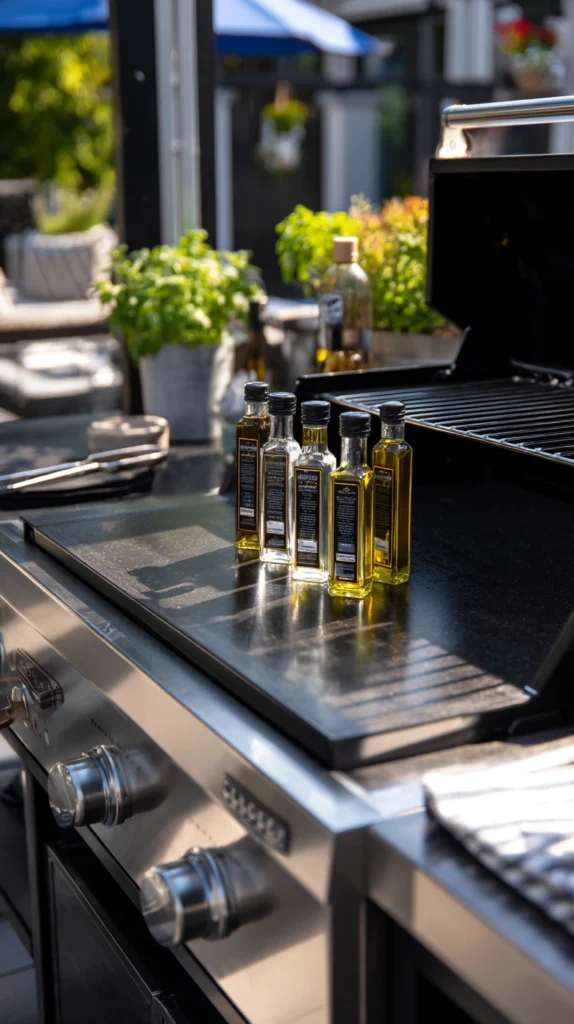
Below is a complete breakdown of the best oils for seasoning a Blackstone griddle, along with smoke points, application tips, and a comparison to help you choose the right one for your setup.
What Makes an Oil Good for Seasoning
Seasoning works through a process called polymerization, where a thin layer of oil is heated past its smoke point until it chemically bonds to the steel surface, forming a hard, slightly glossy coating. This coating is what gives a griddle its nonstick quality.
The best seasoning oils have a high smoke point and a high concentration of polyunsaturated fats, since these fats polymerize more readily and create a harder, more durable layer than oils higher in saturated fat.
Oils with a low smoke point tend to burn or turn gummy before they can properly polymerize, resulting in a sticky, uneven layer rather than a smooth, hard finish. This is why butter, olive oil, and similar oils are generally poor choices for seasoning, even though they’re fine for actual cooking.
Flaxseed Oil
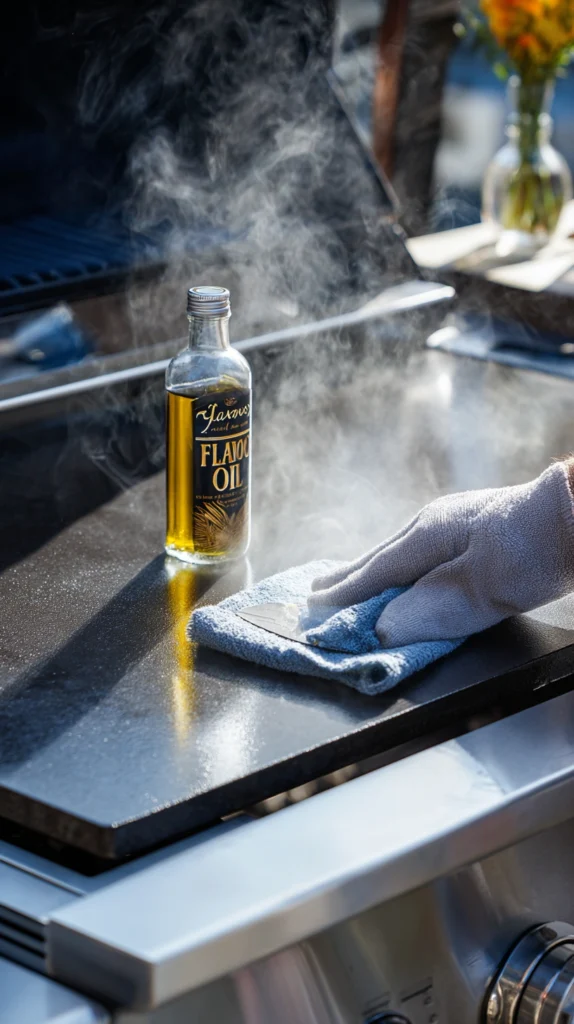
Flaxseed oil is widely considered the best all-around option for seasoning a griddle, producing one of the hardest and most durable seasoning layers of any commonly available oil. Its high polyunsaturated fat content is what makes it polymerize so effectively at high heat.
Smoke point: approximately 225°F (107°C), which is lower than many other oils on this list, but this actually works in flaxseed oil’s favor for seasoning specifically, since it polymerizes fully at a temperature most griddles reach easily.
Flaxseed oil should be applied in an extremely thin layer, since it has a tendency to become tacky or flake if applied too thickly, unlike some other oils that are more forgiving of a slightly heavier coat. Multiple thin layers, each fully heated and cooled before the next, produce a better result than one thick application.
Cost consideration: Flaxseed oil typically costs more per ounce than vegetable or canola oil, and it has a shorter shelf life once opened, so it’s best purchased in smaller quantities specifically for seasoning use rather than as a everyday cooking oil.
Vegetable Oil
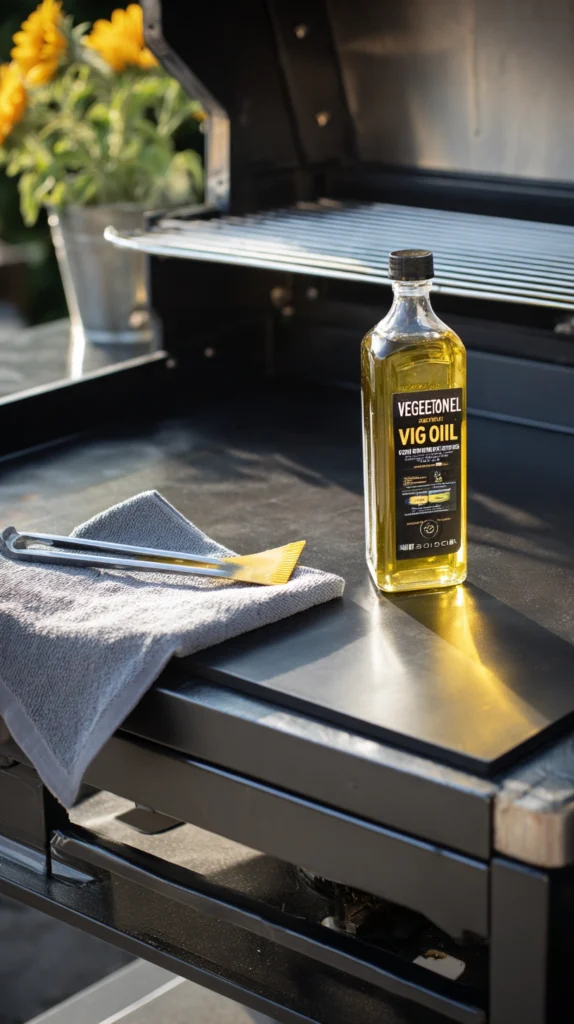
Vegetable oil is one of the most practical, widely available choices for both initial seasoning and ongoing maintenance oiling, largely because of its low cost and easy availability at any grocery store. It doesn’t produce quite as hard a seasoning layer as flaxseed oil, but the difference is minor for most home cooking needs.
Smoke point: approximately 400-450°F (204-232°C), giving it plenty of headroom for the high-heat seasoning process without risk of burning too quickly.
Because vegetable oil is affordable and easy to find, it’s a practical choice for the routine, after-every-use oiling step that keeps a griddle protected between cooking sessions, not just the initial seasoning process. This makes it one of the more sustainable long-term choices if you’re seasoning and maintaining the griddle regularly.
Cost consideration: This is typically the cheapest option on this list, making it a sensible everyday choice even if you use a different oil for the more intensive initial seasoning process.
Canola Oil
Canola oil performs almost identically to vegetable oil for griddle seasoning purposes, with a similarly high smoke point and low cost, though some cooks prefer its slightly more neutral flavor profile for food that touches the surface directly.
Smoke point: approximately 400°F (204°C), comparable to vegetable oil and well suited to the seasoning process.
Like vegetable oil, canola oil is widely available and inexpensive, making it a practical choice for both initial seasoning and the ongoing maintenance oiling step after each cleaning. Its lighter flavor is a minor advantage for anyone concerned about oil taste transferring to delicate foods like eggs or pancakes.
Cost consideration: Similarly priced to vegetable oil and available in the same large, economical bottle sizes at most grocery stores.
Grapeseed Oil
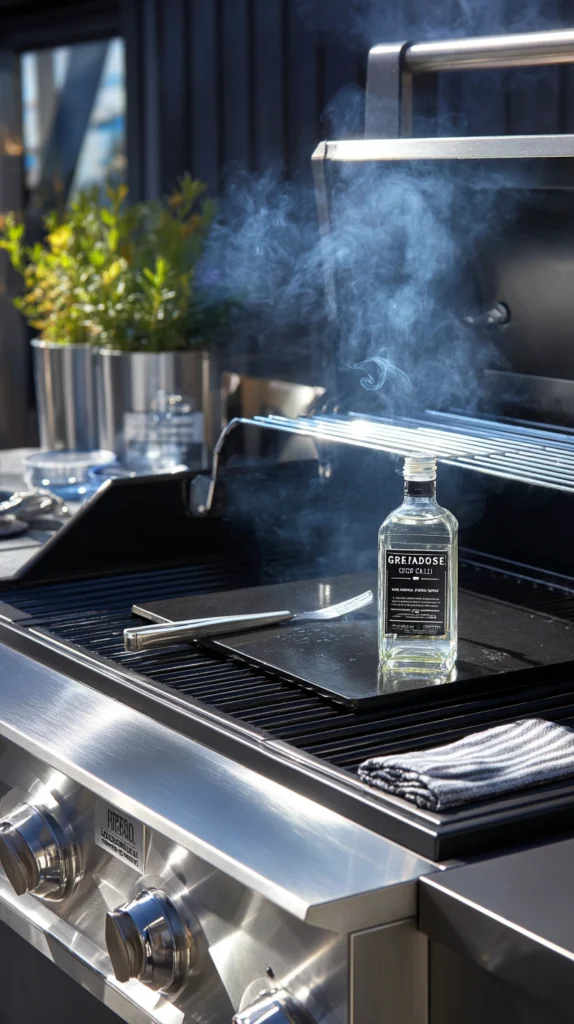
Grapeseed oil offers a notably high smoke point and a very neutral flavor, making it a popular choice among cooks who want a seasoning oil that won’t affect the taste of delicate foods. It performs well for seasoning, though it typically costs more than vegetable or canola oil.
Smoke point: approximately 420°F (216°C), slightly higher than vegetable or canola oil, giving it a comfortable margin for the seasoning process.
Grapeseed oil’s neutral flavor makes it a good choice for anyone who has noticed an off-taste from other oils on delicate foods, though the practical seasoning performance is similar to vegetable or canola oil overall. This is more of a preference-based choice than a significant performance upgrade.
Cost consideration: Grapeseed oil generally costs noticeably more than vegetable or canola oil, which is worth weighing against the relatively small practical benefit for most home cooking situations.
Avocado Oil
Avocado oil has one of the highest smoke points of any common cooking oil, making it a strong option for griddle seasoning, particularly for anyone who regularly cooks at very high temperatures. It also has a good concentration of monounsaturated fats that support a solid seasoning bond.
Smoke point: approximately 500-520°F (260-271°C), among the highest of any oil commonly used for cooking or seasoning.
This very high smoke point gives avocado oil an unusually wide safety margin during the seasoning process, making it more forgiving if the griddle runs slightly hotter than intended during a seasoning session. Its rich, slightly buttery flavor is also well liked for actual cooking, not just seasoning.
Cost consideration: Avocado oil is one of the pricier options on this list, generally costing more per ounce than vegetable, canola, or even grapeseed oil, which may factor into how often you choose to use it for routine maintenance oiling versus occasional deep seasoning sessions.
Coconut Oil
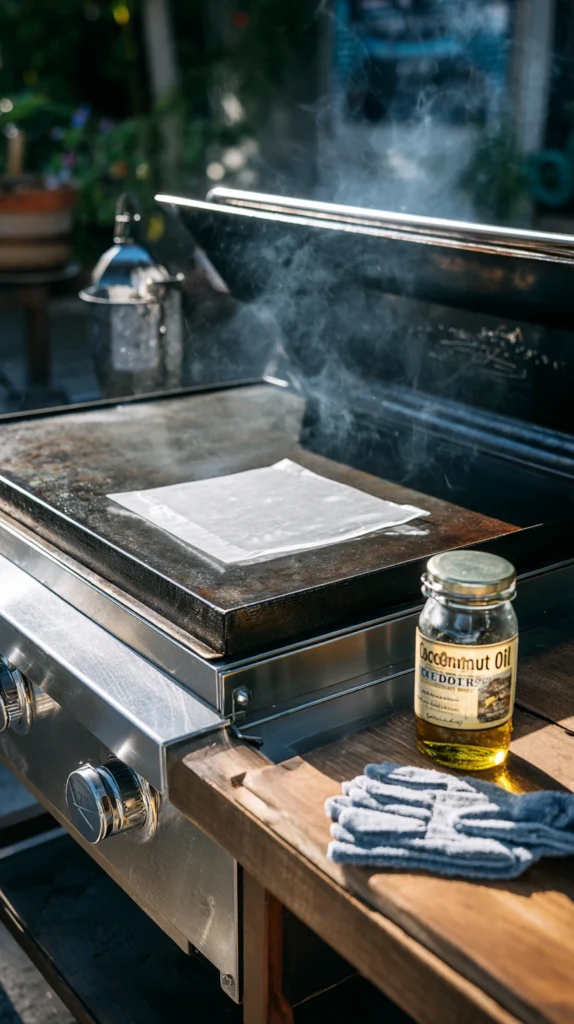
Coconut oil is sometimes used for griddle seasoning, though it performs less consistently than the other oils on this list due to its higher saturated fat content, which doesn’t polymerize as effectively as polyunsaturated oils.
Smoke point: approximately 350°F (177°C) for refined coconut oil, somewhat lower than vegetable or canola oil.
Because coconut oil is solid at room temperature, it requires melting before it can be applied evenly across a griddle surface, adding an extra step compared to naturally liquid oils. The resulting seasoning layer also tends to be softer and less durable over time compared to flaxseed or vegetable oil.
Cost consideration: Coconut oil is moderately priced but generally not recommended as a primary seasoning oil given its lower performance, making it a better fit for actual cooking rather than the seasoning process itself.
Oils to Avoid for Seasoning
Butter and margarine have low smoke points and contain milk solids that burn easily, making them a poor choice for seasoning despite being fine for actual cooking on an already-seasoned surface.
Extra virgin olive oil has a relatively low smoke point and a strong flavor that can turn bitter when heated to seasoning temperatures, and it doesn’t polymerize as effectively as higher smoke-point oils.
Lard and other animal fats, while historically used for seasoning cast iron, tend to produce a softer, less durable seasoning layer on a griddle compared to modern polyunsaturated plant oils, and can also go rancid more easily in humid conditions.
Oil Comparison at a Glance
Best overall seasoning performance: Flaxseed oil, due to its high polyunsaturated fat content and reliable polymerization.
Best value for regular use: Vegetable or canola oil, offering solid performance at the lowest cost per use.
Best for high-heat cooking: Avocado oil, given its exceptionally high smoke point and good flavor for actual food preparation.
Best neutral flavor: Grapeseed oil, for cooks especially sensitive to any oil taste transferring to food.
Not recommended: Butter, extra virgin olive oil, and lard, due to low smoke points or inconsistent seasoning results.
How to Apply Any Seasoning Oil Correctly
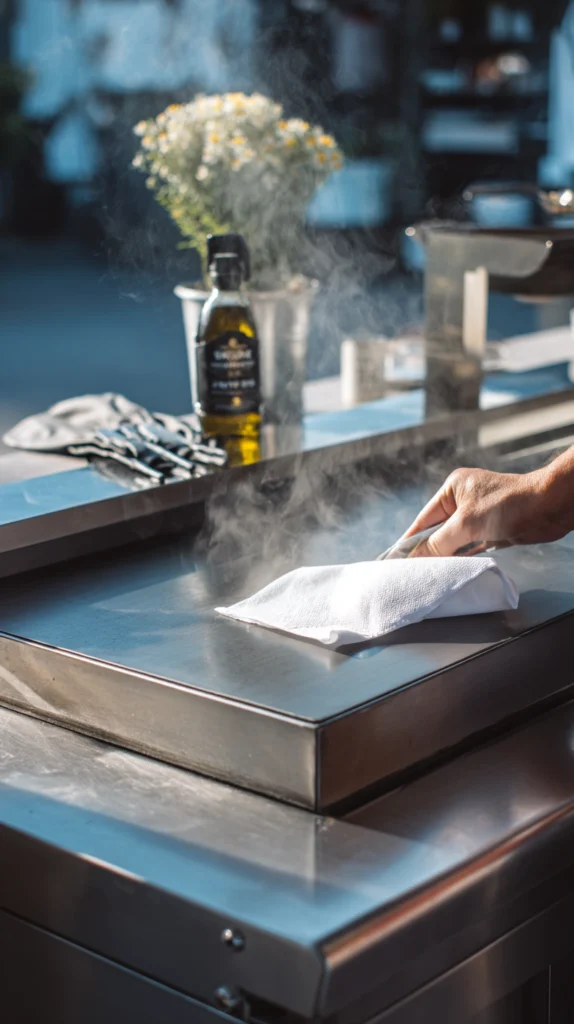
Step 1: Ensure the griddle surface is clean and completely dry before applying any oil, since trapped moisture underneath prevents proper polymerization.
Step 2: Apply a thin, even layer using a paper towel, working the oil across the entire surface including the edges, and wiping away any excess pooling in one spot.
Step 3: Heat the griddle until the oil begins to smoke lightly, which signals that polymerization is taking place.
Step 4: Let the griddle cool slightly, then repeat the process 2-4 times for a fully built-up seasoning layer, whether you’re seasoning a brand-new griddle or restoring the surface after a deep clean.
Should You Mix Oils?
Sticking with one oil consistently, rather than switching between different oils from session to session, tends to produce a more even and predictable seasoning layer over time.
That said, using flaxseed oil for the more intensive initial seasoning process and switching to a more affordable oil like vegetable or canola for routine after-use maintenance is a common and practical approach that balances performance with everyday cost.
Signs Your Seasoning Oil Is Working Well
A properly seasoned surface should look slightly glossy and dark, with a smooth, even finish rather than patchy, sticky, or dull spots. This even sheen is a good visual indicator that the oil has fully polymerized rather than just sitting on the surface unheated.
Food should release easily with minimal sticking once the seasoning layer is properly built up, particularly for items like eggs and pancakes that are especially prone to sticking on an under-seasoned surface.
If you notice the surface still feels tacky or sticky to the touch well after cooling, this usually means either too much oil was applied in a single layer, or the griddle wasn’t heated long enough to fully polymerize the oil during the seasoning process. Wiping away the excess and re-heating the surface again typically resolves this issue.
How Oil Choice Affects Long-Term Maintenance
The oil used for ongoing, after-every-use maintenance doesn’t need to match the oil used for the more intensive initial seasoning process, since routine oiling is more about protecting the existing seasoned layer from rust than building a brand-new one.
A light, inexpensive oil like vegetable or canola is entirely sufficient for this daily maintenance step, since you’re simply adding a thin protective barrier rather than trying to build up hardness from scratch each time.
Reserving a pricier oil like flaxseed or avocado oil specifically for periodic deep-seasoning sessions, rather than every single use, is both more cost-effective and unnecessary from a performance standpoint, since the existing seasoning layer only needs occasional reinforcement rather than being rebuilt after every meal.
Storing Seasoning Oils Properly
Oils with a higher polyunsaturated fat content, including flaxseed oil in particular, are more prone to going rancid once opened compared to more stable oils like vegetable or canola.
Store flaxseed oil in the refrigerator after opening to extend its usable shelf life, and check for any off or bitter smell before using it, since rancid oil won’t polymerize properly and can affect the flavor of food cooked on the griddle afterward.
Vegetable and canola oil are more shelf-stable at room temperature, though keeping any cooking oil away from direct heat and sunlight helps preserve its quality for seasoning purposes over a longer period.
Buying smaller bottles of pricier oils like flaxseed or avocado oil, rather than large bulk containers, helps ensure the oil gets used while still fresh, particularly if you’re only using it occasionally for deep seasoning sessions rather than daily maintenance.
Remember
Choose an oil with a high smoke point and a strong polyunsaturated fat content for the best seasoning results, apply oil in thin layers rather than thick pooled coats regardless of which oil you choose, stick with the same oil consistently for the most even seasoning buildup over time, avoid butter, olive oil, and lard for the seasoning process specifically even though they’re fine for regular cooking, and remember that the seasoning process is ongoing rather than a one-time task, since the surface improves the more consistently it’s cared for.