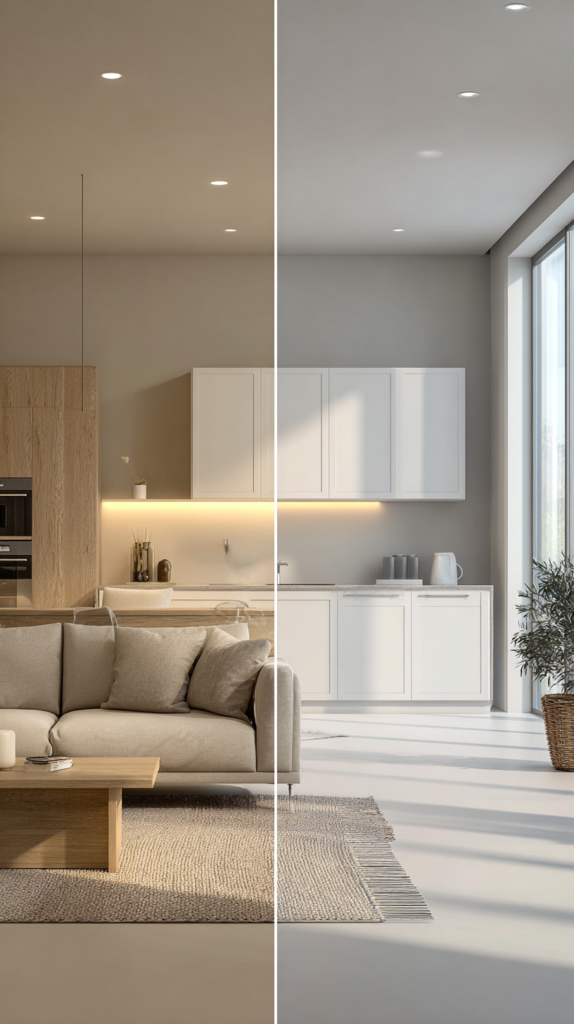
Warm vs Cool Lighting: Which Is Best for Each Room in Your Home
Two identical rooms, painted the exact same color, can feel completely different depending on nothing more than the color temperature of the bulbs installed in them.
This is one of the more underrated variables in home design, mostly because it’s invisible until you actually notice it. Nobody walks into a room and consciously thinks “this is 5000K light,” they just feel like something’s slightly off, too clinical, too dim, too yellow, without ever tracing it back to the bulb.
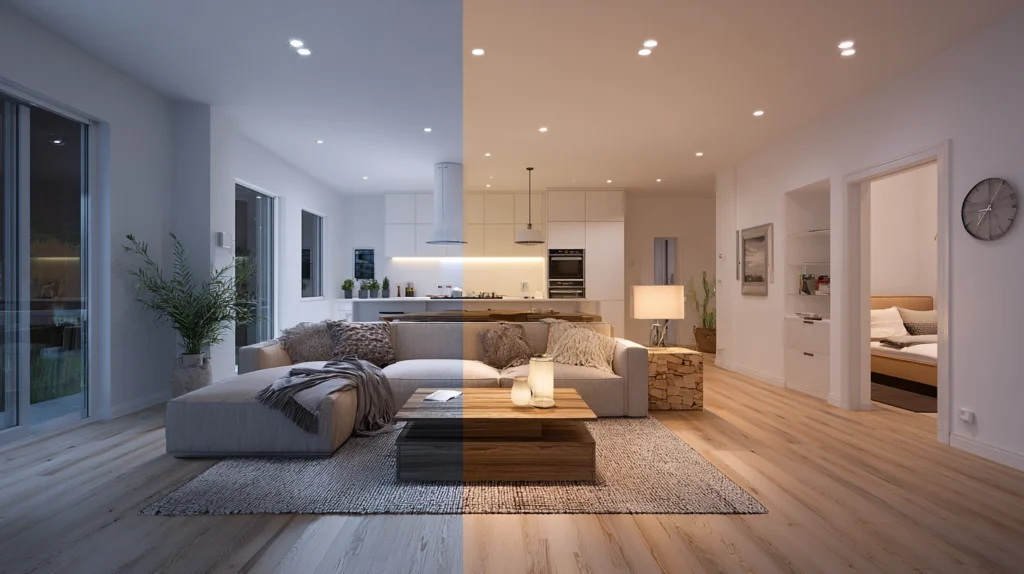
Here’s how warm and cool lighting actually differ, and which one genuinely suits each room in a typical home rather than defaulting to whatever bulb came in the fixture’s box.
What Warm and Cool Actually Mean in Practical Terms
Light color temperature is measured in Kelvin, and despite the confusing convention, lower numbers mean warmer, more yellow-toned light while higher numbers mean cooler, bluer light.
- Warm white, roughly 2700K to 3000K, produces a yellow-orange glow similar to traditional incandescent bulbs or candlelight
- Neutral white, roughly 3500K to 4100K, sits in between, offering a more balanced tone without leaning strongly yellow or blue
- Cool white, roughly 5000K to 6500K, produces a bright, blue-white light closer to daylight or overcast sky conditions
Most home lighting mistakes come from mixing color temperatures unintentionally within the same room, rather than from choosing the wrong temperature outright, since a warm lamp next to a cool overhead fixture creates a visibly mismatched, uneven look even when both bulbs are individually fine choices.
Why Color Temperature Affects Mood More Than Most People Expect
Color temperature has a genuine, measurable effect on how alert or relaxed a space feels, which is why the choice matters well beyond simple aesthetic preference.
- Warmer light tends to feel calming and cozy, mimicking the natural light quality of sunset or firelight that the body associates with winding down
- Cooler light tends to feel energizing and alert, mimicking daylight conditions that the body associates with wakefulness and focus
- Research on circadian rhythm shows that cooler, bluer light in the evening can genuinely interfere with the body’s natural wind-down process before sleep
- The same physical space can feel entirely different in mood purely based on which end of this spectrum its lighting falls into, independent of wall color, furniture, or decor
If a room feels subtly wrong despite good design choices elsewhere, mismatched or poorly chosen color temperature is worth investigating before assuming the problem is with the furniture or paint.
It’s worth noting that this effect isn’t purely psychological either. Blue-heavy light in the cooler range suppresses melatonin production more than warm light does, which is why sleep researchers consistently recommend winding down under warmer lighting in the hours before bed. This is also why so many phones and laptops now include a built-in night mode that shifts the screen toward warmer tones in the evening, applying the exact same underlying principle to a device rather than a room.
Living Rooms Generally Call for Warm Light
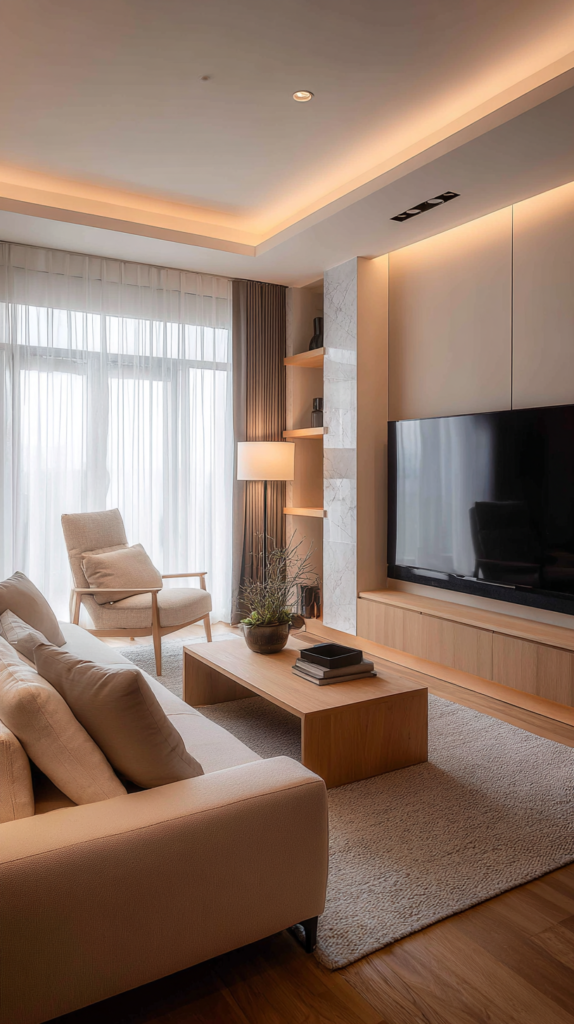
Living rooms are almost always a space meant for relaxing, socializing, and unwinding, which makes warm light in the 2700K to 3000K range the more natural fit for the majority of fixtures in this room.
- Warm light flatters skin tones and makes a living room feel genuinely inviting rather than clinical
- Layering several warm light sources at different heights, a floor lamp, a table lamp, and an overhead fixture, tends to create a more atmospheric result than a single bright source alone
- A dimmer switch paired with warm bulbs offers the most flexibility, letting the room shift from brighter for daytime activities to considerably softer for evening use
Reserve any cooler light in a living room for a specific task area, like a reading corner, rather than using it as the room’s primary ambient source, since cool light throughout an entire living room tends to undercut the relaxed, social atmosphere this space usually needs.
A living room that hosts a television or a home theater setup is one place where a slightly cooler accent light behind or near the screen can genuinely help reduce eye strain during viewing, without needing to change the room’s overall warm ambient lighting. This is a narrow exception worth knowing about, rather than a reason to reconsider warm lighting for the room as a whole.
Kitchens Benefit From a Mix, Anchored by Task-Focused Cool Light
Kitchens are one of the few rooms in a home where cooler light genuinely earns its place, specifically over food preparation and work surfaces where visual clarity actually matters.
- Task areas like the counter, stove, and sink benefit from neutral to cool light, roughly 3500K to 4000K, since this range makes it easier to judge food doneness, read labels, and spot mess or spills clearly
- Ambient lighting elsewhere in the kitchen, particularly over a dining nook or island seating area, can lean warmer to keep the space feeling welcoming rather than clinical
- Under-cabinet task lighting specifically benefits from a cooler, brighter temperature, since this is where the most detail-oriented work, chopping, reading recipes, actually happens
A kitchen that mixes a cooler task light directly over the counters with warmer ambient fixtures elsewhere in the room typically strikes the best balance between genuine functionality and a still-comfortable atmosphere.
Open-concept homes where the kitchen flows directly into a living or dining area present a particular challenge here, since a harsh contrast between a bright, cool kitchen and a warm adjacent living space can feel visually jarring rather than intentional. In this layout, leaning the kitchen’s ambient lighting slightly warmer than a fully enclosed kitchen might otherwise call for, while still keeping task lighting cooler directly over work surfaces, tends to bridge the two zones more comfortably than treating the kitchen as a completely separate lighting environment.
Bedrooms Should Lean Warm, Especially for Evening Use
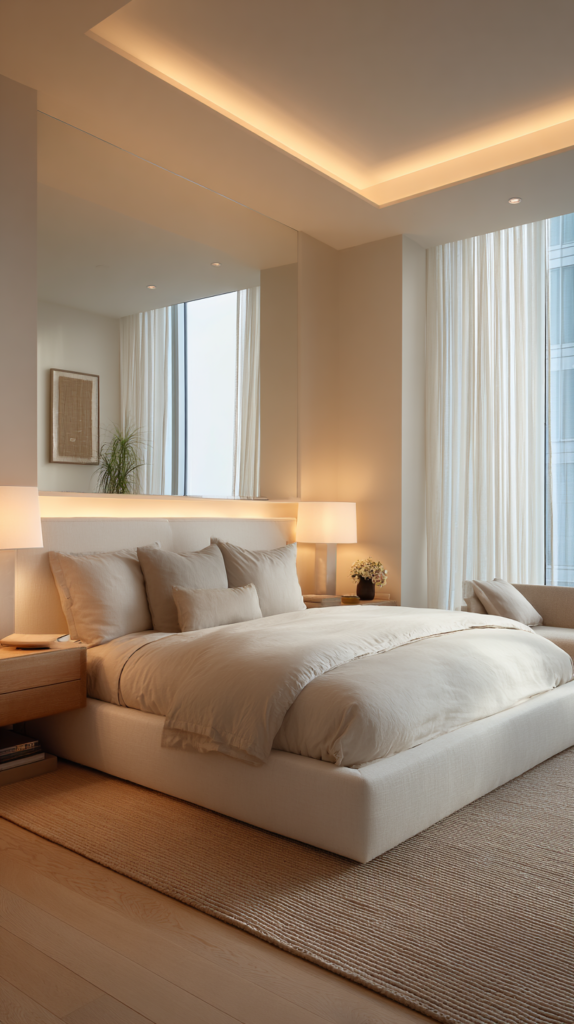
Bedrooms are specifically a wind-down space, and warm light in the 2700K range supports that function far better than the cooler, more energizing light appropriate for a home office or kitchen workspace.
- Bedside lamps and any evening-use fixtures should sit firmly in the warm range, since cooler light this close to bedtime can genuinely interfere with natural melatonin production and make falling asleep more difficult
- A closet or dressing area within the bedroom is one reasonable exception, where slightly cooler, more neutral light can help with accurately judging clothing colors
- Smart bulbs that shift color temperature throughout the day, warmer in the evening and cooler in the morning, are particularly well suited to a bedroom specifically because they support the room’s dual function as both a wake-up and wind-down space
If a bedroom currently uses a bright, cool overhead fixture as its primary light source, swapping to warmer bulbs is one of the simplest, least expensive changes likely to noticeably improve how restful the room actually feels.
Children’s bedrooms are worth a specific mention here too, since the temptation to install brighter, cooler lighting for homework or reading is understandable but often works against the room’s other main function as a place to actually fall asleep. A dedicated desk lamp with cooler light for focused homework time, paired with warmer ambient lighting for the rest of the room, usually serves a child’s bedroom better than making the entire space uniformly bright and cool.
Bathrooms Depend Heavily on Their Specific Function
Bathrooms split more evenly between warm and cool than almost any other room, mainly because they serve genuinely different functions depending on the time of day and the specific task at hand.
- Vanity lighting used for makeup application, shaving, or skincare benefits from a neutral to cool temperature, roughly 3500K to 4000K, since this range most closely resembles daylight and helps you judge how you’ll actually look once you step outside
- A softer, warmer light works well for a bathroom’s general ambient lighting, particularly in a space that doubles as a relaxing bath or shower retreat
- Poor vanity lighting, especially anything too warm or too dim, is a common reason people struggle to apply makeup accurately or notice grooming issues only after leaving the house
Vanity task lighting specifically should prioritize accuracy over cozy atmosphere, even in an otherwise warm-toned bathroom, since this is the one spot in the room where color accuracy has real practical consequences.
Light positioning matters just as much as color temperature in a bathroom vanity specifically, since a single overhead fixture, regardless of its Kelvin rating, tends to cast unflattering shadows across the face. Vertical sconces positioned on either side of the mirror at roughly face height generally deliver more even, accurate light than a single fixture mounted above the mirror alone, which is worth considering alongside the color temperature decision rather than as a separate issue entirely.
Home Offices Perform Best Under Cooler, Brighter Light
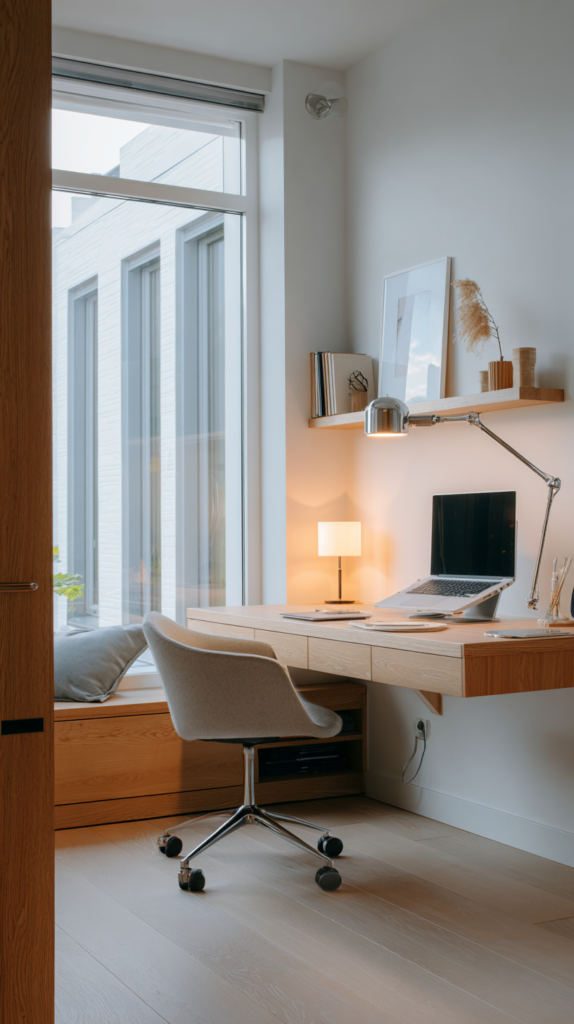
A home office is one of the clearer cases where cooler light genuinely supports the room’s actual purpose, since focus and alertness benefit from brighter, bluer light in a way that relaxation-oriented rooms don’t.
- Task lighting directly over a desk benefits from neutral to cool light, roughly 4000K to 5000K, supporting sustained focus during work hours
- Natural daylight, when available, remains the best light source for a home office during working hours, with artificial cool lighting serving mainly as supplemental support on darker days or into the evening
- Shifting toward warmer light in the same office space after work hours can help signal a genuine transition away from focused work mode, especially in a home office used at varying times throughout the day
A home office that stays lit with the same cool, bright temperature well into the evening can make it considerably harder to mentally disengage from work mode, so consider a secondary warmer lamp specifically for after-hours use in the same room.
Video calls add another layer worth considering in a home office specifically, since cooler light tends to read as more washed out and less flattering on camera than a slightly warmer, softer light source positioned to illuminate the face directly. Many people troubleshoot poor video call lighting by adjusting camera settings or software filters, when the simpler fix is often just swapping to a warmer bulb in whatever lamp sits closest to the desk.
Dining Rooms Benefit From Warm, Dimmable Light
Dining rooms serve a specifically social, often evening-oriented function, and warm light in the 2700K to 3000K range consistently performs better here than cooler alternatives.
- Warm light flatters both food and the people eating it, which matters more in a dining room than almost anywhere else in the home
- A dimmable fixture matters considerably in this room specifically, since the same space often needs brighter light for a casual weekday meal and much softer light for an evening dinner party
- Candlelight-adjacent warm tones, closer to 2400K to 2700K, work particularly well if the room is used frequently for entertaining or special occasion meals
Avoid cool white bulbs in a dining room almost entirely, since this color temperature tends to make food look less appetizing and gives the whole gathering a colder, less social atmosphere than warm light provides.
Restaurants understand this principle better than most home lighting decisions do, which is why very few dining establishments use cool white lighting over their tables regardless of their overall style or price point. Borrowing that same logic for a home dining room, even a casual, everyday one rather than a formal space reserved for special occasions, tends to make meals feel more appealing and the whole experience more pleasant on an ordinary weeknight.
Outdoor and Entryway Lighting Depends on the Specific Goal
Exterior and entry lighting splits based on function more than almost any interior space, since security, safety, and welcoming atmosphere sometimes call for different temperatures.
- A warm porch or entryway light creates a welcoming first impression and suits most residential exteriors better than a stark, cool alternative
- Security-focused lighting, like motion-activated floodlights, often benefits from cooler, brighter light specifically because this range improves how clearly security cameras and the human eye can pick up detail in low-light conditions
- Pathway and landscape lighting generally leans warm for aesthetic reasons, since this range integrates more naturally with a garden setting than a cooler, more clinical temperature would
Keep the specific goal in mind room by room outdoors just as much as indoors, since a warm, welcoming front porch light and a cool, functional security floodlight are both correct choices, just for entirely different purposes.
A covered patio or outdoor living area used for entertaining generally falls closer to indoor living room logic than security lighting logic, since the goal there is comfort and atmosphere rather than visibility or deterrence. Treating every exterior fixture on a property as though it needs the same cool, bright temperature usually results in a harshly lit yard that undercuts any outdoor space meant for relaxing rather than simply being seen.
How to Actually Test This in Your Own Home
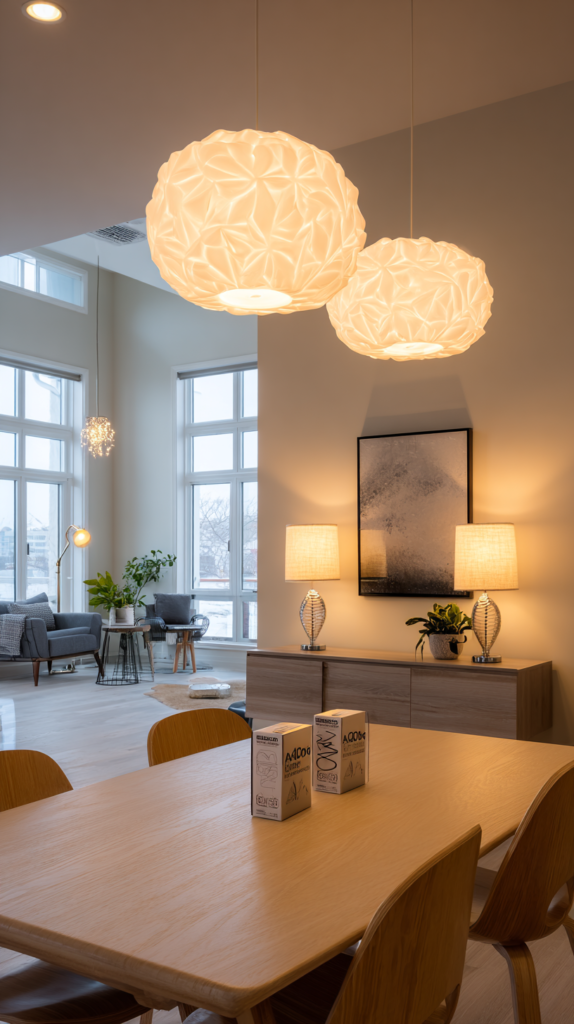
Reading about color temperature only goes so far, since the real difference is much easier to notice in person than to imagine from a description.
- Buy a couple of bulbs at different color temperatures, one warm and one cool, and swap them into the same fixture to compare directly rather than relying on memory of how a bulb looked somewhere else
- Test bulbs in the evening specifically, since color temperature differences tend to feel more pronounced after dark than during daylight hours
- Pay attention to how a room feels, not just how it looks, since color temperature affects mood and energy level in ways that aren’t always obvious from a quick visual glance
Most hardware stores sell inexpensive sample bulbs specifically for this kind of testing, and the modest cost of trying a couple of options directly in your own fixtures is almost always worth it before committing to replacing every bulb in a room at once.
The One Mistake Worth Avoiding Above All Others
Mixing color temperatures unintentionally within the same visual space causes more complaints about “off” or uncomfortable lighting than choosing the wrong temperature outright ever does.
A room lit entirely in cool white, or entirely in warm white, generally reads as coherent and intentional even if it’s not everyone’s personal preference, while a room with one cool bulb and one warm bulb visible at the same time almost always looks like a mistake rather than a deliberate choice, regardless of which specific temperatures are involved.
Before replacing a single bulb anywhere else in the house, it’s worth doing a quick walkthrough of every fixture already installed and noting which color temperature each one currently produces. More often than not, the least expensive fix available isn’t buying new lighting at all, it’s simply standardizing the bulbs already in place so every fixture within the same sightline matches, rather than assuming a full lighting overhaul is the only way to fix a room that feels subtly off.