15 Houseplant Display Ideas That Just Feel Right
Successful houseplant displays transcend mere functional placement, creating intentional botanical presentations where plants become integral design elements rather than random green additions scattered throughout homes.
The distinction between haphazard plant accumulation and thoughtful display lies in understanding design principles including grouping, height variation, container coordination, and the kind of considered placement that makes arrangements feel complete, balanced, and genuinely purposeful.
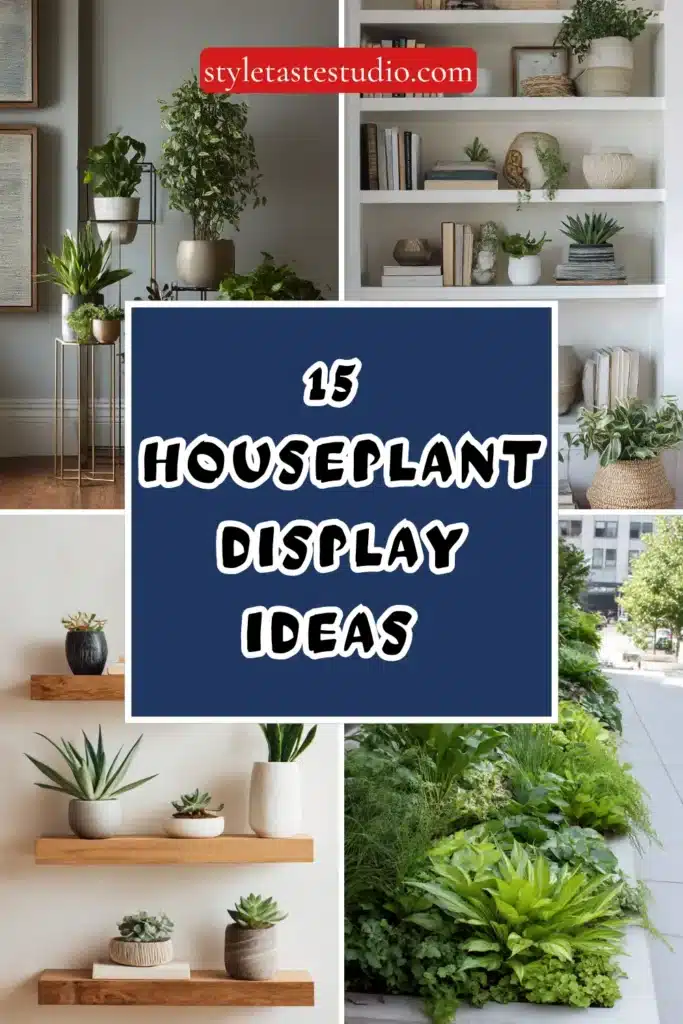
Strategic display incorporating these elements transforms ordinary plant collections into curated indoor gardens that enhance rather than clutter living spaces while honoring the plants themselves through proper positioning supporting their health and growth requirements. These displays feel right because they balance aesthetic appeal with practical function, creating arrangements that satisfy both design sensibilities and horticultural needs.
These fifteen houseplant display ideas demonstrate diverse approaches from minimalist single-specimen presentations to abundant jungle-like groupings, each proving that thoughtful curation creates plant displays that enhance homes while providing the kind of visual satisfaction that comes from arrangements feeling instinctively correct and intentionally composed.
1. Windowsill Linear Garden
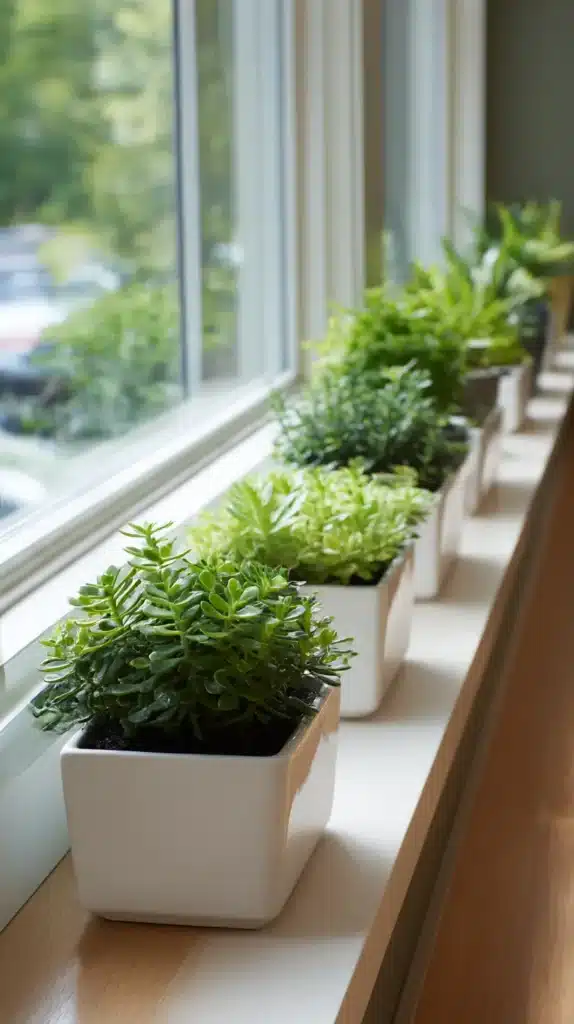
Arrange plants in tidy rows along windowsills using identical containers creating organized displays that feel deliberate and considered rather than haphazard while maximizing natural light access. Choose planters in uniform sizes and materials maintaining visual cohesion despite varied plant types, position from tallest to shortest creating gentle gradients, or maintain uniform heights for strict minimalism.
The linear arrangement appears intentional and organized while the window placement ensures adequate light. Limit collections to single window treatments rather than filling every available sill preventing overwhelming plant density that can feel chaotic rather than curated.
2. Clustered Corner Jungle
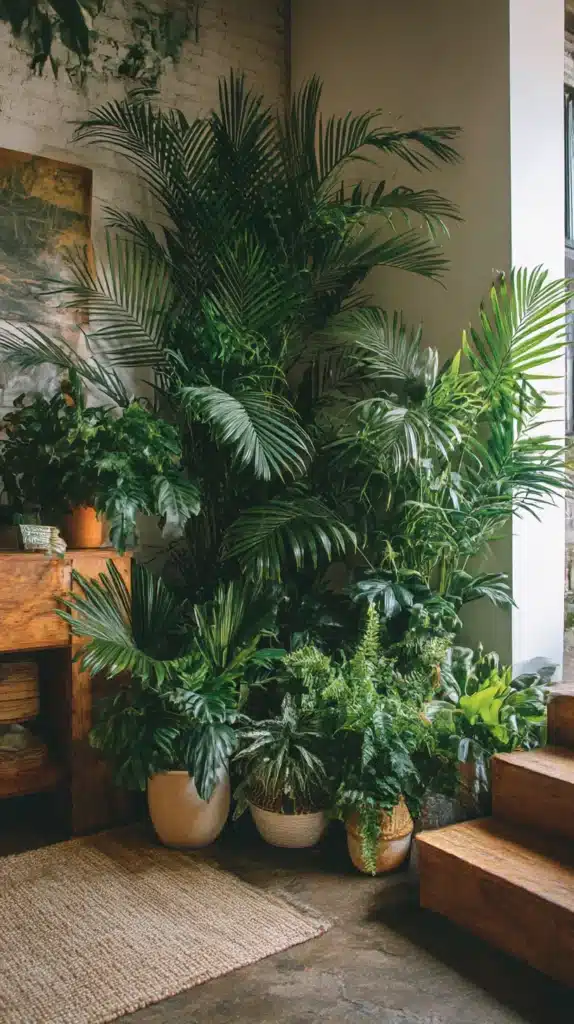
Create lush botanical moments by grouping multiple plants of varied heights, textures, and sizes in single corners establishing concentrated green zones while leaving remaining spaces relatively plant-free. Position tall floor plants creating backdrop layers, add medium specimens on stands at mid-heights, and include small plants on lower surfaces creating complete layered compositions.
The concentrated approach allows genuine jungle density in specific locations while restraint elsewhere maintains breathing room and prevents plant overload. Choose corners with adequate natural light ensuring clustered plants receive necessary illumination despite their concentrated positioning.
3. Floating Shelf Minimalism
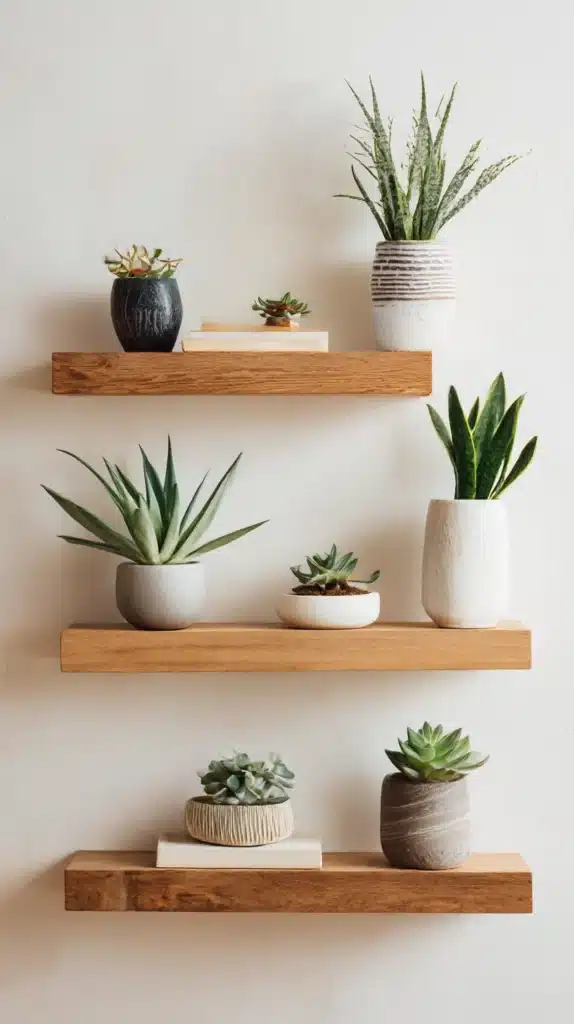
Display plants on dedicated floating shelves creating gallery-like presentations that elevate botanical specimens to featured design elements worthy of prominent exhibition and careful appreciation. Install simple floating shelves in materials coordinating with room décor, arrange plants with generous spacing between specimens allowing each proper appreciation, and include only carefully selected plants worthy of featured positions.
The elevated display creates intentional presentations while the dedicated shelving signals that plants represent designed elements rather than random additions. Limit shelf contents maintaining negative space allowing individual plants genuine visual impact.
4. Matching Pot Collections
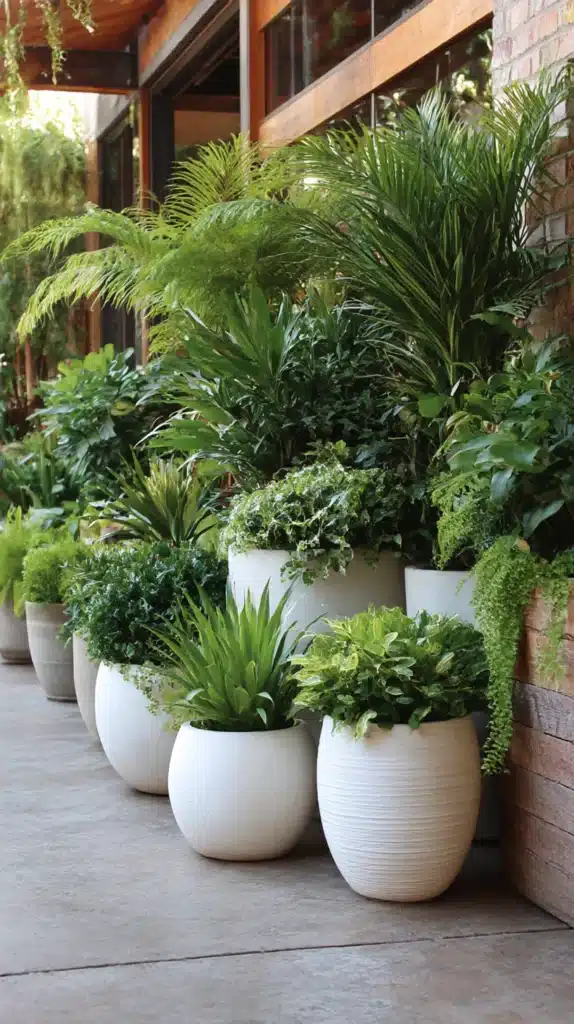
Establish visual cohesion through identical or closely coordinating planters creating order and intentionality despite diverse plant varieties and sizes within collections, demonstrating curatorial restraint and design discipline.
Choose planters in single materials—all terracotta, all white ceramic, all concrete, or all woven baskets—maintaining consistent aesthetic throughout spaces. Use varied sizes of identical planter styles accommodating different plant scales while the matching aesthetic creates deliberate curation. The uniform containers prevent chaotic appearance while allowing plant diversity to provide all necessary visual variation.
5. Sculptural Plant Stands
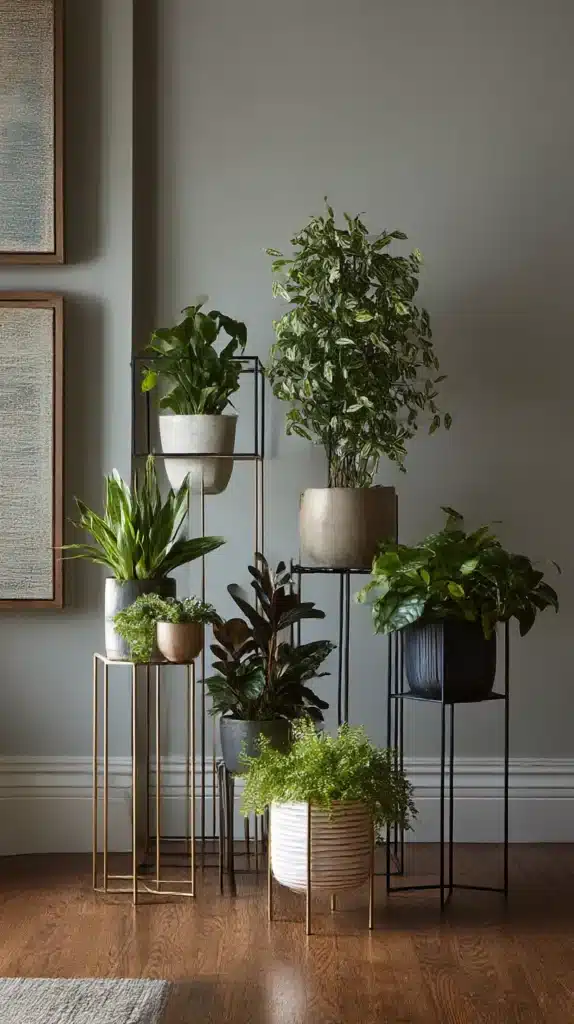
Elevate specimens on minimal stands creating varied heights and establishing plants as exhibited pieces worthy of proper presentation rather than simply positioned on available surfaces. Choose stands in materials coordinating with existing furnishings including natural wood, matte black metal, or white-painted designs maintaining minimal aesthetics.
Vary stand heights creating dimensional variety while ensuring adequate light reaches all displayed plants. The elevated display creates gallery presentations while the stands themselves contribute minimalist sculptural interest.
6. Hanging Plant Layering
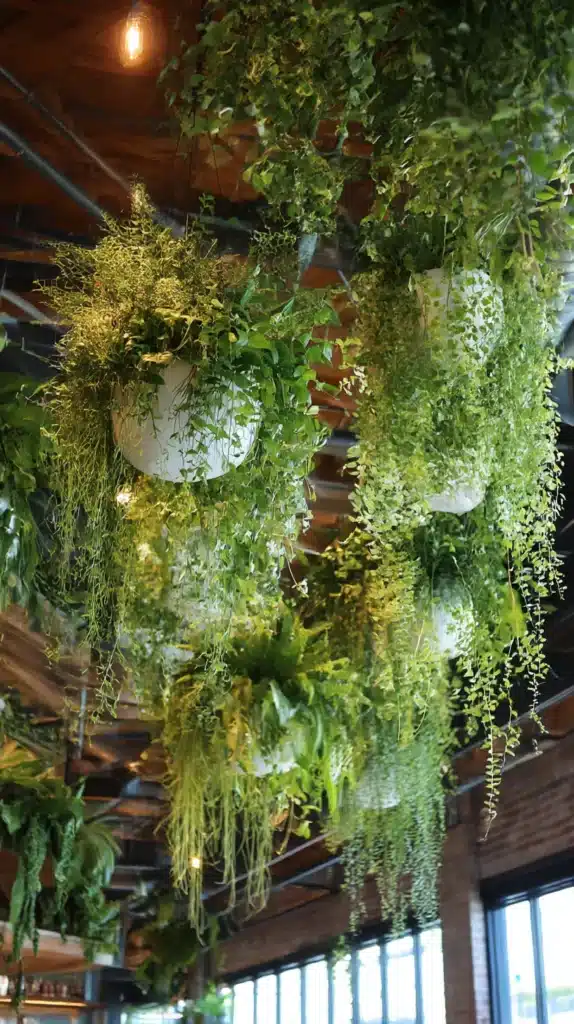
Create dimensional interest through suspended plants at varied heights utilizing overhead space without consuming valuable floor or surface area while trailing growth habits add dynamic living elements. Hang plants in simple matching planters maintaining aesthetic consistency, position at different heights creating layered effects, and limit quantities preventing overwhelming busy feelings multiple suspended plants can create. The vertical utilization maximizes space while trailing plants add graceful movement and organic softness.
7. Bookshelf Integration
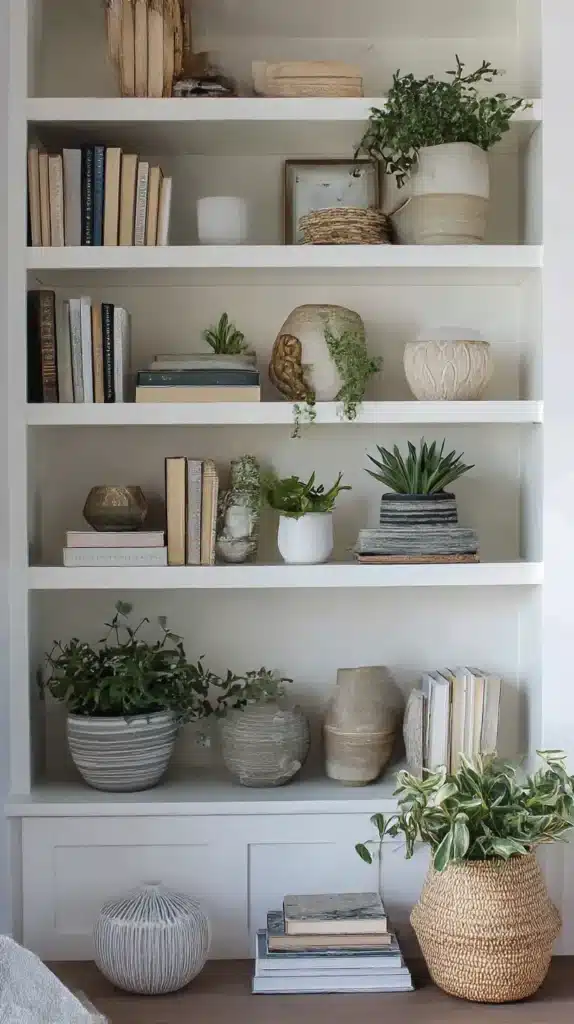
Incorporate plants thoughtfully on bookshelves among books and decorative objects creating more dynamic visually interesting shelf styling where greenery adds life and textural contrast. Position small plants breaking up linear book spines, use trailing varieties cascading over shelf edges adding movement, and select containers coordinating with shelf styling creating cohesive presentations. The integration adds natural elements softening hard architectural shelving while the living plants prevent bookshelves from feeling static or purely functional.
8. Single Statement Floor Plant
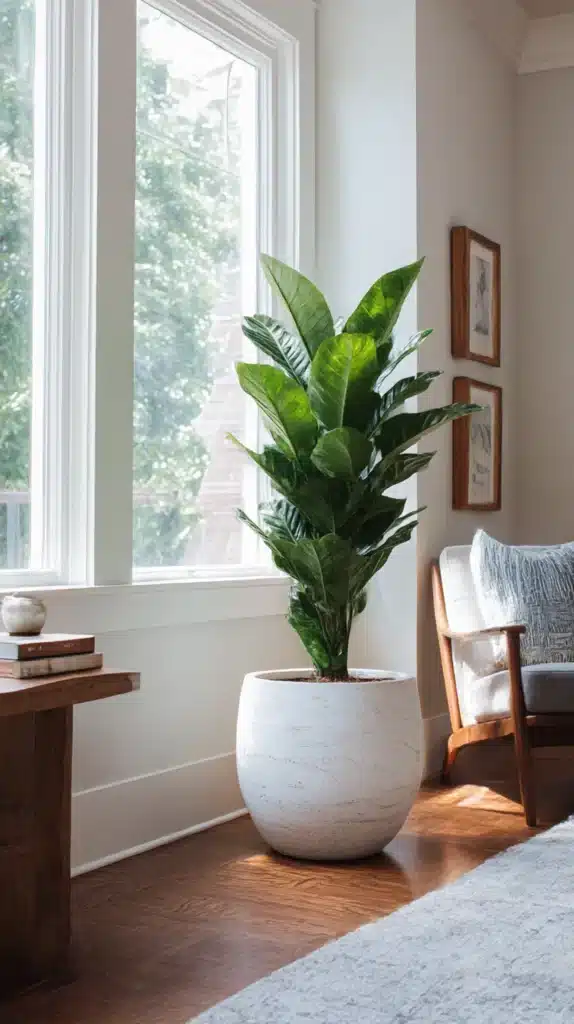
Feature individual substantial floor plants positioned as deliberate focal points creating dramatic impact through impressive scale rather than overwhelming quantity, demonstrating that sometimes less truly is more.
Choose architecturally significant specimens including fiddle leaf figs, large monstera, dramatic bird of paradise, or sculptural palms in substantial sizes making genuine statements. Position where they receive proper light while their dramatic forms anchor seating areas or fill empty corners. The single-plant approach delivers green presence through impressive scale rather than numerous small specimens.
9. Bathroom Spa Collection
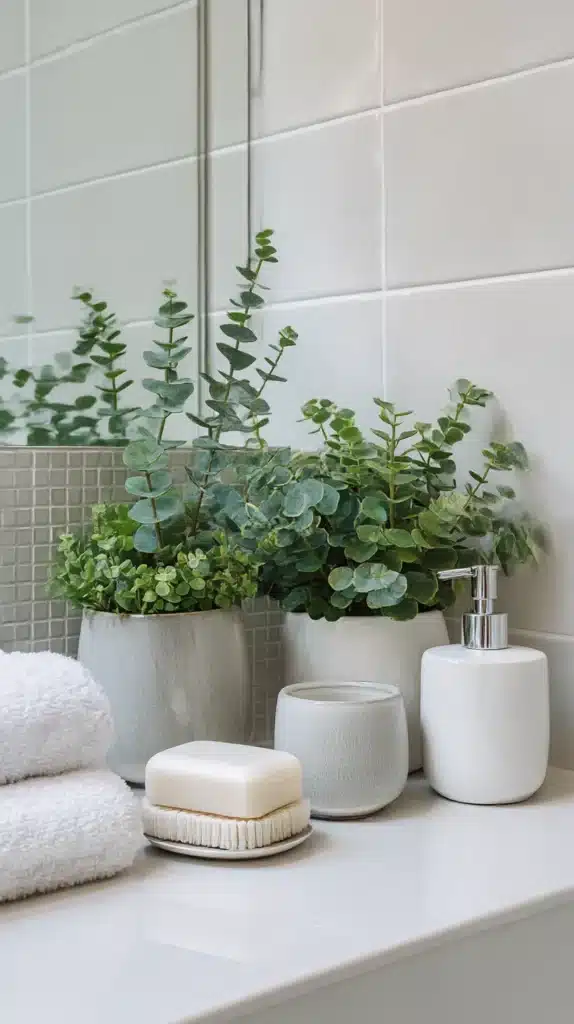
Group moisture-loving plants in bathrooms creating spa-like atmospheres while the humid environment provides ideal growing conditions for ferns, orchids, and tropical varieties that struggle in drier rooms.
Arrange plants on counters, windowsills, or shelving creating lush green moments, choose varieties tolerating bathroom humidity and available light, and use coordinating containers maintaining cohesive aesthetics. The bathroom placement provides practical benefits while the greenery adds natural beauty creating more luxurious relaxing environments.
10. Kitchen Herb Window Garden
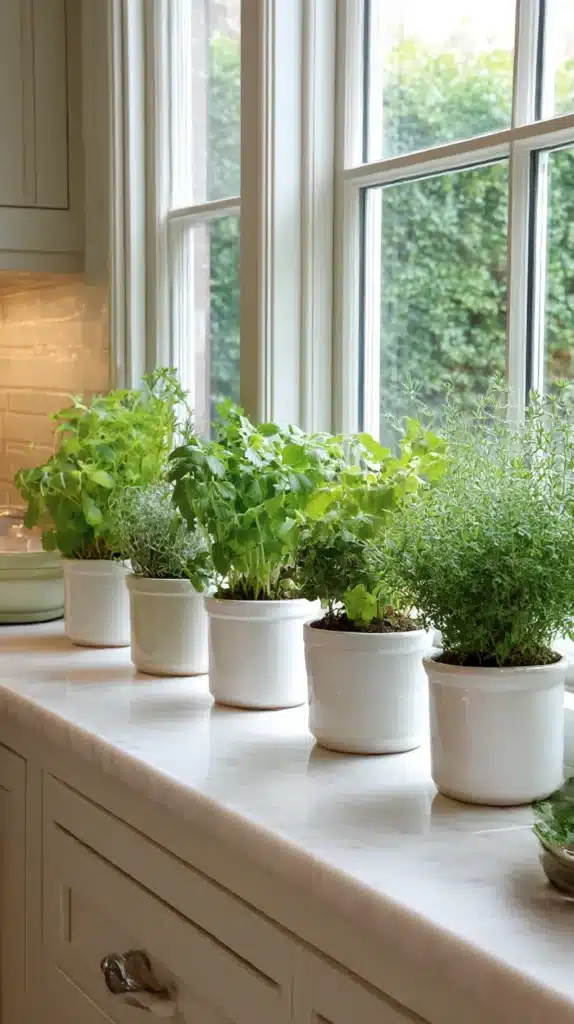
Display practical herb gardens on kitchen windowsills combining functional culinary access with attractive living decoration providing both beauty and utility through edible plantings. Choose matching small containers maintaining visual organization, plant frequently used herbs including basil, rosemary, thyme, and parsley, and position where adequate light supports healthy growth.
The functional display provides fresh ingredients while the living plants add natural beauty and pleasant aromas to cooking spaces.
11. Monochromatic Green Focus
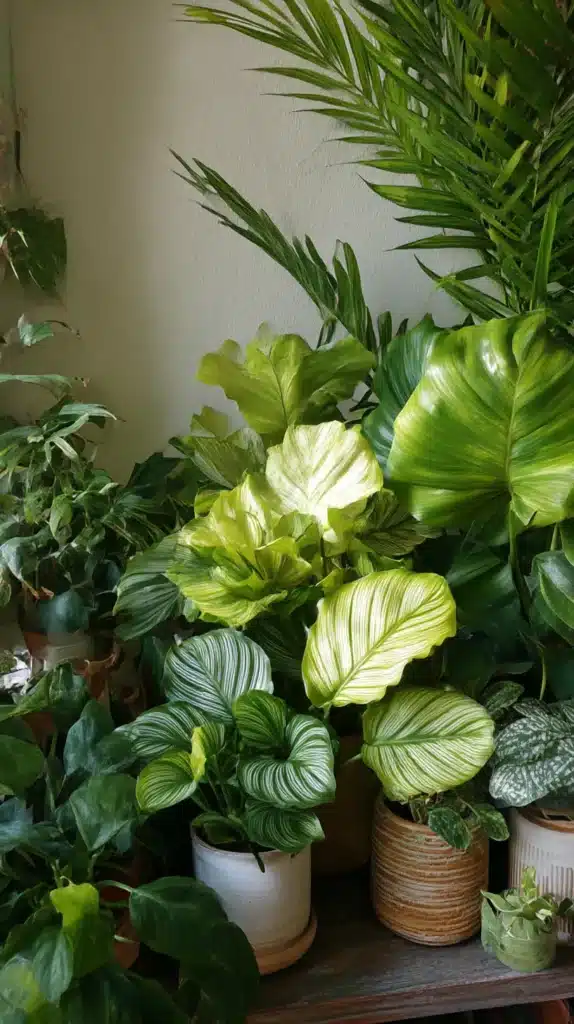
Embrace exclusively green plants avoiding flowering varieties or colored foliage creating sophisticated monochromatic living sculptures where form and texture provide all necessary visual interest.
Select plants in varied green tones from deep forest to bright lime creating subtle tonal variation, incorporate different leaf shapes and sizes adding textural diversity, and vary growth habits from upright to trailing creating dimensional interest. The green-only approach feels cohesive and intentionally restrained while the varied forms prevent monotony.
12. Tabletop Terrarium Gardens
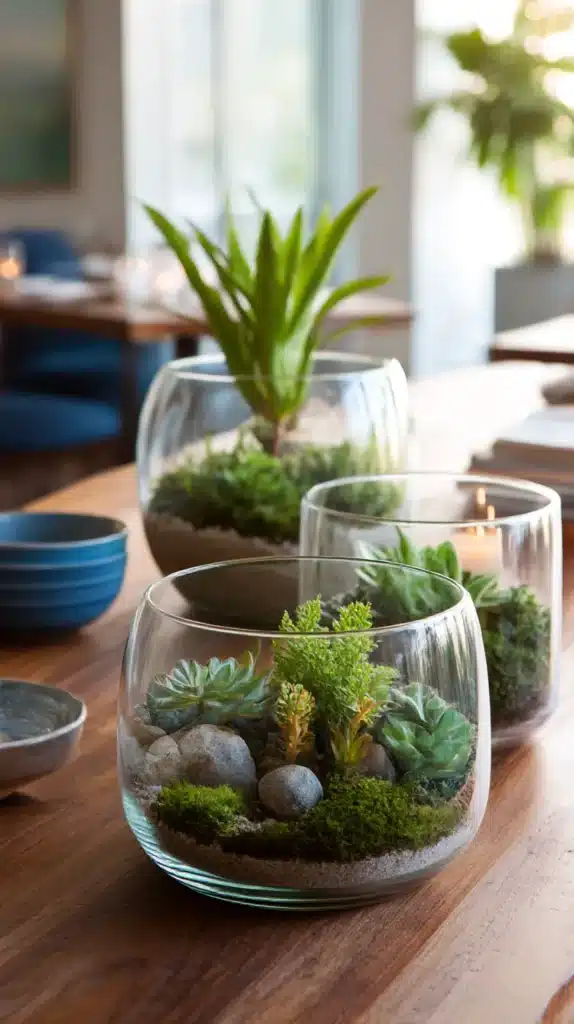
Create enclosed miniature landscapes using glass vessels or terrariums displaying small plants in designed compositions that function as living artwork and conversation pieces worthy of prominent positioning.
Choose attractive glass containers in varied shapes and sizes, design layered compositions using appropriate terrarium plants, and position where the enclosed gardens receive adequate light without excessive heat. The contained presentations create designed moments while the glass enclosures showcase plants as featured specimens.
13. Dedicated Plant Ledge
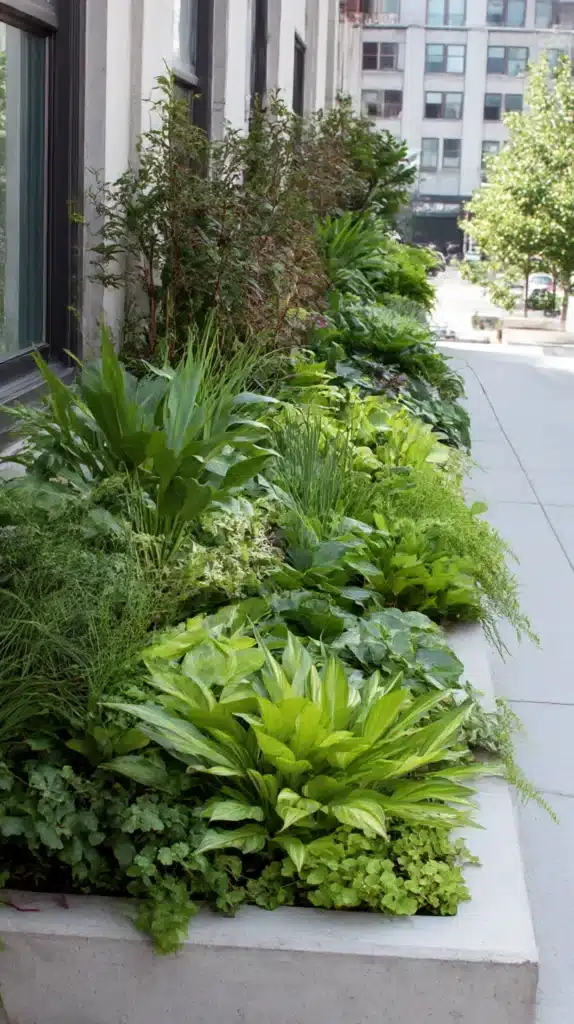
Install or utilize existing architectural ledges specifically for plant displays creating dedicated botanical zones that signal plants represent intentional design elements rather than random additions occupying convenient surfaces.
Position multiple plants along ledges creating linear gardens, vary sizes and heights creating rhythmic interest, and maintain generous spacing preventing overcrowding. The dedicated ledge establishes plants as featured elements while the elevated position ensures they receive proper appreciation and adequate light.
14. Seasonal Rotation Display
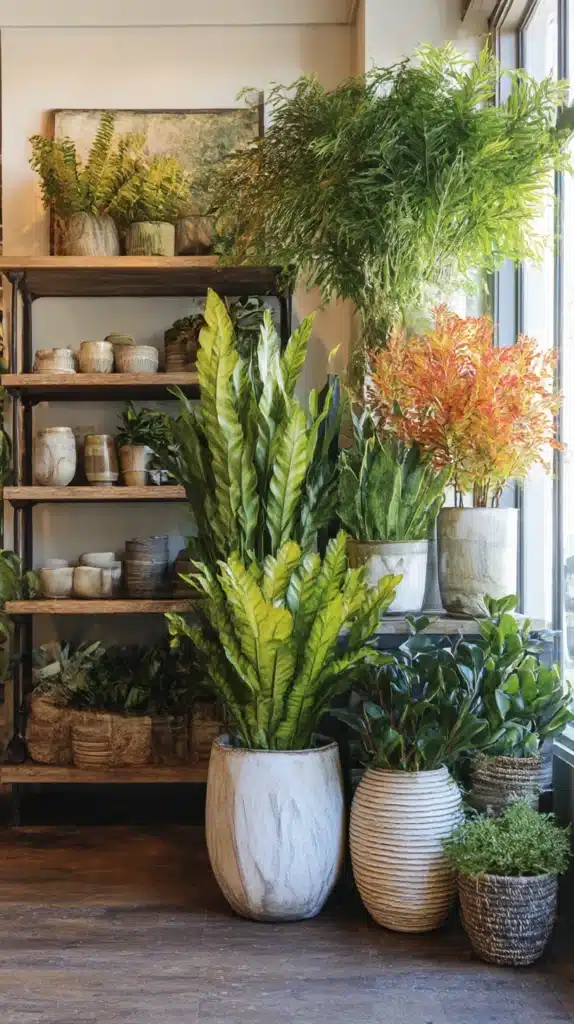
Maintain dynamic fresh presentations through seasonal plant rotation moving struggling specimens out of prime positions, introducing seasonal additions temporarily, and regularly editing collections preventing stagnant unchanging displays.
Rotate plants between high-visibility locations and recovery areas where struggling specimens receive rehabilitation, introduce seasonal flowering plants or unique specimens discovered at nurseries, and evaluate regularly removing plants no longer thriving or serving aesthetically. The rotation keeps displays current and considered.
15. Minimalist Single Specimen
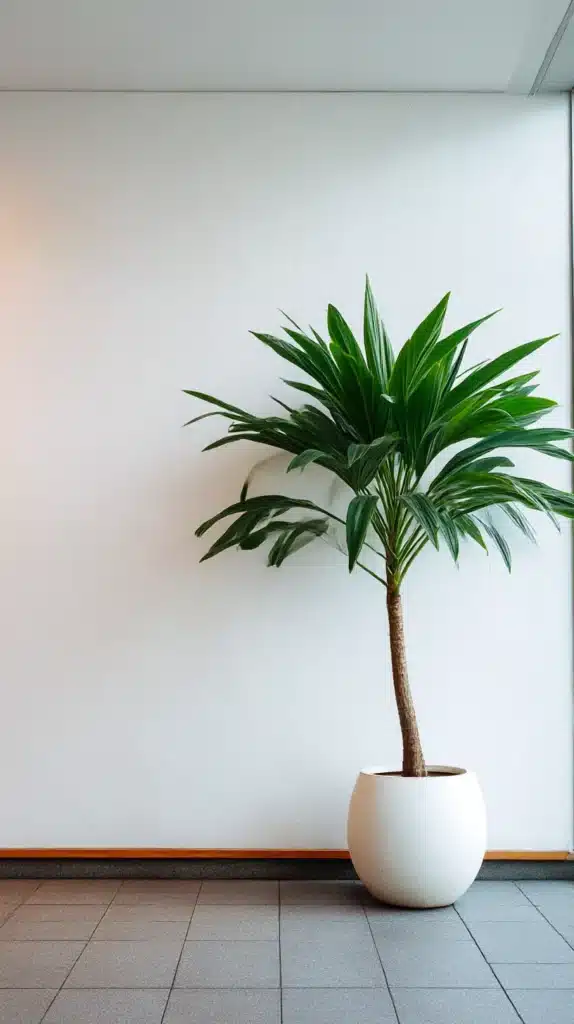
Feature individual plants as solo design statements positioning them with generous surrounding space creating breathing room and allowing proper appreciation of their specific forms, textures, and architectural qualities.
Choose plants worthy of featured positions including architecturally interesting specimens or particularly healthy beautiful examples, position where they receive adequate light while their forms anchor spaces, and resist the temptation to add additional plants diluting the singular focus. The solo approach creates calm sophisticated presentations where individual plants receive full appreciation.
Successfully creating houseplant displays that feel right requires understanding that effective arrangements balance aesthetic appeal with practical plant care ensuring displayed specimens receive adequate light, water, and conditions supporting healthy thriving growth rather than slowly declining in poorly suited positions. Edit collections ruthlessly displaying only healthy attractive specimens while moving struggling plants to more suitable locations or removing them entirely from collections.
Consider room functions and traffic patterns ensuring plant placements don’t interfere with daily activities or occupy impractical locations where they’ll be constantly moved or neglected. Maintain displays through regular watering, cleaning, pruning, and care ensuring featured plants remain attractive worthy of their prominent positions.
Most importantly, trust instincts recognizing when arrangements feel complete versus overcrowded, when groupings create pleasing compositions versus chaotic collections, and when displays achieve the kind of visual satisfaction that comes from thoughtful curation rather than random accumulation, proving that successful houseplant displays succeed through intentional restraint, considered placement, and the recognition that sometimes the difference between collections that feel right and those that don’t lies not in quantity but in the kind of thoughtful presentation that honors both plants themselves and the spaces they inhabit.