15 Best Indoor Plants That Don’t Need Sunlight
One of the most persistent and most genuinely discouraging myths in indoor gardening is that a home without abundant natural light cannot support thriving, beautiful indoor plants. The reality is considerably more encouraging.
A remarkable range of genuinely beautiful, genuinely healthy, and genuinely thriving indoor plants have evolved specifically in the low-light conditions of dense tropical forest floors — environments where the forest canopy above intercepts the majority of available sunlight and the plants below have adapted over millions of years to grow, flourish, and reproduce in conditions of dramatic light scarcity.
These plants do not simply tolerate low light — they genuinely thrive in it. Brought into the dark corners, the north-facing rooms, the windowless bathrooms, and the artificially lit offices of the domestic and commercial environment, they create the quality of living, breathing, genuinely beautiful plant presence that transforms every interior they inhabit — regardless of the light conditions that would defeat most conventional garden plants entirely.
Here are 15 of the best indoor plants that genuinely thrive without direct sunlight.
1. Pothos (Epipremnum aureum)
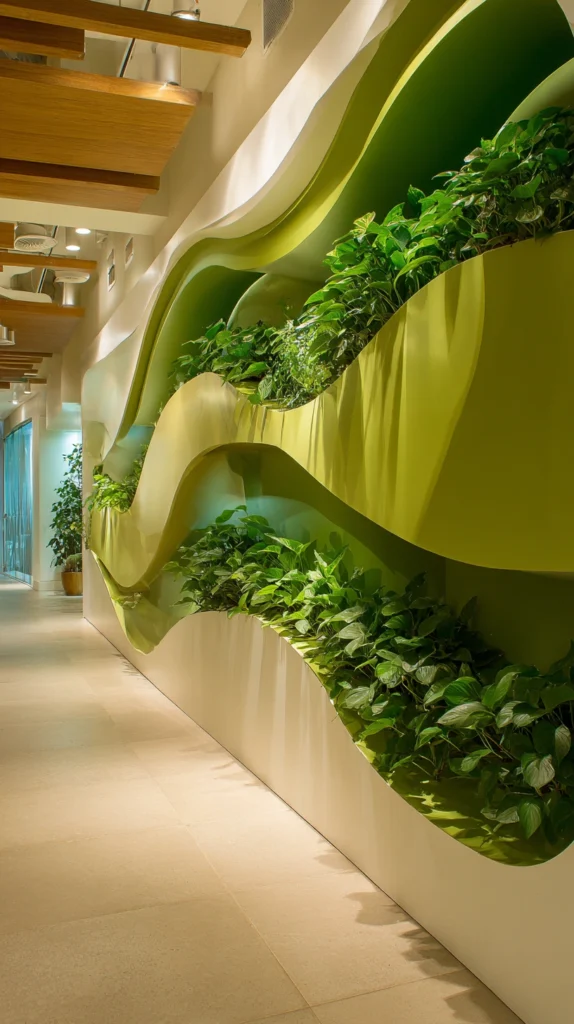
Pothos is the single most forgiving, most adaptable, and most genuinely low-light-tolerant indoor plant available. It trails beautifully from shelves and hanging baskets, climbs enthusiastically up moss poles and wall-mounted frames, and produces the most generous cascade of heart-shaped leaves in a remarkable range of varieties — from the classic golden-variegated standard pothos through the deep green Marble Queen and the almost fluorescent neon pothos.
It tolerates not just low light but genuinely dim conditions, inconsistent watering, occasional complete neglect, and the full range of domestic temperature extremes that would kill most other indoor plants within weeks.
Pro Tip: Allow pothos to trail long — considerably longer than the instinct to trim and tidy normally permits — for a plant of genuine visual drama and extraordinary cascading beauty. A pothos allowed to trail two or three metres down a bookshelf or wall creates one of the most specifically and genuinely beautiful low-light indoor plant installations available in any domestic interior.
2. Snake Plant (Sansevieria trifasciata)
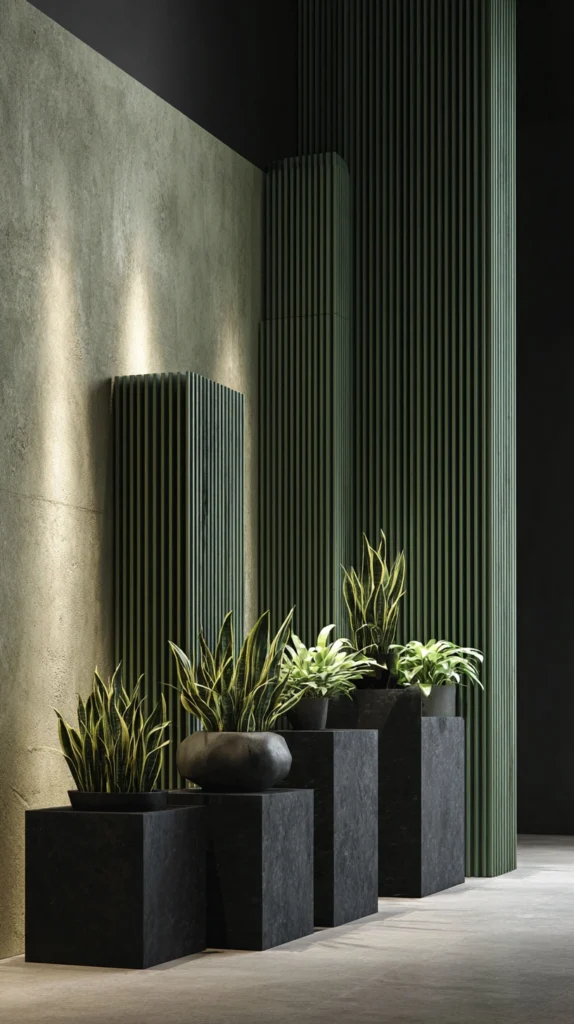
The snake plant is the definitive low-light survivor — a plant of extraordinary architectural beauty and genuinely remarkable resilience that tolerates conditions ranging from bright indirect light all the way to virtually complete darkness with almost no visible deterioration in health or appearance.
The upright, sword-shaped leaves in dark green with pale horizontal banding create a sculptural indoor plant presence of considerable visual impact and genuine architectural quality. It also filters indoor air with genuine effectiveness, removing formaldehyde, benzene, and other common indoor pollutants from the domestic atmosphere.
Pro Tip: Water snake plants considerably less frequently than instinct suggests — once every three to four weeks in low-light conditions and once every two weeks in slightly brighter conditions. Snake plants in low light require the minimum possible watering — their slow metabolic rate in dim conditions dramatically reducing their water requirement. Overwatering in low light is the single most common cause of snake plant failure and is entirely avoidable with a deliberately infrequent watering schedule.
3. ZZ Plant (Zamioculcas zamiifolia)
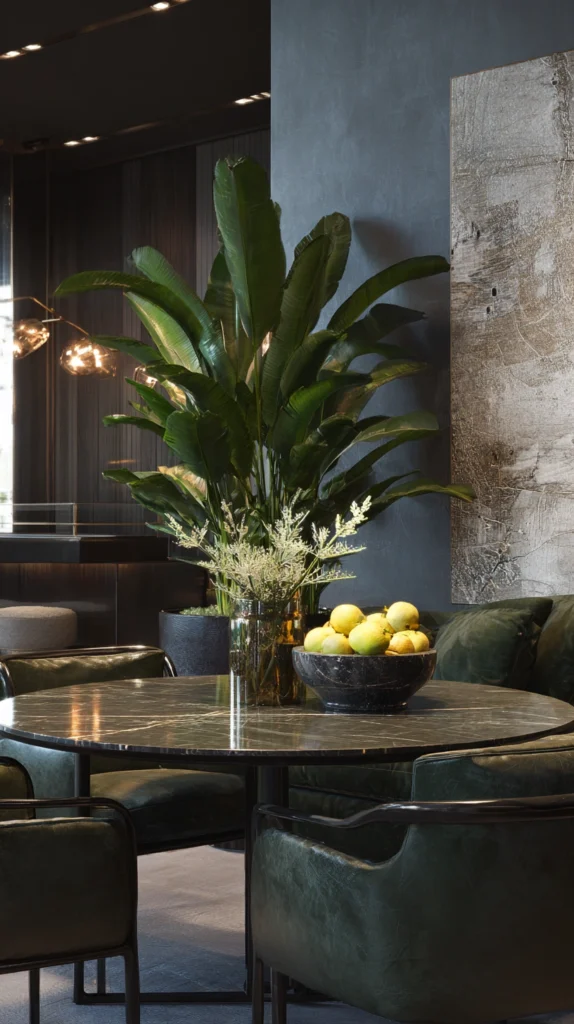
The ZZ plant is perhaps the most architecturally beautiful of all genuinely low-light tolerant indoor plants — its glossy, deep green, pinnately compound leaves creating a sculptural presence of extraordinary quiet elegance and genuine material richness. The ZZ plant stores water within its thick rhizomes, allowing it to survive extended periods of complete neglect and genuinely dark conditions without any visible distress. It is simultaneously one of the most beautiful and one of the most genuinely indestructible indoor plants available.
Pro Tip: Choose a ZZ plant in the black or dark variety — Zamioculcas zamiifolia Raven — for a low-light indoor plant of maximum dramatic visual impact. The deep, near-black foliage of the Raven ZZ creates an extraordinary sculptural plant presence of complete, considered botanical drama that reads as a genuine design object as much as a living plant — the deep color amplifying the architectural beauty of the compound leaf structure in any low-light interior setting.
4. Peace Lily (Spathiphyllum)
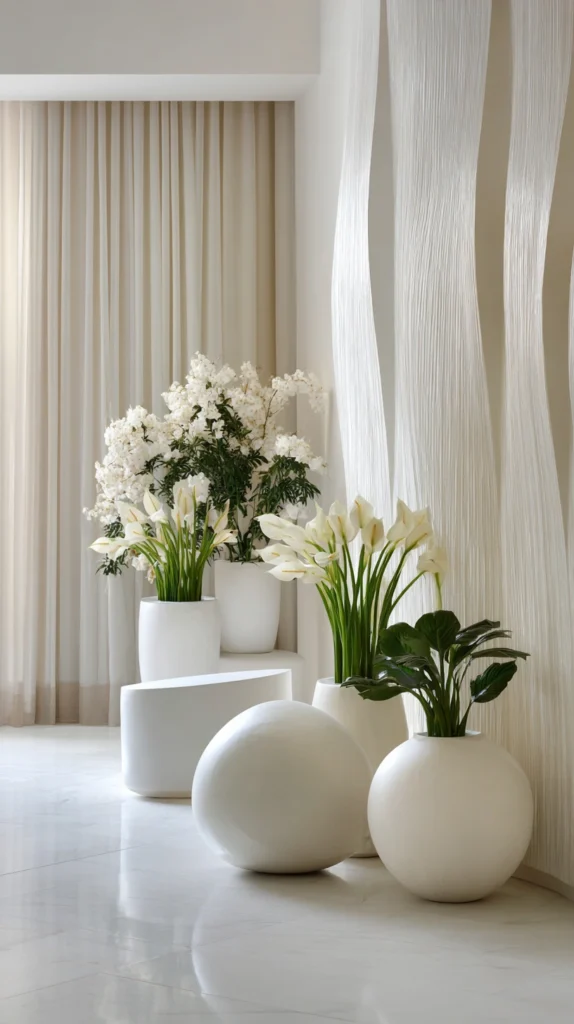
The peace lily is one of the few genuinely low-light indoor plants that produces abundant, beautiful flowers — the elegant white spathes rising above the deep green foliage in a floral display of extraordinary clean beauty and genuine tropical elegance.
Peace lilies thrive in the low-light conditions of most domestic interiors and communicate their water requirement with remarkable clarity — the leaves drooping visibly and dramatically when the plant needs water and recovering with extraordinary speed when water is provided. They also excel as air purifiers, removing several common indoor pollutants with genuine effectiveness.
Pro Tip: Position peace lilies in the bathroom — the most consistently humid room in most domestic interiors — for the most vigorous growth, the most abundant flowering, and the most genuinely beautiful bathroom plant presence available in any low-light interior setting. The consistent humidity of the bathroom environment replicates the tropical forest conditions in which peace lilies naturally thrive — creating a bathroom plant of extraordinary health, beauty, and genuine daily sensory pleasure.
5. Cast Iron Plant (Aspidistra elatior)
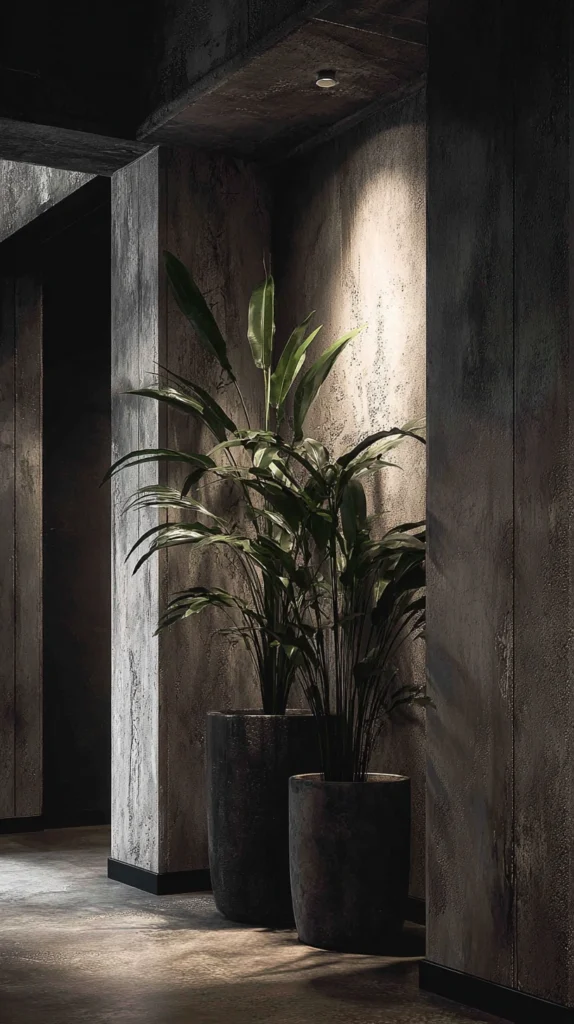
The cast iron plant earned its common name through a quality of resilience so remarkable that it borders on the genuinely legendary — a plant that tolerates complete darkness, complete drought, extreme temperature variation, poor soil, and consistent neglect with a placid, untroubled equanimity that no other indoor plant species consistently demonstrates.
The deep, glossy, strap-shaped leaves create a bold, dramatic indoor plant presence of considerable architectural quality. It grows slowly — sometimes barely at all in very dark conditions — but it never dies, never fails, and never requests anything beyond the most occasional watering.
Pro Tip: Use cast iron plants as the anchor planting in the darkest corners of the domestic interior — the corners where every other plant has failed and been replaced — for a plant that finally and permanently resolves the dark corner planting challenge with genuine, lasting botanical success. A large, established cast iron plant in the darkest corner of a room creates a permanent, beautiful, utterly reliable plant presence that requires nothing and provides everything.
6. Chinese Evergreen (Aglaonema)
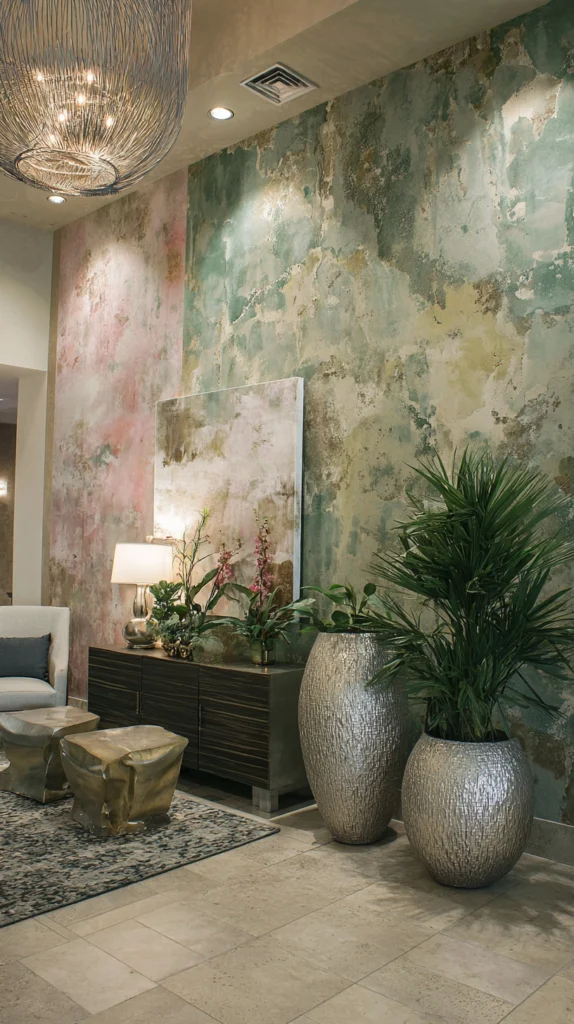
Chinese evergreen plants are among the most beautifully variegated of all low-light indoor plants — the large, oval leaves in extraordinary combinations of deep green, silver, pink, red, and cream creating indoor plant displays of remarkable decorative richness and genuine tropical abundance.
They adapt to a wide range of light conditions from bright indirect light down to genuinely dim interior lighting and maintain their beautiful variegated foliage throughout. The variety of available cultivars means that Chinese evergreens provide a genuinely different aesthetic direction for every interior style and every color palette.
Pro Tip: Choose Chinese evergreen varieties with warm-toned variegation — the pink, red, and coral varieties — for a low-light indoor plant that introduces genuine color warmth into the domestic interior alongside its beautiful foliage.
Warm-toned Chinese evergreens in a low-light interior create a quality of living botanical color that the predominantly green foliage of most other low-light plants cannot provide — the warm pink and red tones of the variegated leaves creating a genuinely different and genuinely beautiful plant aesthetic in any low-light room.
7. Heartleaf Philodendron (Philodendron hederaceum)
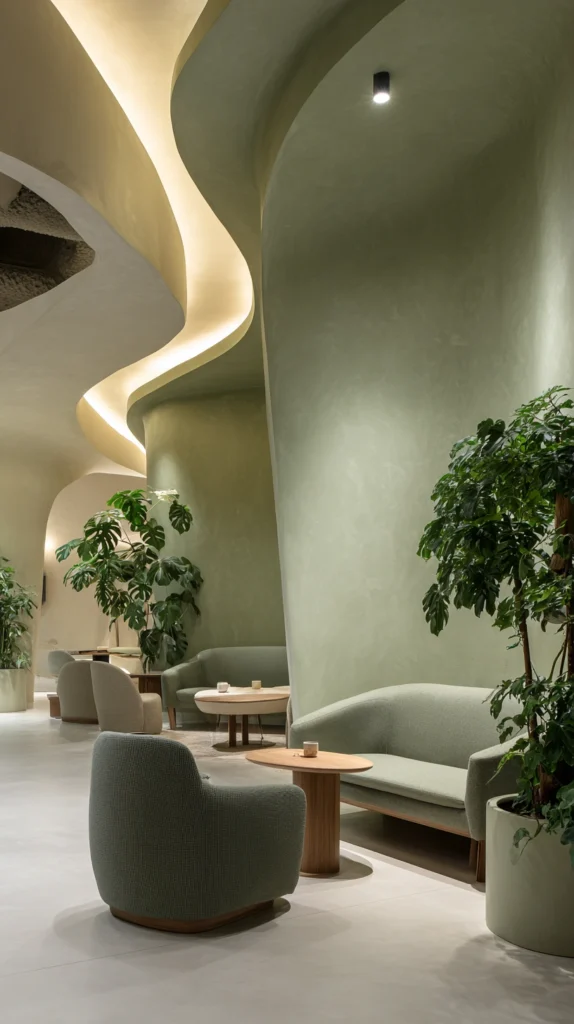
The heartleaf philodendron is one of the most genuinely beloved and most genuinely beautiful of all low-light trailing indoor plants — the heart-shaped, deep green, velvety leaves cascading from shelves, hanging baskets, and climbing frames in a display of tropical abundance and genuine botanical warmth.
It grows rapidly even in low-light conditions, tolerates inconsistent watering with remarkable good nature, and produces the most generous, most beautiful trailing plant display of any commonly available low-light indoor plant species. It is simultaneously simple enough for a complete beginner and beautiful enough for the most sophisticated interior.
Pro Tip: Train heartleaf philodendron upward on a moss pole rather than allowing it to trail downward for a dramatically different — and dramatically beautiful — low-light plant installation. A heartleaf philodendron climbing a tall moss pole develops progressively larger leaves as it climbs — the leaves at the top of a tall, established climbing philodendron reaching two to three times the size of the leaves at the base — creating a genuinely extraordinary plant sculpture of growing botanical beauty.
8. Dracaena
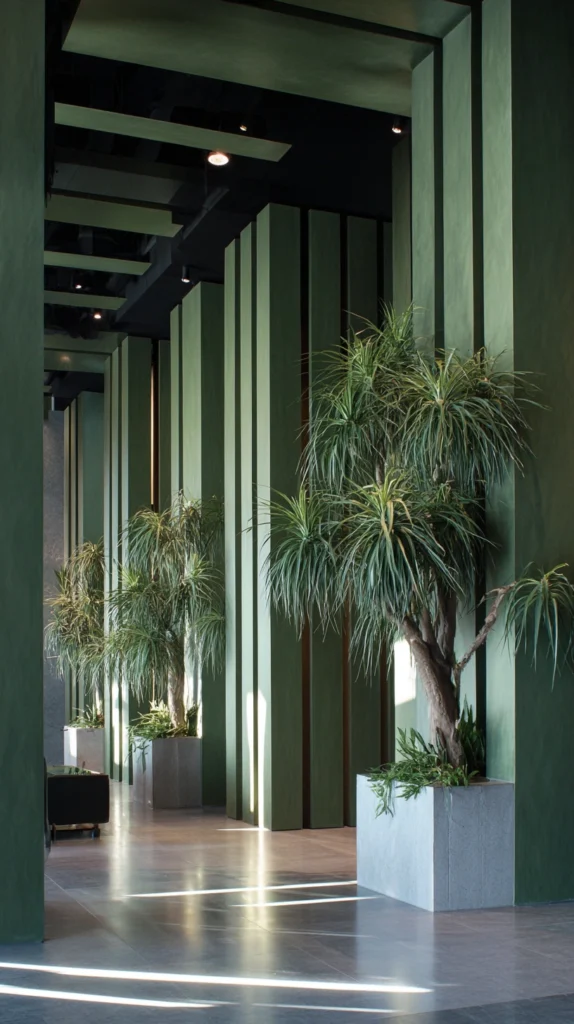
Dracaena species — particularly Dracaena marginata, Dracaena fragrans, and Dracaena reflexa — are among the most architecturally striking and most genuinely low-light tolerant of all indoor trees and large indoor plants.
The cane-like stems topped with rosettes of long, strappy leaves create an indoor plant of considerable tropical drama and genuine sculptural presence — the multiple stems of a mature dracaena specimen creating a plant installation of extraordinary visual richness and genuine exotic beauty. They tolerate low light with genuine resilience and require minimal watering in dim conditions.
Pro Tip: Group three dracaena plants of different heights together in a single large container or in adjacent containers — the tallest at the rear, the shortest at the front — for a low-light indoor plant display of genuinely extraordinary visual drama and complete botanical abundance.
Three dracaenas of varying heights grouped together create the impression of a tropical plant community of remarkable lush density — a dramatically more beautiful and more visually impactful installation than three identical dracaenas of the same height positioned individually throughout the same room.
9. Spider Plant (Chlorophytum comosum)
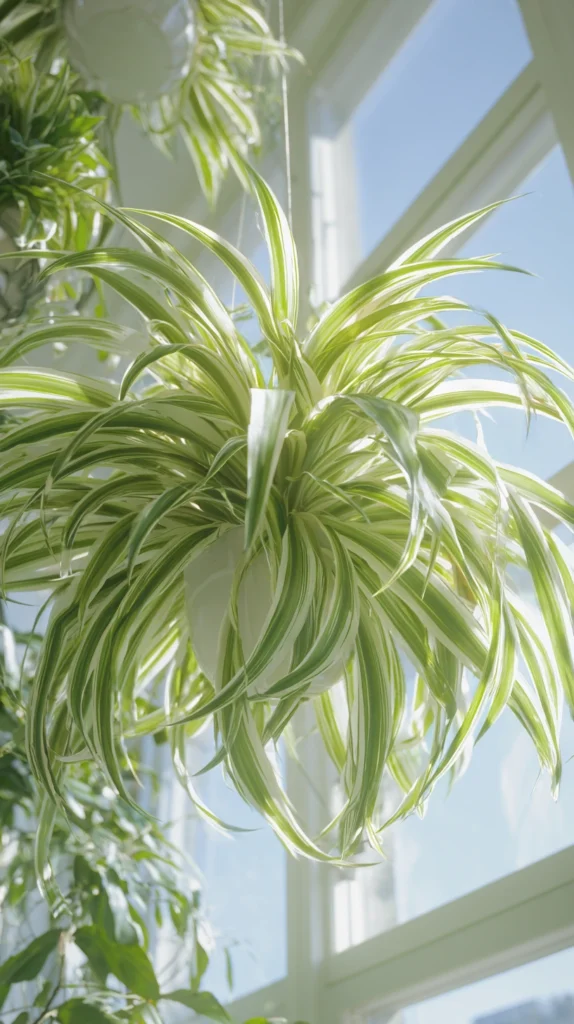
The spider plant is one of the most cheerful, most abundantly growing, and most genuinely air-purifying of all low-light indoor plants — the arching, variegated green and white leaves creating a plant of considerable fresh, clean visual beauty and the cascading baby plantlets that develop on long stolons creating an indoor plant of extraordinary generosity and genuine botanical proliferation.
Spider plants grow vigorously in low-light conditions, produce their characteristic baby plantlets consistently throughout the growing season, and tolerate a wide range of watering and temperature conditions with genuine good nature.
Pro Tip: Propagate spider plant babies — the small plantlets that develop on the long stolons of a mature spider plant — by placing them in small pots of moist potting mix while still attached to the parent plant, allowing them to root for three to four weeks before severing the stolon.
Spider plant propagation is the most reliable, the most rewarding, and the most consistently successful indoor plant propagation available — a single mature spider plant producing dozens of viable baby plants annually, creating a genuinely abundant, genuinely free supply of new indoor plants for every low-light corner of the home.
10. Parlour Palm (Chamaedorea elegans)
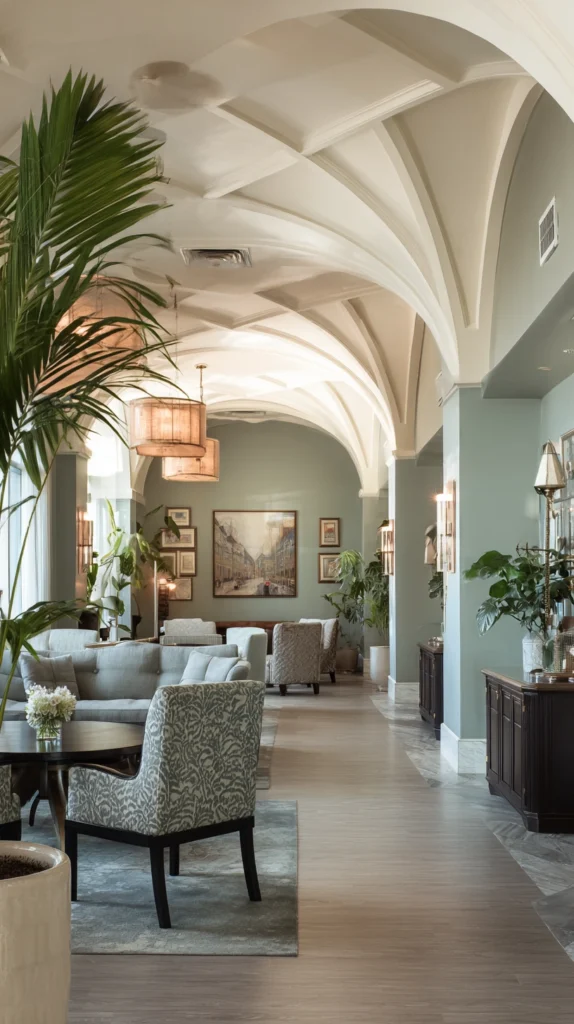
The parlour palm is the most graceful, the most classically beautiful, and the most genuinely low-light tolerant of all indoor palm species — the delicate, arching fronds of deep green creating an indoor plant of extraordinary elegance and genuine tropical atmosphere that suits every interior aesthetic from traditional Victorian to contemporary minimalist with equal grace.
It grows slowly but steadily even in genuinely low-light conditions, maintains its beautiful frond structure throughout the year, and creates a quality of living, tropical, genuinely beautiful plant presence that no artificial plant can convincingly replicate.
Pro Tip: Mist parlour palm fronds regularly — at least twice weekly — with clean room-temperature water for fronds that remain dust-free, genuinely healthy, and beautifully green throughout the year.
Parlour palm fronds in dry indoor conditions accumulate dust that dulls their natural deep green color, blocks the stomata through which the plant breathes, and creates the slightly tired, slightly unhealthy appearance that makes an otherwise beautiful parlour palm look like a neglected plant.
Regular misting maintains the clean, fresh, genuinely beautiful frond quality that makes parlour palm such a specifically elegant low-light indoor plant.
11. Monstera Deliciosa
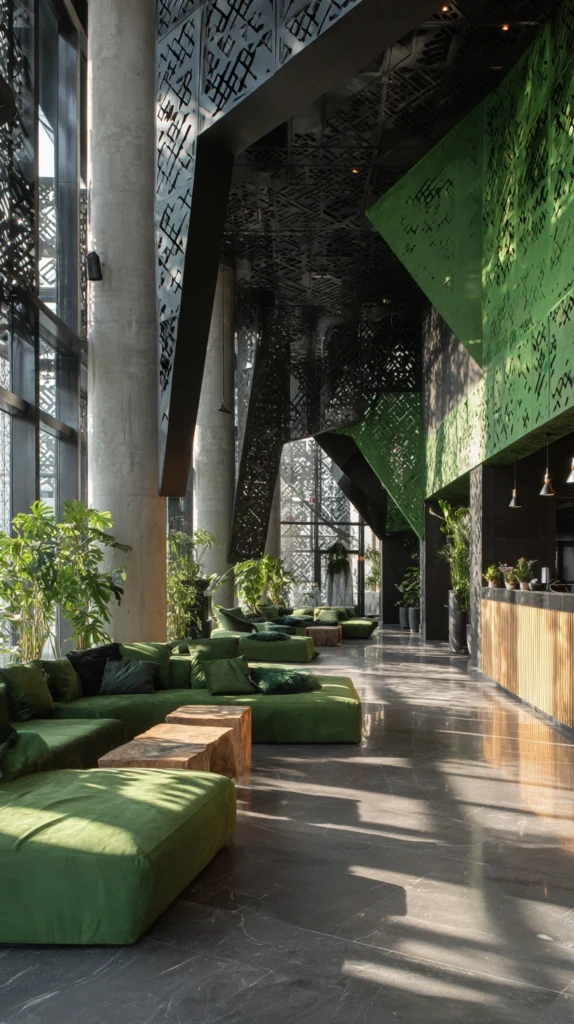
The monstera deliciosa — the iconic split-leaf philodendron with its characteristic fenestrated, dramatically perforated mature leaves — is a genuinely low-light tolerant indoor plant of extraordinary visual impact and complete decorative confidence.
While monstera grows faster and develops its characteristic leaf fenestration more rapidly in brighter indirect light, it maintains genuine health, genuine growth, and genuine beauty in the low-light conditions of most domestic interiors — creating one of the most specifically and most universally recognized indoor plant statements available in any interior style or aesthetic direction.
Pro Tip: Support monstera with a large moss pole from early in its establishment — inserting the pole when the plant is still small and training the aerial roots to attach to the pole surface as the plant grows — for a climbing monstera of considerably larger, more dramatically fenestrated leaves than a monstera left to trail or grow unsupported.
Monstera naturally climbs in its forest habitat and the climbing habit triggers the development of larger, more fully fenestrated leaves — the most beautiful and most specifically dramatic version of the plant’s extraordinary foliage.
12. Lucky Bamboo (Dracaena sanderiana)
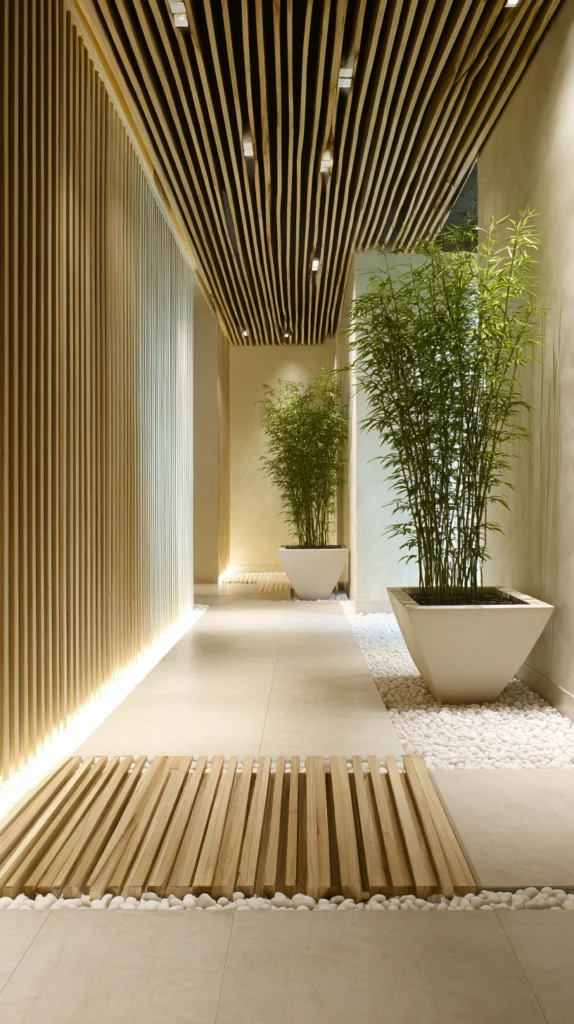
Lucky bamboo — technically a dracaena rather than a true bamboo — is one of the most unusual and most genuinely low-light tolerant indoor plants available, growing happily in plain water, in minimal soil, and in the genuinely dim conditions that many indoor spaces provide.
The upright green stems arranged in deliberate compositions and the small, simple green leaves create an indoor plant of considerable meditative calm and genuine minimalist beauty that suits Japandi, contemporary, and zen-inspired interior aesthetics with complete natural ease.
Pro Tip: Change the water in which lucky bamboo grows every two weeks and add a very small quantity of liquid indoor plant fertilizer at each water change — one quarter of the standard recommended dose — for lucky bamboo of genuine sustained health and beautiful continued growth. Lucky bamboo grown in stale, unfertilized water gradually yellows and deteriorates. Lucky bamboo grown in regularly changed, lightly fertilized clean water maintains its beautiful deep green color and its vigorous, healthy upright growth indefinitely.
13. Nerve Plant (Fittonia)
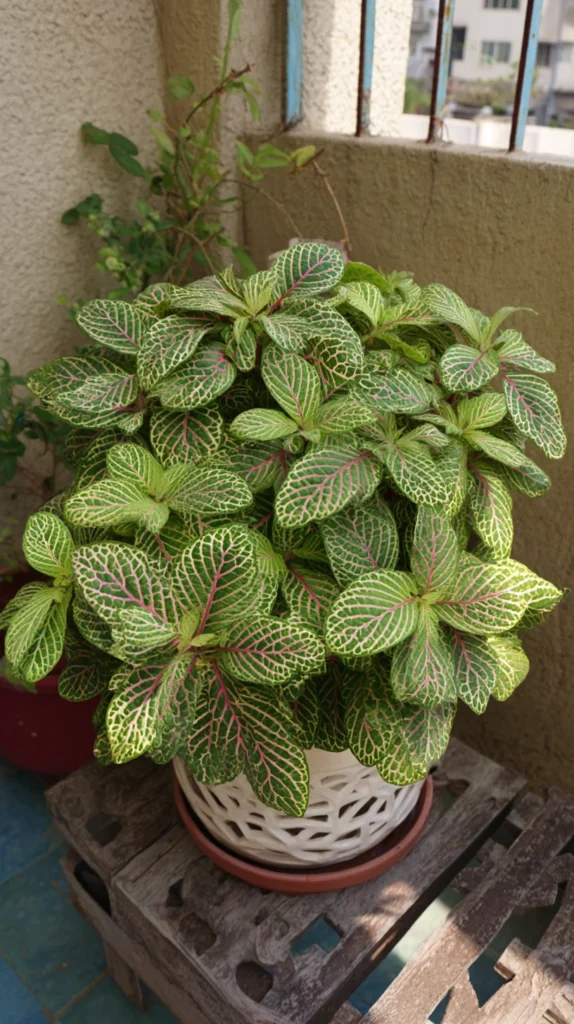
The nerve plant — named for the extraordinary network of vivid pink, red, or white veining that covers every leaf surface — is one of the most specifically beautiful and most decoratively striking of all low-light indoor plants. The intricate veining pattern on each leaf creates a living botanical textile of genuine artistic beauty — the contrast between the deep green leaf surface and the vivid vein color creating a plant of extraordinary visual complexity and genuine botanical spectacle in any low-light interior position.
Pro Tip: Plant nerve plants in a glass terrarium for the most successful and most genuinely beautiful nerve plant installation available. Nerve plants require consistently high humidity — higher than most domestic interiors naturally provide — and a closed or partially closed glass terrarium creates the humid microclimate that nerve plants require for their most vigorous growth and their most spectacularly beautiful leaf color and veining. A nerve plant terrarium is simultaneously the most beautiful and the most functionally appropriate nerve plant growing environment available.
14. Staghorn Fern (Platycerium)
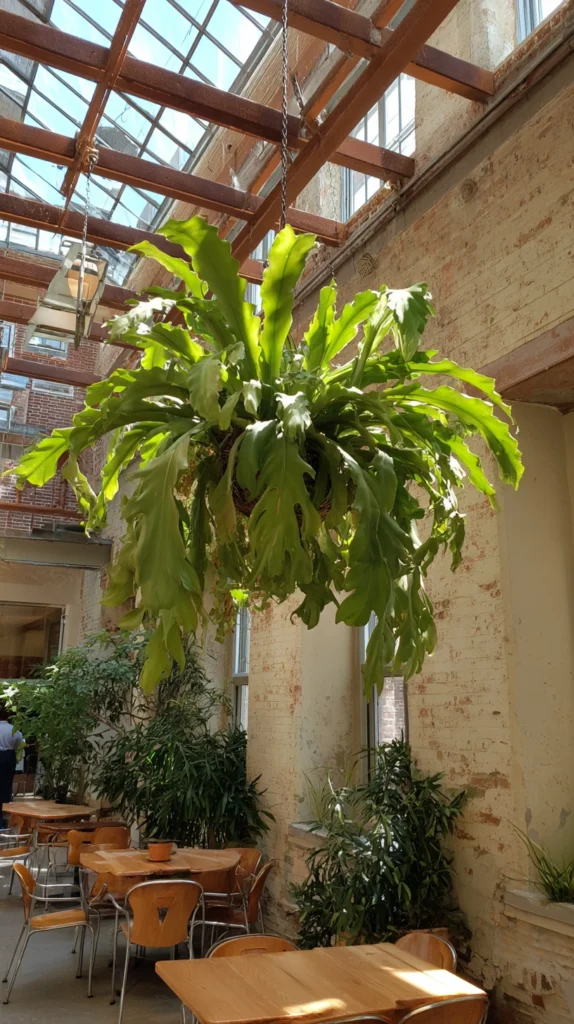
The staghorn fern — with its extraordinary antler-shaped fertile fronds and its round, overlapping shield fronds that attach the plant to its mounting surface — is the most dramatically sculptural and the most specifically unusual of all low-light tolerant indoor plants.
Staghorn ferns grow mounted on timber boards, cork slabs, or hanging baskets — creating wall-mounted or hanging plant installations of extraordinary visual drama and genuine botanical originality. They tolerate genuinely low light conditions while maintaining the healthy, beautiful green of their fertile fronds.
Pro Tip: Water mounted staghorn ferns by submerging the entire mounting board in a bucket of room-temperature water for 20 minutes every two weeks rather than watering from above. Complete submersion saturates both the shield fronds and the mounting material thoroughly — providing the deep, complete moisture that staghorn ferns require — while the two-week interval between watering sessions allows the mounting material to dry adequately between drinks. This watering method replicates the natural rainfall pattern of the staghorn fern’s tropical forest habitat most accurately.
15. Heartleaf Fern (Hemionitis arifolia)
The heartleaf fern — with its perfect, small, heart-shaped fronds in deep, lustrous green carried on slender dark stems — is one of the most quietly beautiful and most specifically charming of all low-light indoor ferns.
Small enough for a bathroom shelf, a bedside table, or a desktop, it creates an indoor plant presence of genuine botanical delicacy and complete natural warmth in any low-light interior position. It requires consistent moisture and consistently high humidity but rewards these modest requirements with continuous, beautiful growth and the most specifically lovely small-scale fern foliage available.
Pro Tip: Place the heartleaf fern on a humidity tray — a shallow tray filled with water and a layer of pebbles on which the pot sits above the water line — for a simple, effective, ongoing humidity enhancement system that requires only occasional water refilling to maintain.
The evaporation from the water in the humidity tray creates a consistently elevated humidity microclimate immediately around the fern — providing the high humidity the plant requires without any misting, any electronic humidifier, or any daily maintenance intervention.
Low Light Is Not No Life
The dim corners, the north-facing rooms, and the artificially lit spaces of domestic life are not botanical dead zones — they are simply environments that require different plants, chosen with genuine knowledge and genuine respect for what those plants genuinely need.
The 15 plants above have proven through millions of years of evolution that low light is not an obstacle to genuine beauty, genuine health, and genuine botanical abundance. Bring them home. Place them with confidence in the darkest corners. And discover that the rooms without sunlight are often the rooms that most powerfully benefit from the extraordinary, living, genuinely beautiful presence of the right indoor plant.