
15 Indoor Gardening Ideas to Transform Your Home into a Green Oasis
Indoor gardening has evolved from a simple hobby into a powerful way to reshape how our homes feel, function, and even smell. A thoughtfully designed indoor garden can soften hard architectural lines, improve air quality, reduce stress, and reconnect us with nature even in the middle of a busy city.
Whether you live in a compact apartment or a spacious house, there is always room to bring greenery indoors in creative and practical ways. From lush living walls to tiny herb corners, indoor gardens can be bold statements or subtle accents that quietly enhance daily life.
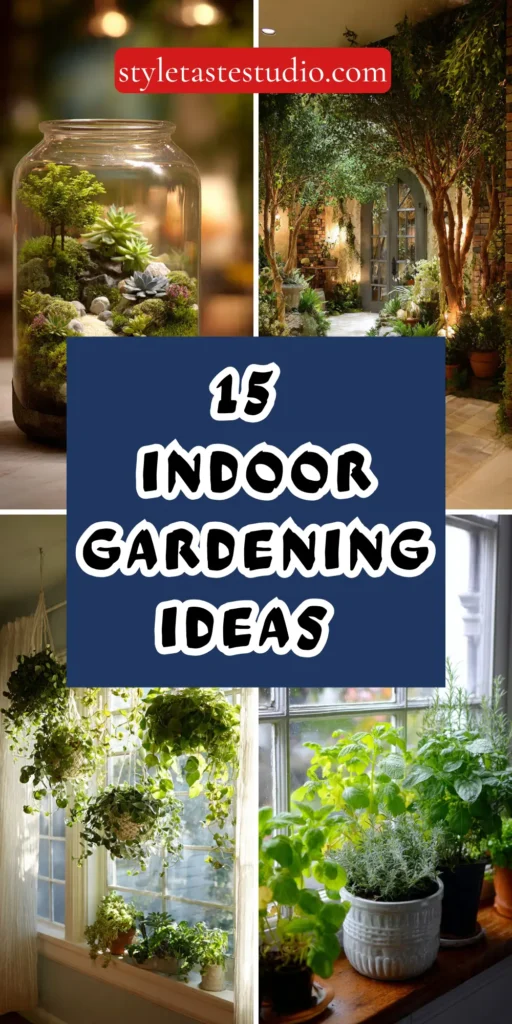
The key is choosing ideas that match your space, light conditions, and lifestyle so your garden feels effortless and joyful rather than demanding.
1. Create a Living Wall in the Living Room
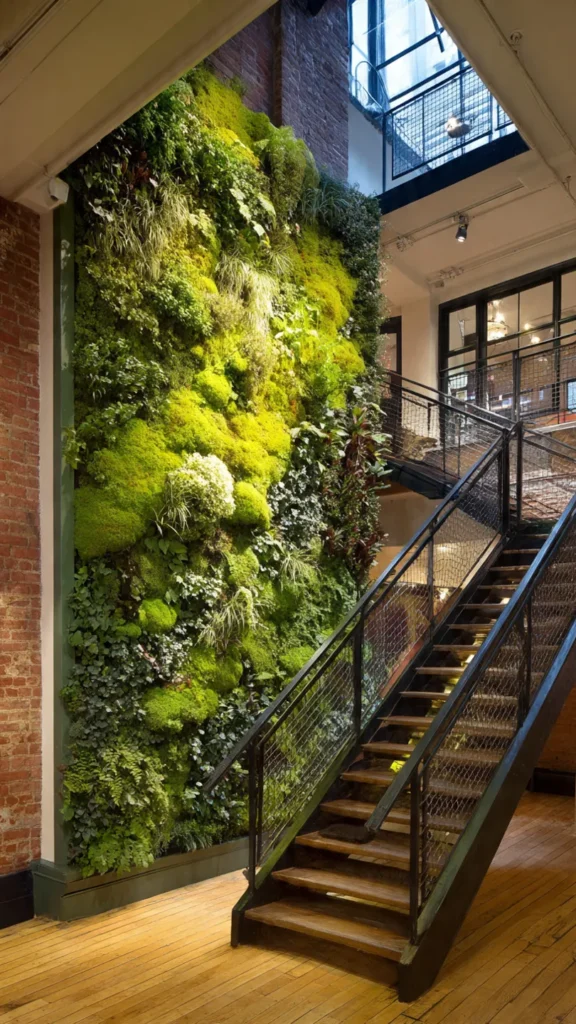
A living wall, also called a vertical garden, is one of the most dramatic ways to introduce greenery into your home. Instead of spreading plants across shelves and floors, you grow them upward, transforming a plain wall into a vibrant, textured canvas of leaves and vines. Living walls can be installed with modular panels, wall-mounted planters, or even simple pocket systems made of felt or fabric. The result is an eye-catching feature that immediately changes the atmosphere of a room, making it feel alive, fresh, and connected to nature.
Beyond aesthetics, a living wall can improve indoor air quality by filtering pollutants and increasing humidity, which is especially helpful in dry or air-conditioned homes. You can mix different plant species to create contrast in leaf shape, color, and size, such as combining trailing pothos with upright ferns and bold philodendrons. With the right lighting and an easy watering system, a living wall becomes a low-maintenance yet high-impact way to turn your living room into a true green oasis.
2. Build a Window Herb Garden in the Kitchen
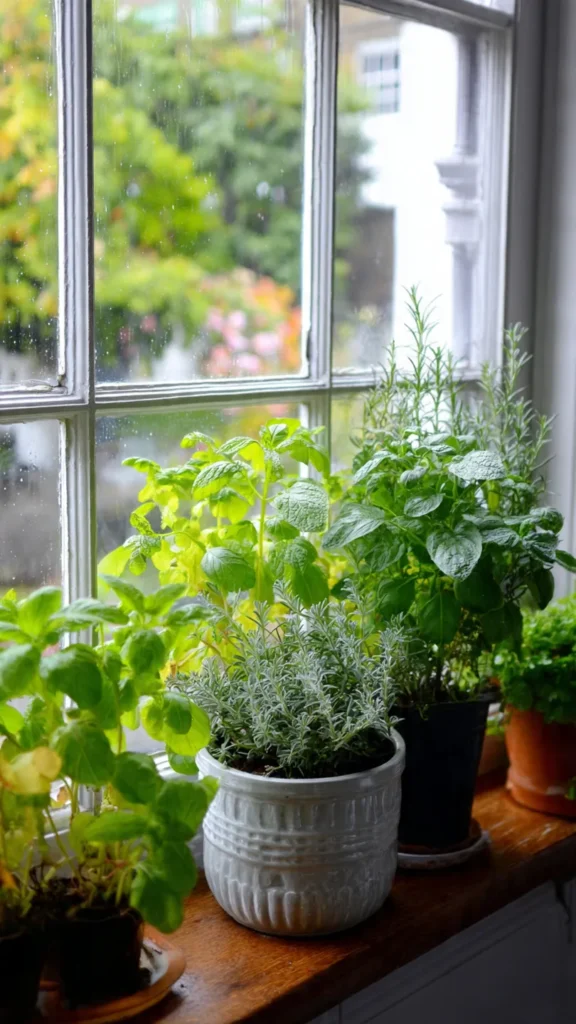
A window herb garden brings practicality and beauty together in one small, fragrant space. By placing pots of herbs like basil, mint, rosemary, thyme, and parsley on a sunny windowsill, you get fresh ingredients for cooking while also adding a cheerful green touch to your kitchen. The scent of herbs alone can make your kitchen feel warmer, fresher, and more inviting.
Herb gardens are also ideal for beginners because most herbs are resilient and quick-growing. You can use matching ceramic pots for a clean, minimal look or mix different containers for a more relaxed, eclectic feel. This type of garden encourages daily interaction with your plants, whether you are watering them, trimming leaves, or using them in meals, which strengthens your connection to nature in a simple, meaningful way.
3. Turn a Bookshelf into a Plant Shelf
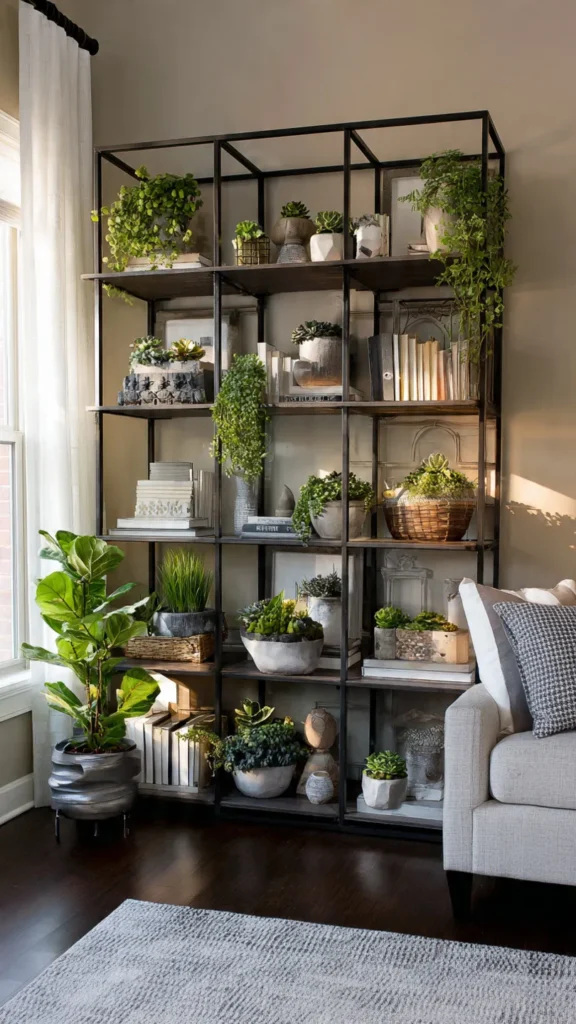
Transforming a standard bookshelf into a plant display is a creative way to blend decor and greenery. Instead of filling shelves only with books and ornaments, you can alternate plants with your favorite objects, creating a layered, dynamic look. This approach works well in living rooms, home offices, and bedrooms where floor space might be limited.
Using shelves allows you to experiment with different heights and textures. Trailing plants can cascade down the edges, while upright plants add structure and visual balance. The greenery softens the hard lines of the furniture and creates a more relaxed, welcoming atmosphere. Over time, as plants grow and change, your shelf evolves too, making it a living piece of decor rather than a static one.
4. Design a Cozy Indoor Garden Corner
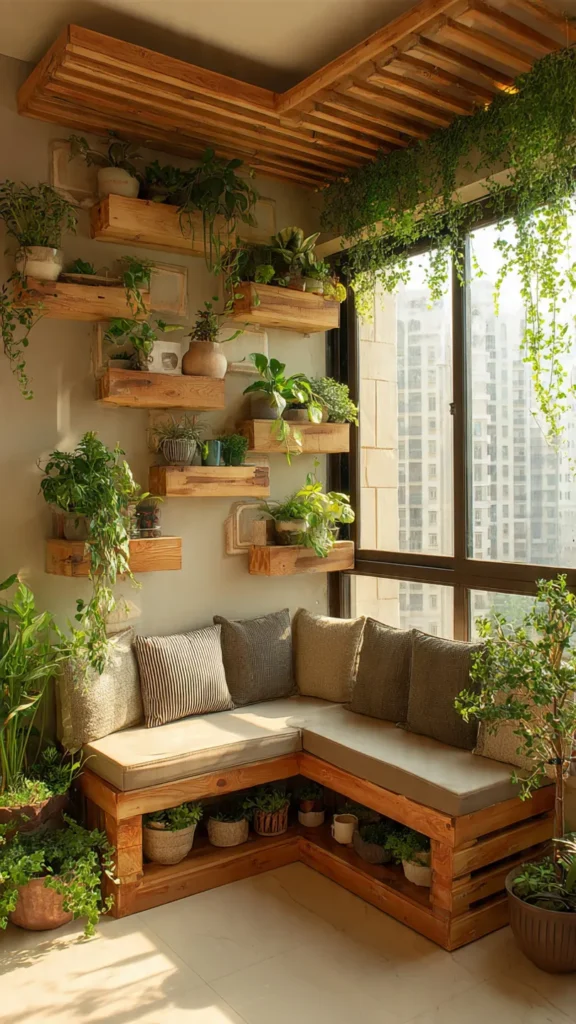
If you have an unused corner in your home, turning it into a garden nook can be incredibly rewarding. By grouping several plants of varying heights together, you create the feeling of a mini indoor jungle. Add a comfortable chair, a small side table, and perhaps a soft lamp, and you suddenly have a peaceful retreat where you can read, meditate, or simply relax.
This kind of garden corner works especially well in rooms with good natural light, but you can also supplement with grow lights if needed. The goal is to create a space that feels separate from the rest of the room, almost like a tiny sanctuary. Spending time in such a green corner can reduce stress, boost mood, and make your home feel more nurturing and alive.
5. Hang Plants from the Ceiling
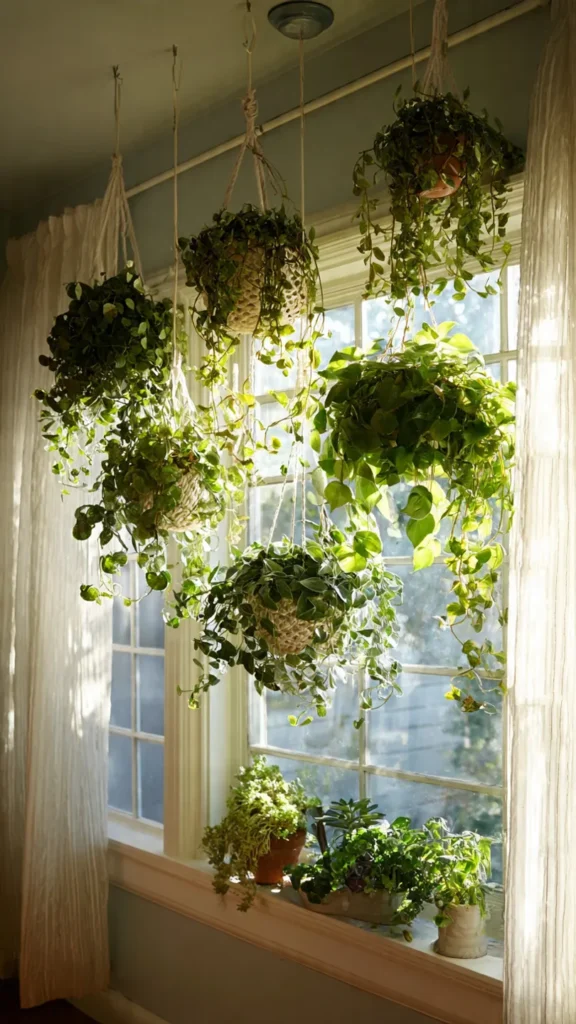
Ceiling-hung plants are perfect for adding greenery without using valuable floor or shelf space. Macramé hangers, metal hooks, or wooden brackets can hold trailing plants like spider plants, pothos, or string of pearls, creating a floating garden effect. This style works beautifully in rooms with high ceilings or near windows where plants can catch the light.
Hanging plants also add a sense of movement and softness to a room, as their leaves sway gently with air currents. Visually, they draw the eye upward, making spaces feel taller and more open. With careful placement, ceiling plants can frame windows, define seating areas, or simply add an unexpected touch of nature in places people don’t usually expect it.
6. Grow a Mini Indoor Tree
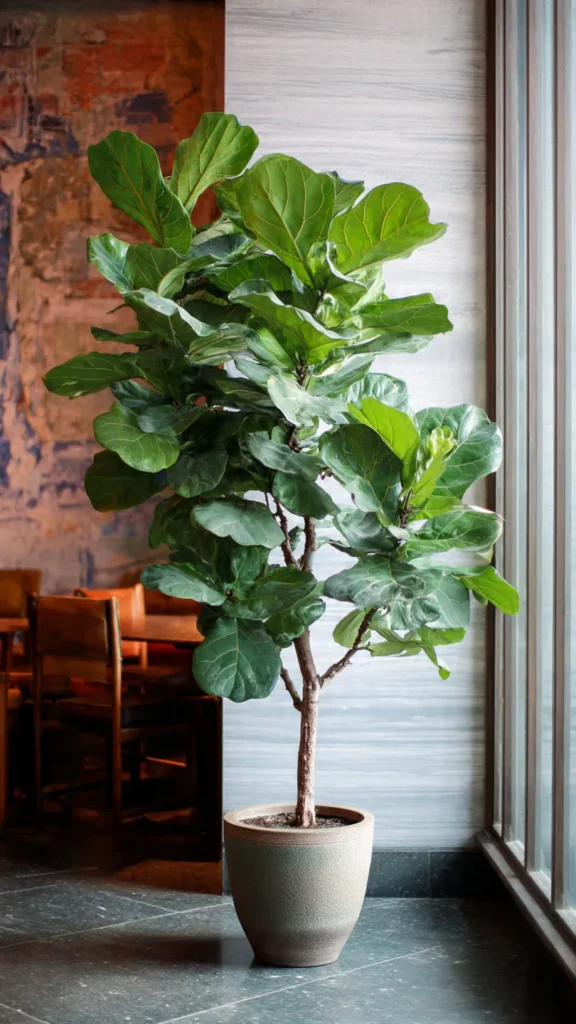
Indoor trees such as fiddle-leaf figs, rubber plants, or olive trees can become stunning focal points in a home. Their height and structure give a sense of scale and grandeur that smaller plants cannot. Placed in a corner or near a window, a tree anchors the room and makes it feel more organic and balanced.
Caring for an indoor tree can be surprisingly easy if you choose the right species for your light conditions. Regular watering, occasional pruning, and rotating the pot to ensure even growth are usually enough. Over time, watching your tree grow becomes a deeply satisfying experience, as it reflects the passage of time and your care in a visible, tangible way.
7. Use a Rolling Plant Cart for Flexibility
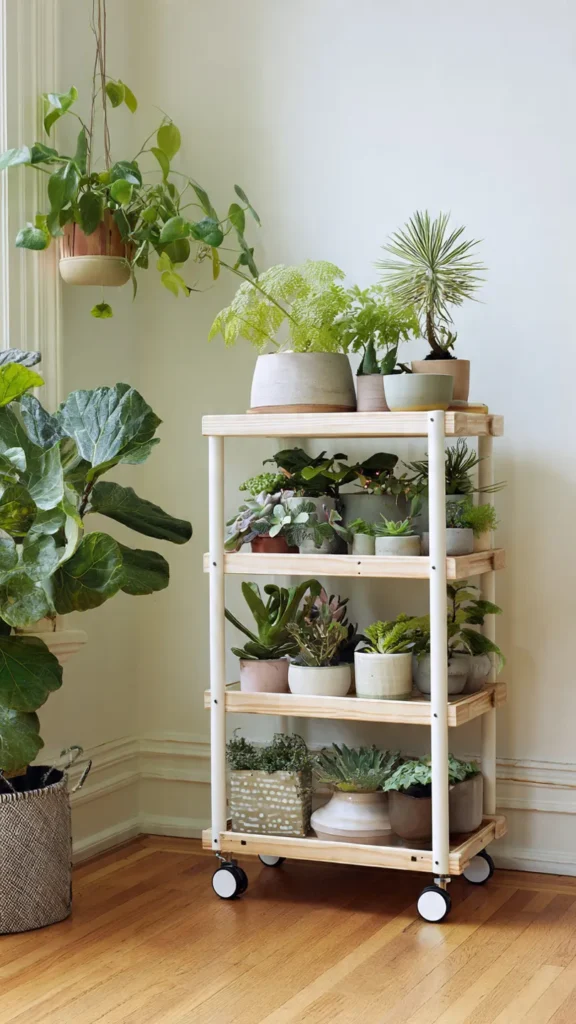
A rolling plant cart is a practical solution for people who love plants but like to rearrange their space often. With a cart, you can move your garden around depending on light, season, or mood. You can roll it closer to a window in winter and away from direct sun in summer, keeping your plants healthy while maintaining flexibility in your decor.
This idea is especially useful in small apartments where space needs change frequently. A plant cart can also act as a decorative divider between areas, such as separating a living room from a dining space. It turns your indoor garden into a dynamic, adaptable feature rather than a fixed one.
8. Add Greenery to the Bathroom
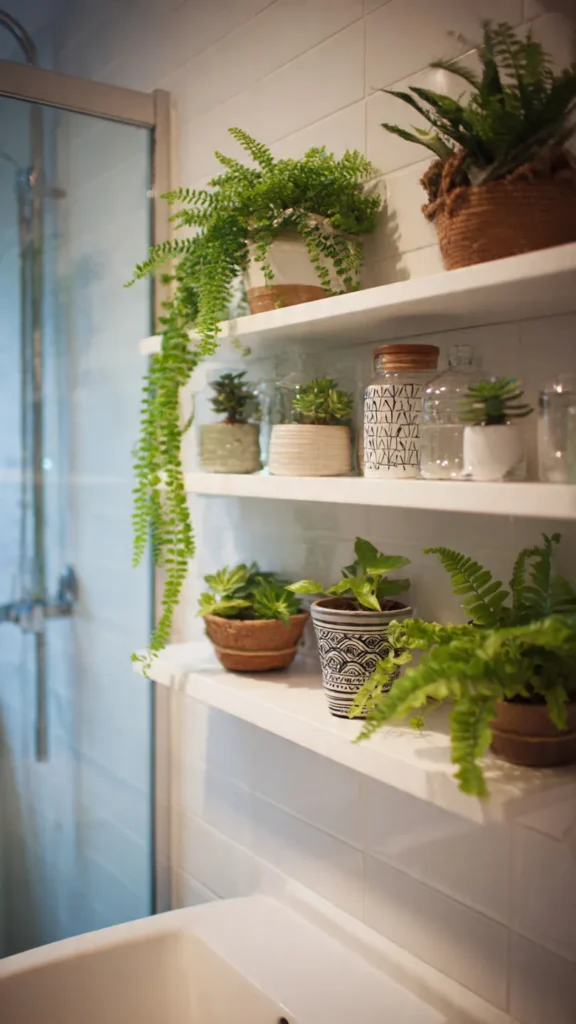
Bathrooms are often overlooked when it comes to indoor gardening, but they can be perfect environments for certain plants. The humidity created by showers and baths mimics tropical conditions, making it ideal for ferns, orchids, and peace lilies. Adding plants to a bathroom softens the space and transforms it into a spa-like retreat.
Even a small plant on the sink or a hanging pot near the shower can make a big difference. The combination of water, greenery, and natural textures creates a calming environment that enhances daily routines. It turns a purely functional room into a place of relaxation and renewal.
9. Create a Terrarium as a Living Sculpture
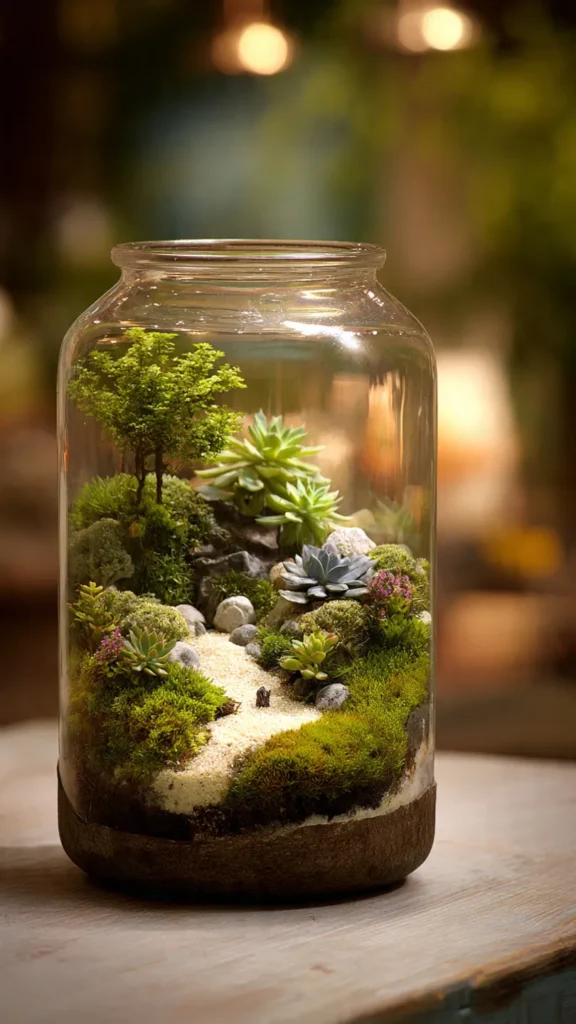
Terrariums are miniature gardens enclosed in glass containers, and they function as both art and nature. They are perfect for desks, coffee tables, or shelves where you want a small but eye-catching green element. Moss, small ferns, and tiny succulents are popular choices for terrariums.
Because terrariums are relatively self-contained, they often require less maintenance than open pots. The glass keeps humidity in, creating a stable microclimate. This makes terrariums ideal for people who love the idea of plants but worry about forgetting to water them regularly.
10. Frame a Window with Climbing Plants
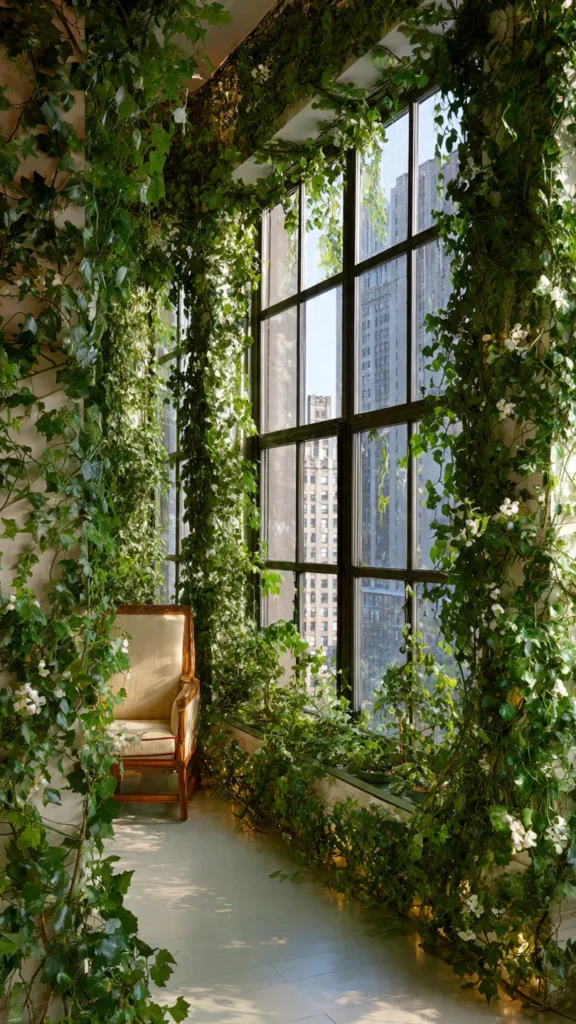
Training climbing plants around windows can create a magical, garden-like effect indoors. Vines such as philodendron or ivy can be guided along thin wires or trellises, framing the window with greenery and making it feel like a portal to a lush world beyond.
This technique also softens harsh lines and adds depth to a room. The light filtering through leaves creates beautiful shadows and patterns that change throughout the day. Over time, the growth of the vines becomes part of the room’s story, evolving with the seasons and your care.
11. Turn Your Bedroom into a Calm Green Retreat
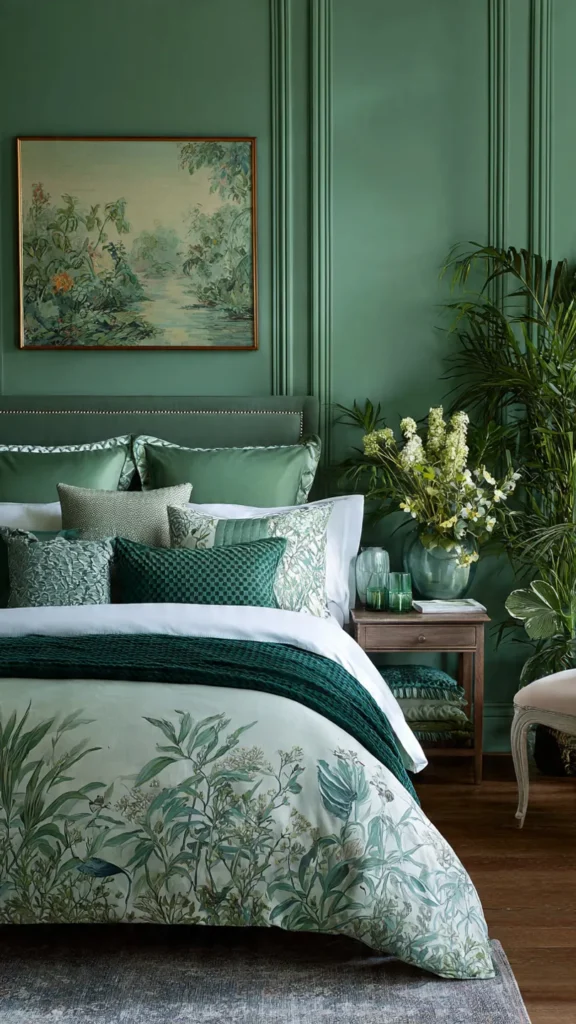
Adding plants to the bedroom can improve air quality and create a soothing atmosphere that supports rest and relaxation. Soft, leafy plants with gentle forms are especially suited for this space, as they don’t feel overwhelming or stimulating.
Placing a plant near the bed, on a windowsill, or on a dresser introduces a natural element that balances technology and furniture. The presence of greenery can help reduce stress before sleep and make waking up feel more peaceful and refreshing.
12. Create a Kitchen Garden with Grow Lights
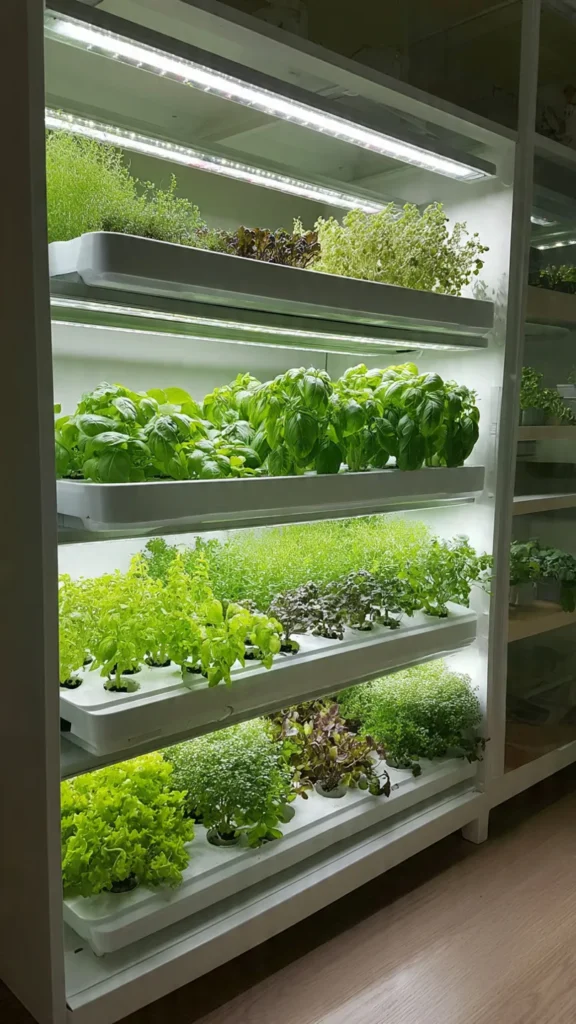
If your kitchen lacks natural light, grow lights can open up new possibilities for indoor gardening. With modern LED grow lights, you can cultivate herbs, leafy greens, and even small vegetables indoors year-round.
This approach turns your kitchen into a productive green space rather than just a place for cooking. Harvesting fresh greens from your own indoor garden adds a sense of self-sufficiency and connection to your food, even if you live in an urban environment with no outdoor space.
13. Use Recycled Containers as Planters
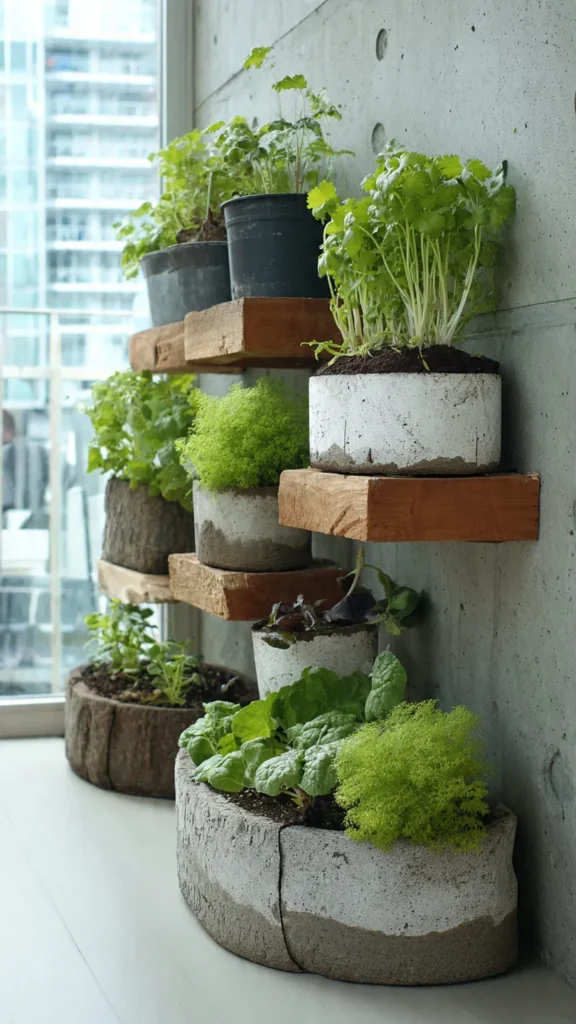
Repurposing jars, tins, bottles, and other household items as planters is an eco-friendly way to expand your indoor garden. It reduces waste while adding character and personality to your space. Each container tells a story and makes your garden feel unique and personal.
This idea also encourages creativity, as you experiment with different shapes, sizes, and textures. A collection of mismatched recycled planters can create a charming, eclectic look that feels warm and lived-in rather than polished and impersonal.
14. Create a Seasonal Indoor Garden Display
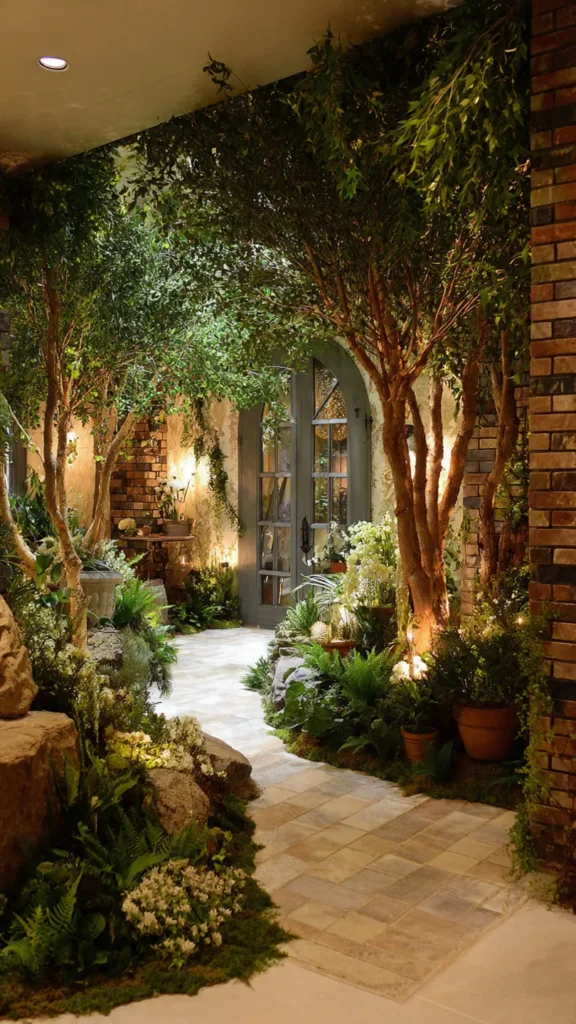
Just as outdoor gardens change with the seasons, your indoor garden can evolve too. You can swap plants, change pots, and rearrange displays to reflect different times of the year. In spring, you might feature flowering plants, while in winter you focus on evergreens and foliage plants.
This seasonal approach keeps your indoor garden feeling fresh and engaging. It also allows you to experiment with new plants and styles without committing permanently. Over time, it becomes a creative ritual that marks the passing of the year and keeps your home feeling dynamic and alive.
15. Make Plants Part of Your Everyday Rituals
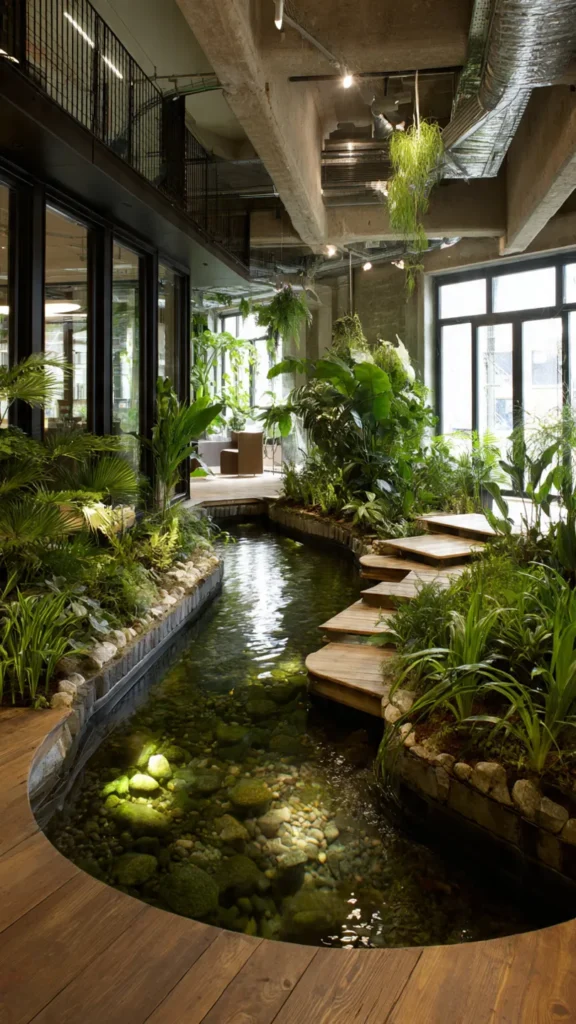
The most powerful indoor gardening idea is not about design but about habit. When plants become part of your daily life, they transform your relationship with your home. Watering in the morning, pruning in the evening, or simply noticing new leaves can become moments of mindfulness and calm.
By integrating plants into routines like making coffee, reading, or cleaning, you turn gardening into a gentle, grounding practice. Your home becomes not just a place to live, but a living system that grows and changes with you. In this way, indoor gardening becomes more than decoration; it becomes a way of life that nurtures both your space and your well-being.
Indoor gardening is ultimately about creating harmony between your living environment and the natural world. Whether you choose bold living walls, tiny terrariums, or a simple pot of herbs on a windowsill, each plant adds life, texture, and meaning to your home.
Over time, these small green choices accumulate into a space that feels healthier, calmer, and more joyful. By embracing indoor gardening in whatever form suits you best, you can truly transform your home into a green oasis that supports your body, mind, and spirit every single day.