15 Foxtail Fern Landscaping Ideas
The foxtail fern is one of the garden’s most architecturally distinctive and most practically resilient plants, and its consistent underuse in domestic landscaping reflects a gap between the plant’s genuine qualities and the gardening public’s awareness of what those qualities are. The foxtail fern is not actually a fern at all.
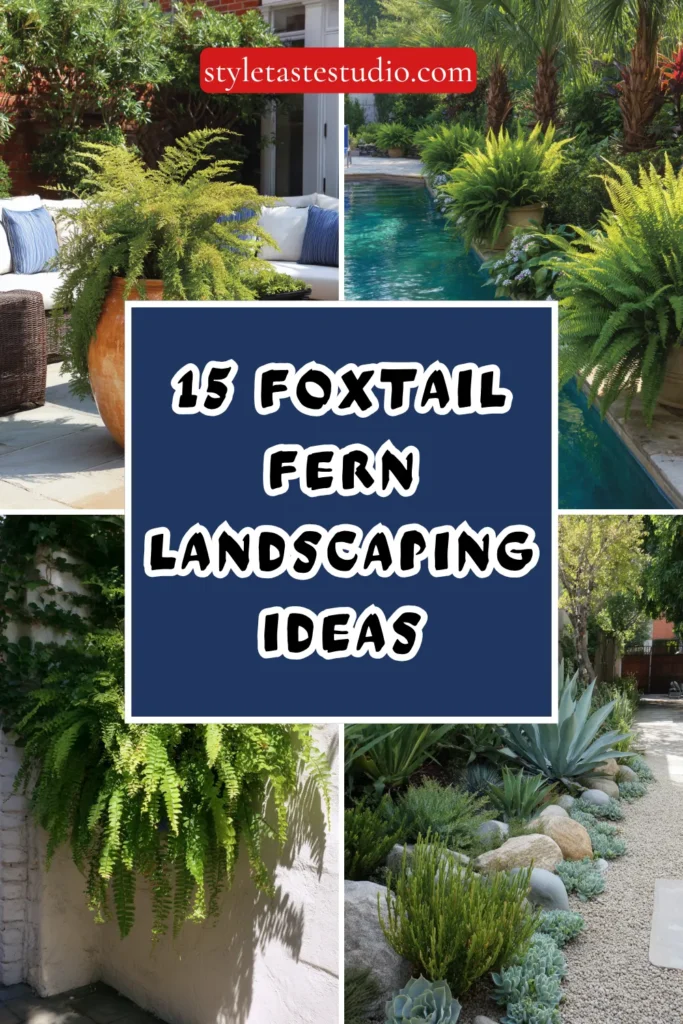
It is Asparagus densiflorus, a member of the asparagus family whose common name derives from the dense, cylindrical plumes of bright emerald green needles that emerge from its arching stems in the specific form of a fox’s tail.
This cylindrical plume is the plant’s most distinctive visual quality, different from every other garden plant’s leaf form and creating a texture of unique character that relates to both the fine-textured ornamental grass and the bold architectural succulent without belonging entirely to either category.
The foxtail fern’s practical qualities match its visual ones. It tolerates drought once established, making it the reliable performer in the water-conscious garden. It tolerates shade and partial shade, creating the planting solution for the difficult garden areas where many other plants fail.
It tolerates poor soil, salt spray, and the general environmental stress of the challenging garden site with the equanimity of a plant that has evolved for resilience rather than dependence on ideal conditions. Here are fifteen foxtail fern landscaping ideas that bring this remarkable plant’s specific qualities to every area of the domestic garden.
1. A Mass Planting as a Groundcover
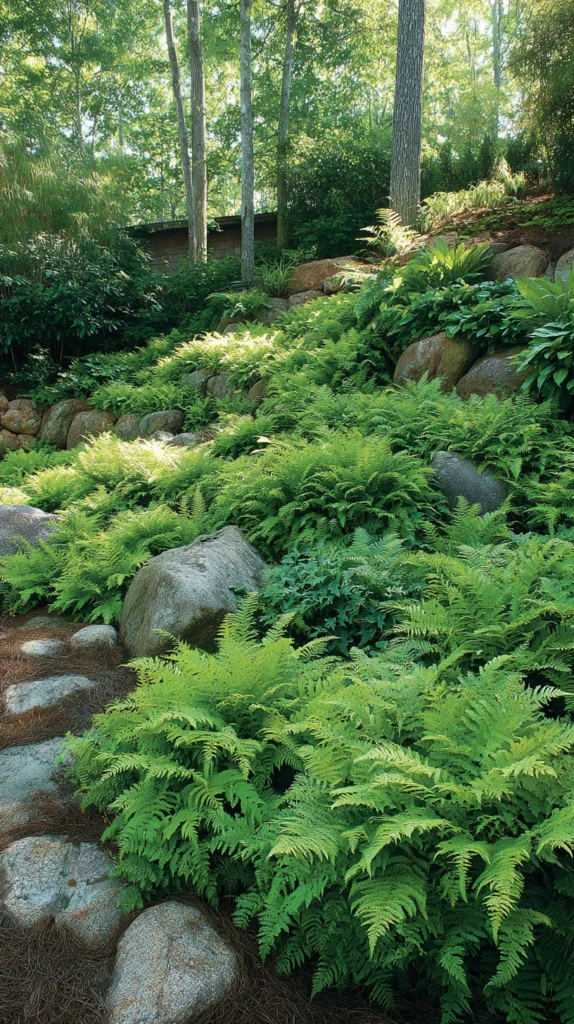
Foxtail ferns planted in a mass, their individual plumes overlapping to create a continuous sea of bright emerald green needles across a large ground area, create the groundcover of most striking textural character available in the drought-tolerant plant palette. The mass planting’s visual impact comes from the repetition of the individual plume’s distinctive cylindrical form across the full planting area.
Plant the foxtail ferns at sixty centimeter spacing for the complete groundcover effect within two growing seasons. The plants’ spreading root system creates the dense coverage of the ground surface that suppresses weed germination effectively once the planting reaches full establishment density.
The mass foxtail fern groundcover works most powerfully on a sloped site where the plumes’ arching form creates a textural surface of considerable visual movement. The slope reveals the individual plant’s form more completely than the flat ground planting, where the plumes of adjacent plants merge into a continuous green surface.
2. A Border Edging Along Pathways
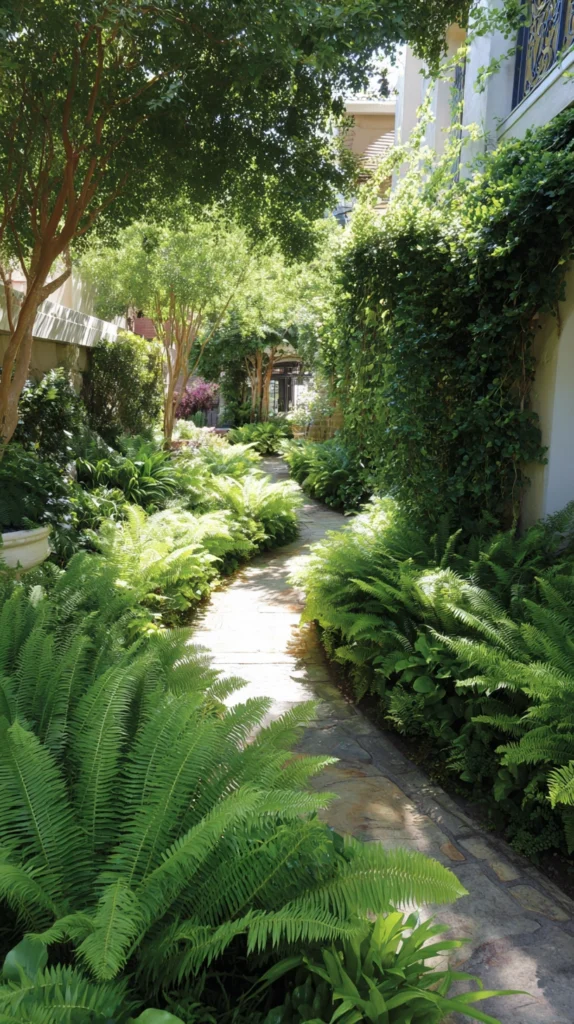
Foxtail ferns planted as a consistent edging along both sides of a garden pathway create the pathway of most lushly textured borders available in the low-maintenance plant palette. The plumes’ arching form softens the pathway’s hard edge and creates the overgrown, abundant quality of a garden path that is enveloped in planting rather than simply bordered by it.
Plant the edging ferns at forty-five centimeter spacing from the pathway’s edge, allowing the mature plants’ arching plumes to reach over the path’s surface and create the tunnel effect of enclosed, plant-lined passage that is one of the garden path’s most atmospheric spatial experiences.
The foxtail fern pathway edging suits both the formal straight path and the informal curved path with equal effectiveness. The plant’s consistent form creates the visual rhythm of the formal garden when planted in a straight line and the naturalistic abundance of the informal garden when planted along a curved pathway’s edge.
3. A Container Specimen on the Patio
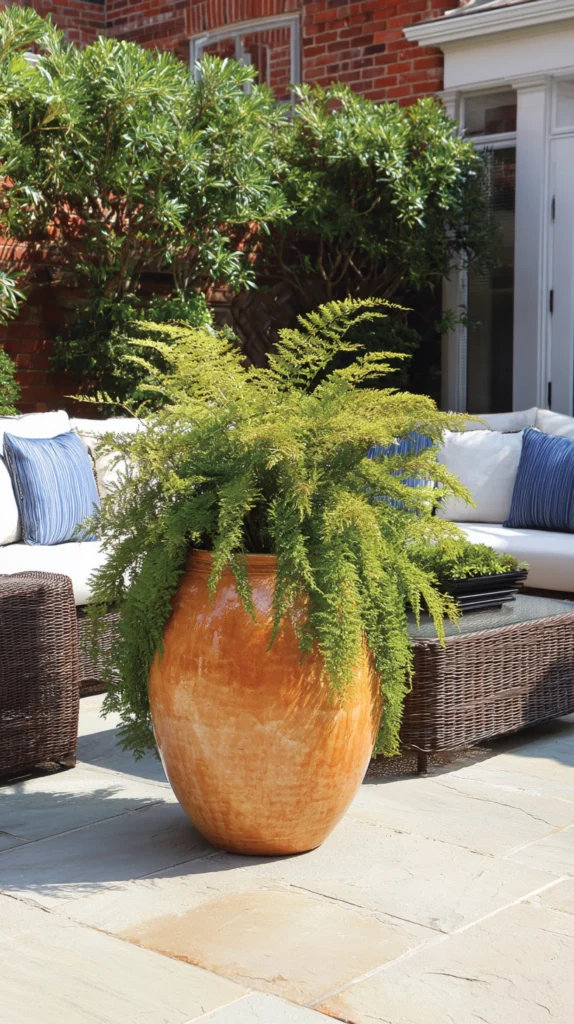
A single foxtail fern planted as a specimen in a generous container on the patio or terrace creates the outdoor room’s most architecturally distinctive container plant.
The plant’s bright emerald plumes spilling over the container’s edge in all directions creates the specific quality of a plant that is both contained and abundantly free-form simultaneously.
Choose a container of adequate dimensions for the foxtail fern’s vigorous root system. A container of at least forty centimeters in both diameter and depth creates the root volume that the established foxtail fern requires for sustained healthy growth and the full development of its plume density.
The container’s material should be chosen to complement the foxtail fern’s bright emerald green. A terracotta pot creates the warm contrast of the earth tone against the cool green. A dark glazed ceramic creates the dramatic chromatic contrast of the richest visual quality. A simple white ceramic creates the clean, contemporary backdrop that allows the plant’s form to be the composition’s primary visual element.
4. A Layered Border with Bold Companions
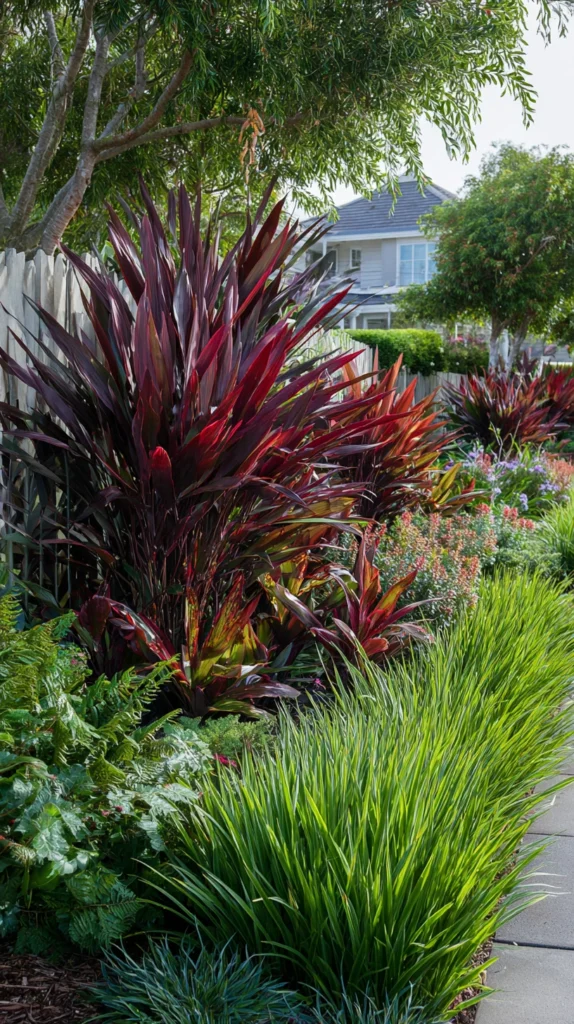
Foxtail ferns used as the middle layer in a layered planting border, with taller architectural plants behind and lower groundcover planting in front, create the border of most complete textural composition.
The foxtail fern’s fine, dense plume texture provides the visual contrast that both the bold-leaved tall plant behind and the flat groundcover in front most benefit from as a middle-register counterpoint.
Pair the foxtail fern with the bold, dark-leaved New Zealand flax at the border’s back and the fine-textured mondo grass at the border’s front. The three plants’ contrasting textures create the layered border of complete visual interest from every viewing angle.
The foxtail fern’s bright emerald green creates the specific color relationship that the red-leaved New Zealand flax varieties most powerfully benefit from. The complementary contrast of the deep burgundy flax and the bright emerald fern creates the border’s most dramatic chromatic tension.
5. A Slope Stabilizer on Embankments
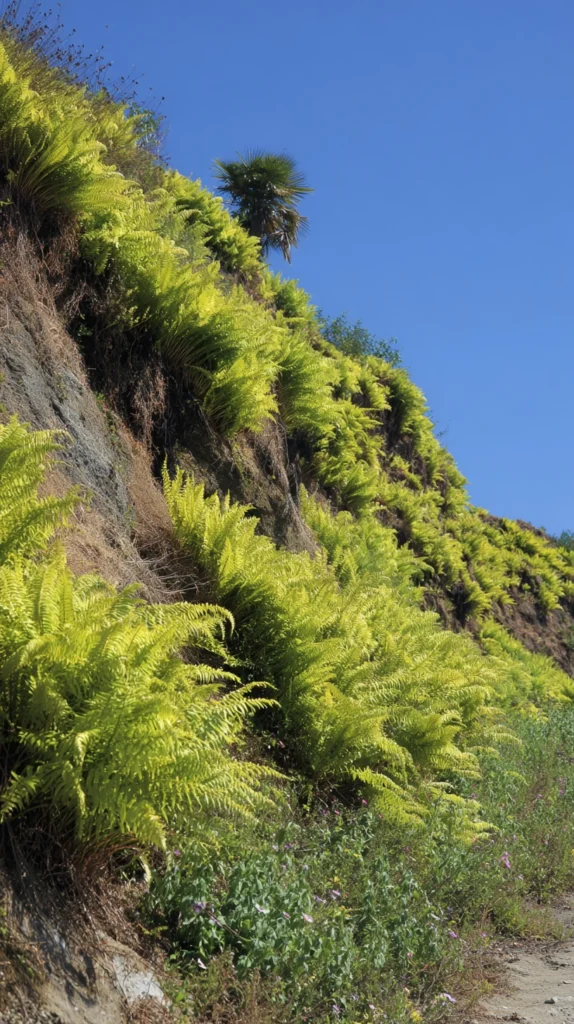
Foxtail ferns planted on a sloped embankment or a difficult bank where lawn maintenance is impractical and erosion is a concern create the slope stabilization planting of most practical effectiveness and most attractive visual character.
The plant’s fibrous, tuberous root system creates the dense underground network that binds the soil and resists the water erosion that the un-planted embankment experiences in rainfall events.
Plant the slope embankment in a staggered grid pattern at sixty centimeter spacing, starting at the top of the slope and working downward to minimize soil disturbance during the planting process. Mulch between the young plants immediately after planting to suppress weeds and retain the soil moisture that the establishing root system requires.
6. A Poolside Planting for Tropical Effect
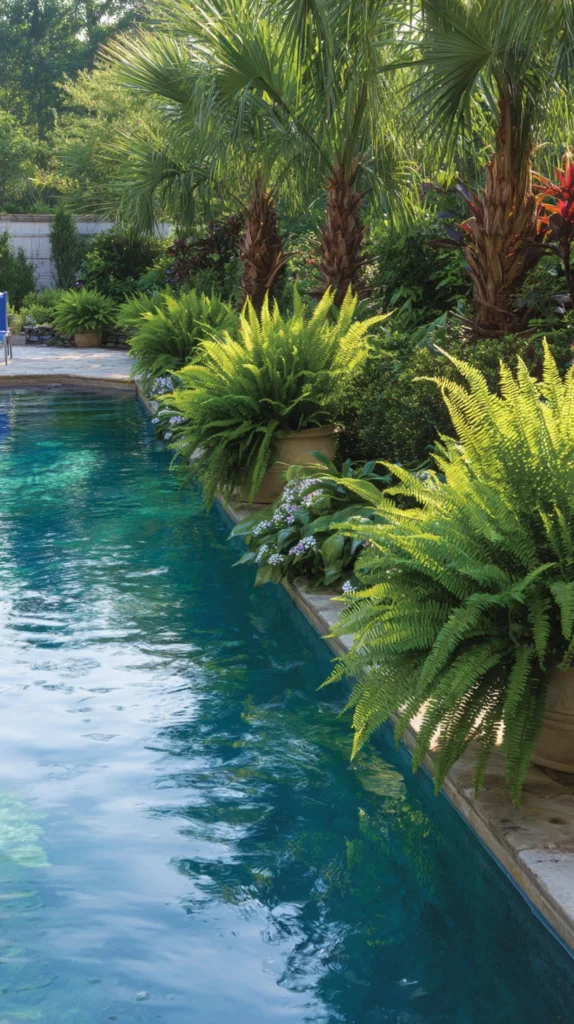
Foxtail ferns planted at the pool’s edge, their bright emerald plumes reflecting in the water’s surface and creating the lush, tropical poolside planting of resort-like quality, create the domestic pool area’s most convincingly exotic plantscape available in the drought-tolerant palette.
The plant’s tolerance of the reflected heat of the pool surround and its resistance to the occasional splash of chlorinated water make it the practical choice as well as the aesthetic one.
Plant the poolside foxtail ferns in informal groupings of three to five plants at varied spacing, creating the naturalistic abundance of a tropical planting rather than the formal regularity of a designed border. The informal grouping suits the relaxed, holiday quality of the poolside environment.
7. A Foundation Planting Along Building Edges
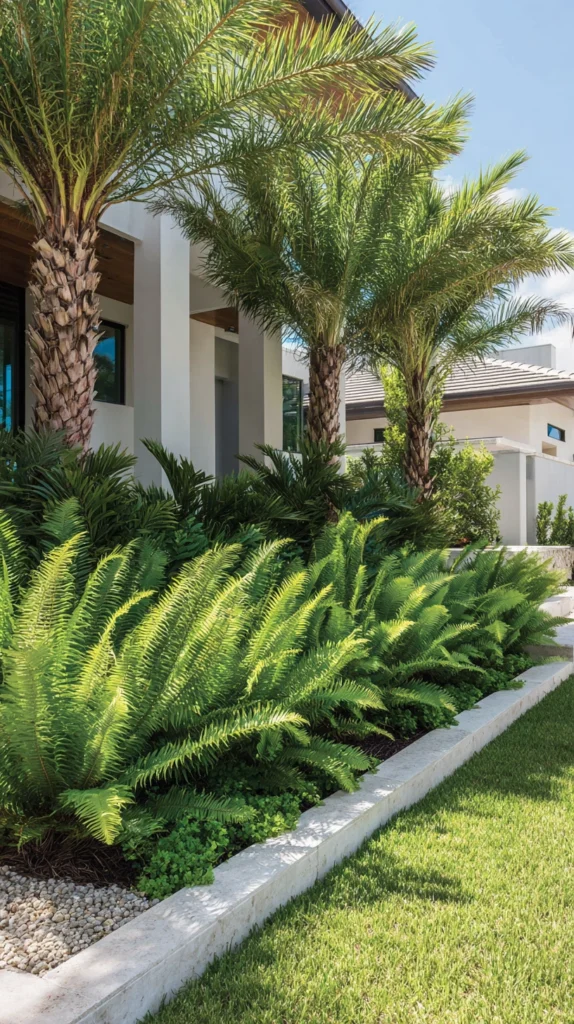
Foxtail ferns planted in a continuous row along the foundation of a house or a garden wall create the foundation planting of most consistent visual quality and most reliable performance in the variable conditions that the building’s base creates.
The building’s overhang reduces rainfall to the foundation zone, and the reflected heat of the wall increases the temperature of the planting area, creating the dry, warm conditions that the foxtail fern’s drought tolerance specifically suits.
The continuous foundation planting of foxtail ferns creates the visual connection between the building’s base and the garden’s ground plane that the un-planted foundation entirely lacks. The plumes’ bright emerald green softens the building’s hard base and creates the inhabited quality of a house that belongs within its garden rather than sitting on it.
8. A Tropical-Themed Garden Bed
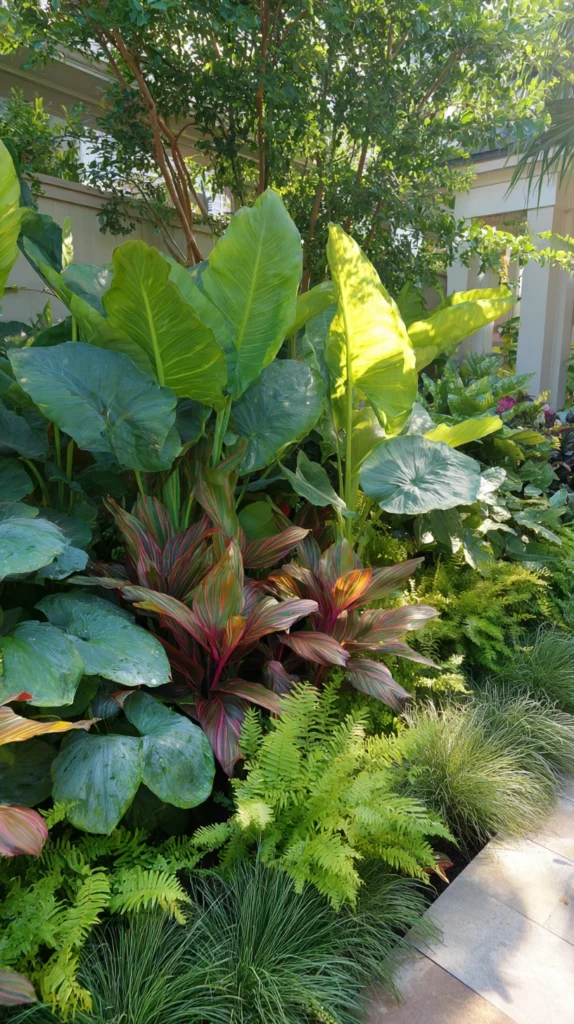
A garden bed designed around the tropical aesthetic, with foxtail ferns as the primary textural plant and bold-leaved tropical species including cannas, elephant ears, and bird of paradise as the architectural statement plants, creates the domestic garden’s most convincingly exotic planting composition in the warm climate garden.
The foxtail fern’s fine, dense texture creates the essential visual contrast that the bold-leaved tropical plants require to be seen at their most dramatic. Without the fine-textured foil of the foxtail fern’s plumes, the bold tropical leaves read as isolated objects rather than as the components of a coherent, richly textured planting composition.
9. A Rock Garden Integration
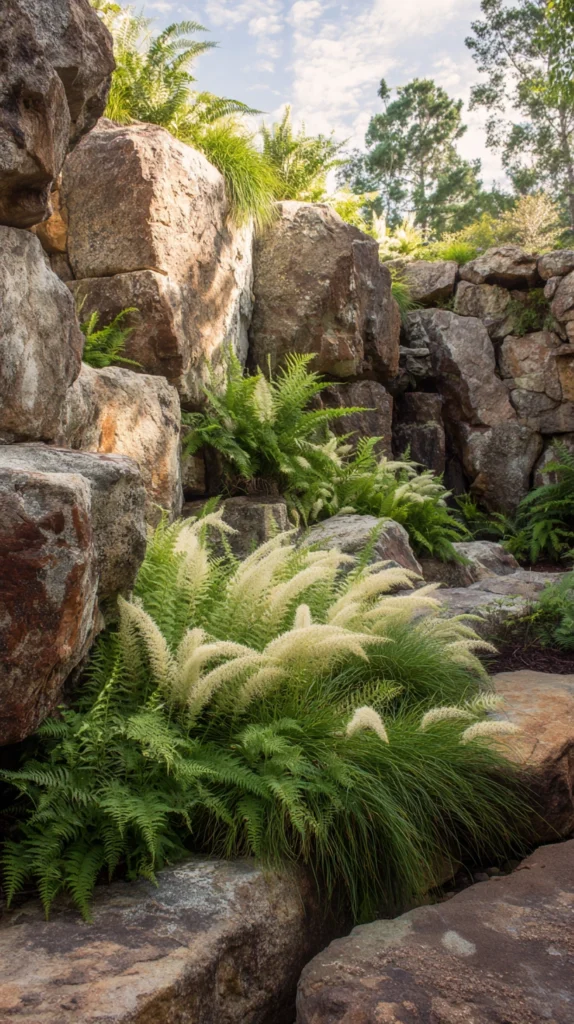
Foxtail ferns planted between and around the large stones of a rock garden create the planting of most natural quality within the rock garden’s composition, their plumes emerging from between the rocks with the specific quality of plants that have seeded themselves into the crevices of a natural rocky landscape rather than being placed there by a gardener.
The contrast between the rock’s hard, angular surface and the foxtail fern’s soft, fine-textured plume creates the rock garden’s most satisfying material relationship.
Position the foxtail ferns in the rock garden’s larger crevices and at the base of the most significant stones, where the plant’s root system has adequate soil volume and the stone’s thermal mass creates the warm, dry microclimate that the foxtail fern’s Mediterranean climate origin most naturally suits.
10. A Hanging Basket Cascade
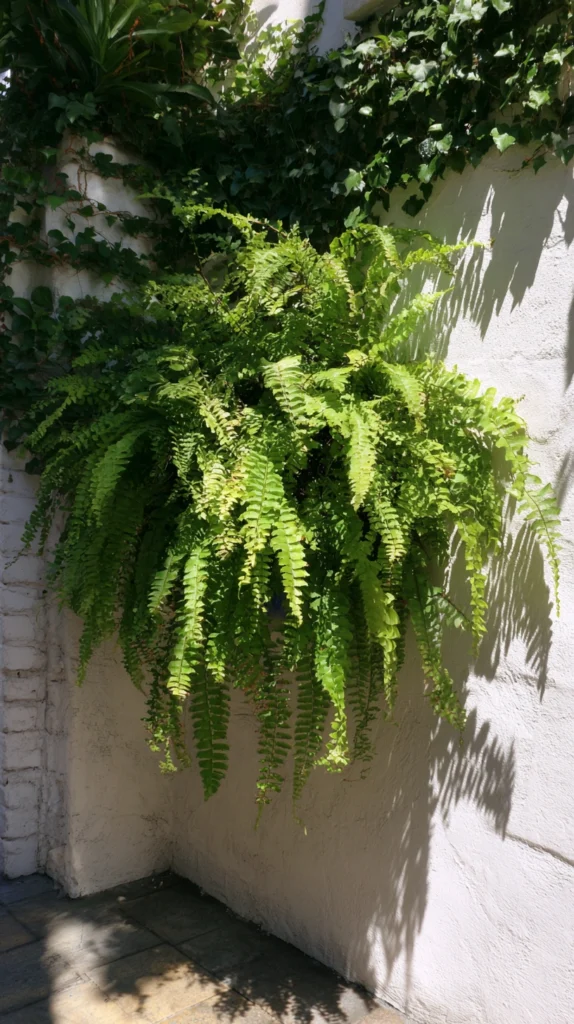
Foxtail ferns planted in hanging baskets, their arching plumes cascading over the basket’s edge in all directions to create the waterfall effect of the trailing plant at its most lushly textured, create the hanging basket display of most distinctive visual character.
The cylindrical plumes hanging downward from the basket’s rim create a curtain of fine green texture that the standard trailing petunia or lobelia cannot approach in terms of architectural interest.
Use a basket of adequate size for the foxtail fern’s vigorous growth, a minimum of thirty centimeters in diameter, and line it with a moisture-retentive liner that compensates for the basket’s rapid drainage. The foxtail fern’s drought tolerance does not extend to the basket environment’s extreme drying conditions without adequate water retention at the root zone.
11. A Coastal Garden Planting
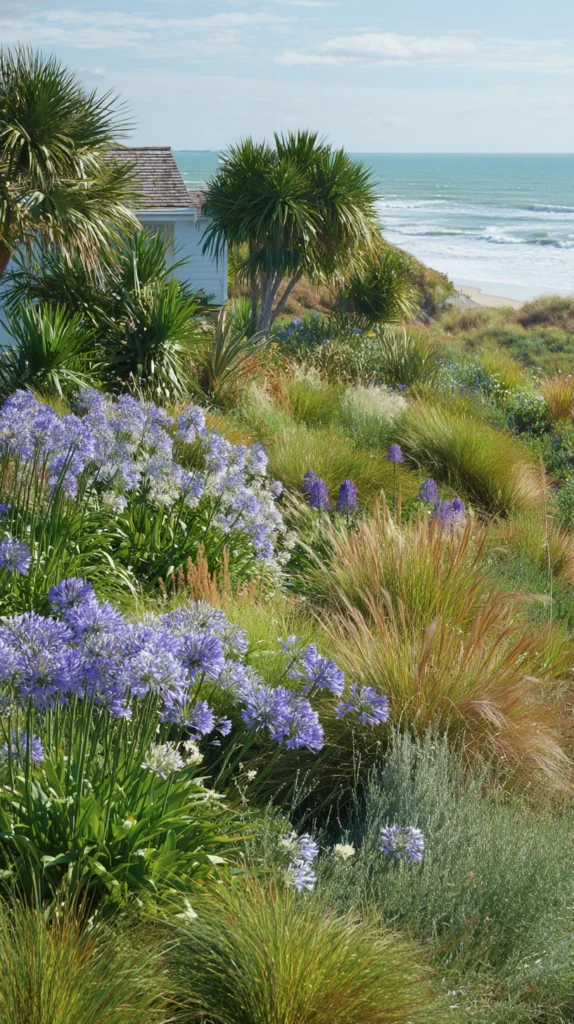
Foxtail ferns are planted in a coastal garden, where their tolerance of salt spray and their resistance to the drying wind of the coastal environment creates the reliable, low-maintenance planting that the coastal garden’s challenging conditions demand, creating the coastal landscape of most consistent visual quality.
Most ornamental plants fail in the coastal garden’s salt and wind conditions, and the foxtail fern’s specific tolerance of both creates the coastal planting solution of genuine reliability.
Combine the foxtail fern in the coastal garden with other salt-tolerant species including agapanthus, phormium, and the various coastal grasses to create the planting composition of complete coastal character and complete environmental appropriateness.
12. A Shade Garden Solution
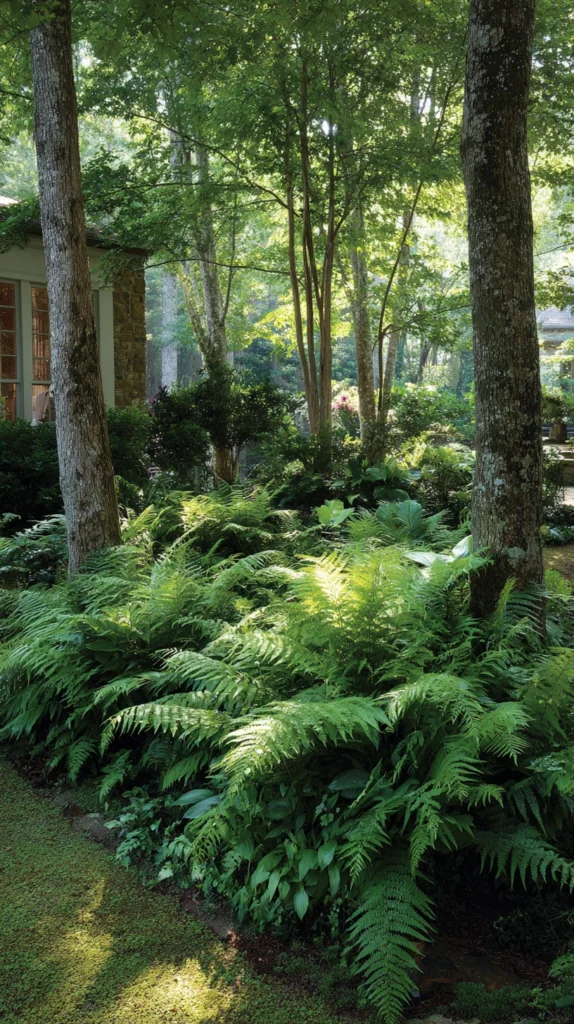
Foxtail ferns planted beneath the canopy of large deciduous trees, in the dry, shaded conditions that the tree’s canopy creates and that most ornamental plants find impossible, create the shade garden’s most reliable and most visually attractive planting solution.
The foxtail fern’s specific tolerance of the dry shade beneath established trees, where the combination of reduced light and competitive tree roots creates the most challenging garden growing conditions, makes it the planting answer to the domestic garden’s most consistently difficult problem area.
The shade garden foxtail fern planting benefits from a generous application of organic mulch at planting time and annually thereafter, creating the moisture retention and the organic matter improvement that compensates for the dry, nutrient-depleted conditions that the tree canopy creates at the soil surface.
13. An Indoor-Outdoor Transitional Planting
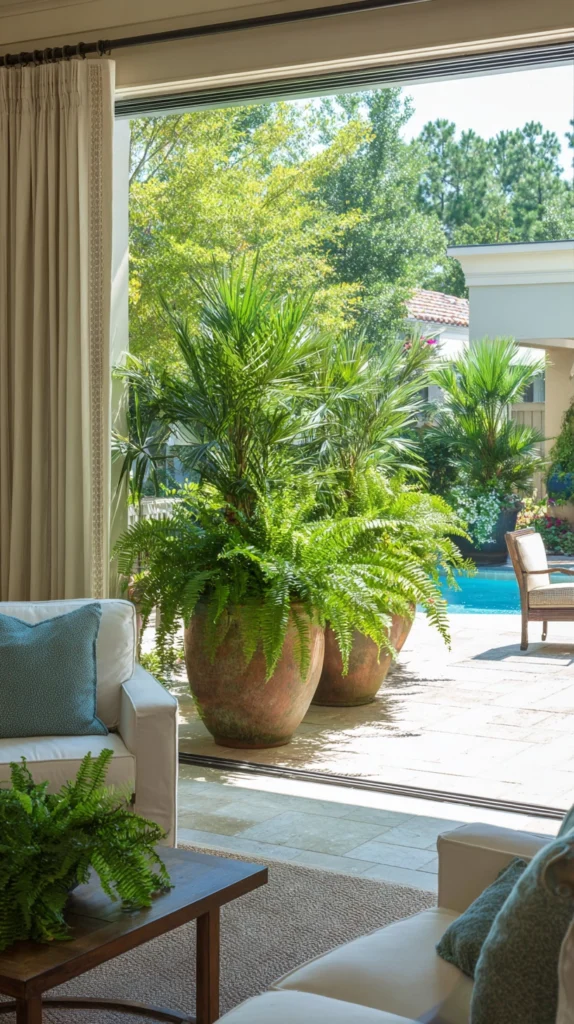
Foxtail ferns planted in generous groupings in the transitional zone between the indoor and outdoor space, in large containers flanking a sliding door or along the covered outdoor room’s edge, create the planting connection between the interior and the garden that blurs the boundary between the inside and outside in the specific way that the seamless indoor-outdoor home design most values.
The foxtail fern’s tolerance of the lower light conditions of the covered outdoor room and its bright emerald green color that relates to both the indoor plant palette and the garden’s outdoor planting creates the transitional planting of most complete spatial and visual coherence.
14. A Low-Water Xeriscape Composition
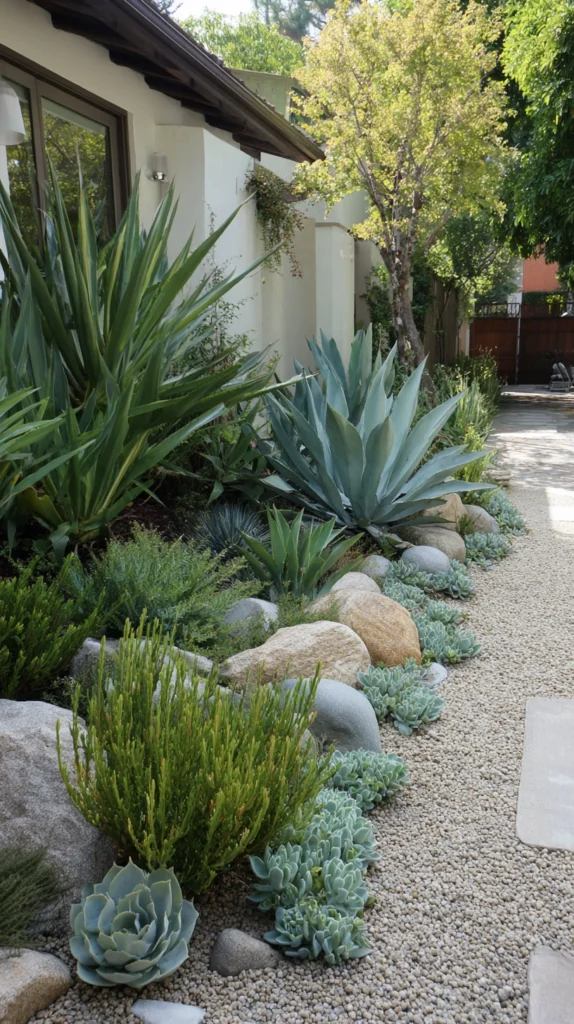
Foxtail ferns as the primary planting in a xeriscape composition, combined with the other drought-tolerant species of the water-wise garden including agave, sedum, and ornamental grasses, create the low-water garden of most complete practical intelligence and most visually interesting plant combination. The foxtail fern’s bright, fine-textured green provides the essential contrast that the succulent plants’ bold, geometric forms require to be seen at their most architecturally dramatic.
Mulch the xeriscape planting heavily with a gravel or crushed stone mulch that reflects the heat, suppresses weeds, and creates the mineral aesthetic of the dry garden tradition while reducing the soil moisture loss that the un-mulched xeriscape planting experiences between watering or rainfall events.
15. Design the Foxtail Fern Planting for the Garden’s Specific Conditions
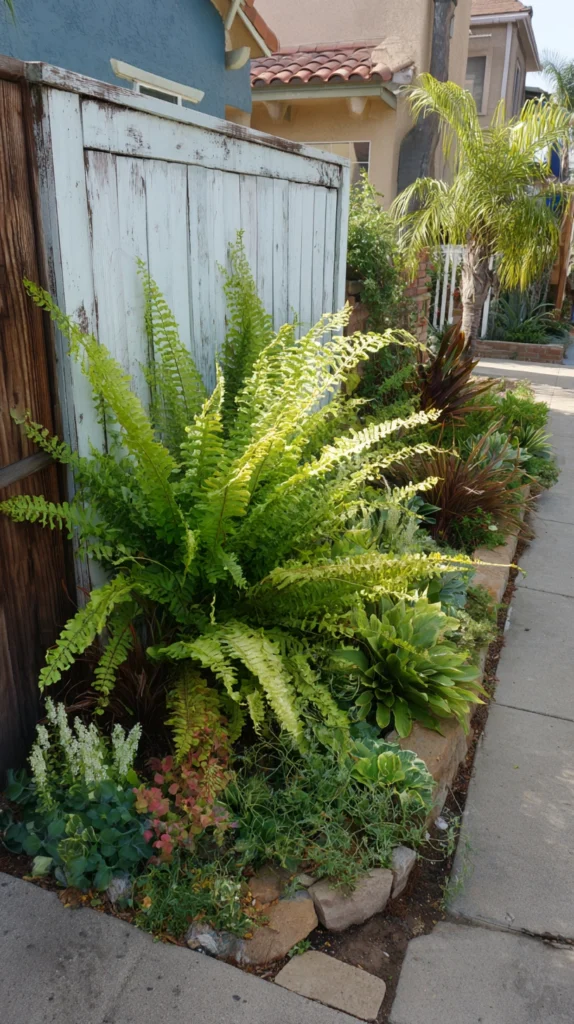
The final foxtail fern landscaping idea is the most important design principle of all fifteen. It is the commitment to placing the foxtail fern in the specific garden locations where its actual qualities, its drought tolerance, its shade tolerance, its fine texture, and its bright emerald green, create the most significant improvement to the garden’s existing character rather than simply placing it wherever a plant is needed without considering whether the foxtail fern’s specific qualities are the ones the specific location most requires.
The foxtail fern in a dry, shaded area where other plants fail creates a genuine landscape solution of real practical value. The foxtail fern in the ideal growing conditions of the full sun, well-drained border creates an attractive but undistinguished planting that the location’s conditions do not specifically require.
The plant used where its specific qualities address the garden’s specific challenges is always more valuable and more effective than the same plant used simply because it is available and attractive.
Understanding what the foxtail fern specifically offers and matching those specific qualities to the garden locations that most need them is the landscaping intelligence that creates the garden of genuine design excellence rather than the garden of merely competent plant selection.