15 Soundproof Bedroom Design Ideas for Better Sleep
In a world that never truly goes quiet, the bedroom has become more than a place to rest—it’s a personal retreat from noise, overstimulation, and daily chaos. Traffic outside, conversations in the next room, buzzing electronics, and even subtle household sounds can interfere with deep, restorative sleep.

Soundproof bedroom design isn’t just about blocking noise; it’s about shaping an environment that feels calm, cocooned, and intentionally designed for rest.
Modern soundproofing has moved far beyond bulky foam panels and studio-style walls. Today’s solutions blend seamlessly into stylish interiors, offering acoustic benefits without sacrificing aesthetics. From architectural upgrades to decor-driven fixes, these ideas help you create a bedroom that feels serene, modern, and deeply restful.
Below are 15 soundproof bedroom design ideas that balance function with contemporary style—perfect for better sleep and better living.
1. Upholstered Wall Panels That Feel Luxurious
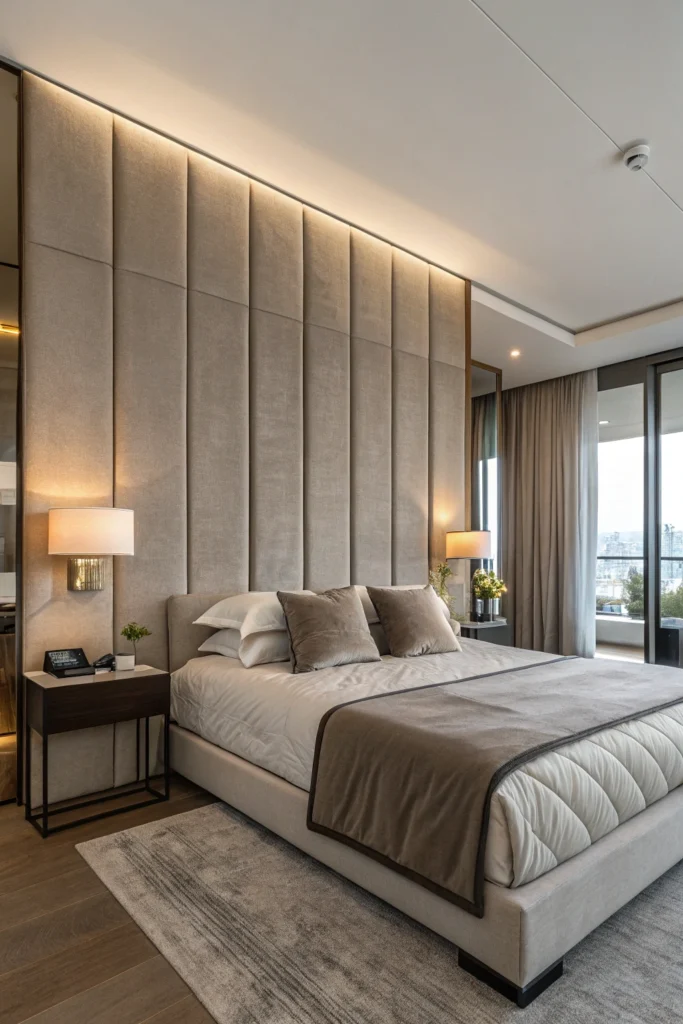
Upholstered wall panels are one of the most elegant ways to reduce noise while elevating bedroom design. These panels absorb sound waves, minimizing echo and muffling outside noise, all while adding texture and warmth to the space.
Modern designs favor soft neutrals, vertical channel tufting, or oversized geometric panels. Installed behind the bed or across a full feature wall, they double as a dramatic headboard alternative. Velvet, linen, or performance fabric options allow you to tailor the look while enjoying a noticeably quieter room.
2. Thick Area Rugs to Absorb Floor Noise

Hard flooring can amplify sound, especially in apartments or multi-story homes. A thick area rug instantly softens acoustics by absorbing footsteps, vibrations, and echoes. This is especially effective if your bedroom is above a busy living space.
For a modern aesthetic, choose low-pile wool rugs, layered rugs with subtle patterns, or oversized neutral designs that anchor the bed. A quality rug pad underneath enhances both comfort and sound absorption while making the room feel more grounded and cozy.
3. Floor-to-Ceiling Curtains That Block Sound and Light
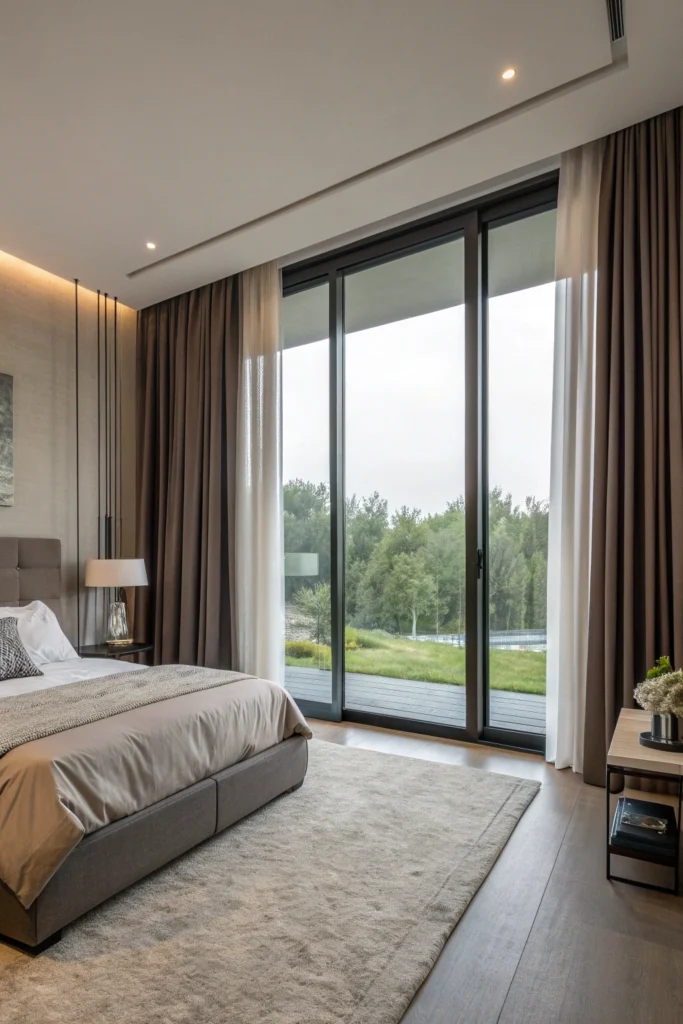
Heavy, floor-to-ceiling curtains are a design-forward way to reduce both noise and light. Dense fabrics like velvet, suede, or multi-layered blackout curtains help dampen street noise and create a cocoon-like atmosphere.
In modern bedrooms, curtains are often hung high and wide, making ceilings appear taller while fully covering windows. Neutral tones, soft folds, and minimal hardware keep the look clean and contemporary, while the added sound insulation supports deeper sleep.
4. Acoustic Ceiling Treatments for Urban Bedrooms
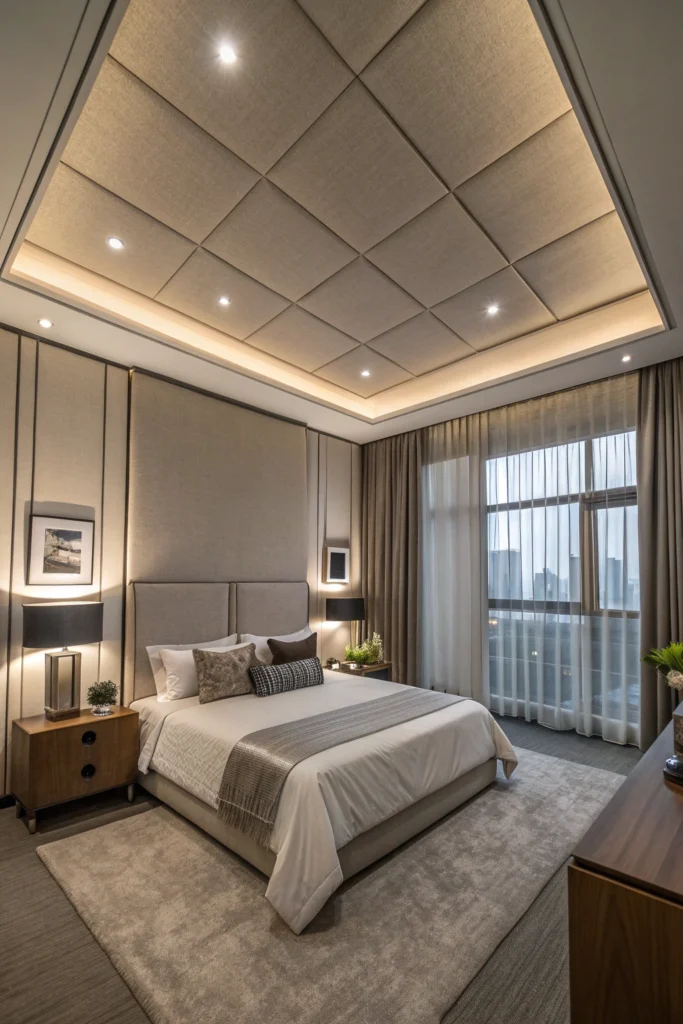
Noise doesn’t just come through walls—it travels through ceilings too. Acoustic ceiling treatments are increasingly popular in modern bedroom design, especially in city apartments or townhouses.
Sleek acoustic panels, fabric-wrapped ceiling tiles, or subtle wood-slat systems reduce overhead noise without making the room feel industrial. When painted to match the ceiling or designed with refined textures, these treatments blend in beautifully while quietly doing their job.
5. Solid-Core Doors for a Quieter Interior
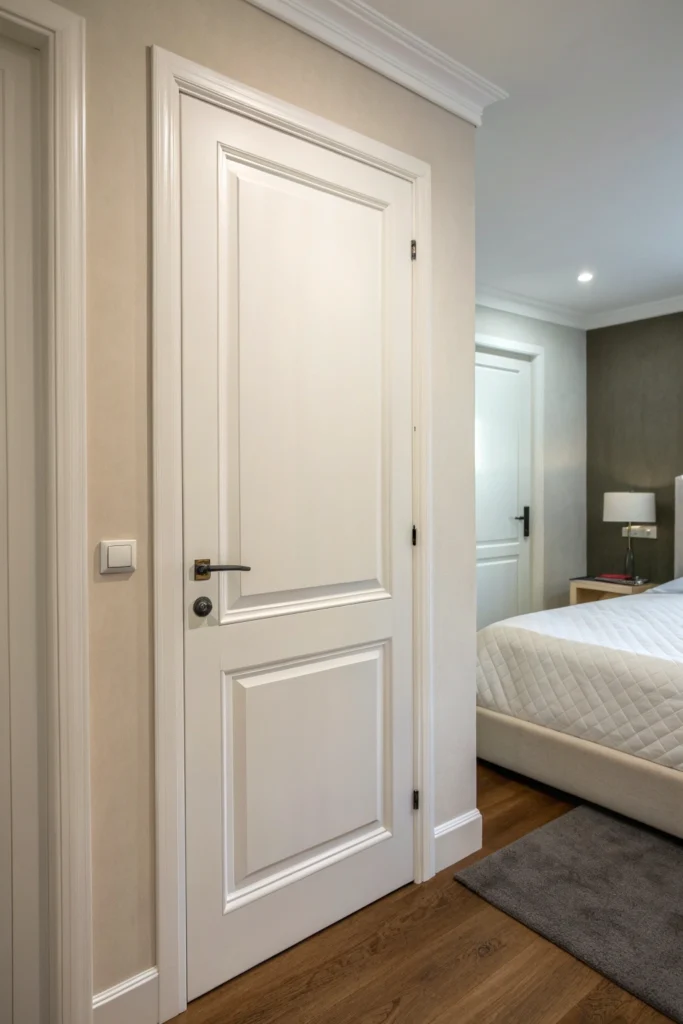
Hollow-core doors are common in homes, but they allow sound to travel easily. Replacing a bedroom door with a solid-core option can dramatically reduce noise from hallways, living areas, or shared spaces.
Modern solid doors come in minimalist slab styles, warm wood finishes, or painted options that align with contemporary interiors. Adding a soft door sweep or sound-sealing strips further enhances noise reduction without affecting the door’s appearance.
6. Layered Bedding That Softens Sound

While bedding alone won’t soundproof a room, layered textiles play a subtle role in improving acoustics. Plush duvets, quilted coverlets, and multiple pillows absorb ambient noise and reduce the sharpness of sound within the space.
A modern bed styled with thoughtful layers—crisp sheets, a structured duvet, and a single textured throw—creates both visual calm and acoustic softness. The result is a bedroom that feels quieter, warmer, and more inviting.
7. Built-In Wardrobes as Sound Barriers
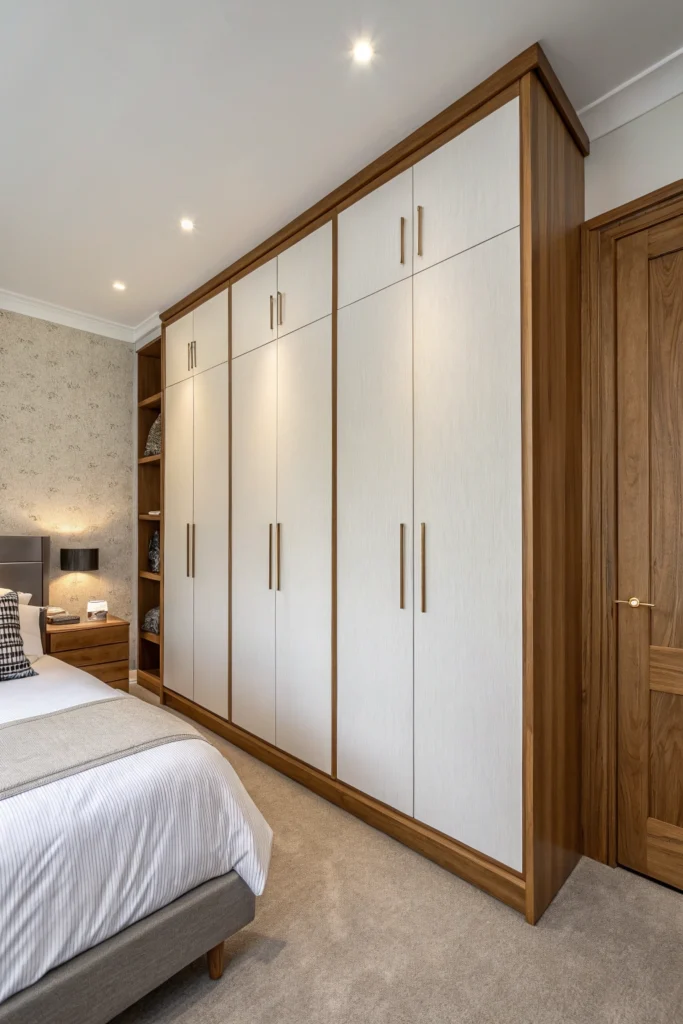
Built-in wardrobes do more than offer storage—they can act as effective sound buffers. When placed along shared walls, wardrobes add mass, which helps block sound transmission from neighboring rooms or apartments.
For a modern look, opt for handle-less cabinetry, matte finishes, or warm wood veneers. Interior organizers keep everything functional, while the wardrobe itself quietly contributes to a more peaceful sleeping environment.
8. Acoustic Wall Art That Doubles as Decor
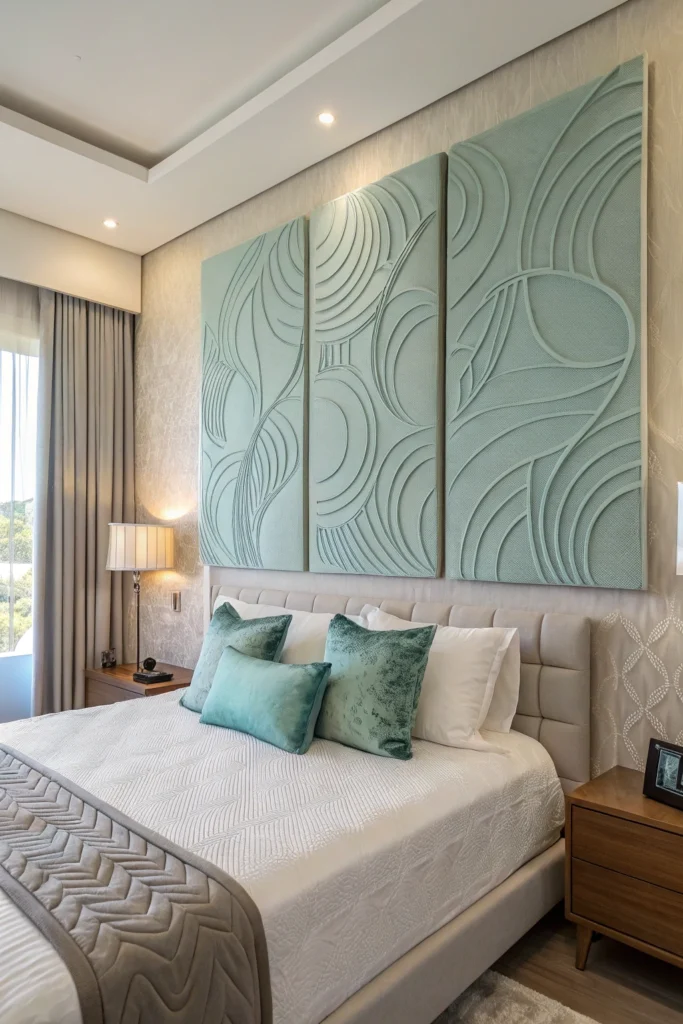
Acoustic wall art is a smart solution for those who want sound control without obvious soundproofing materials. These pieces are designed with sound-absorbing cores, wrapped in fabric or printed with artwork.
In a modern bedroom, acoustic art can replace traditional wall decor, adding personality while reducing echo and background noise. Abstract designs, muted palettes, or oversized statement pieces work especially well in minimalist spaces.
9. Soft Furnishings to Reduce Echo

Minimalist bedrooms can sometimes feel echoey due to a lack of soft surfaces. Introducing soft furnishings—like upholstered benches, accent chairs, or padded headboards—helps balance sound within the room.
Modern sound-conscious design focuses on intentional softness rather than clutter. One or two well-chosen upholstered pieces can significantly improve acoustics while maintaining a clean, curated look.
10. Double-Glazed Windows for Exterior Noise Control

If street noise is a major issue, double-glazed or acoustic windows are one of the most effective long-term solutions. These windows use multiple panes of glass with insulating air gaps to reduce sound transmission.
Modern window designs are sleek and energy-efficient, often improving thermal insulation alongside soundproofing. Paired with heavy curtains or window treatments, they create a powerful barrier against outside noise.
11. Sealed Gaps and Cracks for Immediate Improvement
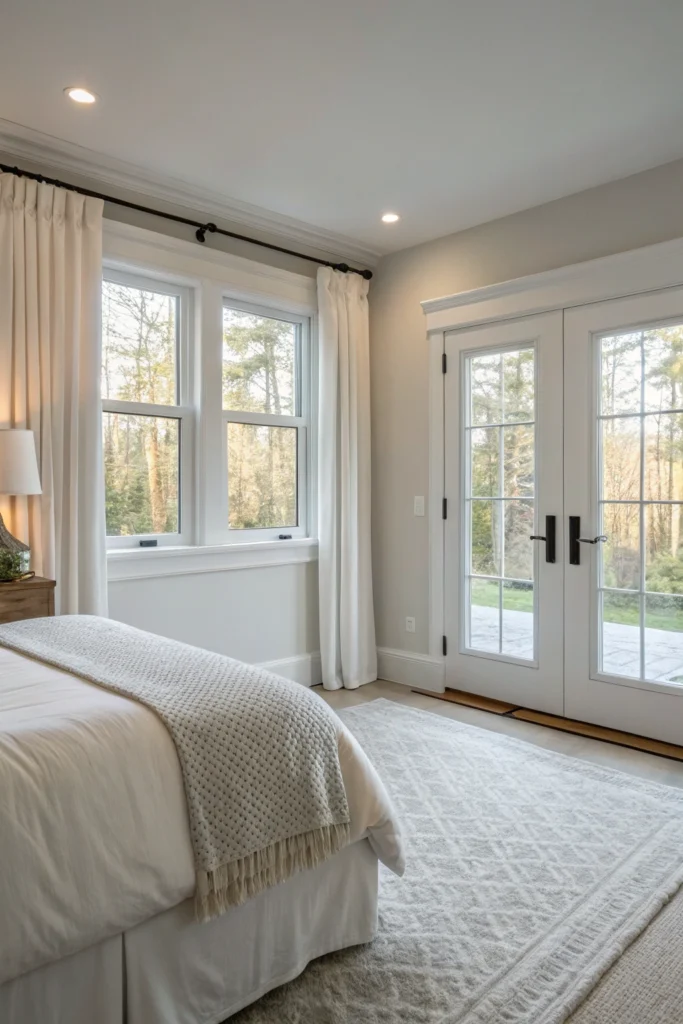
Small gaps around windows, doors, and baseboards can let in surprising amounts of noise. Sealing these areas is one of the simplest yet most effective soundproofing steps.
Clear acoustic sealants, weatherstripping, and foam tapes are discreet and affordable. Once applied, the bedroom instantly feels quieter and more insulated—an improvement you can both hear and feel.
12. Textured Wall Finishes That Break Up Sound
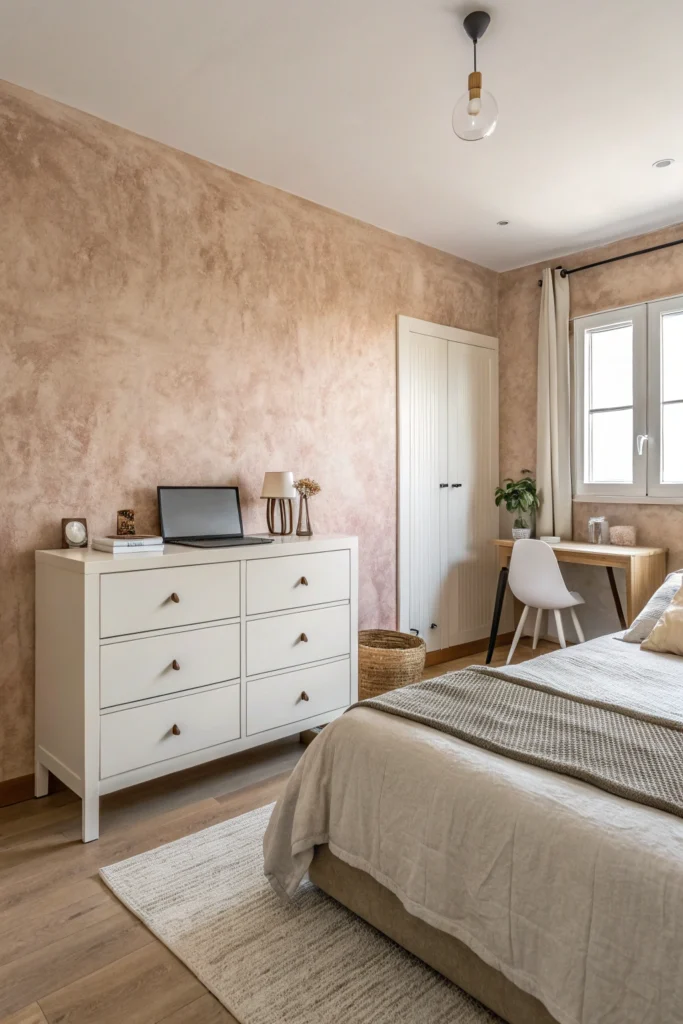
Flat, hard walls reflect sound, while textured surfaces help diffuse it. Modern textured wall finishes—such as limewash, microcement, wood slats, or fabric-backed wallpaper—add visual interest while subtly improving acoustics.
These finishes work especially well in contemporary bedrooms where tone-on-tone textures replace bold patterns. The space feels layered, calm, and acoustically balanced without looking busy.
13. Strategic Furniture Placement for Noise Reduction

Where you place furniture matters. Positioning large pieces like beds, dressers, or bookshelves against noisy walls adds mass and helps block sound.
In modern bedroom layouts, this approach is both functional and design-driven. A bed placed against a shared wall with an upholstered headboard, or a low console along a noisy side, quietly enhances soundproofing while maintaining a streamlined look.
14. Soft Lighting to Complement a Quiet Atmosphere
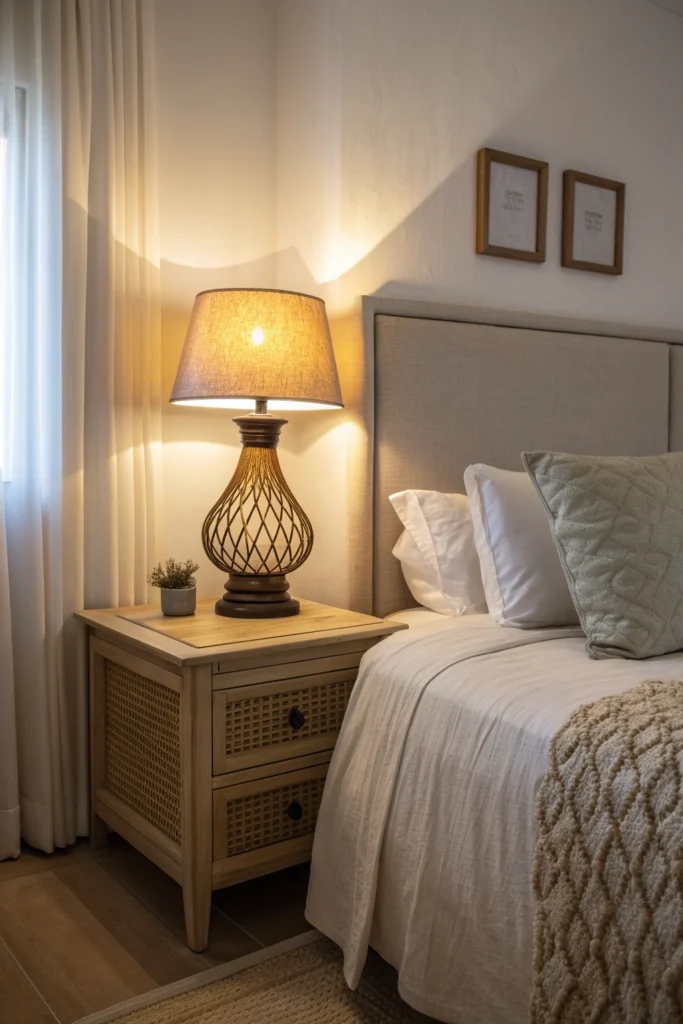
While lighting doesn’t affect sound directly, it influences how we perceive our environment. Soft, layered lighting supports the feeling of quiet and restfulness in a soundproof bedroom.
Modern designs use warm LED strips, bedside sconces, or diffused lamps to avoid harsh glare. When combined with sound-reducing materials, gentle lighting reinforces the sense of calm and signals the body that it’s time to rest.
15. White Noise Integration for Consistent Sleep
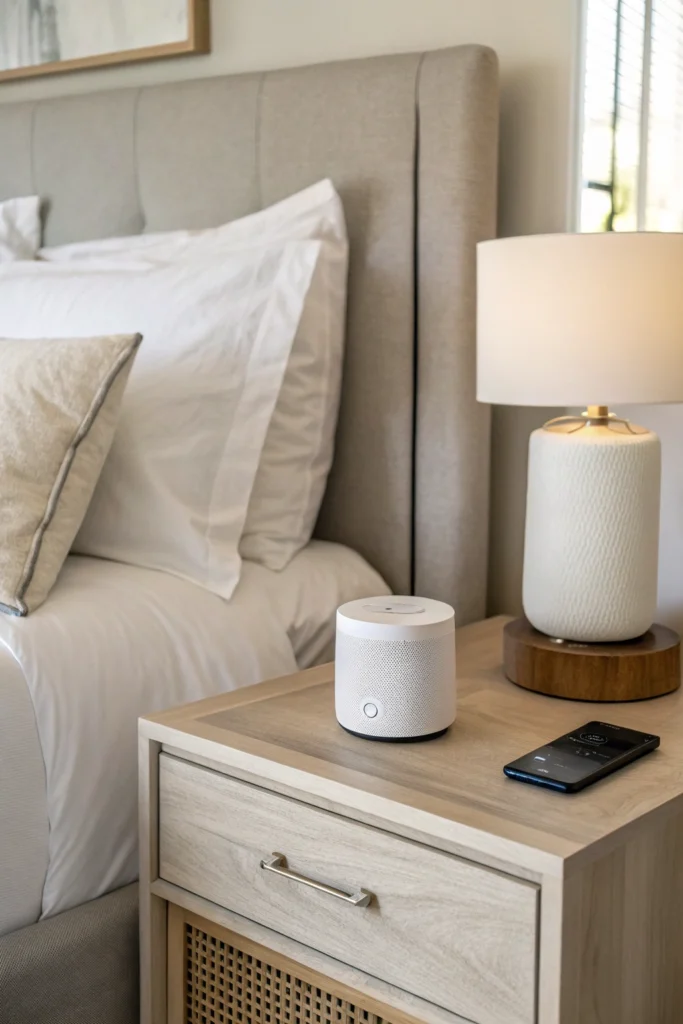
Sometimes, complete silence isn’t the goal. White noise machines or integrated sound systems can mask unpredictable noises, making them less disruptive to sleep.
In a modern bedroom, white noise can be incorporated discreetly through smart speakers, bedside devices, or built-in systems. The steady, neutral sound blends with the room’s acoustic design, creating a controlled sound environment that supports uninterrupted rest.
Designing a Bedroom That Truly Restores
Soundproof bedroom design is ultimately about intention. It’s not just about blocking noise—it’s about creating a space that feels insulated from stress, distraction, and the outside world. Modern solutions allow you to layer acoustic comfort into your bedroom without compromising on style, simplicity, or personality.
By combining architectural elements, thoughtful furnishings, and subtle acoustic enhancements, you can transform your bedroom into a sanctuary that supports deeper sleep and better mornings. Quiet, after all, is one of the most luxurious design features you can add to your home.