14 Plants That Keep Bugs Away: Natural Pest Control for Your Home and Garden
Natural pest control through strategic plant placement has become an increasingly popular alternative to chemical treatments, offering homeowners an eco-friendly approach to managing unwanted insects while creating beautiful, functional landscapes.
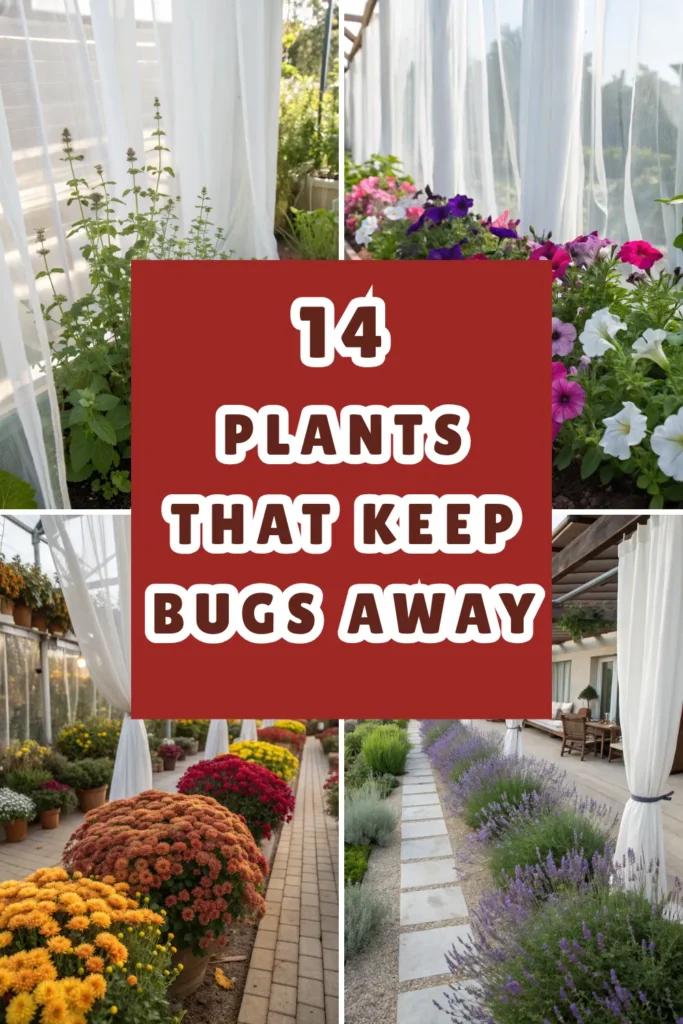
These botanical guardians work through various mechanisms—releasing aromatic compounds, producing natural insecticides, or simply creating environments that bugs find inhospitable.
The art of companion planting and strategic garden design can significantly reduce pest populations while enhancing the visual appeal and functionality of outdoor spaces.
Modern gardening embraces these time-tested solutions, incorporating bug-repelling plants into comprehensive landscape designs that serve multiple purposes: beautifying spaces, providing culinary herbs, supporting beneficial insects, and naturally deterring problematic pests.
1. Lavender (Lavandula) – The Aromatic Fortress

Create stunning perimeter plantings using English lavender to establish natural barriers around patios, walkways, and outdoor seating areas while deterring mosquitoes, flies, moths, and fleas through its powerful essential oils. Plant lavender in well-draining soil with full sun exposure, spacing plants 12-18 inches apart for optimal growth and coverage.
Design Mediterranean-inspired garden spaces featuring lavender borders alongside rosemary and thyme, creating aromatic herb gardens that serve both culinary and pest-control purposes. Install drip irrigation systems to provide consistent moisture without overwatering, and incorporate gravel mulch to improve drainage while reflecting heat.
Add complementary plantings like ornamental grasses and drought-tolerant perennials that thrive in similar conditions, creating cohesive landscapes that remain beautiful throughout growing seasons.
2. Citronella Grass (Cymbopogon nardus) – The Mosquito Deterrent

Establish natural mosquito control by planting citronella grass in large containers or garden beds near outdoor entertainment areas, releasing lemony fragrances that mask human scents and confuse mosquito navigation systems. Position plants strategically around decks, pools, and dining areas where protection is most needed.
Create tropical-inspired garden rooms featuring citronella grass as architectural elements, combining them with other mosquito-repelling plants like lemon balm and catnip for layered protection. Install outdoor lighting that highlights the grass’s fountain-like form while providing ambient illumination for evening activities. Add water features like fountains or ponds to create movement and sound that enhance the tropical atmosphere while supporting beneficial insects that prey on mosquitoes.
3. Marigolds (Tagetes) – The Garden Guardian
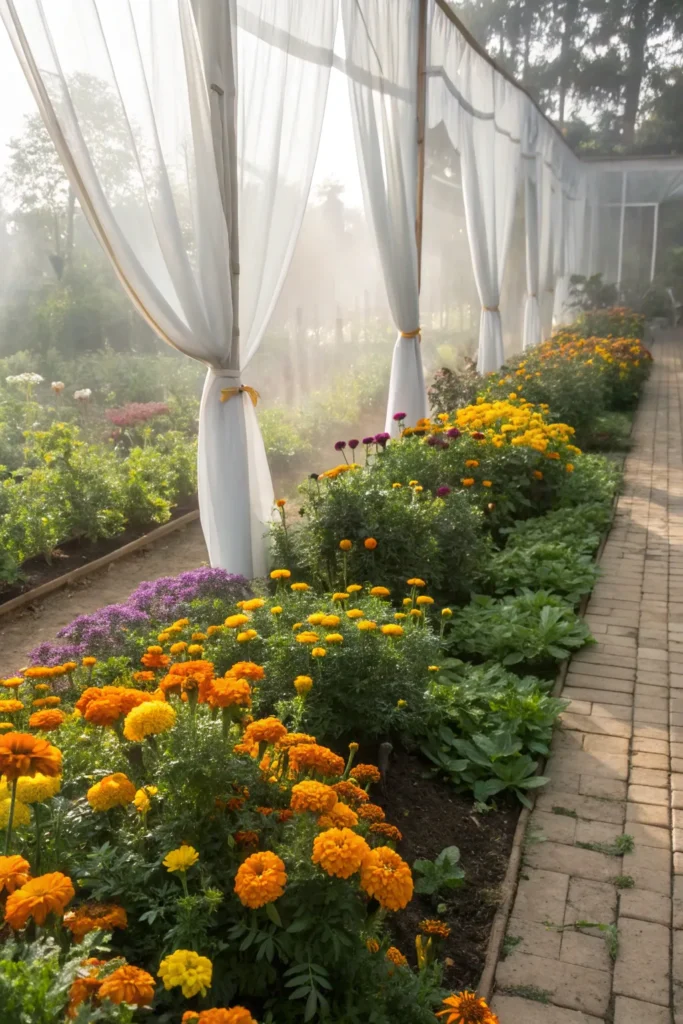
Plant French and African marigolds throughout vegetable gardens and flower borders to deter aphids, whiteflies, nematodes, and other common garden pests while adding brilliant orange and yellow colors that complement green foliage. Space plants according to variety size, using compact French marigolds as edging and larger African varieties as accent plants.
Design vibrant annual displays that combine marigolds with other pest-repelling flowers like nasturtiums and petunias, creating colorful gardens that serve both ornamental and protective functions.
Install soaker hoses or drip irrigation to provide consistent moisture without wetting foliage, and add organic mulch to suppress weeds while retaining soil moisture. Include beneficial insect habitat through small perennial plantings and water sources that support predatory insects.
4. Peppermint (Mentha × piperita) – The Refreshing Repeller
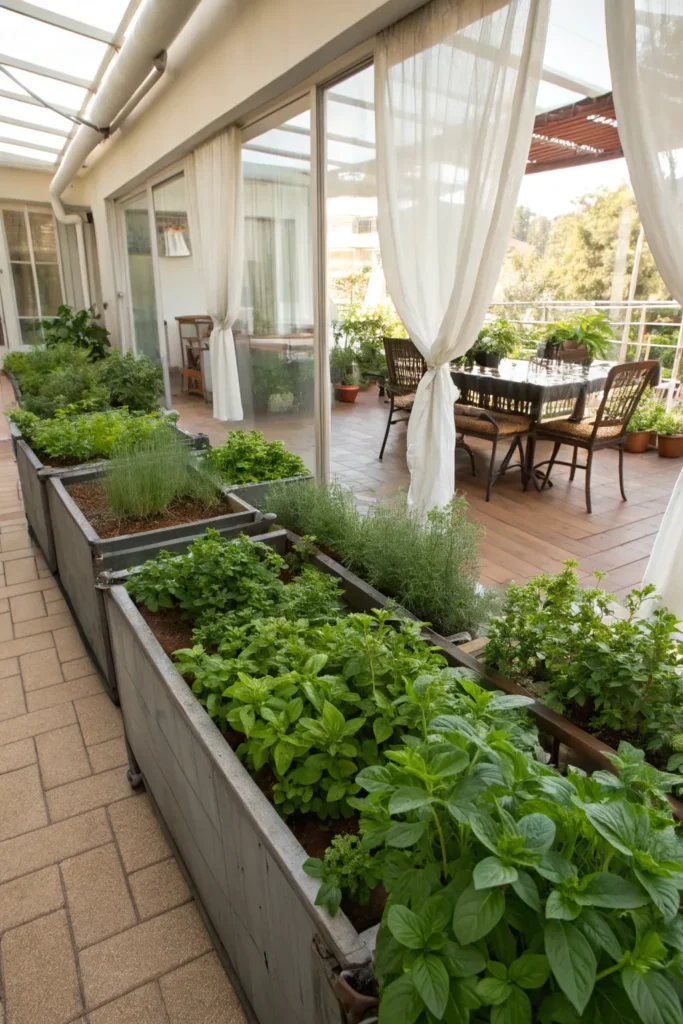
Contain aggressive peppermint plants in raised beds or large containers to prevent spreading while maximizing their ability to repel ants, mice, spiders, and mosquitoes through powerful menthol compounds. Position containers near kitchen windows, outdoor dining areas, and entry points where pest control is most beneficial.
Create dedicated herb gardens featuring various mint species alongside other culinary herbs like basil and oregano, establishing functional gardens that support both cooking and pest management. Install sturdy barriers or root containment systems to prevent mint from overwhelming other plants, and provide consistent moisture through automated irrigation systems. Add harvesting and drying areas for processing herbs, and include seating areas where the mint’s refreshing fragrance can be fully appreciated.
5. Basil (Ocimum basilicum) – The Culinary Protector
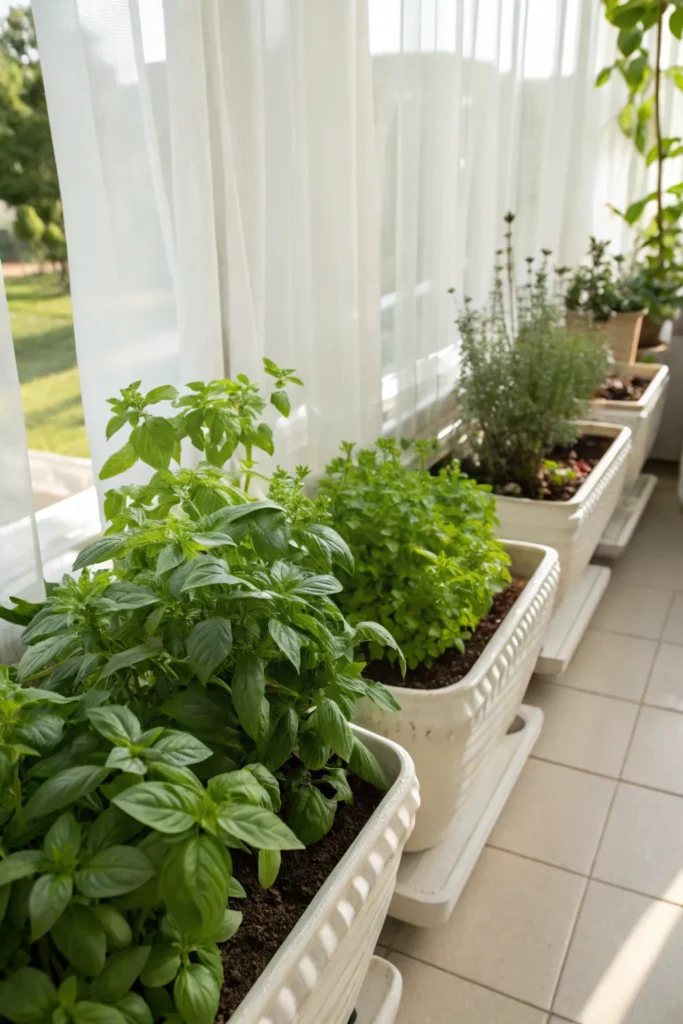
Integrate various basil varieties including sweet basil, African blue basil, and lemon basil into kitchen gardens and patio containers, creating aromatic barriers that repel flies, mosquitoes, and aphids while providing fresh herbs for culinary use. Plant basil in warm, sunny locations with rich, well-draining soil.
Design functional kitchen gardens that combine basil with tomatoes, peppers, and other vegetables that benefit from basil’s pest-repelling properties and flavor-enhancing companion planting effects. Install raised beds with built-in irrigation systems, and add trellises or cages for supporting climbing vegetables. Include herb drying and processing areas, and position seating where gardeners can enjoy the aromatic environment while tending plants.
6. Rosemary (Rosmarinus officinalis) – The Evergreen Defender
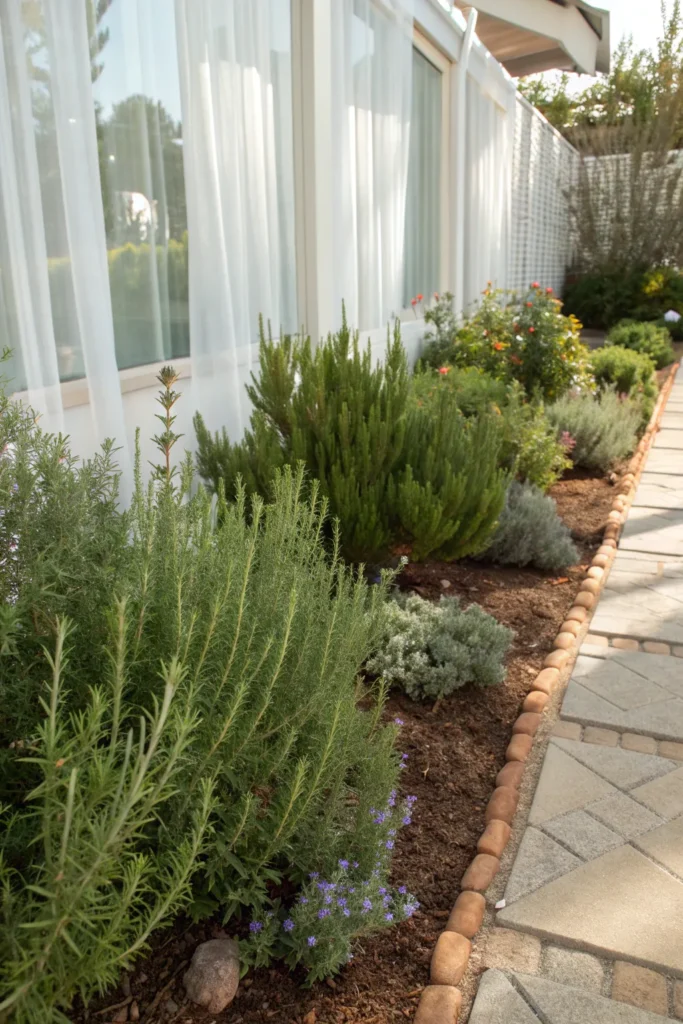
Establish permanent landscape plantings using rosemary’s woody, evergreen structure to create year-round barriers against mosquitoes, cabbage moths, and carrot flies while providing aromatic hedges and specimen plants that enhance Mediterranean-style gardens and xeriscaping designs.
Create drought-tolerant landscapes featuring rosemary alongside other aromatic herbs and native plants that require minimal water while providing maximum pest control benefits. Install efficient irrigation systems that deliver water directly to root zones, and use decomposed granite or gravel mulch that reflects heat while suppressing weeds. Add outdoor cooking areas where fresh rosemary can be harvested for grilling and culinary use, integrating functional and aesthetic landscape elements.
7. Catnip (Nepeta cataria) – The Feline-Approved Repeller
Plant catnip in dedicated areas where its powerful mosquito and ant-repelling properties can be utilized while containing its aggressive spreading habit through strategic placement and regular maintenance. Position plants away from main garden areas if cats are present, as their attraction to the plant can cause damage to surrounding vegetation.
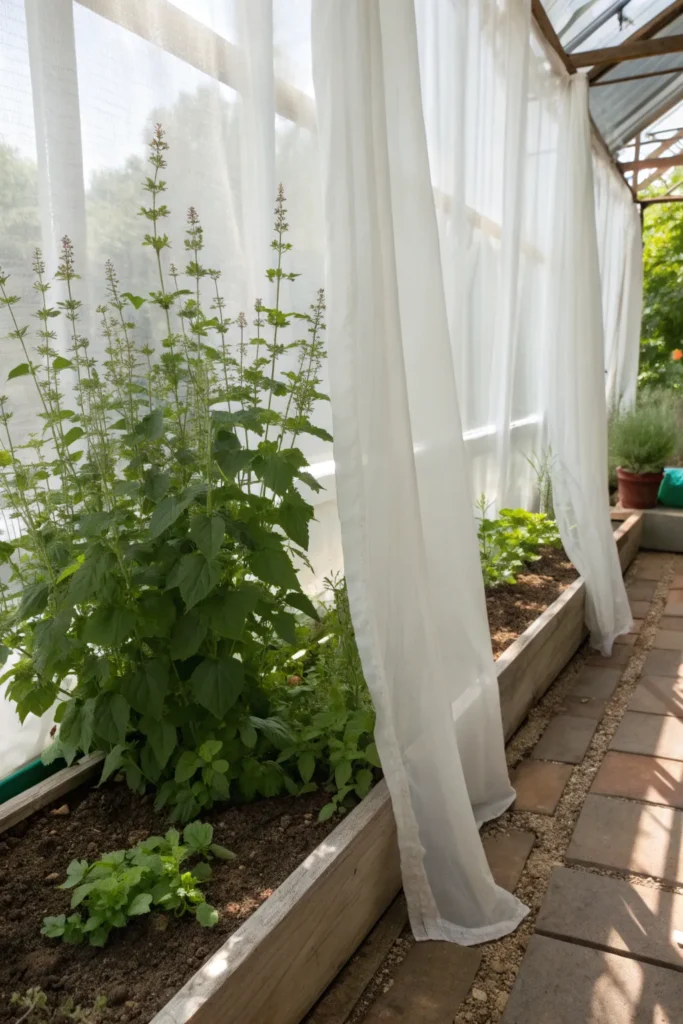
Design wildlife gardens that incorporate catnip alongside other native plants that support beneficial insects while deterring problematic pests, creating balanced ecosystems that require minimal intervention. Install protective barriers around sensitive plants if cats frequent the area, and provide alternative scratching and rolling areas filled with catnip that cats can enjoy without damaging other garden elements.
8. Lemon Balm (Melissa officinalis) – The Gentle Deterrent
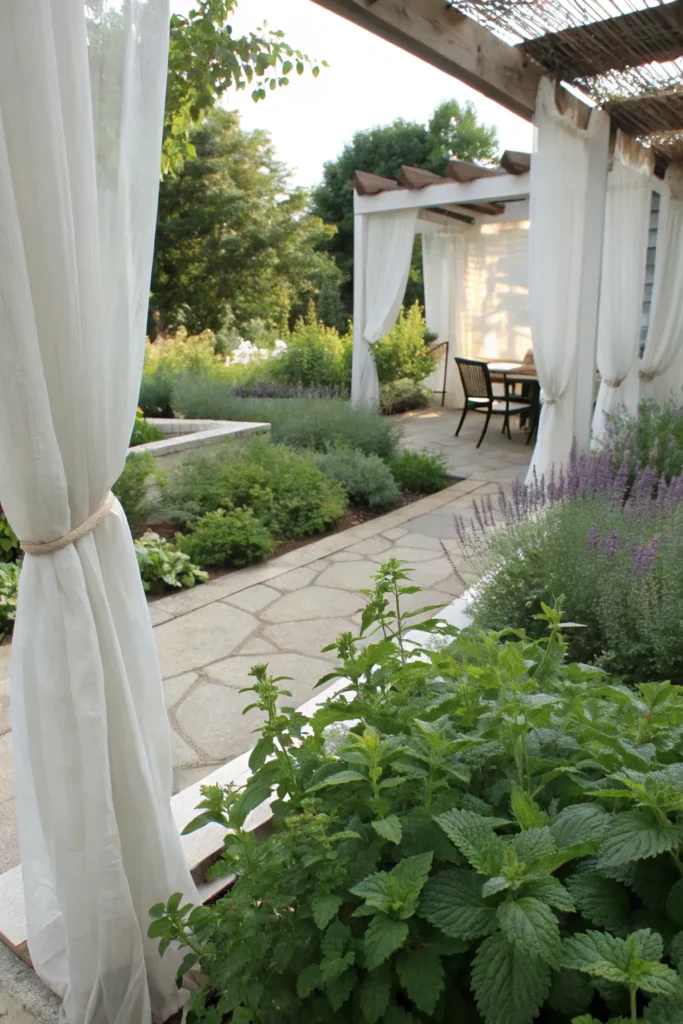
Incorporate lemon balm’s mosquito and gnat-repelling properties into cottage gardens and informal landscapes where its spreading nature can be controlled through regular harvesting and division. Plant in partially shaded areas with moist, fertile soil where it will thrive while providing natural pest control.
Create relaxing garden spaces featuring lemon balm alongside other calming herbs like chamomile and lavender, establishing meditation gardens and therapeutic landscapes that offer both aromatic pleasure and functional benefits. Install pathways and seating areas where the lemon balm’s citrusy fragrance is released when brushed against, and add water features that enhance the peaceful atmosphere while supporting plant growth.
9. Chrysanthemums (Chrysanthemum morifolium) – The Autumn Protector
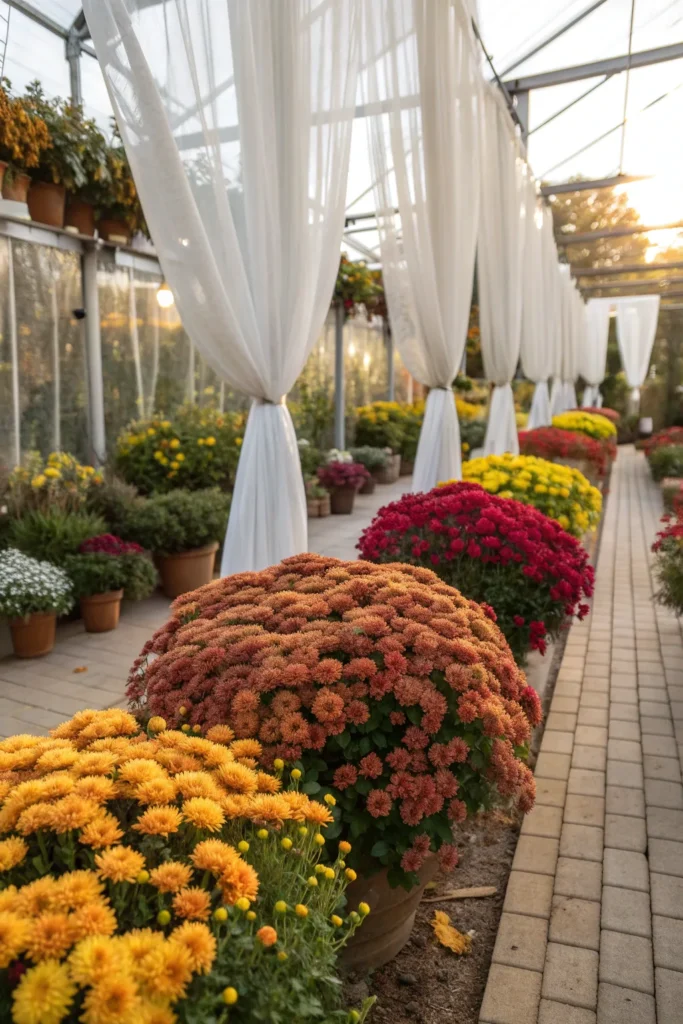
Plant chrysanthemums as seasonal displays that provide late-season color while releasing pyrethrin compounds that naturally repel ants, roaches, bed bugs, spider mites, and many other insects. Choose varieties appropriate for your climate zone and install them in well-draining soil with afternoon shade in hot climates.
Design autumn garden displays that combine chrysanthemums with other fall-blooming plants like asters and ornamental grasses, creating seasonal transitions that maintain pest control while providing visual interest throughout changing seasons. Add seasonal decorations and lighting that highlight the flowers’ forms and colors, and include seating areas where the natural pest control benefits can be appreciated during outdoor autumn activities.
10. Pennyroyal (Mentha pulegium) – The Powerful Mint
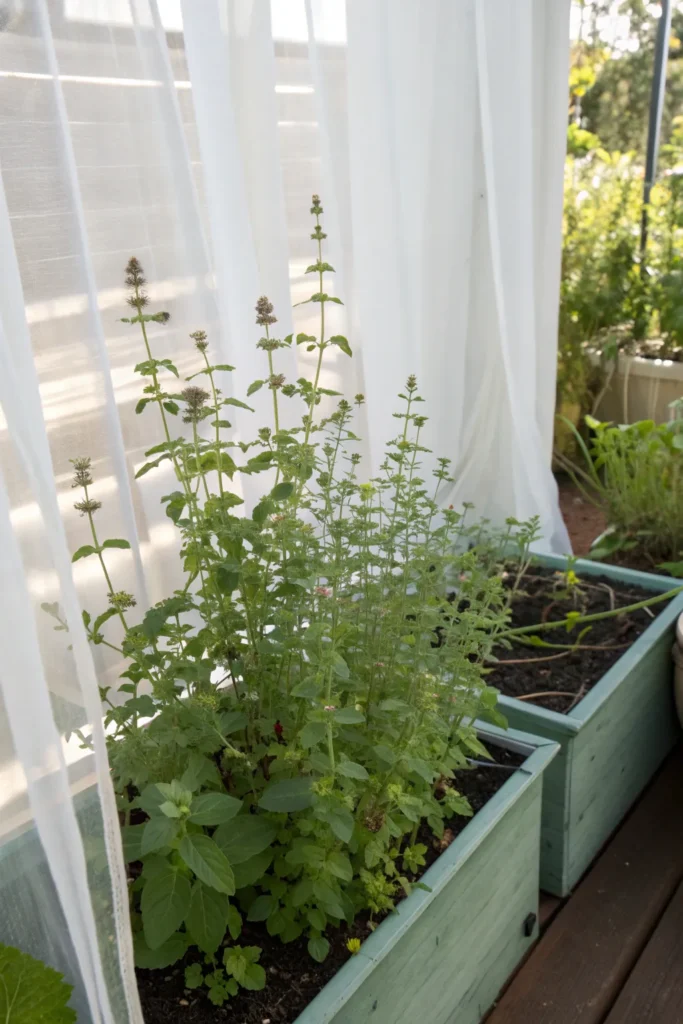
Utilize pennyroyal’s intense flea and ant-repelling properties in areas where its toxic nature to pets and humans can be managed safely, planting in containers or isolated garden areas where accidental ingestion is prevented while maximizing its pest control benefits.
Create specialized pest control zones using pennyroyal in areas like compost bins, storage sheds, and utility areas where its powerful repelling properties are most needed while keeping it separate from family activity areas. Install clear labeling and barriers to prevent accidental contact, and combine with other safer alternatives in main garden and living areas.
11. Alliums (Allium species) – The Ornamental Protectors
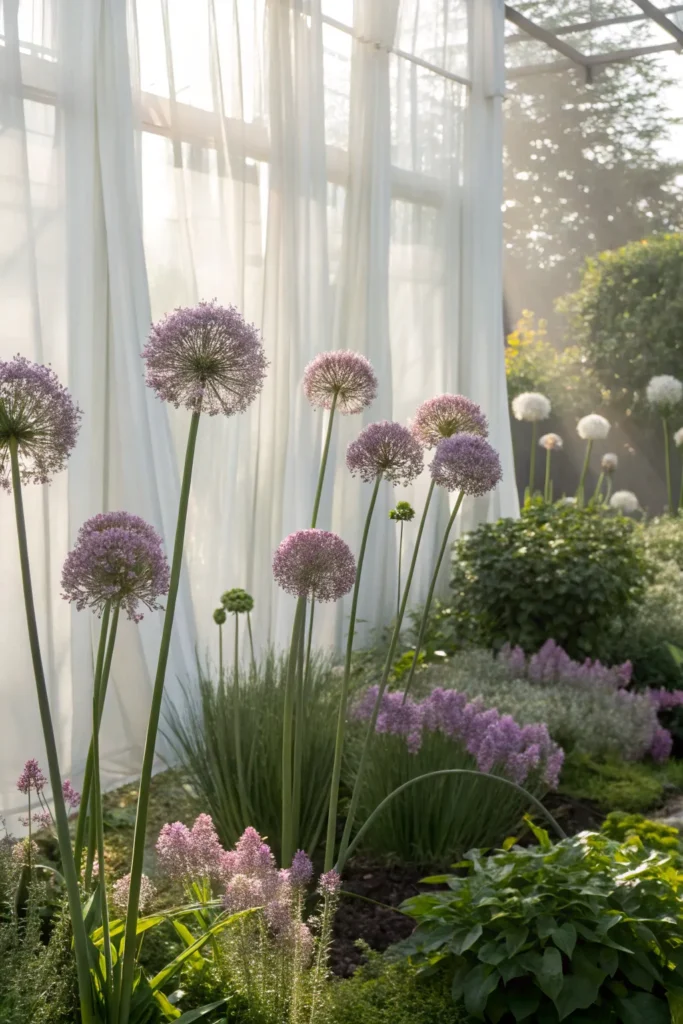
Design striking garden displays using ornamental alliums like giant allium, drumstick allium, and society garlic to repel aphids, cabbage worms, and other garden pests while creating dramatic vertical elements and seasonal interest through their distinctive spherical flower heads and architectural foliage.
Create layered perennial gardens that incorporate various allium species with different bloom times, ensuring continuous pest control and ornamental value throughout growing seasons. Plant bulbs in fall for spring and summer blooms, and include companion plants like ornamental grasses and sedums that complement alliums’ structural forms while benefiting from their pest-repelling properties.
12. Nasturtiums (Tropaeolum majus) – The Edible Trap Crop
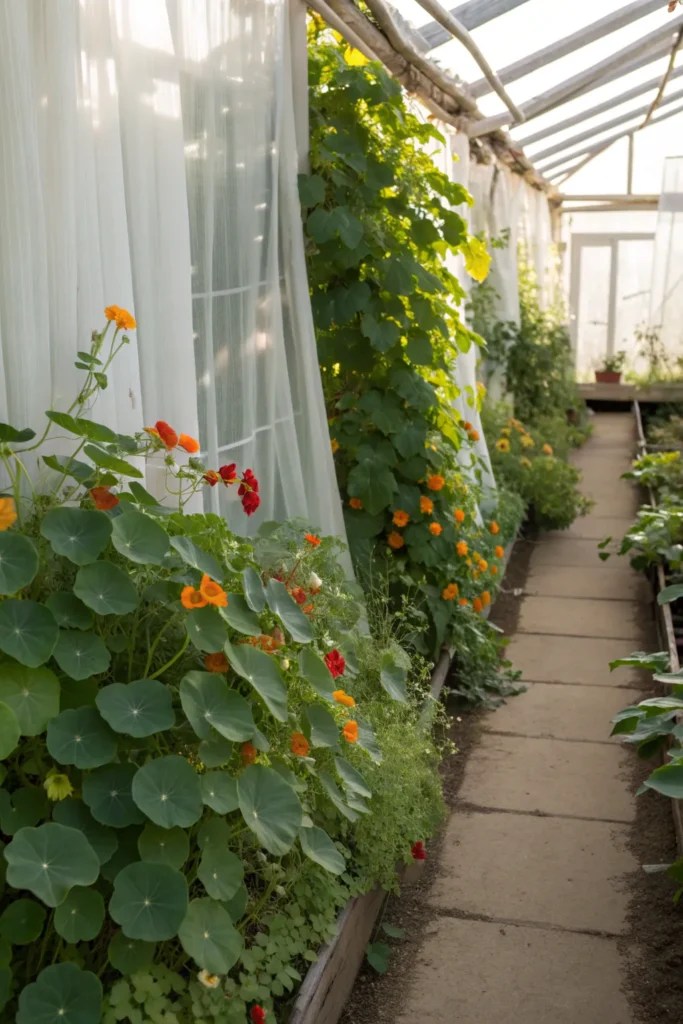
Implement nasturtiums as both trap crops that attract aphids and cucumber beetles away from valuable vegetables and as edible flowers that add peppery flavors to salads while providing natural pest management through their sacrificial plant strategy and natural compounds.
Design productive ornamental gardens that combine nasturtiums with vegetables and herbs in both trailing and climbing varieties, creating vertical gardens and ground cover plantings that maximize space utilization while providing integrated pest management. Install trellises and support structures for climbing varieties, and harvest flowers and leaves regularly for culinary use while maintaining plant health and pest control effectiveness.
13. Petunias (Petunia × atkinsiana) – The Colorful Guardian
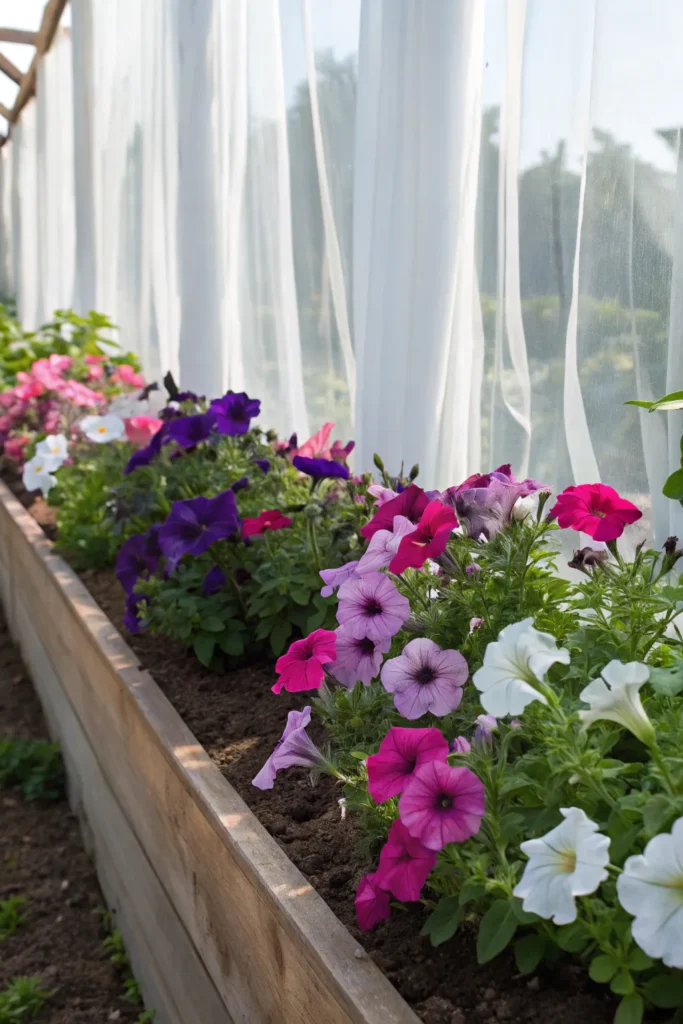
Plant petunias throughout vegetable gardens and flower borders to repel aphids, tomato hornworms, and squash bugs while providing continuous blooms in wide color ranges that enhance garden aesthetics and support beneficial pollinators that aid in natural pest control.
Create vibrant annual displays that combine petunias with vegetables and other pest-repelling plants, designing functional landscapes that serve both ornamental and protective purposes.
Install regular watering systems that provide consistent moisture without encouraging fungal problems, and deadhead spent blooms regularly to maintain continuous flowering and optimal pest control benefits throughout growing seasons.
14. Geraniums (Pelargonium species) – The Versatile Defender
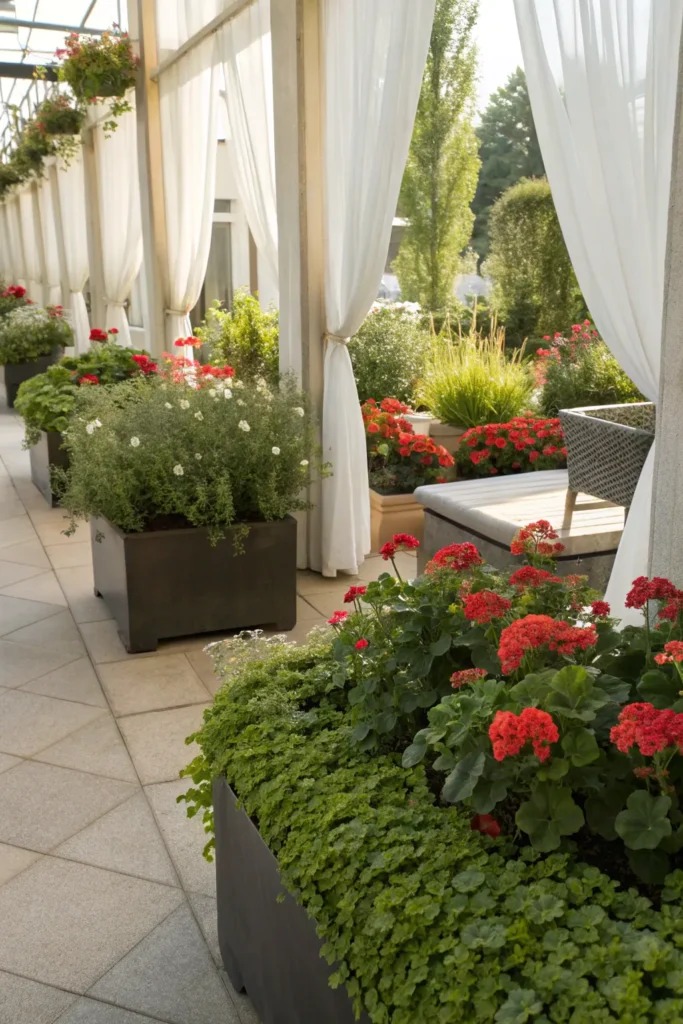
Establish geranium plantings in containers and garden beds near outdoor seating areas and entry points where their ability to repel mosquitoes, flies, and other flying insects can provide maximum benefit while contributing bright colors and pleasant fragrances to landscape designs.
Design container gardens and window boxes featuring scented geraniums alongside other aromatic plants, creating portable pest control solutions that can be moved to areas where protection is most needed.
Include various geranium types with different fragrances and growth habits, from upright zonal geraniums to trailing ivy geraniums, maximizing both ornamental appeal and functional benefits while providing flexibility in garden design and pest management strategies.
Creating Integrated Pest Management Through Plant Selection
The most effective natural pest control strategies combine multiple bug-repelling plants with complementary growing requirements and overlapping pest control benefits, creating layered defense systems that address various pest problems while maintaining garden health and beauty throughout growing seasons.
Understanding each plant’s specific pest targets and growing needs allows gardeners to create strategic plantings that maximize effectiveness while minimizing maintenance requirements. Consider factors like bloom timing, fragrance intensity, and companion planting benefits when designing integrated pest control landscapes that serve multiple functions beyond simple bug deterrence.
Successful implementation requires attention to proper plant spacing, soil preparation, and maintenance schedules that ensure plants remain healthy and productive in their pest-repelling roles. Regular harvesting, pruning, and division maintain plant vigor while maximizing the release of beneficial compounds that keep unwanted insects at bay.
Beyond Bug Control: The Complete Garden Ecosystem
The most successful bug-repelling plant strategies create balanced garden ecosystems that support beneficial insects while deterring problematic pests, recognizing that completely eliminating all insects disrupts natural food chains and pollination networks essential for garden health and productivity.
Incorporate plants that attract beneficial predators like ladybugs, lacewings, and parasitic wasps alongside those that repel problematic pests, creating gardens that naturally regulate pest populations through biological controls rather than elimination. This approach results in more stable, resilient garden systems that require less intervention while providing superior long-term pest management.
Consider the broader environmental impact of plant choices, selecting species that support local wildlife, require appropriate water usage for your region, and contribute to overall landscape sustainability while providing natural pest control benefits that reduce reliance on chemical treatments.