15 Neutral Living Room Ideas That Feel Warm, Not Boring
Neutral living rooms have long been loved for their calm, timeless appeal—but they often get an unfair reputation for feeling flat or uninspired. In reality, a neutral palette can be one of the most expressive foundations in interior design when handled thoughtfully. The key isn’t adding more color—it’s layering texture, tone, and intention.
Warm neutrals like cream, beige, taupe, soft gray, and muted greige create spaces that feel inviting and lived-in rather than stark. When paired with natural materials, subtle contrast, and smart styling, a neutral living room can feel just as rich and dynamic as a colorful one—without overwhelming the senses.
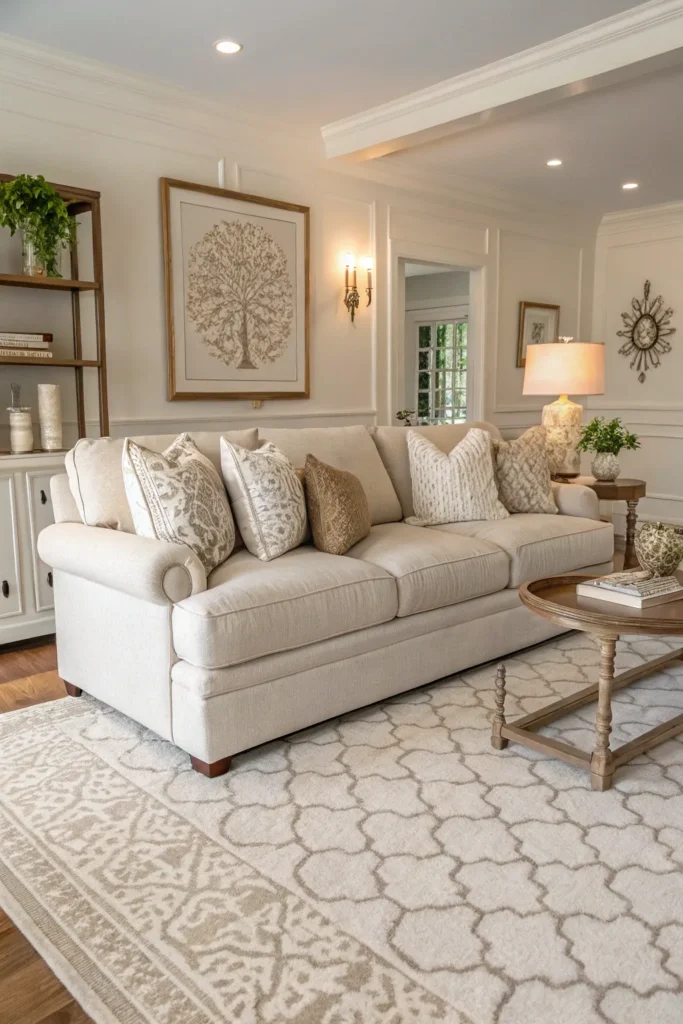
These 15 neutral living room ideas focus on warmth, depth, and visual interest. Each approach proves that neutral doesn’t mean boring—it means balanced, sophisticated, and effortlessly comfortable.
1. Layer Warm Neutrals Instead of Using One Shade
A common mistake in neutral living rooms is relying on a single beige or gray tone throughout the space. This creates a flat look that lacks dimension. Instead, layer multiple warm neutrals—think creamy whites, soft taupes, warm grays, and sandy beiges—within the same room.
Use lighter tones on walls, mid-tones on upholstery, and deeper neutrals in accents like pillows or rugs. The subtle contrast between shades adds depth while keeping the palette cohesive and calm.
2. Use Texture as Your Main Design Element
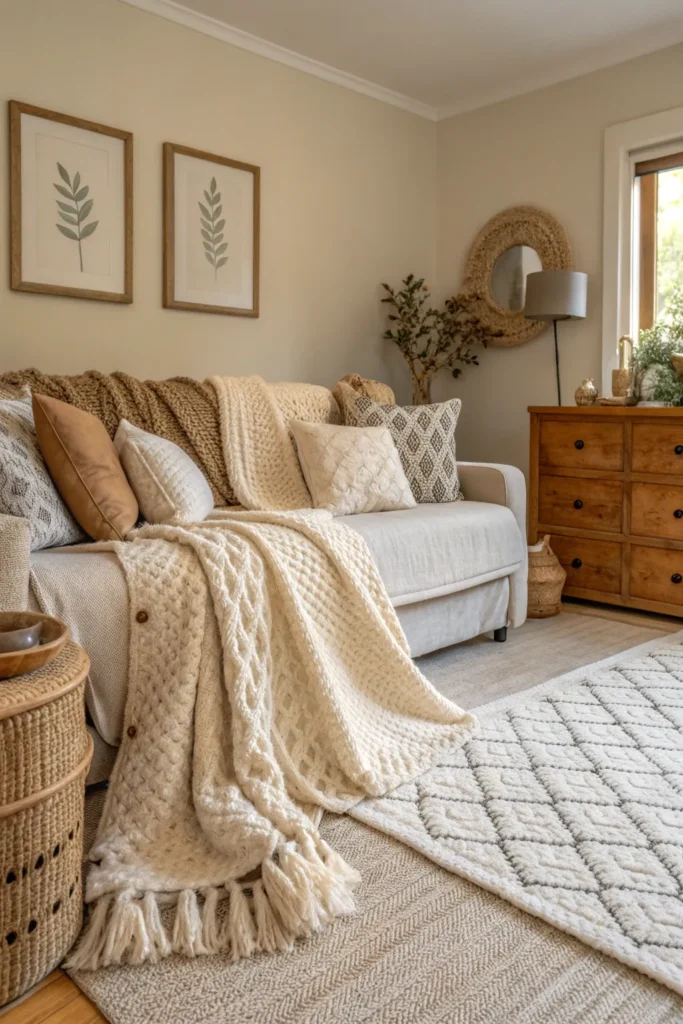
When color is restrained, texture becomes the star. A warm neutral living room thrives on tactile contrast—bouclé sofas, linen curtains, woven baskets, chunky knit throws, and nubby rugs all add richness without visual clutter.
Mix smooth and rough finishes to create balance. For example, pair a sleek neutral sofa with a textured wool rug and a raw wood coffee table. The space feels layered and intentional rather than minimal to the point of emptiness.
3. Bring in Natural Wood for Instant Warmth
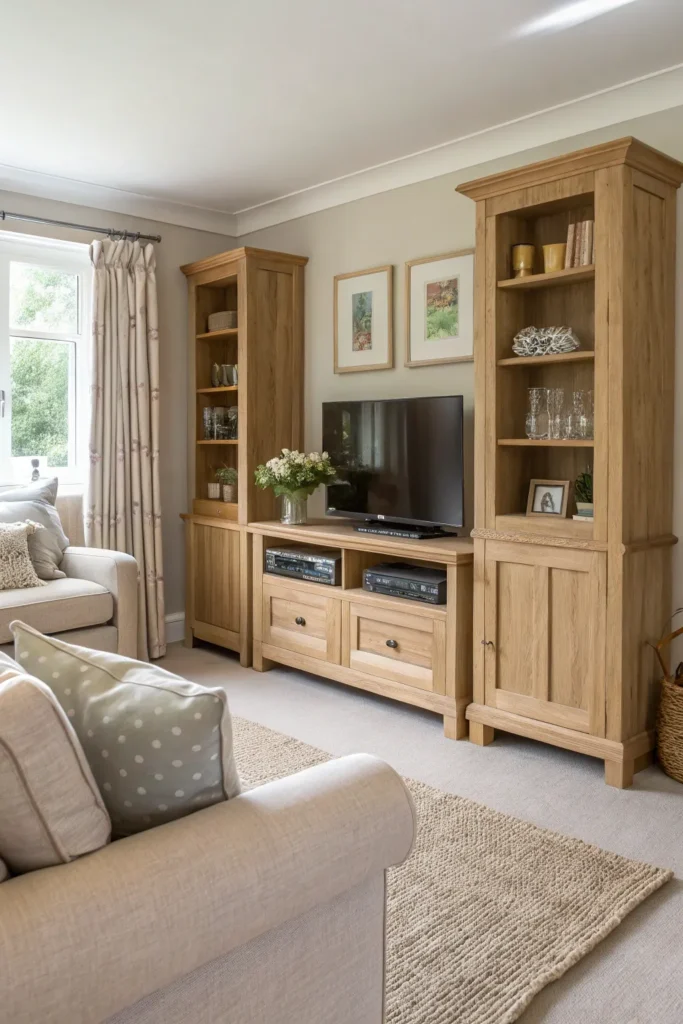
Wood is one of the easiest ways to warm up a neutral living room. Light oak, walnut, or even reclaimed wood tones add organic character and prevent neutrals from feeling cold or sterile.
Incorporate wood through coffee tables, shelving, ceiling beams, or even subtle picture frames. Natural grain and variation introduce visual movement that keeps the room feeling alive.
4. Choose Soft, Warm Lighting Over Cool White
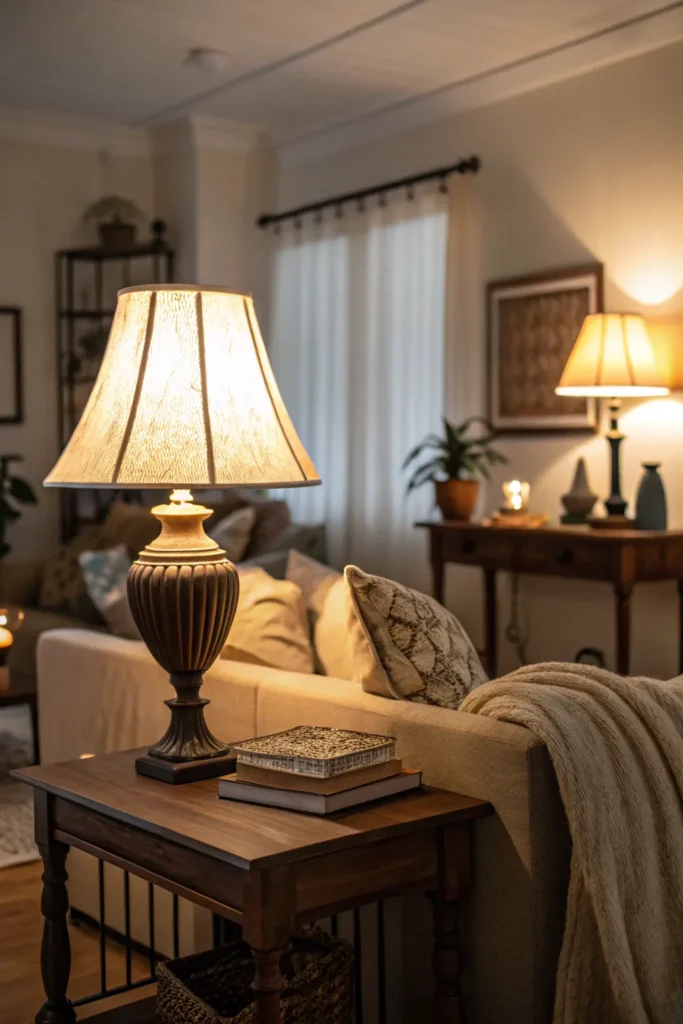
Lighting can make or break a neutral space. Cool or overly bright lighting drains warmth from neutral tones, making the room feel clinical. Opt for warm bulbs and layered lighting instead.
Combine ambient lighting with table lamps, floor lamps, and wall sconces. Soft, warm light enhances the undertones of neutrals and creates a cozy, welcoming atmosphere—especially in the evenings.
5. Add Depth with Neutral-on-Neutral Patterns
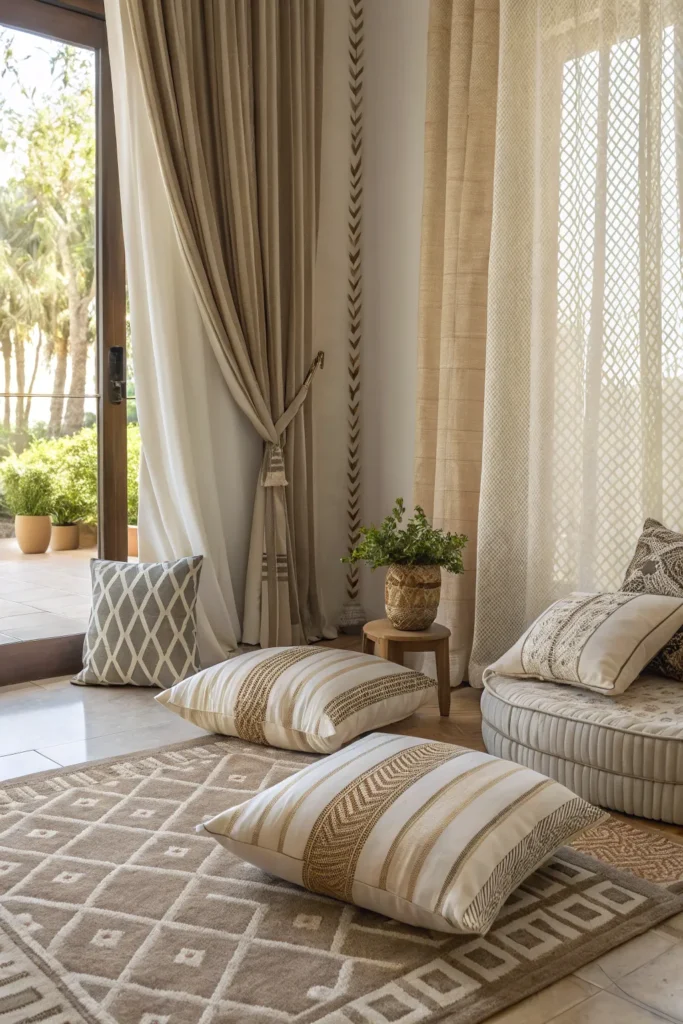
Patterns don’t need bold colors to stand out. Subtle, tone-on-tone patterns—like striped cushions, geometric rugs, or softly patterned drapery—add interest without disrupting the neutral palette.
Stick to patterns in the same color family but vary the scale. A large-scale rug pattern paired with smaller cushion designs keeps the look dynamic yet understated.
6. Incorporate Stone and Earthy Materials

Stone, clay, and plaster finishes bring an earthy grounding effect to neutral living rooms. Materials like travertine, limestone, ceramic, or concrete add visual weight and authenticity.
A stone coffee table, plaster-finish wall, or ceramic decor piece introduces texture and history, making the space feel curated rather than generic.
7. Use Contrast Through Shape, Not Color
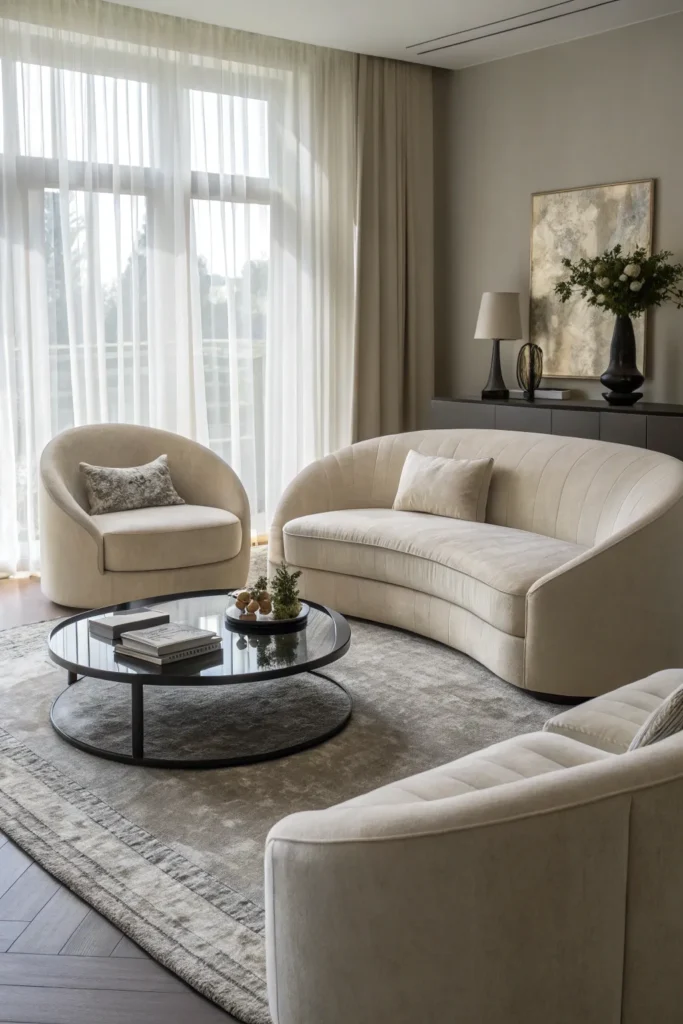
Instead of relying on contrasting colors, play with shapes and silhouettes. Curved sofas, rounded coffee tables, arched floor lamps, or sculptural chairs create visual interest in a neutral room.
The contrast between soft curves and clean lines keeps the space engaging while maintaining a cohesive, calm color scheme.
8. Keep Walls Neutral but Not Stark

White walls can feel cold if they’re too bright or flat. Opt for warm whites, creamy off-whites, or very light greige tones to soften the room.
If you want extra depth, consider subtle wall treatments like limewash, textured paint, or paneling in the same neutral tone. These add character without introducing new colors.
9. Style with Thoughtful, Minimal Decor
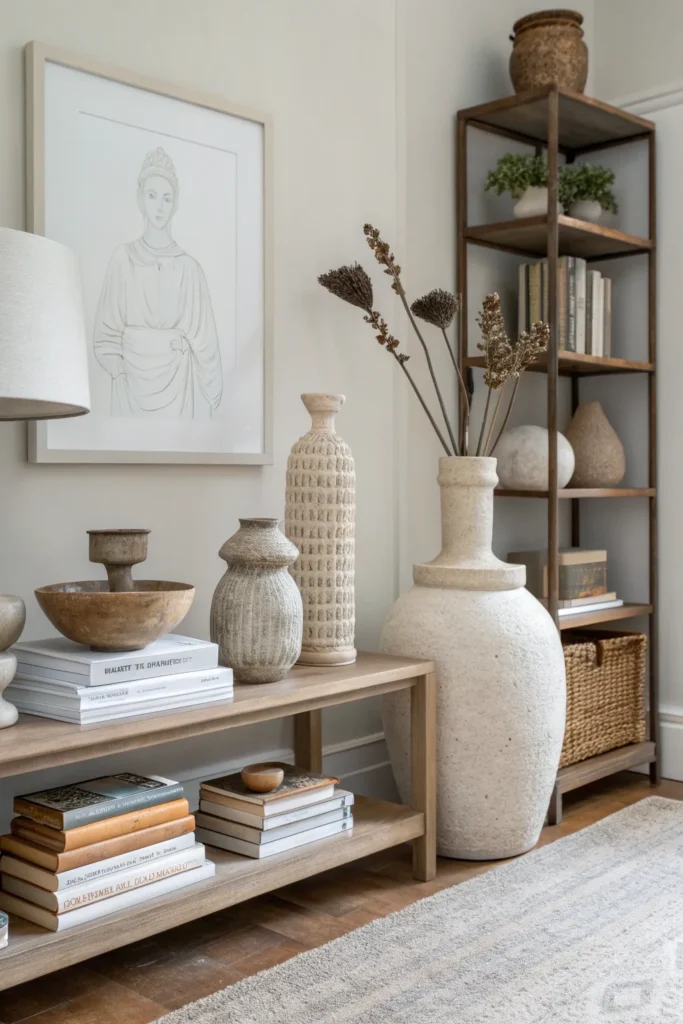
Neutral living rooms benefit from restraint. Too many accessories can make the space feel cluttered, while too few can make it feel unfinished. Choose decor pieces that have texture, shape, or material interest.
Ceramic vases, sculptural objects, stacked books, and natural elements like dried branches or greenery add personality without overwhelming the palette.
10. Anchor the Space with a Warm Neutral Rug

A rug grounds the living room and ties all the elements together. Choose a rug in warm neutral tones with subtle variation or pattern to avoid a flat look.
Textured rugs, handwoven styles, or vintage-inspired designs work especially well in neutral spaces, adding warmth underfoot and visual depth.
11. Mix Old and New for Character
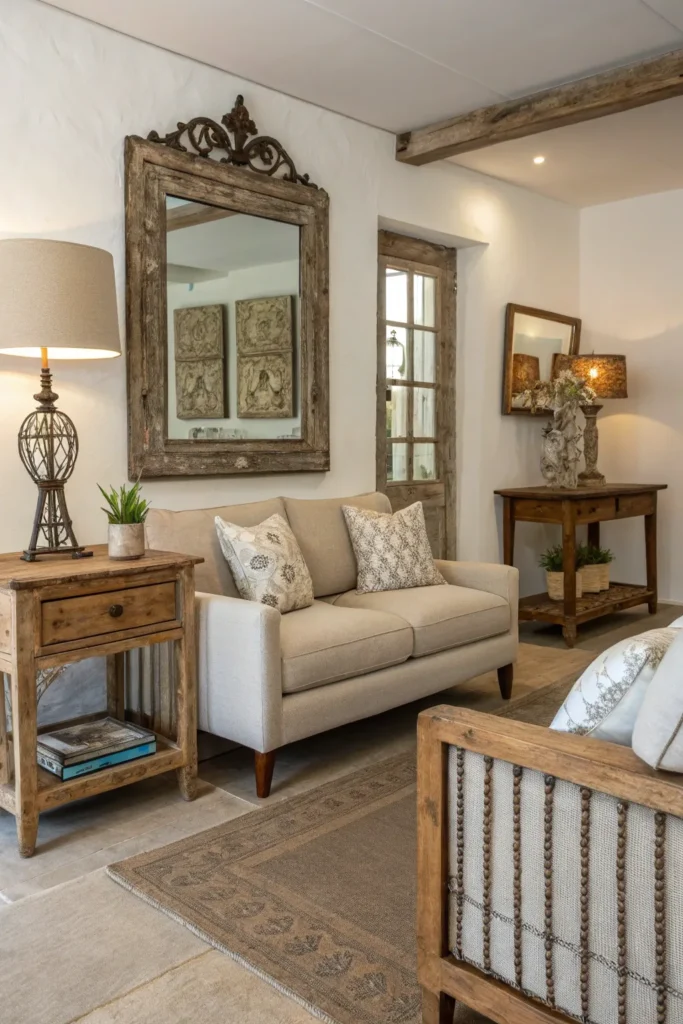
A neutral living room truly comes alive when it feels layered over time. Mixing vintage or antique pieces with modern furniture adds soul and prevents the space from feeling showroom-perfect.
An aged wood side table, a vintage mirror, or a worn leather accent brings history and contrast to clean-lined neutral interiors.
12. Use Greenery to Soften the Palette
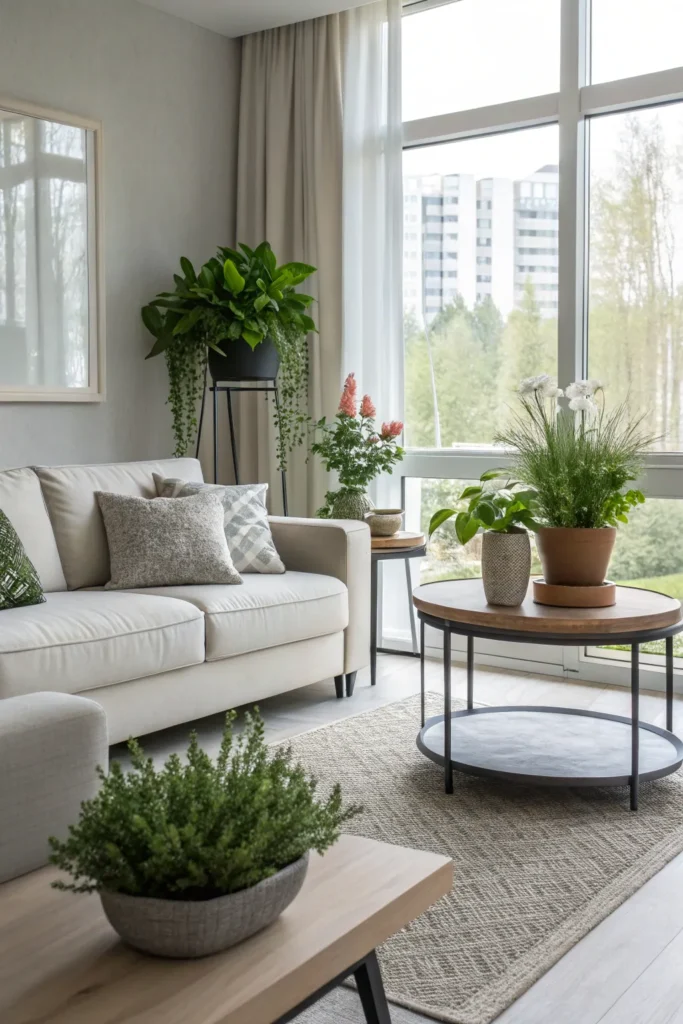
Plants are a natural complement to neutral interiors. Their organic shapes and subtle color variation add life and softness without disrupting the calm atmosphere.
Choose plants with gentle silhouettes—olive trees, fiddle leaf figs, or simple potted greenery—to enhance warmth while maintaining a refined look.
13. Create Warmth Through Upholstery Choices

Fabric choice plays a major role in how warm a neutral living room feels. Avoid overly slick or shiny materials, which can feel cold. Instead, opt for linen blends, cotton, wool, or velvet in muted neutral tones.
Soft, touchable upholstery encourages comfort and makes the room feel inviting rather than purely aesthetic.
14. Let Negative Space Work for You
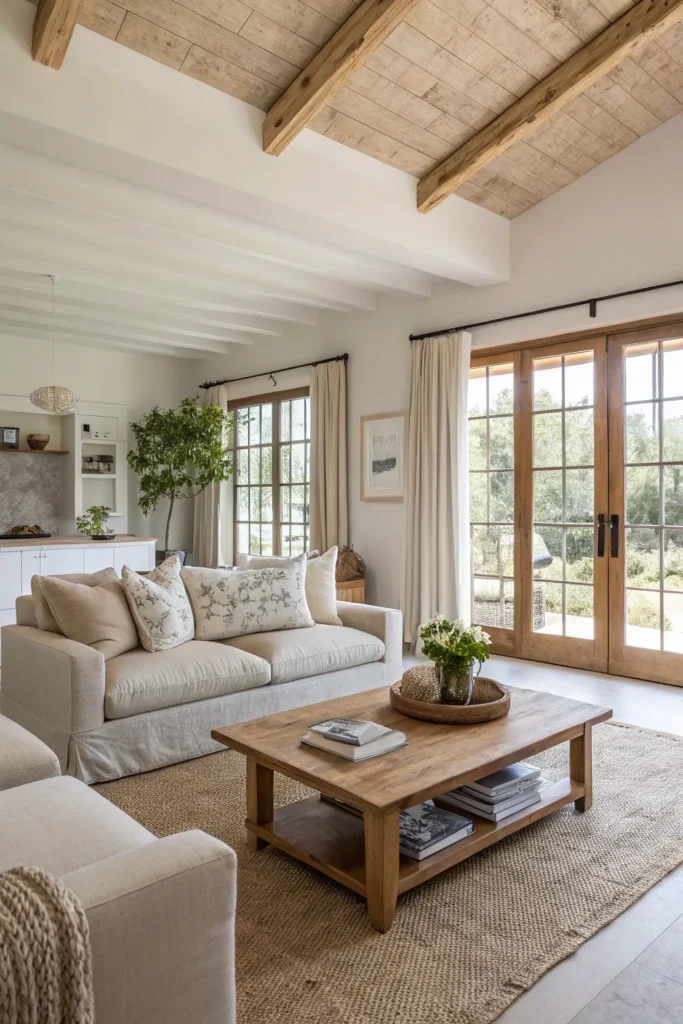
Warmth doesn’t come from filling every corner—it comes from balance. Allow breathing room between furniture pieces and decor so textures and materials can stand out.
Negative space helps a neutral living room feel calm, elevated, and intentional rather than busy or bland.
15. Build the Room Around a Cozy Focal Point
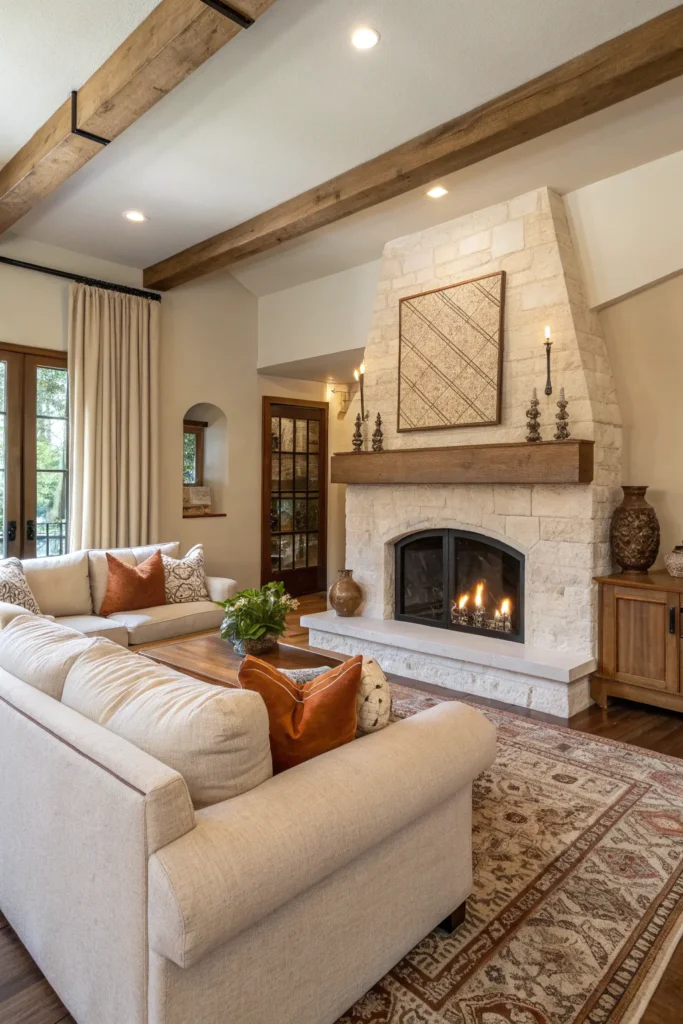
Every living room needs a focal point, and in neutral spaces, this is often a fireplace, statement sofa, or textured accent wall. Keep the palette restrained but make the focal point rich in material or form.
A plaster fireplace, oversized neutral sectional, or dramatic artwork in muted tones anchors the room and gives the eye a place to rest.
Why Neutral Living Rooms Never Go Out of Style
Neutral living rooms aren’t about playing it safe—they’re about creating a foundation that adapts, evolves, and lasts. When warmth is introduced through texture, lighting, materials, and thoughtful layering, neutrals feel anything but boring.
They allow furniture and decor to shine, make spaces feel larger and calmer, and create an environment that’s easy to live in day after day.
By focusing on depth rather than color, these neutral living room ideas prove that simplicity can be powerful, inviting, and endlessly stylish. With the right approach, a neutral living room doesn’t fade into the background—it becomes the heart of the home.