15 Meditation Room Ideas for a Peaceful Personal Sanctuary
A dedicated meditation room is one of the most genuinely restorative spaces a home can contain. Not because meditation requires elaborate surroundings — it requires neither — but because designating a specific space for stillness and quiet creates a psychological signal that is surprisingly powerful. Walking into a room designed for peace produces a measurable shift in mental state before a single breath has been taken. The room does some of the work of the practice simply by existing.
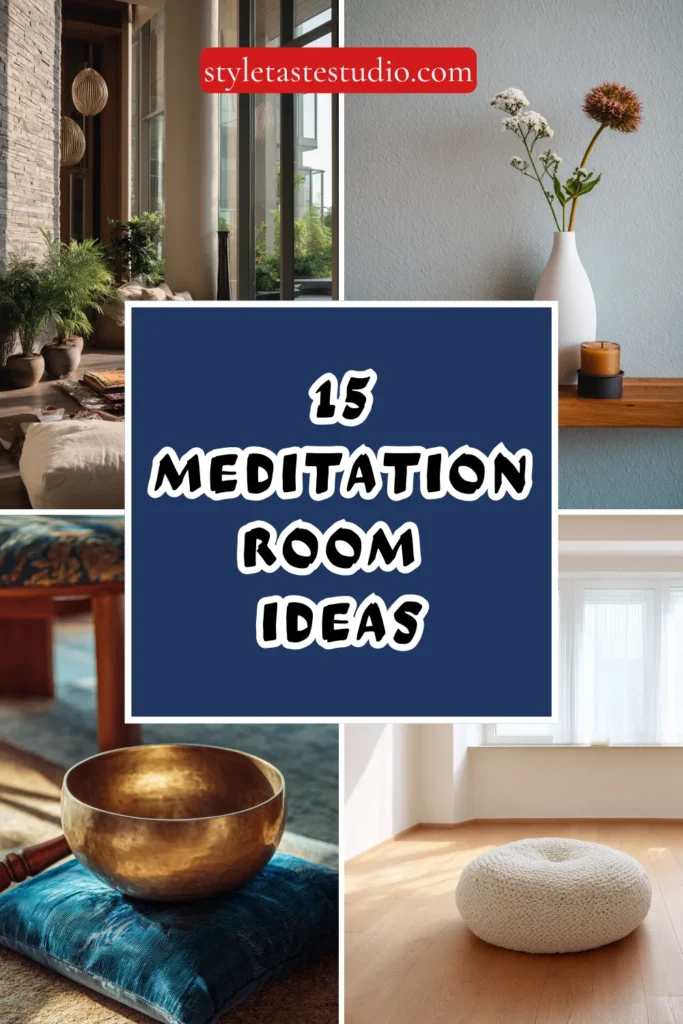
The best meditation rooms are not the most elaborately decorated or the most expensively furnished. They are the ones stripped of distraction, dressed with genuine intention, and filled with exactly and only what supports the quality of stillness that meditation practice requires. Simplicity is not a design constraint in a meditation room — it is the design goal.
Here are 15 meditation room ideas that create a genuinely peaceful personal sanctuary.
1. Genuine Minimalism
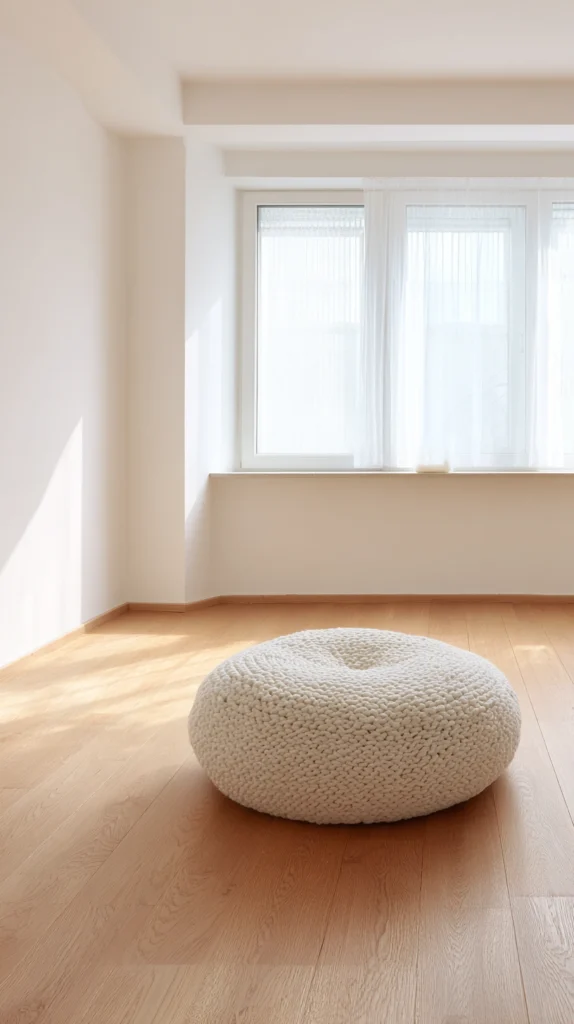
Remove everything from the space that does not actively support the practice. A meditation room with bare walls, a clean floor, a single cushion, and nothing else creates the visual and psychological spaciousness that supports genuine stillness. Every object in a meditation space carries mental associations — furniture, decorative objects, stored items all create small cognitive demands that accumulate into the background mental noise that meditation is specifically designed to quiet.
Pro Tip: Reassess the meditation room contents every three months and remove anything added without clear justification for its presence. Meditation rooms accumulate objects as naturally as any other room — regular decluttering maintains the intentional emptiness that makes the space genuinely effective rather than simply a room with a cushion in it.
2. Natural Light and Sheer Curtains
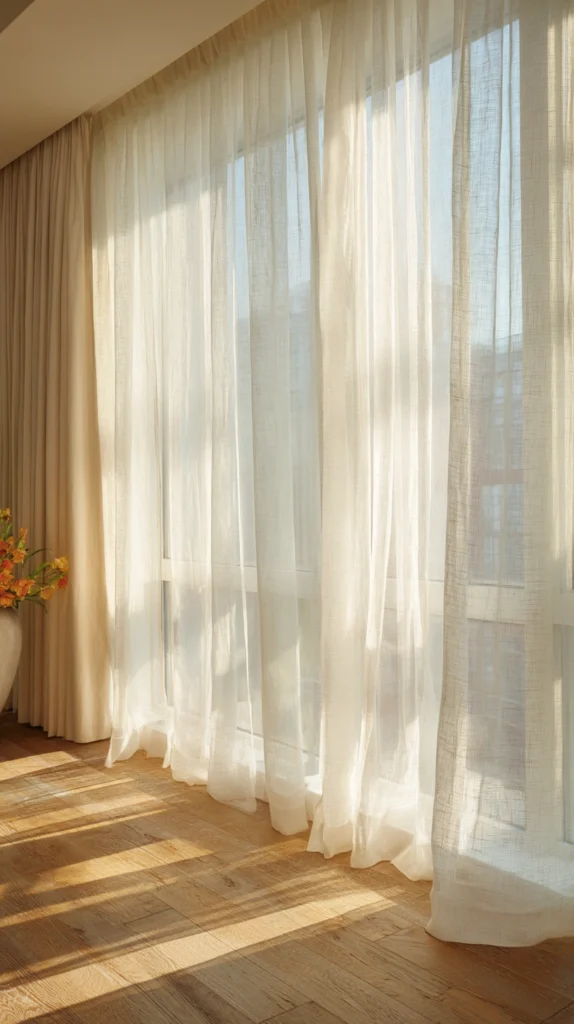
Soft diffused natural light creates a quality of gentle even illumination deeply conducive to the calm open awareness that meditation cultivates. Sheer linen or cotton curtains in warm white or natural undyed fabric filter the light without blocking it. The slight movement of sheer curtains in a light breeze adds a gentle living quality that reinforces the calm natural atmosphere of the practice space.
Pro Tip: Orient the meditation room toward the east or north if possible — east for the gentle quality of morning light, north for consistent shadow-free diffused light suitable for practice at any time of day. South and west-facing rooms receive direct sun that creates glare, heat, and the visual distraction of moving shadows that work against the calm, even light quality that supports meditation.
3. Zafu and Zabuton Setup
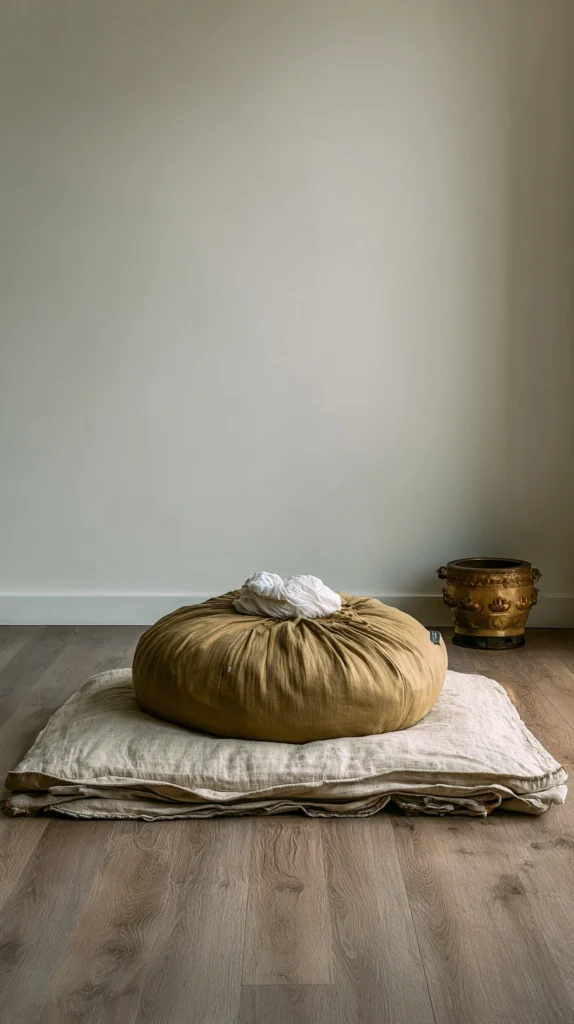
A zafu cushion on top of a zabuton mat — the traditional meditation seating arrangement — creates the most authentic and most physically supportive sitting arrangement available. Choose a zafu filled with buckwheat hulls rather than synthetic filling for a cushion that shapes itself to the specific geometry of the individual practitioner’s sitting posture, providing firm stable support that synthetic-filled alternatives cannot replicate.
Pro Tip: Position the zafu facing a blank wall rather than a window or door. Sitting facing a blank wall — the traditional Zen orientation — removes the visual stimulation of the outside world and the psychological alertness associated with facing a door, creating the conditions of inward focus that support genuine meditation practice.
4. Natural Materials Throughout
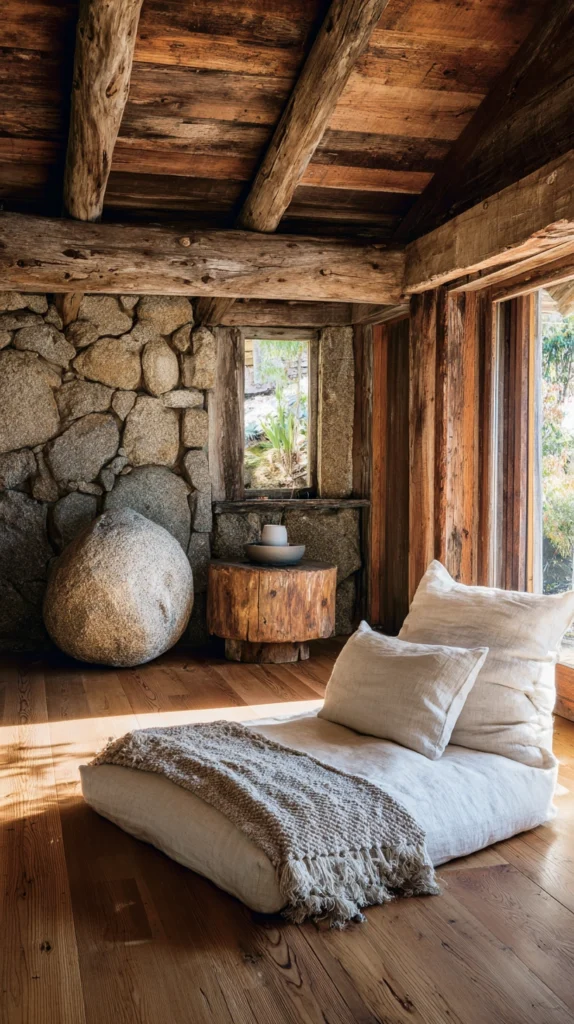
A meditation room furnished exclusively with natural materials — bare timber floors, natural linen cushion covers, cotton or wool textiles, clay or ceramic decorative objects, natural stone accessories — creates a sensory environment of genuine organic warmth. Natural materials connect the practitioner to the physical sensory world in a way that synthetic materials do not. The grain of timber underfoot, the texture of natural linen, the smooth cool weight of stone all ground awareness in the present moment.
Pro Tip: Choose natural materials in muted earthy tones rather than vivid colors. Deep forest green, warm terracotta, natural undyed linen, warm timber — the muted natural color world of organic materials creates a visually restful environment. Vivid synthetic colors create the low-level visual stimulation that works against the calm open awareness that meditation practice requires.
5. Indoor Plants for Living Calm
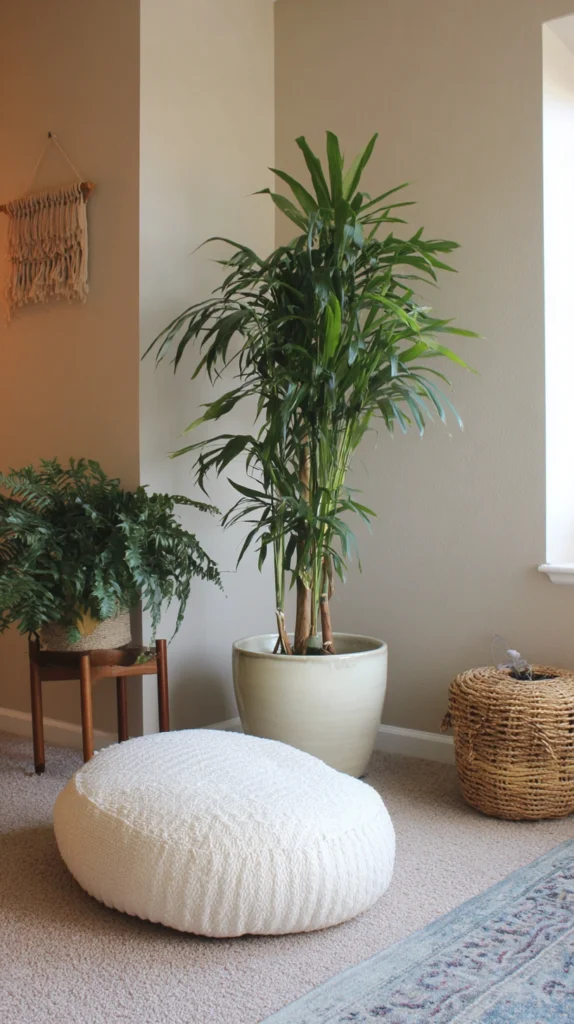
A small carefully chosen collection of indoor plants creates a meditation room of living organic warmth. Choose plants of simple architectural form — a single large monstera, a tall bamboo in a simple ceramic pot, a small collection of succulents — rather than a profusion of small flowering plants. The plant selection should add quiet living beauty without visual complexity or the cognitive demand of elaborate arrangement.
Pro Tip: Choose plants requiring minimal maintenance — ideally no more than weekly watering. A meditation room containing dying or struggling plants creates a subtle but genuine quality of distress that works against the calm settled atmosphere the space is designed to provide. The meditation room should be a space of care received, not care required.
6. Simple Altar or Focal Point
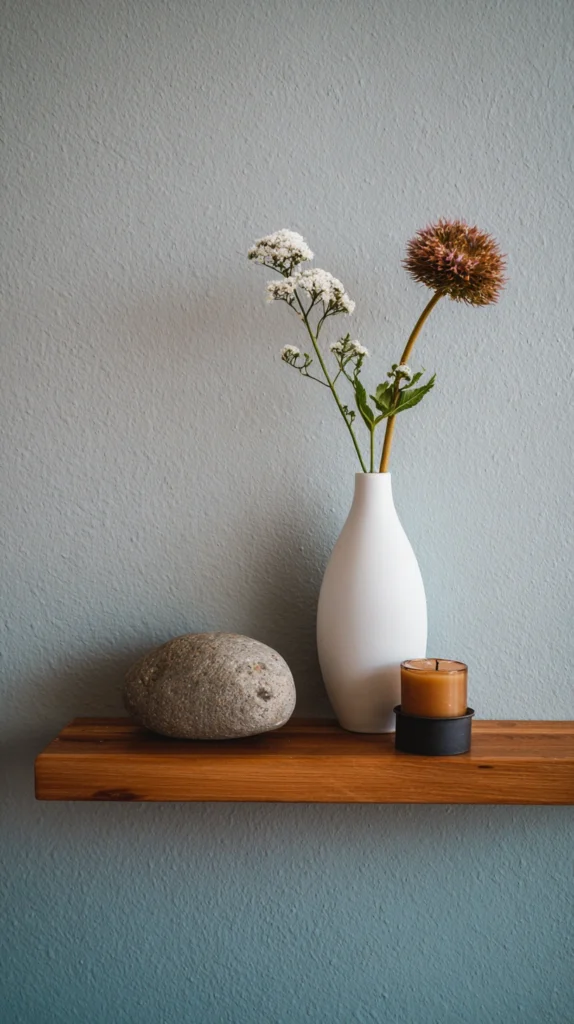
A low shelf or small table on which a few carefully chosen personally significant objects are arranged creates a visual and psychological center for the meditation space. A candle, a small ceramic bowl, a smooth stone, a simple flower in a plain vase — the altar objects should be few, beautiful, and genuinely meaningful. The altar is not a display of aesthetic aspiration but a visual expression of genuine personal intention.
Pro Tip: Change at least one element of the altar regularly — replacing the flower, changing the candle, adding a new stone from a significant walk. An altar that remains unchanged for months loses its quality of deliberate intention and becomes simply a small arrangement of objects that the eye passes over without genuine attention or meaning.
7. Acoustic Comfort and Soundproofing
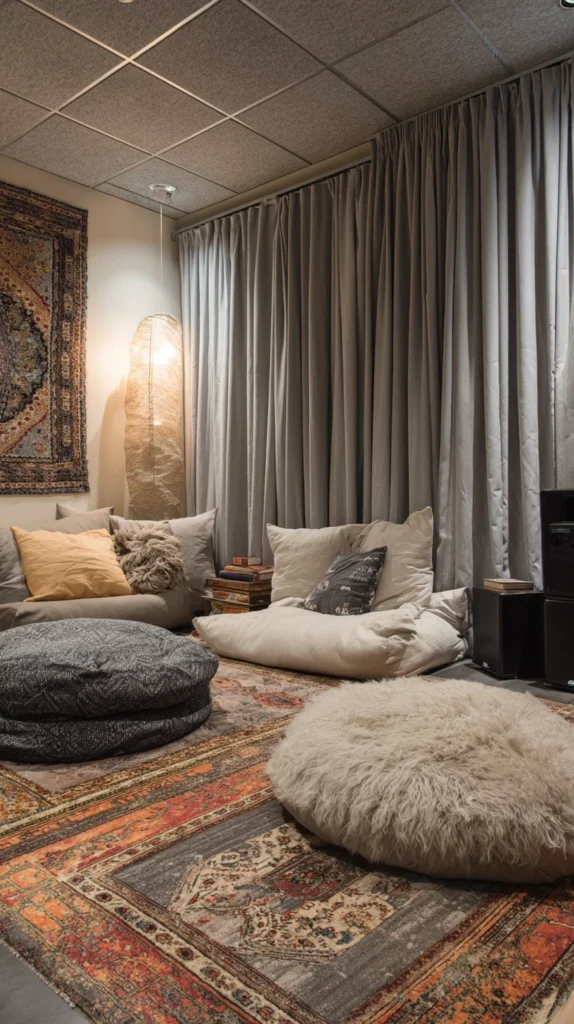
The acoustic quality of a meditation room has a significant impact on the quality of practice possible within it. Heavy curtains, a thick rug, weatherstripping on the door, and acoustic panels behind fabric wall hangings all contribute to a quieter, more acoustically comfortable environment. The goal is not silence — which is neither achievable in most domestic settings nor necessary for effective meditation — but a reduction in the most intrusive sounds to a manageable background level.
Pro Tip: Position the meditation room in the quietest area of the home — typically an interior room away from street-facing walls, away from the kitchen, and away from rooms used by other household members during typical practice times. Physical position within the house is the most effective and most permanent acoustic treatment available — significantly more effective than any post-construction acoustic intervention.
8. Warm Low-Level Lighting
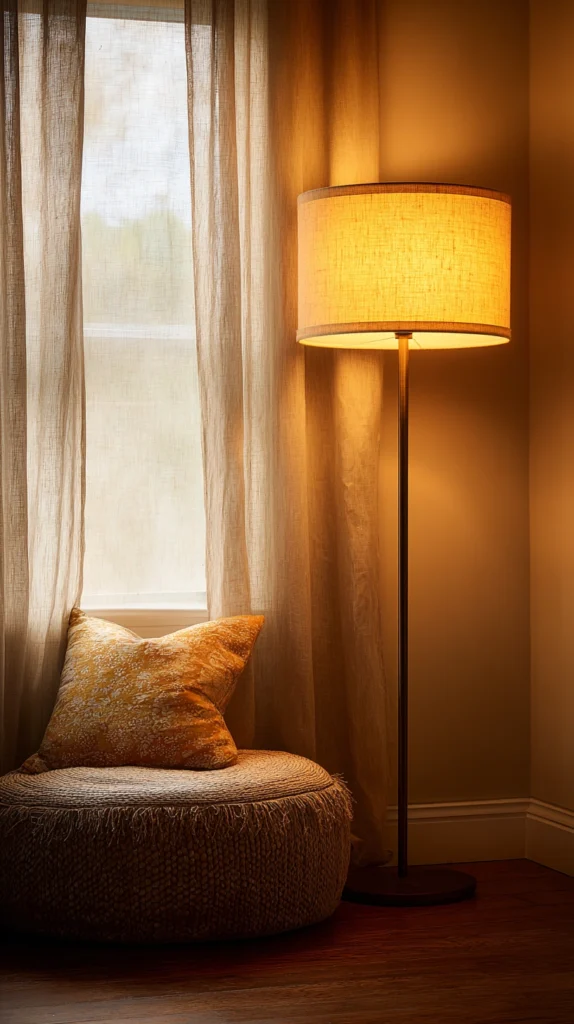
Warm low-level lighting from a single lamp or a collection of candles creates a quality of intimate contained illumination that suits the inward focus of meditation practice. Bright overhead lighting creates alert outward-facing illumination that works against it. Choose a lamp with a warm-toned shade — cream, ivory, or natural linen — and a warm white bulb at the lowest adequate wattage. A dimmer switch allows the light level to approach the quality of candlelight.
Pro Tip: Use beeswax or high-quality soy candles rather than paraffin alternatives in the meditation room. Paraffin candles produce a small quantity of toxic combustion byproducts that create a subtle but measurable reduction in air quality in a small enclosed room. Beeswax and soy candles burn significantly more cleanly and produce a warmer more natural quality of candlelight that suits the meditation environment.
9. Restrained Color Palette
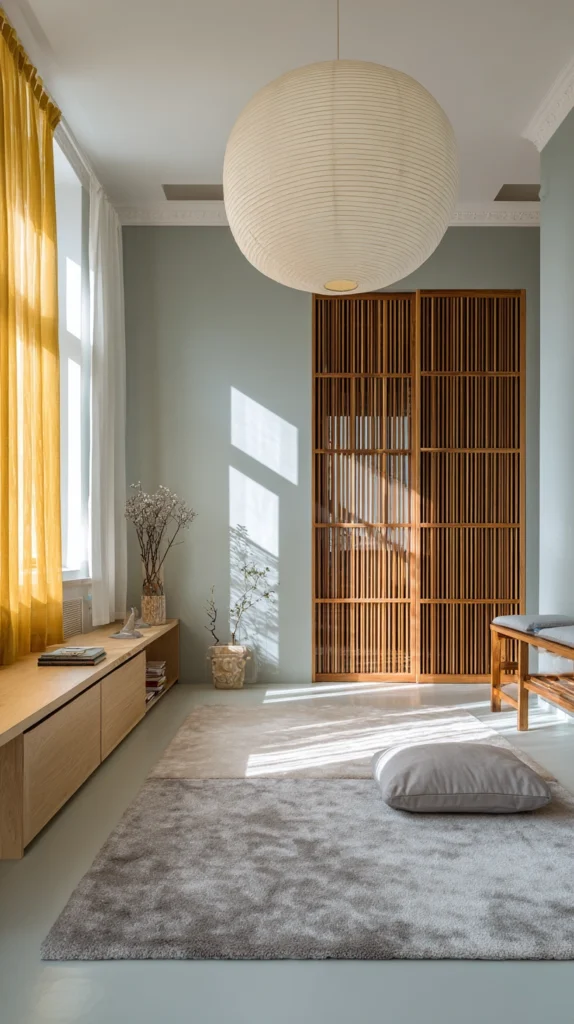
The most effective meditation room color palettes are the most restrained — warm whites, soft naturals, muted earth tones, and the particular quiet of pale sage green and soft grey. Avoid vivid colors, strong contrasts, and pattern — each creates a degree of visual stimulation that adds to rather than reduces the background mental activity that meditation is designed to quiet. The color palette of the meditation room should create the visual equivalent of a held breath — a quality of suspended calm openness.
Pro Tip: Paint the ceiling in a tone slightly lighter than the walls rather than a contrasting white. A ceiling slightly lighter than the walls creates a visual expansion overhead that makes the room feel taller and more open — supporting the sense of spaciousness and open awareness that meditation practice cultivates.
10. No Technology
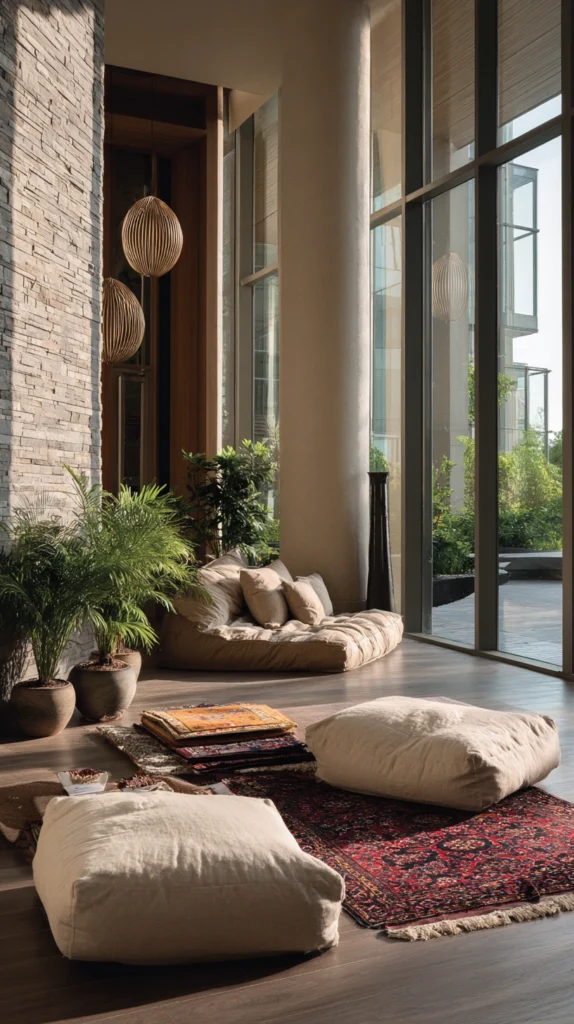
The meditation room is the one room in the home where technology has no place. No screens, no devices, no visible speakers — the visual presence of technology creates an implicit invitation to distraction that works directly against the purpose of the room. Walking into a room containing no screens or devices creates an immediate psychological disengagement from the digital world that no amount of mental determination to ignore visible technology can replicate.
Pro Tip: Charge all devices outside the meditation room rather than bringing them in during practice. A charging device — even face down, even in airplane mode — creates a subtle but genuine psychological pull toward the digital world that undermines the quality of present-moment attention that meditation practice cultivates. A completely device-free room is the most psychologically clean meditation environment available.
11. Incense and Natural Fragrance
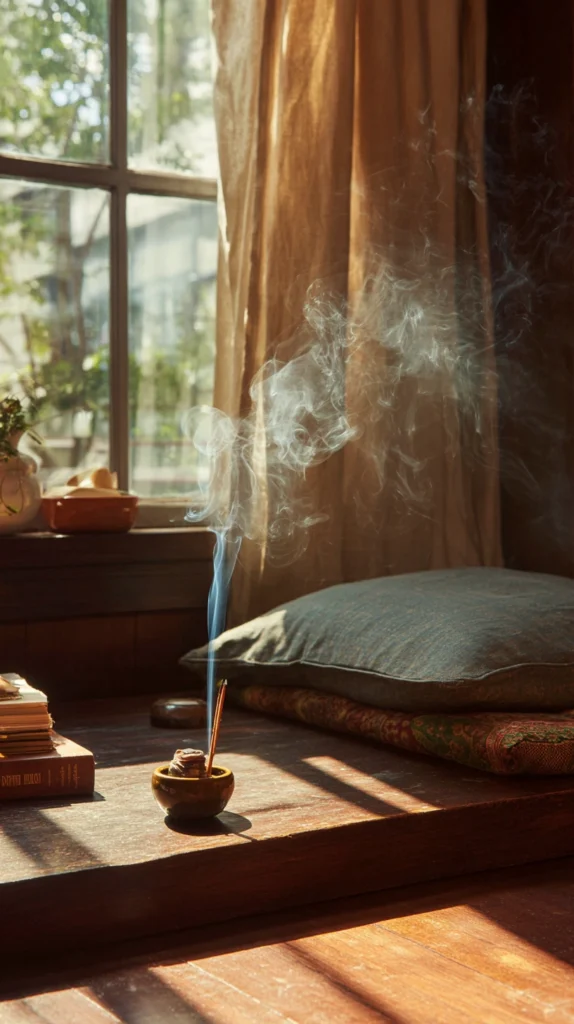
Consistent use of a specific incense or natural fragrance conditions the mind to associate that fragrance with the meditative state — making it a practice trigger that accelerates the transition into the calmer, more settled quality of mind that meditation cultivates. Choose a simple natural fragrance — Japanese incense, Tibetan incense, or a high-quality essential oil diffuser — and use it consistently during every session.
Pro Tip: Ventilate the meditation room thoroughly between sessions if using incense regularly — opening the window and door for at least twenty minutes before the next practice session. Accumulated incense residue in an unventilated room creates a quality of stale heavy air that is counterproductive during practice. Fresh air combined with the fresh fragrance of newly lit incense creates the most genuinely supportive olfactory environment.
12. Threshold Ritual
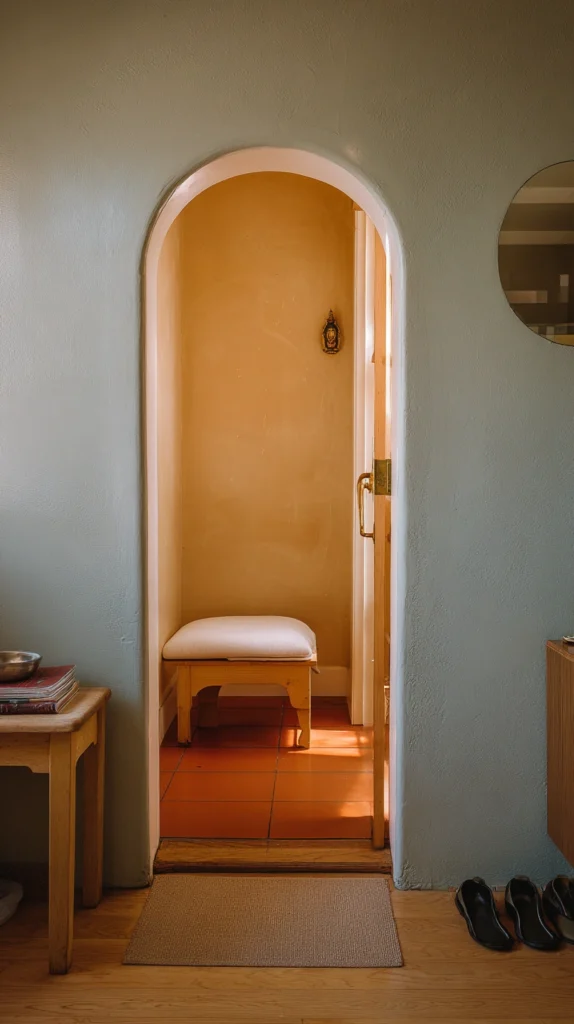
The transition into the meditation room — the moment of crossing the threshold from ordinary household activity into dedicated practice space — is itself a significant element of the practice. A simple door ritual that marks this transition — removing shoes before entering, pausing for one full breath at the threshold — creates a psychological boundary between ordinary daily activity and the quality of present-moment awareness the practice requires.
Pro Tip: Create a small shoe rack immediately outside the meditation room door as a physical prompt for the shoe-removal threshold ritual. The physical act of removing and storing shoes is a reliable and powerful practice trigger — in many traditions the removal of shoes before entering a dedicated space is one of the oldest and most universal markers of threshold crossing that exists and its effectiveness as a practice signal is not diminished by familiarity.
13. Singing Bowl
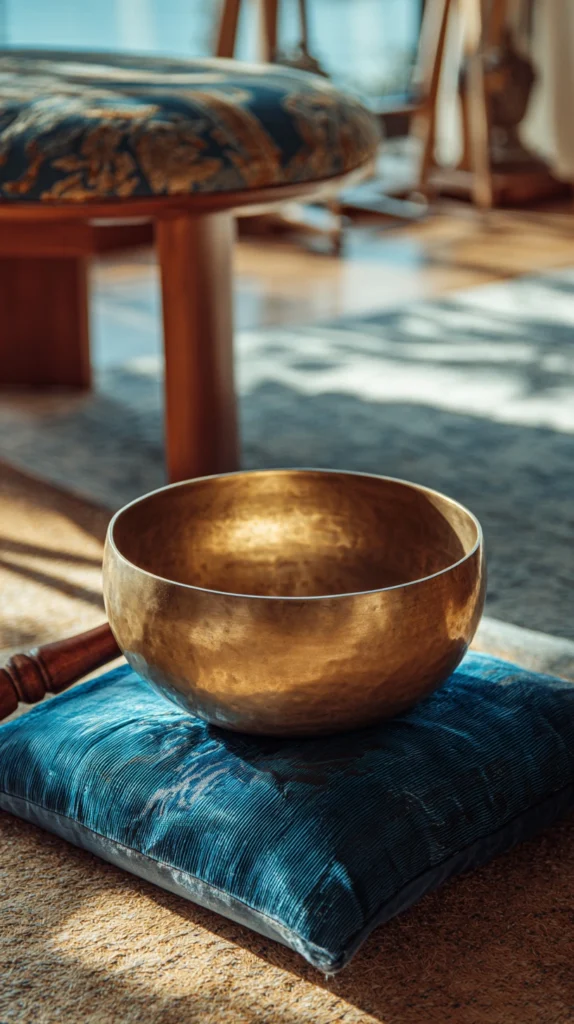
A Tibetan singing bowl positioned in the meditation room and used to mark the beginning and end of practice sessions creates a powerful auditory practice signal. Following the tone of the bowl to its natural completion — attending with full attention until the last trace of sound fades entirely into silence — is itself a complete mindfulness practice. Choose a singing bowl made from traditional seven-metal alloy rather than a mass-produced single-metal alternative for the richest most complex tone quality.
Pro Tip: Strike the bowl at the beginning of the session and attend to the sound until it fades completely before beginning the formal practice. This simple act of sound-following creates a natural transition from ordinary mental activity to the more settled present-moment awareness of the meditative state — a transition that takes as long as the bowl’s resonance requires and no longer.
14. Post-Meditation Journal Corner
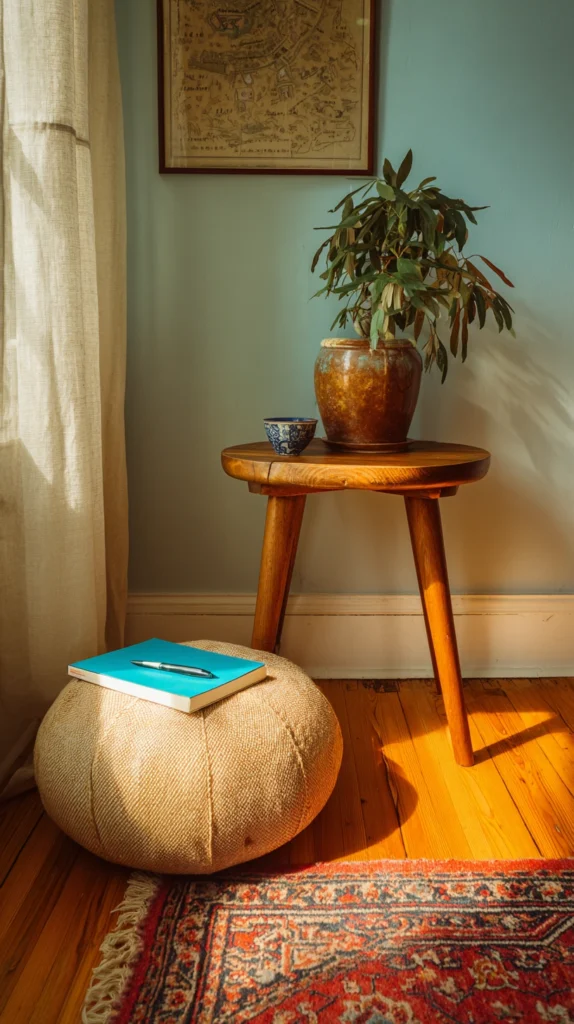
A simple journal corner — a small low table beside the zafu with a plain notebook and a single pen — creates a dedicated space for post-meditation reflective writing. Write in the journal immediately after practice while still in the room.
The quality of reflective awareness that follows meditation begins to diffuse within minutes of leaving the meditation environment — insight that seems clear inside the room often becomes vague and inaccessible once the practitioner has re-engaged with ordinary household activity.
Pro Tip: Use a plain inexpensive notebook rather than an elaborately beautiful journal. The simplicity of the writing tool removes the inhibiting quality of preciousness from the writing practice and creates conditions for honest unselfconscious recording of meditation experience — which is the most genuinely useful form of post-meditation writing available.
15. A View of Nature
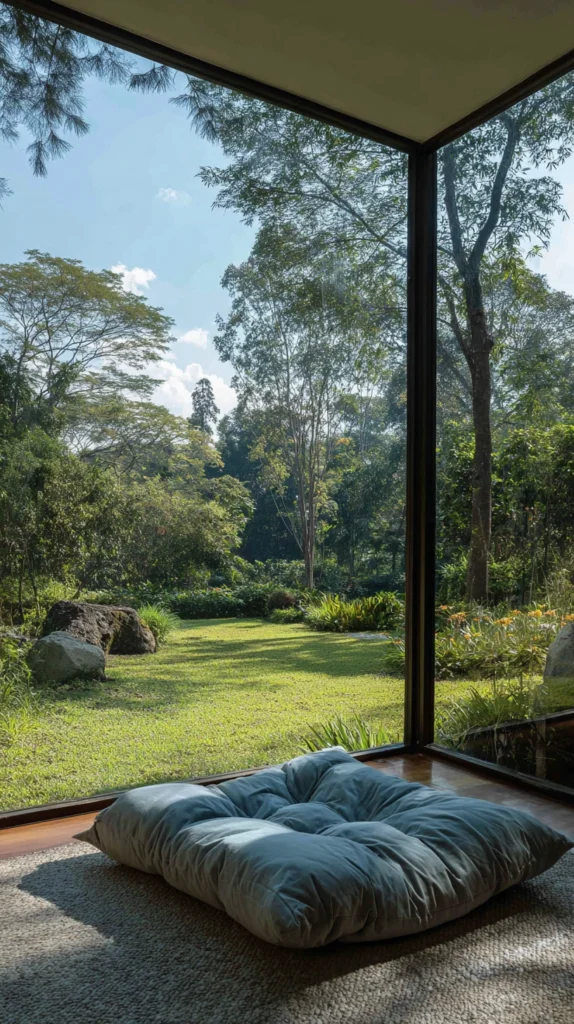
A meditation room with a window framing a view of the natural world — a garden, a tree, a patch of sky — creates a quality of natural expansive awareness that an interior-facing room cannot provide.
The movement of leaves, the shift of clouds, the changing quality of light through the day and the seasons creates a gentle non-demanding focal point for open awareness practice. Keep the view window completely clear — no objects on the windowsill, no hanging decorations that obstruct the natural view.
Pro Tip: The view is the decoration. Remove everything from the window zone to allow the full unobstructed quality of the natural view to be available from the sitting position. A clear unobstructed window framing a simple natural view is one of the most powerful and most genuinely beautiful elements of any meditation room fortunate enough to contain one.
The Room Is Already There
Every home contains a room, a corner, or a closet that can become a meditation space. Create it with intention. Keep it simple. Use it daily. And discover that the room designed for stillness becomes, over time, the quiet center from which everything else in the domestic world becomes clearer, calmer, and more genuinely worth attending to.