15 Low-Budget Bedroom Refresh Ideas That Feel High-End
Transforming your bedroom into a luxurious retreat doesn’t require draining your savings account or hiring an expensive interior designer. With strategic choices, creative thinking, and a focus on high-impact changes, you can achieve a sophisticated, high-end look without the premium price tag.
The secret lies in understanding what creates the perception of luxury—quality over quantity, thoughtful details, and a cohesive design vision that feels intentional rather than haphazard.
1. The Power of Premium Paint
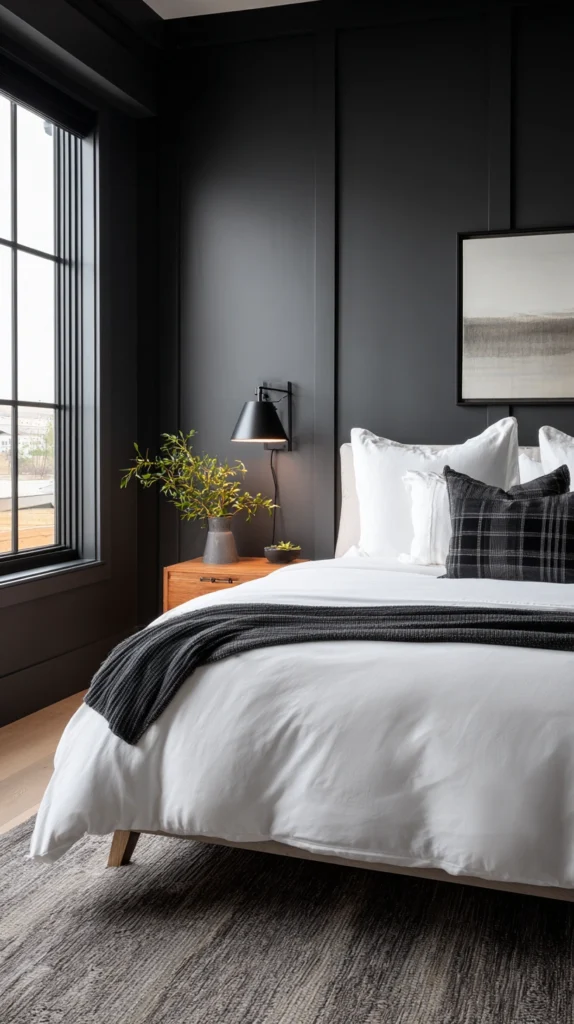
Nothing transforms a space more dramatically or affordably than paint. Instead of covering all four walls in the same builder-grade white, invest in one or two cans of premium paint in a sophisticated color.
Create an accent wall behind your bed in a rich, saturated tone like deep charcoal, moody navy, warm terracotta, or elegant forest green. High-quality paint with superior pigmentation and a subtle sheen creates depth that bargain paint simply cannot achieve.
Consider painting your ceiling in a soft, unexpected color—pale blush, light gray, or even a high-gloss white that reflects light beautifully. For maximum impact on minimal budget, paint existing furniture in cohesive tones. A dated wooden dresser becomes instantly modern when painted in matte black or soft sage.
The key is choosing colors that feel current and sophisticated rather than trendy, ensuring your refresh doesn’t look dated within a year.
Apply paint with careful technique—proper prep work, quality brushes, and patient application make the difference between amateur and professional results. Crisp lines, even coverage, and attention to detail in corners and edges elevate the entire effect. When paint looks expertly applied, people assume everything else in the room is equally high-end.
2. Luxurious Bedding Through Layering
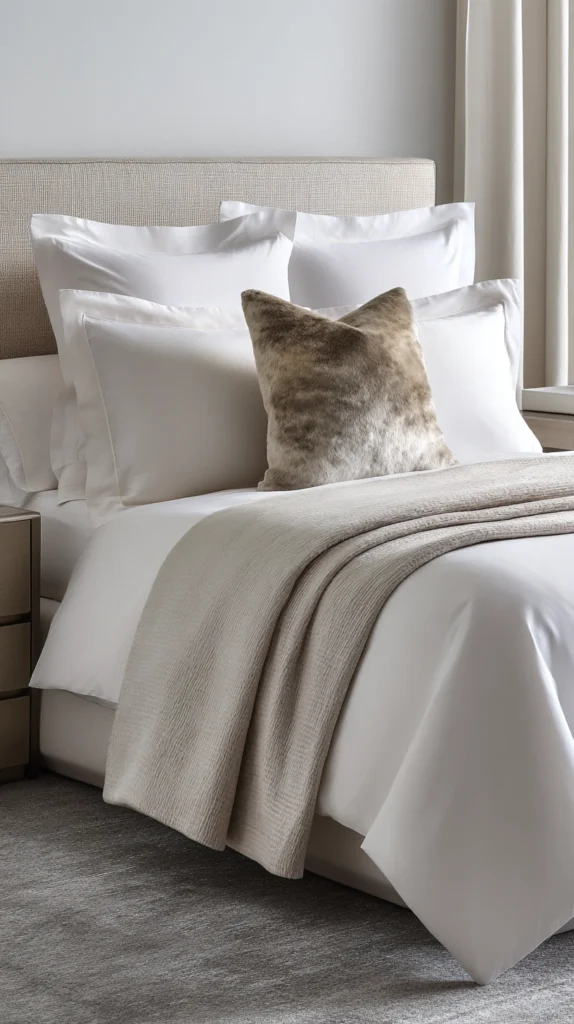
Your bed occupies prime visual real estate, making it the perfect place to invest your limited budget. Skip the expensive bed frame for now and focus on creating a hotel-worthy bed through strategic layering. Start with the best quality sheets you can afford in classic white or neutral tones. Even budget-friendly cotton can look expensive when the bed is properly made with crisp hospital corners and smooth surfaces.
Layer a duvet with a textured coverlet or throw at the foot of the bed. This adds dimension and suggests abundance without requiring multiple expensive pieces. Invest in two European square pillows to place behind your standard sleeping pillows—this simple addition instantly creates a more luxurious, layered look. Cover them with budget-friendly pillowcases in a coordinating neutral tone.
Add one statement pillow in velvet, faux silk, or textured fabric as your single splurge item. Place it front and center where it becomes a focal point. The contrast between this one luxurious piece and your more affordable basics creates an overall impression of quality. Make your bed meticulously every single day—immaculate bed styling makes even inexpensive bedding look five times more expensive.
3. Statement Lighting Swaps
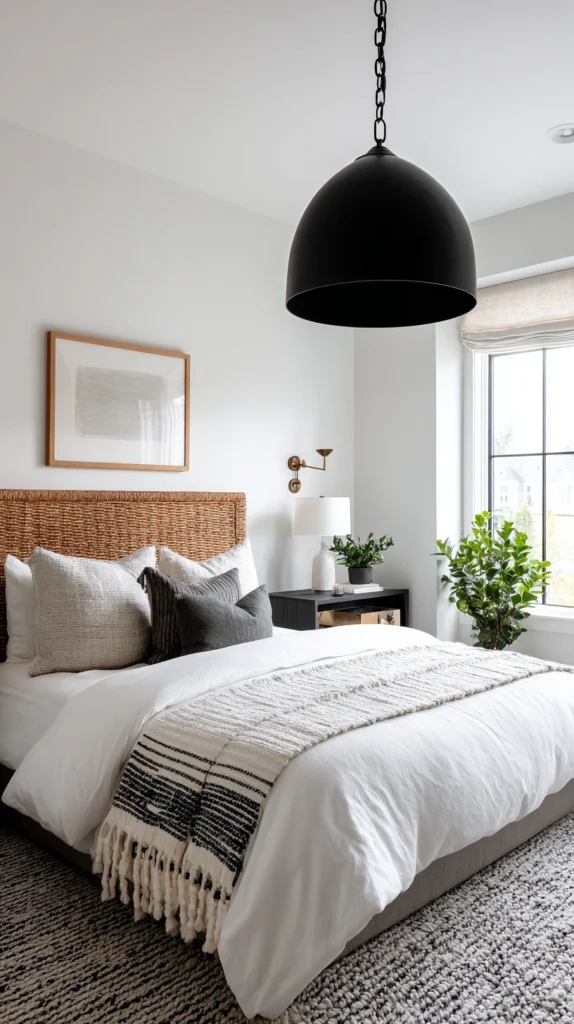
Replacing a builder-grade light fixture with something more distinctive creates instant impact for relatively little investment. Ceiling fixtures can be swapped easily, often without an electrician if you’re comfortable with basic wiring. Look for clearance lighting at home improvement stores, browse secondhand shops for vintage pieces that can be rewired, or explore budget-friendly online retailers for modern designs.
A sculptural pendant light, an oversized drum shade in natural linen, or a geometric chandelier in matte black metal immediately elevates the entire room. The fixture doesn’t need to be expensive—it just needs to look intentional and stylish. Spray paint an outdated fixture in matte gold, matte black, or brushed nickel for an instant update that costs less than ten dollars.
Add affordable table lamps with interesting shapes or textures to nightstands. Even budget lamps look expensive when topped with the right shade. Replace cheap shades with linen or textured fabric versions that diffuse light beautifully. Position lamps at appropriate heights and use warm-toned LED bulbs that create ambiance rather than harsh overhead lighting. Layered lighting at multiple levels suggests sophistication and careful design consideration.
4. The Art of Affordable Art
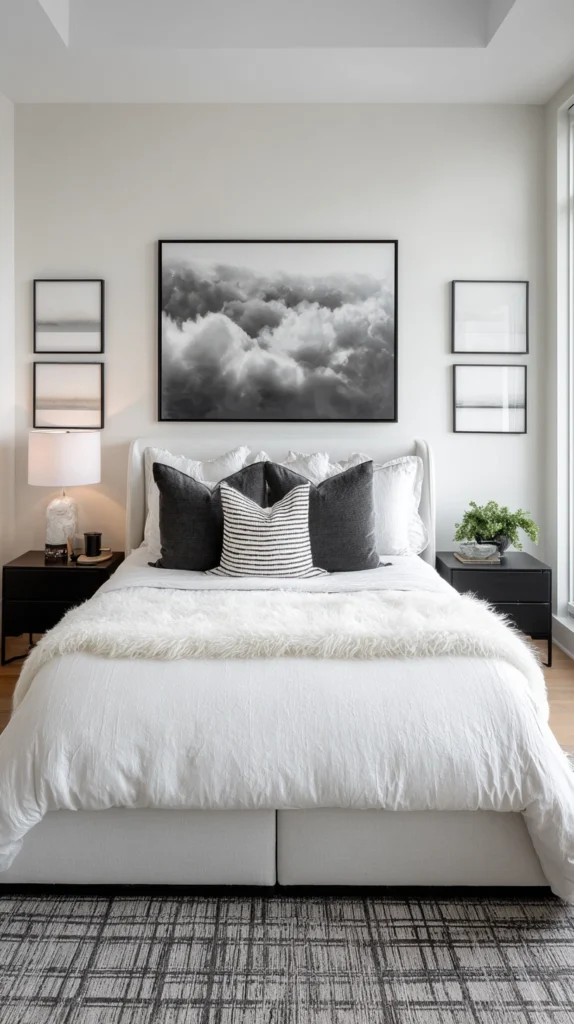
Bare walls scream “unfinished” while thoughtfully curated art suggests refinement and personal style. You don’t need original paintings or gallery pieces to achieve this effect. Print high-resolution images of artwork in the public domain, architectural photography, or abstract designs from free online resources. Frame them in simple, matching frames from discount stores—identical frames in matte black, natural wood, or white create cohesion that looks intentional.
Create a gallery wall using a collection of similarly sized frames arranged in a grid pattern. The symmetry and repetition suggest careful curation rather than random decoration. Alternatively, display one large-scale piece above your bed for maximum impact. You can create this yourself by having a favorite image printed as an engineering print at an office supply store for minimal cost, then mounting it on foam board or framing it simply.
Consider textile art—a beautiful scarf, vintage fabric, or woven wall hanging in a simple frame becomes instant artwork. Black and white photography always looks sophisticated and timeless. Frame pages from vintage books, botanical illustrations, or architectural drawings. The key is editing carefully—five thoughtfully chosen and uniformly framed pieces look infinitely more expensive than twenty mismatched items scattered across your walls.
5. Architectural Molding Magic
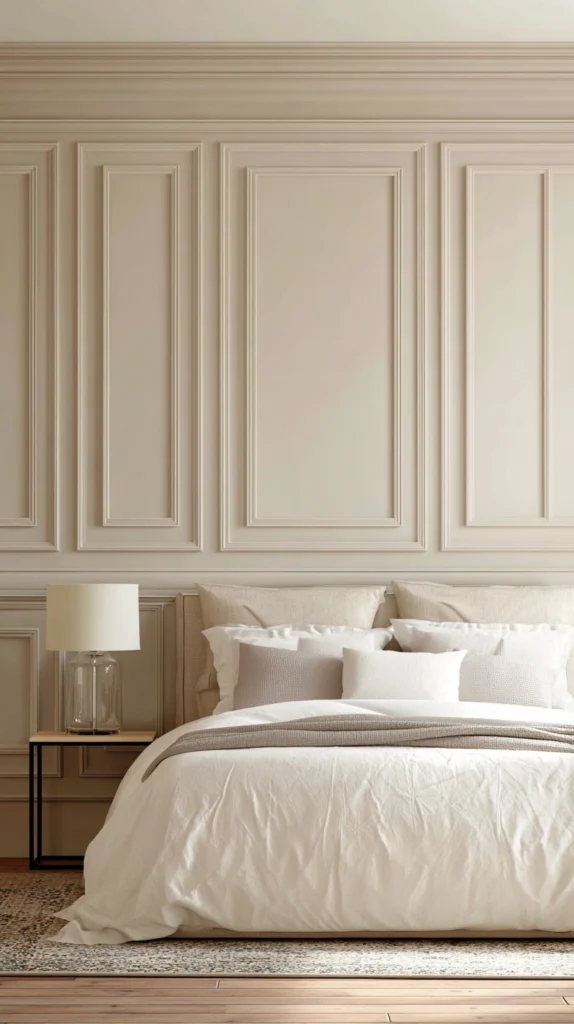
Adding architectural details creates the perception of a more expensive, custom-built space. Simple picture frame molding, chair rail, or crown molding costs surprisingly little when you install it yourself. Even if you hire someone, molding installation is relatively affordable compared to other renovations.
Paint molding in crisp white against colored walls for traditional elegance, or paint it the same color as walls for subtle, modern sophistication.
Create a feature wall using vertical board and batten, which requires only simple lumber, a saw, adhesive, and paint. This treatment adds texture and visual interest while suggesting custom millwork. Install floating shelves with concealed brackets for a clean, modern look that provides both storage and display space. Even basic shelves look custom when installed with precision and styled thoughtfully.
Replace flat, hollow closet doors with updated options. Paint existing doors in a bold color, add molding to create a paneled effect, or replace them entirely with affordable alternatives like barn doors on budget-friendly hardware. These architectural interventions change the room’s entire character, making it feel custom and considered rather than generic and builder-grade.
6. Mirror Multiplication
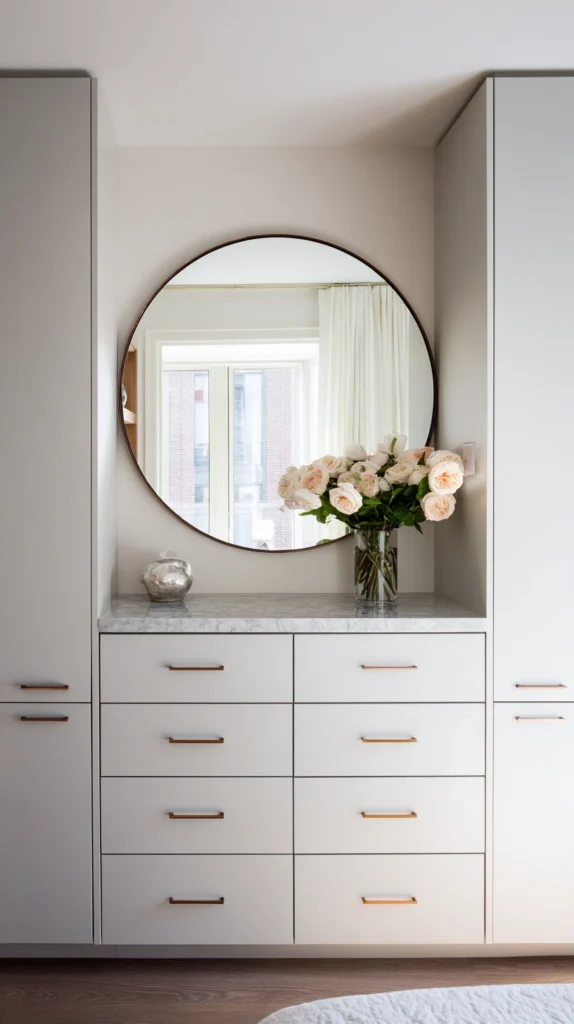
Mirrors expand space visually while adding glamour and reflecting light—both qualities associated with high-end design. Instead of one small mirror above a dresser, create impact with an oversized floor mirror leaned casually against the wall. This relaxed styling looks effortlessly chic and costs far less than a custom-mounted mirror.
Group multiple inexpensive mirrors in varying sizes on one wall to create a collected, eclectic look that suggests design sophistication. Match the frames by spray painting them all in the same finish—matte gold, brushed nickel, or matte black. The unified finish creates cohesion from mismatched pieces. Position mirrors strategically to reflect windows, artwork, or attractive architectural features, multiplying their impact.
Look for vintage mirrors at thrift stores and estate sales—ornate frames that might seem dated can be spray painted for contemporary appeal. A vintage gilt mirror painted in matte black suddenly looks modern and expensive. Mirrors with interesting shapes—arched, circular, or geometric—add architectural interest even when the frames themselves are simple and affordable.
7. Textile Transformation
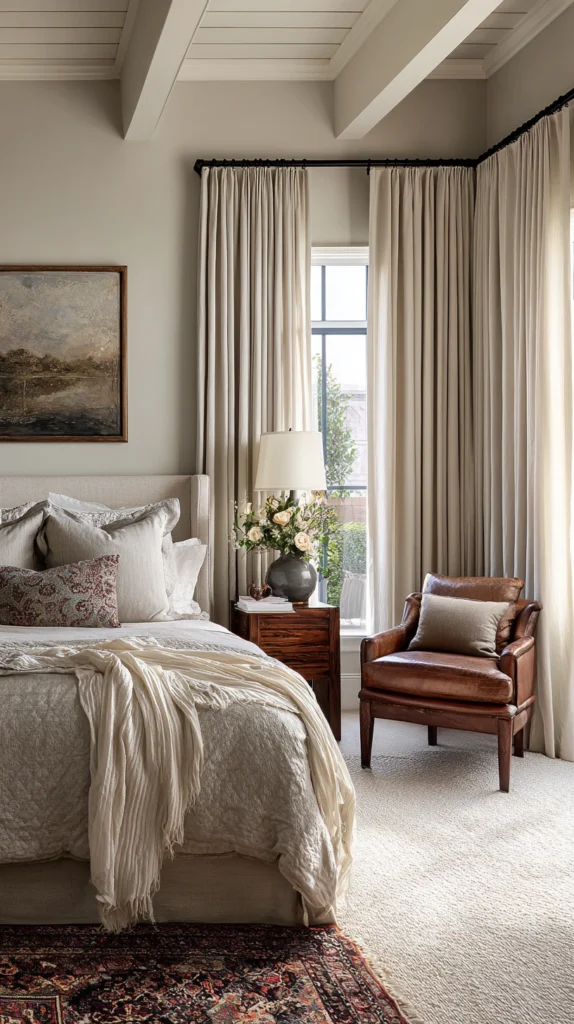
Switching out textiles refreshes a room faster and more affordably than almost any other intervention. Replace basic curtain panels with floor-to-ceiling drapes in a luxurious fabric or texture. The key is hanging them properly—mount the rod as close to the ceiling as possible and choose panels long enough to puddle slightly on the floor or just kiss it. This elongates walls and suggests custom window treatments.
Inexpensive curtain panels can look expensive when they’re the right length and hung at the correct height. Choose solid colors in rich tones or subtle textures rather than busy patterns. Linen-look fabrics, velvet, or even canvas drop cloths sewn into simple panels create expensive effects on minimal budgets. Use curtain clip rings for an effortlessly casual look that suggests European elegance.
Add texture through an area rug, even a small one layered over existing carpet or placed beside the bed. A textured rug in natural fibers or a vintage-style runner adds warmth and visual interest. Swap out basic throw pillows for covers in varied textures—one velvet, one linen, one faux fur. You don’t need to replace the inserts, just the covers. The interplay of textures suggests a carefully curated, high-end aesthetic.
8. Hardware Upgrade Impact
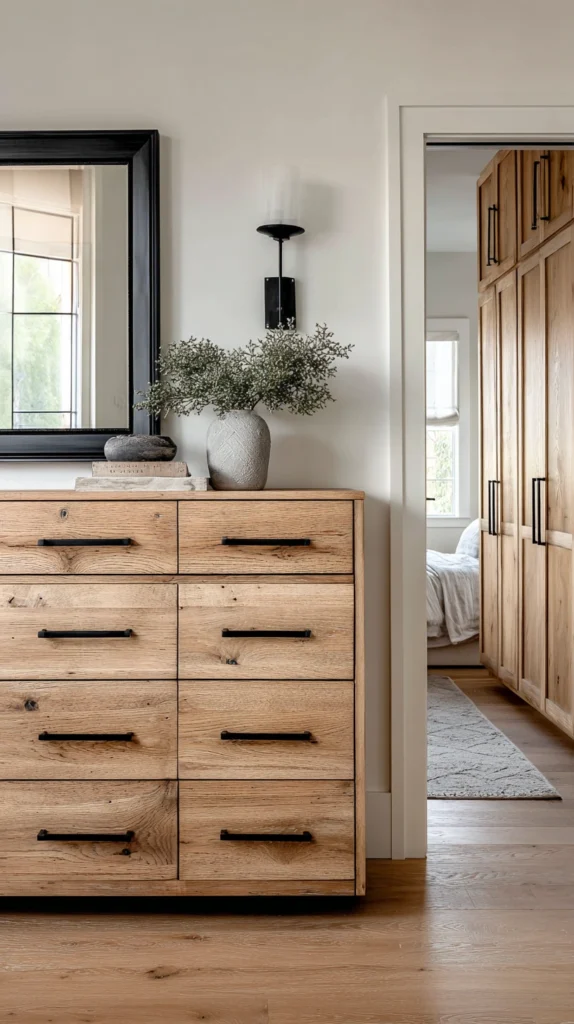
Replacing dated hardware on dressers, nightstands, and closet doors creates a surprisingly dramatic impact for minimal investment. Swap brass or chrome pulls for modern options in matte black, brushed brass, or polished nickel. Geometric shapes, leather pulls, or sleek bar pulls instantly modernize furniture without requiring any other changes.
Maintain consistency throughout the room—all hardware should match in finish and style. This cohesion suggests intentional design rather than random updates. Even the most basic furniture looks more expensive with thoughtful hardware. Consider the scale carefully—oversized pulls can make a dramatic statement on larger dressers, while delicate knobs suit smaller nightstands.
Don’t forget door hardware. Replacing a basic doorknob with a modern lever handle in a sophisticated finish changes the room’s character the moment you enter. Updated light switch plates in matching finishes complete the look. These small details add up to create an overall impression of quality and attention to detail that characterizes truly high-end spaces.
9. Strategic Decluttering and Styling
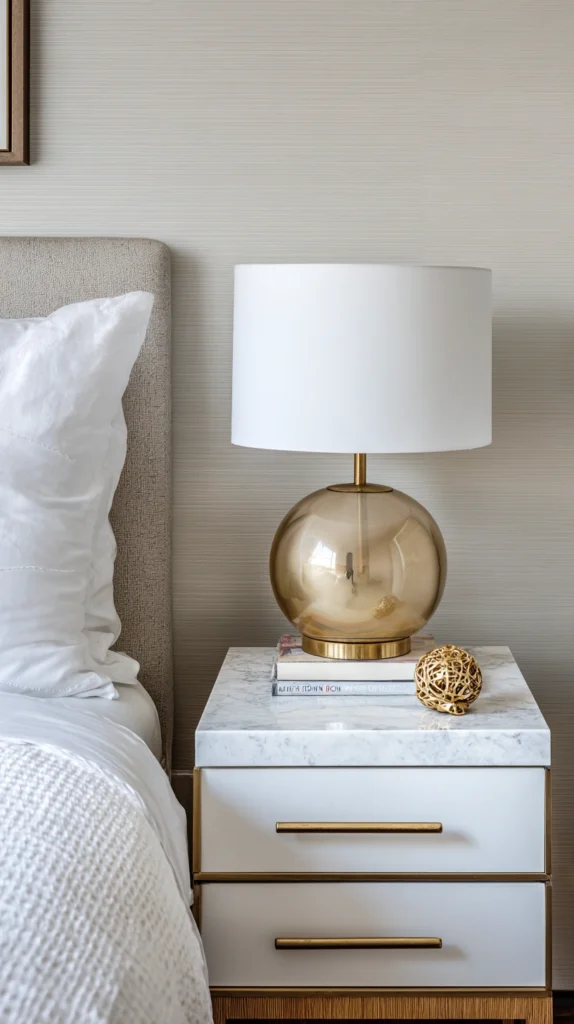
Luxury spaces share one critical characteristic—they’re never cluttered. The fastest, most affordable bedroom refresh involves ruthlessly editing what’s visible. Remove everything from surfaces, then carefully curate what returns. Nightstands should hold only essentials arranged thoughtfully—perhaps a lamp, a small plant, and one beautiful object. Dressers remain clear except for a carefully composed vignette.
Group objects in odd numbers and varying heights. A stack of beautiful books topped with a small plant and decorative object creates more visual interest than items scattered randomly. Use trays to contain smaller items—even inexpensive items look more intentional when grouped on a tray. Choose trays in materials that suggest quality—marble-look, wood, or metal rather than plastic.
Hide everyday clutter in attractive storage. Woven baskets, vintage suitcases, or modern boxes provide concealed storage that contributes to rather than detracts from the aesthetic. Make your closet as organized as possible—visible chaos undermines the serene, high-end feeling you’re creating elsewhere. Install an affordable closet organization system or simply use matching hangers in the same color and style for instant visual improvement.
10. Plant Life Luxury
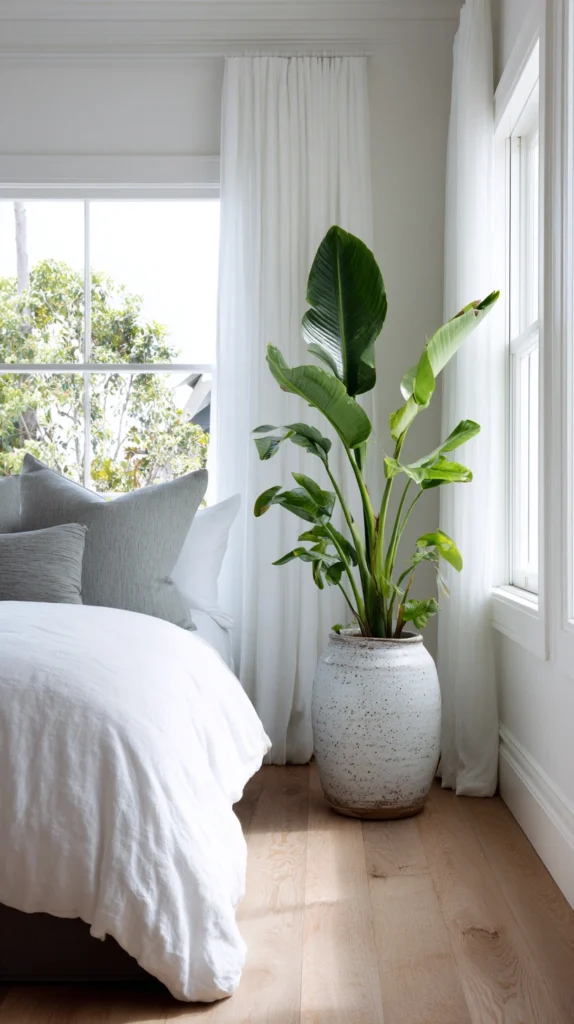
Living plants add life, color, and a connection to nature that instantly elevates any space. Large plants in simple pots create dramatic impact for relatively little money. A fiddle leaf fig, monstera, or snake plant in a basic pot looks far more expensive than its cost. Choose pots in materials that photograph well—matte ceramic, natural terracotta, or modern concrete-look planters.
Group smaller plants at varying heights on a dresser or shelf for collected, curated appeal. Even grocery store plants look expensive when potted in cohesive containers and arranged thoughtfully. If you lack a green thumb, high-quality faux plants now look remarkably realistic—invest in one or two statement pieces rather than many small, obviously fake plants.
Fresh flowers or branches from your yard arranged in a simple vase add elegance that money truly cannot buy. A single stem in a bud vase looks more sophisticated than elaborate arrangements. The presence of living things suggests a level of care and attention associated with high-end living. Change them regularly to maintain freshness and continue the impression of thoughtful maintenance.
11. Headboard Innovation
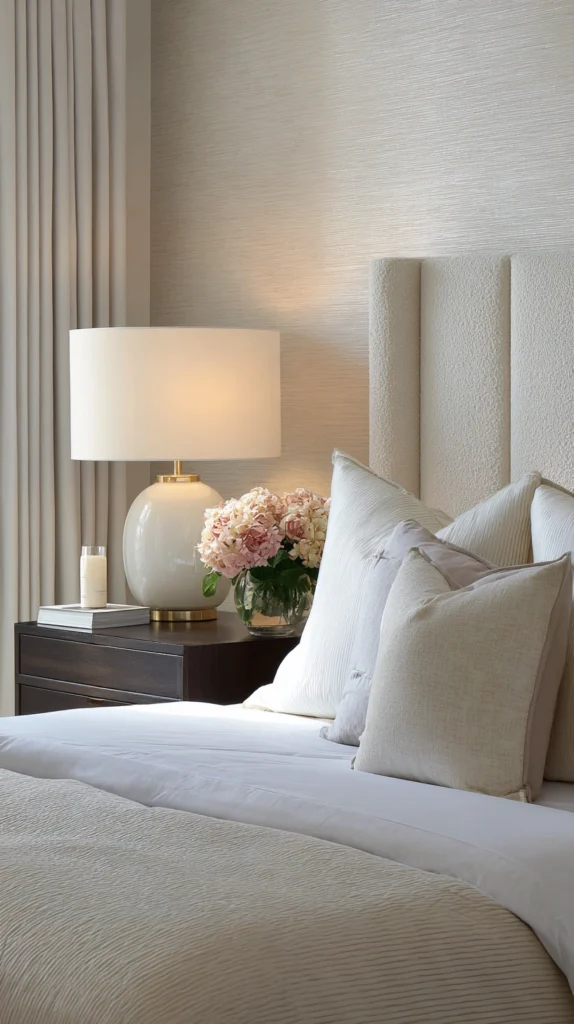
A headboard anchors your bed and suggests finished, intentional design. Instead of purchasing an expensive upholstered headboard, create your own using budget-friendly materials. Mount a piece of plywood cut to size and wrapped in batting and fabric for a custom upholstered look. Choose velvet, linen, or faux leather in sophisticated colors.
Alternatively, create a headboard effect using alternative materials. Hang a large piece of artwork, a tapestry, or architectural salvage like vintage doors or shutters. Install picture frame molding directly on the wall in a headboard shape and paint it to contrast with wall color. Lean a large mirror behind the bed instead of a traditional headboard for a glamorous, space-expanding effect.
Use peel-and-stick wallpaper in a sophisticated pattern or texture on the wall behind your bed, extending it from floor to ceiling in a panel slightly wider than your bed. This creates a dramatic backdrop that suggests custom wallcovering without the expense or commitment. Removable wallpaper allows you to change the look whenever you desire without damaging walls or breaking the budget.
12. Flooring Refresh Tricks
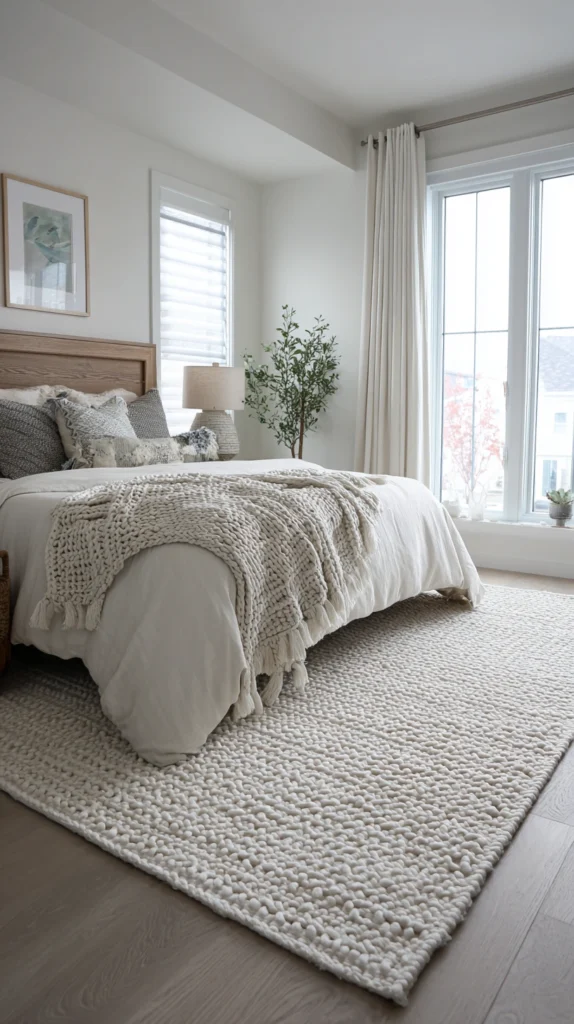
If your flooring is dated or damaged but replacement isn’t feasible, strategic solutions can dramatically improve its appearance. Layer a large area rug over carpet or dated flooring—this instantly updates the space while adding texture and warmth. Choose rugs in timeless patterns or solid colors that won’t quickly date.
For hardwood floors in poor condition, investigate affordable refinishing alternatives. Sometimes a good cleaning and application of floor polish restores surprising amounts of beauty. Paint worn wood floors in a solid color or create a pattern using painter’s tape and floor paint. A painted border, geometric pattern, or solid color in sophisticated charcoal or warm white completely transforms the space.
Cover truly problematic flooring with affordable solutions like peel-and-stick luxury vinyl planks that mimic hardwood or tile. Modern versions look remarkably realistic and install easily over existing floors. Choose classic colors and patterns that suggest quality materials. The key is ensuring proper installation—poorly installed cheap flooring looks worse than old flooring, while carefully installed budget materials can pass for premium options.
13. Unified Color Palette
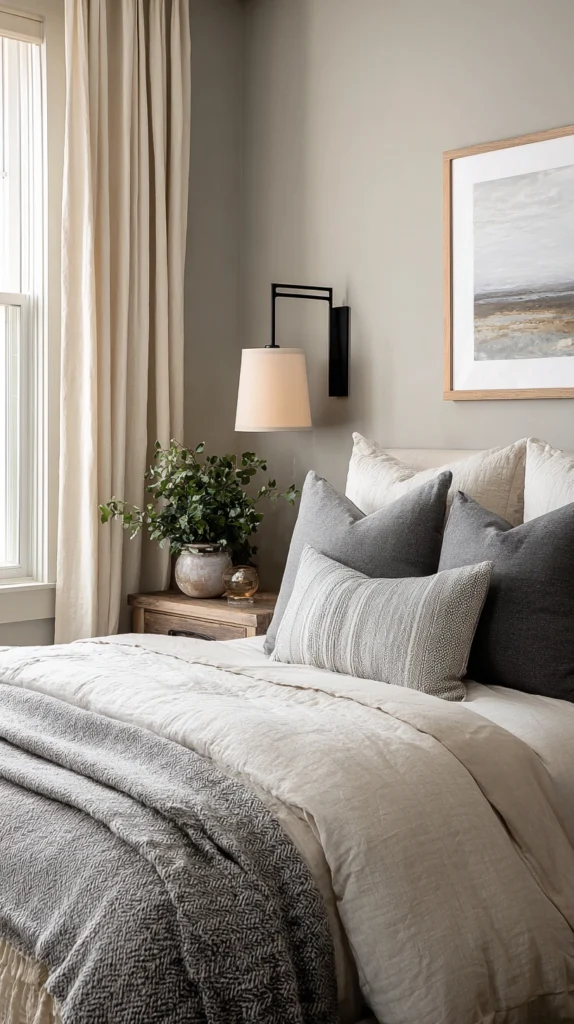
High-end spaces maintain cohesive color stories rather than incorporating every color randomly. Choose a palette of three to four colors maximum and ensure everything in the room relates to this scheme. Even mismatched, budget-friendly furniture and accessories look intentional and expensive when they share a unified color story.
Start with a base neutral—white, cream, gray, or beige—then add one or two accent colors and perhaps one metallic finish. Every textile, accessory, and decorative object should relate to this palette. This doesn’t mean everything matches exactly, but tones should harmonize. A room with cream walls, charcoal accents, warm wood tones, and touches of brass looks infinitely more expensive than a space with cream walls, red pillows, blue curtains, green plants in orange pots, and silver picture frames.
Edit ruthlessly. If something doesn’t fit your chosen palette, remove it or replace it. Paint or cover items to bring them into the scheme. Uniform color creates visual calm and suggests careful curation—both hallmarks of high-end design. This principle costs nothing but transforms how people perceive your space.
14. Lighting Ambiance and Control
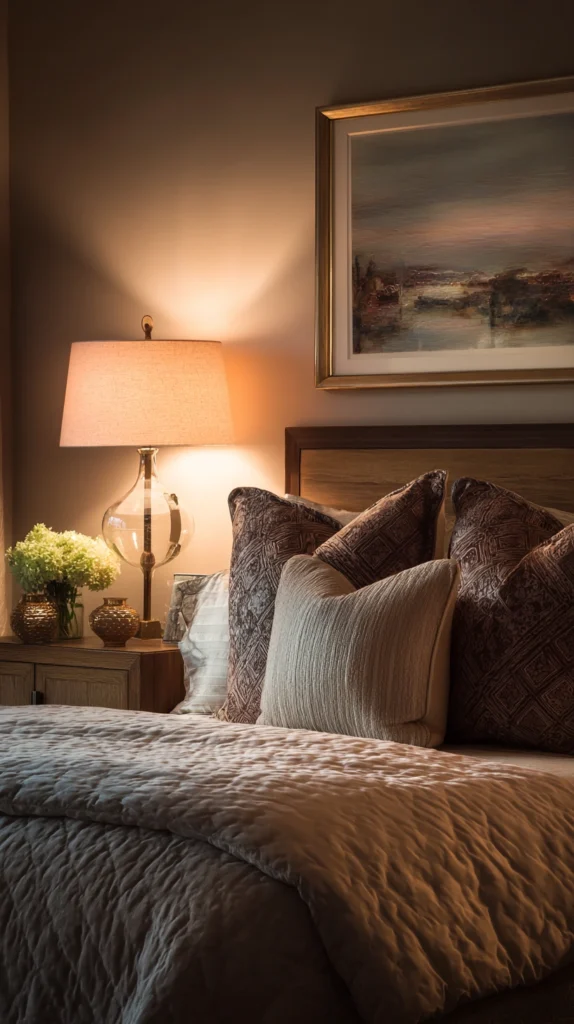
The quality of light profoundly affects how a space feels. Replace harsh, cool-toned bulbs with warm-toned LEDs that create inviting ambiance. Install dimmer switches on overhead lighting—this relatively inexpensive upgrade allows you to control mood and atmosphere instantly. Spaces that can transition from bright and energizing to soft and romantic feel more sophisticated.
Layer lighting at multiple levels—overhead, task lighting on nightstands, and ambient lighting from candles or string lights. This variety creates depth and allows you to customize lighting for different activities and times of day. Even inexpensive lamps look better when they use quality bulbs and provide warm, flattering light.
Hide cords and use battery-operated options where possible—visible cords and cables undermine a polished aesthetic. Use cord covers, run them behind furniture, or install outlets in more convenient locations if possible. Attention to these details separates amateur spaces from professional-looking rooms. Consider smart bulbs that allow you to adjust color temperature and brightness from your phone—these affordable options provide high-tech convenience associated with luxury homes.
15. The Power of Symmetry and Balance
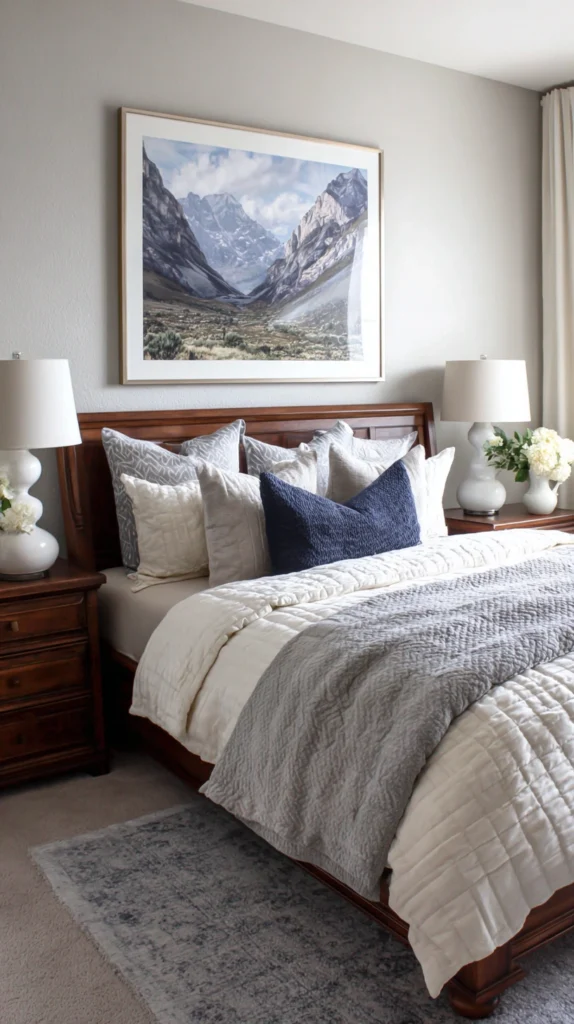
Professional designers understand that symmetry creates calm and suggests intentional design. Arrange furniture and accessories with this principle in mind. Place matching lamps on matching nightstands flanking the bed. Hang artwork centered over furniture rather than off to one side.
Create balance even with non-matching items by ensuring visual weight distributes evenly.
If you have one substantial piece on one side of the room, balance it with something of similar visual weight on the other side—not necessarily matching, but equivalent in impact. This might mean balancing a large dresser with a reading chair and floor lamp arrangement. The room should feel equilibrium rather than lopsided.
Apply this to styling as well. If you have three decorative objects on one nightstand, the other shouldn’t sit completely bare. Balance doesn’t require exact matching—it requires thoughtful arrangement that feels purposeful. Stand in your doorway and assess whether the room feels balanced and intentional. Adjust until it does. This costs nothing but makes an enormous difference in how professional and high-end your space appears.
The Transformation Mindset
Creating a high-end bedroom on a low budget requires shifting your mindset from “I need to buy expensive things” to “I need to make intentional choices with what I have and what I can afford.” Focus on quality in a few key areas rather than spreading your budget thinly across many mediocre purchases. One beautiful pillow makes more impact than five cheap ones. One large plant looks more expensive than ten small ones.
Invest time rather than money—the willingness to paint, install, arrange, and rearrange costs nothing but creates enormous value. Learn basic skills like hanging curtains properly, creating gallery walls, and styling surfaces through free online resources. The difference between a space that looks expensive and one that doesn’t often comes down to execution and attention to detail rather than the inherent cost of materials.
Most importantly, edit ruthlessly and maintain what you create. A small, thoughtfully designed space that’s immaculately maintained always looks more expensive than a large space filled with costly items but cluttered and poorly kept.
The discipline of less-but-better, combined with meticulous care, creates the foundation of true luxury regardless of actual expenditure.
Your bedroom can feel like a high-end retreat without requiring a high-end budget. These strategic interventions prove that sophistication stems from thoughtful choices, careful execution, and intentional design rather than from the amount of money spent. Start with the changes that excite you most, maintain what you create, and enjoy the satisfaction of achieving luxury on your own terms.