15 Layered Bedding Styling Ideas That Look Designer
The difference between a bed that looks like it came from a furniture showroom and one that looks “lived-in” (and not in the chic way) usually comes down to one word: layers. In the world of interior design, a bed is not just a place to sleep; it is a three-dimensional landscape of textures, tones, and heights.
Achieving that “designer” look—the kind that looks plush, inviting, and expensive—requires more than just a matching sheet set. It requires a strategic layering of elements that provide both visual depth and physical comfort.

Layering bedding is an art form that balances functionality with aesthetics. It is about playing with the tension between crisp cottons and heavy knits, or the contrast between a structured duvet and a draped throw. The trend has shifted away from the overly stiff “hotel-style” bed toward a more organic, “perfectly imperfect” layered look. Here are fifteen designer-approved strategies to help you master the art of the layered bed.
1. The “Triple Threat” White Bed
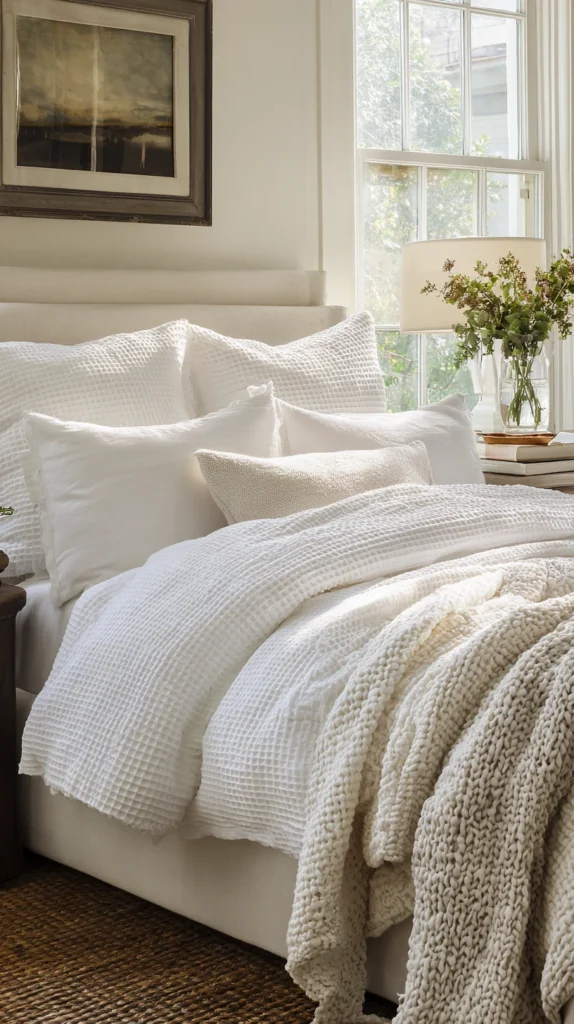
The most classic designer look is the all-white bed, but the secret to preventing it from looking like a hospital room is texture. Use three different white fabrics: a crisp percale bottom sheet, a textured waffle-knit middle blanket, and a heavy linen duvet on top.
By varying the weave of the white fabrics, you create subtle shadows and highlights that give the bed a sculptural, high-end appearance without needing a single drop of color.
2. The Asymmetrical Drape
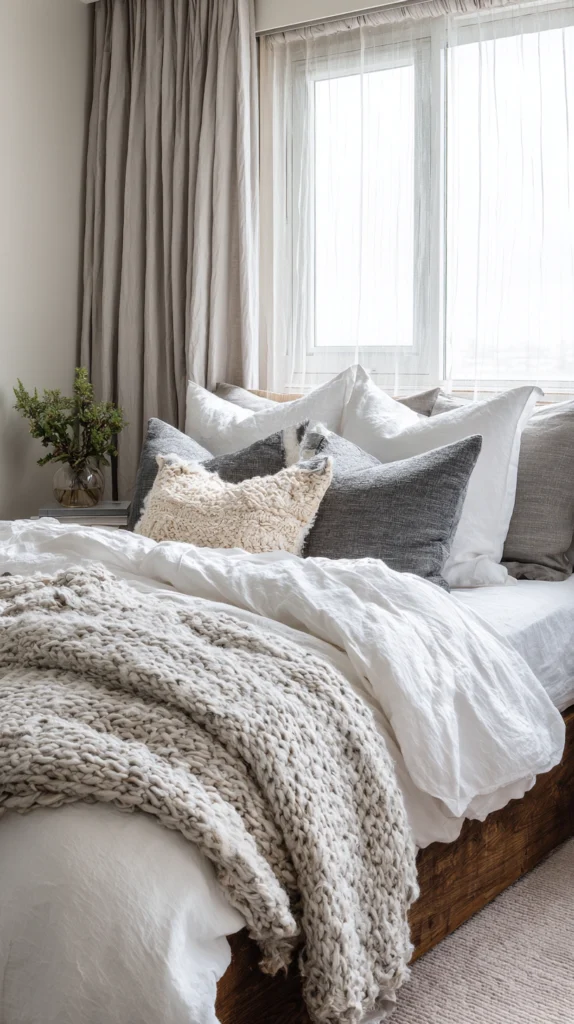
Perfect symmetry can sometimes feel a bit dated or “stiff.” To achieve a modern designer look, try the asymmetrical throw. Instead of folding your decorative blanket perfectly across the foot of the bed, “toss” it over one corner so it drapes naturally toward the floor. This creates a sense of effortless luxury, as if the bed was just styled for a high-end editorial shoot. This works best with a high-texture throw, like a chunky wool knit or a faux-fur.
3. The “Fold-Back” Contrast
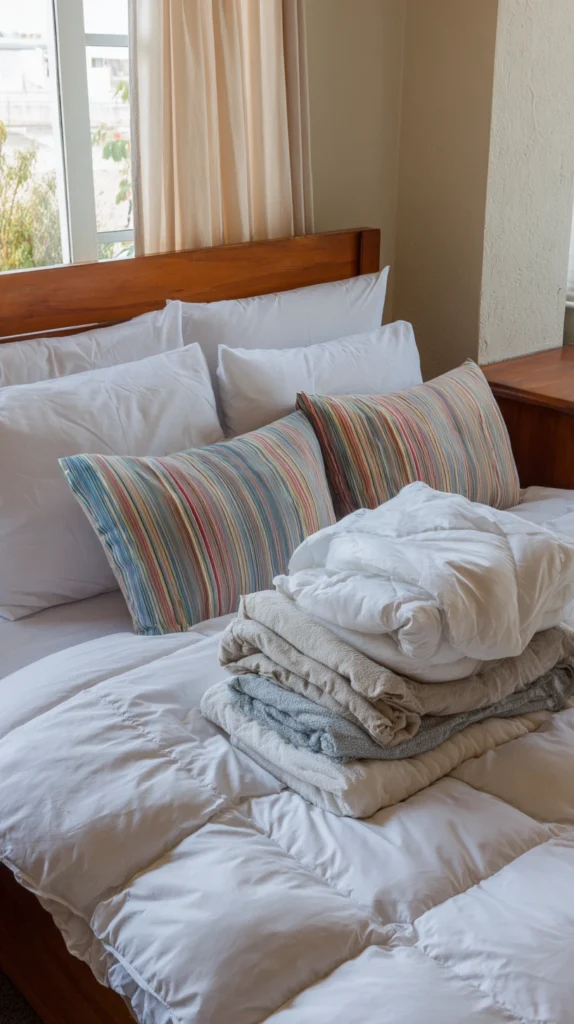
One of the easiest ways to add instant depth is the deep fold-back. Pull your flat sheet and your middle blanket all the way to the top of the mattress, then pull the duvet over them. Fold the duvet back about one-third of the way down the bed, then fold the sheet and blanket over the duvet. This exposes the “guts” of the bedding, showing off three distinct layers at the head of the bed. It creates a plush “sandwich” effect that looks incredibly inviting.
4. The Double Duvet Technique
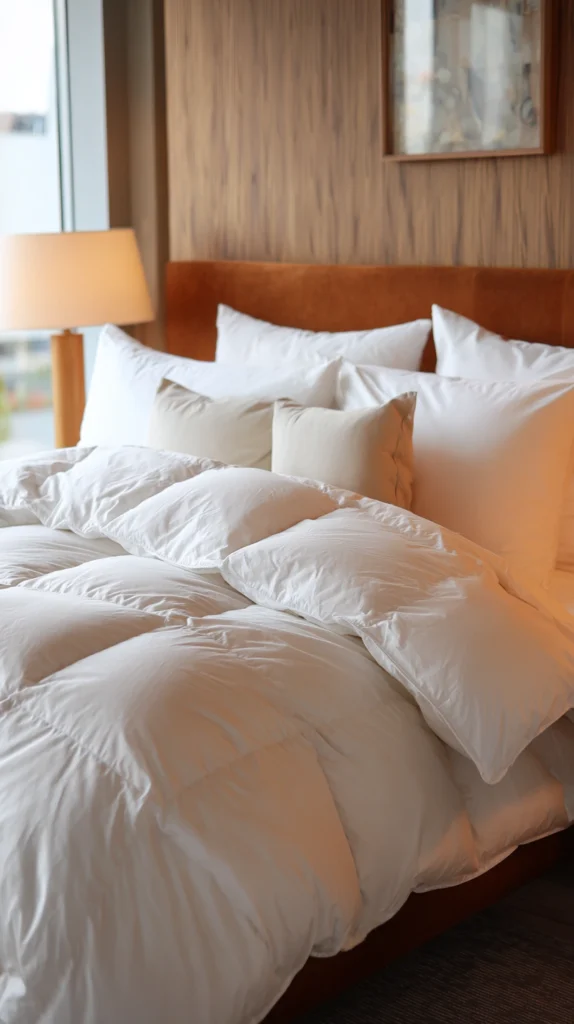
If you’ve ever wondered why boutique hotel beds look so much fluffier than yours, this is the secret. Use two duvet inserts inside a single duvet cover. This “over-stuffs” the bedding, creating a cloud-like volume that standard inserts can’t achieve on their own. Alternatively, use a down duvet for warmth and layer a second, thinner quilt or coverlet underneath it for a “staged” look.
5. Tone-on-Tone Earthiness
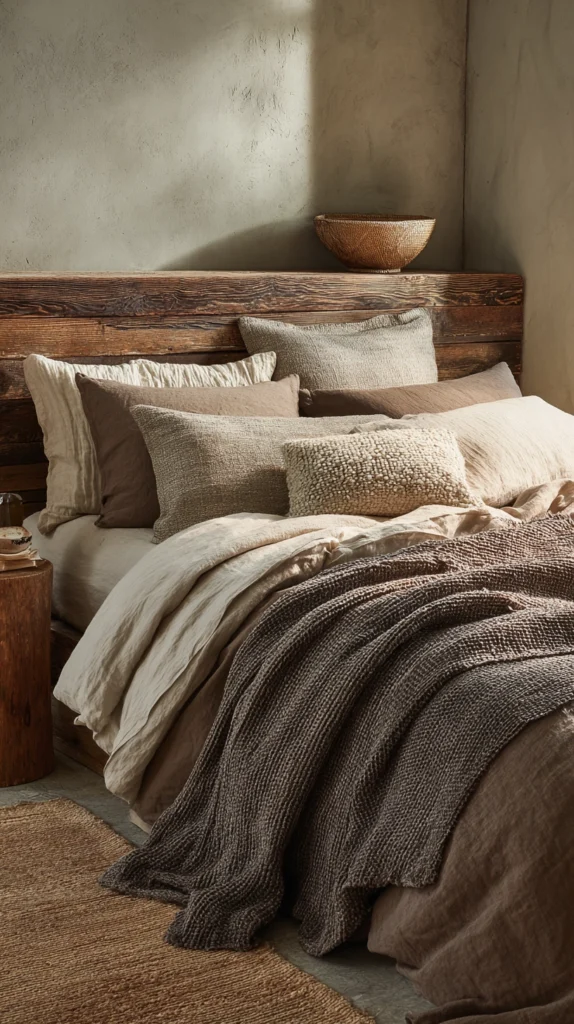
For a serene, designer aesthetic, choose a single color family—like terracotta, sage, or mushroom—and use four different shades of that color. Use the lightest shade for the sheets, a medium shade for the duvet, and the darkest, saturated tone for the lumbar pillow and the foot-of-the-bed throw. This “gradient” layering feels intentional and grounded, providing visual interest without the chaos of multiple patterns.
6. The European Sham Anchor
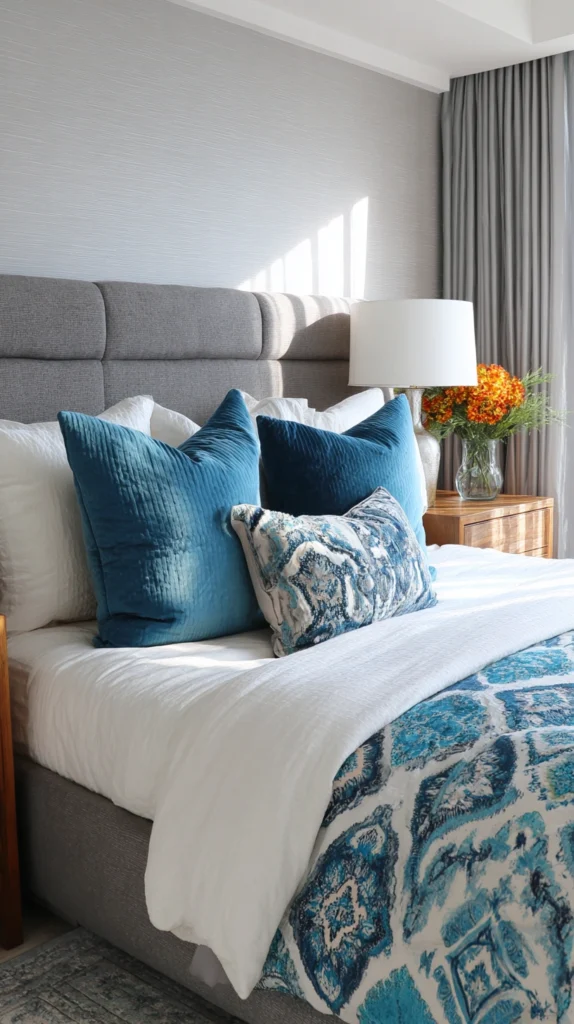
Designers rarely rely solely on standard sleeping pillows. To give the bed height and “authority,” use two or three large European shams (26×26 inches) at the very back, leaning against the headboard. These act as a backdrop for your standard pillows and decorative cushions. For a designer touch, choose a sham fabric that matches the headboard or the bed skirt rather than the sheets, which helps integrate the bedding into the furniture.
7. Mixing Linen and Velvet
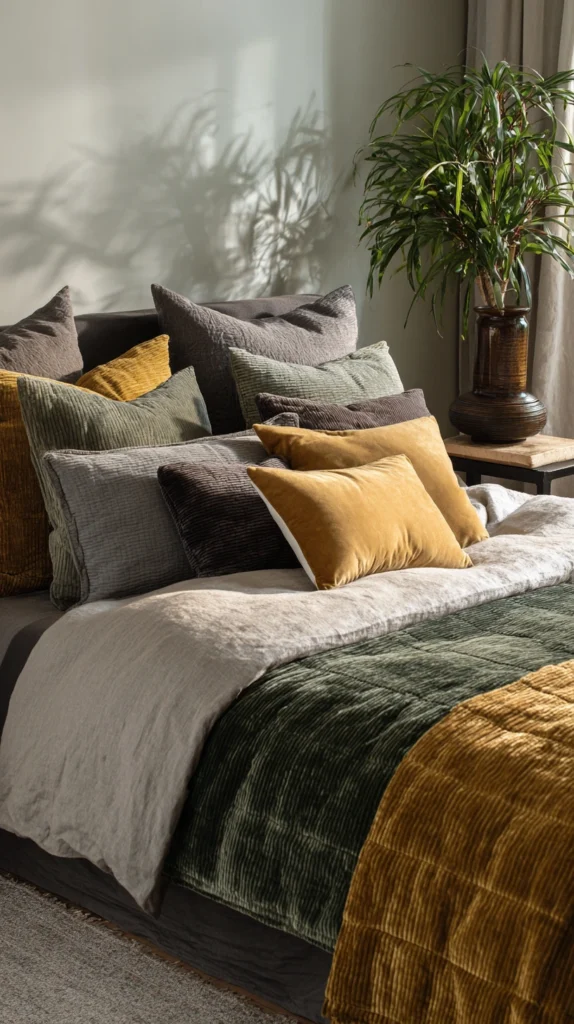
The most successful layered beds play with “fabric tension.” Pair the matte, slightly wrinkled texture of Belgian linen with the heavy, light-reflecting sheen of velvet. A linen duvet topped with a velvet lumbar pillow and a velvet quilt at the foot of the bed feels incredibly rich. The way these two fabrics interact with light adds a layer of sophistication that single-fabric beds lack.
8. The Vertical Stack
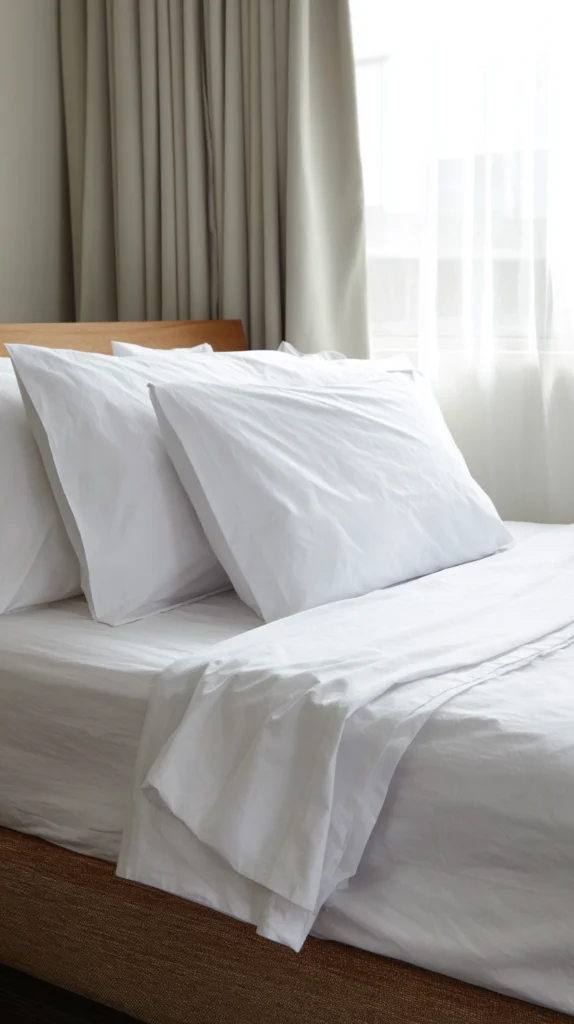
Instead of propping all your pillows upright, try the vertical stack for a clean, contemporary look. Lay your four standard sleeping pillows flat on top of each other (two on each side). Then, place a single long, oversized lumbar pillow across the front. This emphasizes the horizontal lines of the bed and creates a sleek, architectural look that is popular in modern minimalist design.
9. The Patterned Flat Sheet Peek-a-Boo
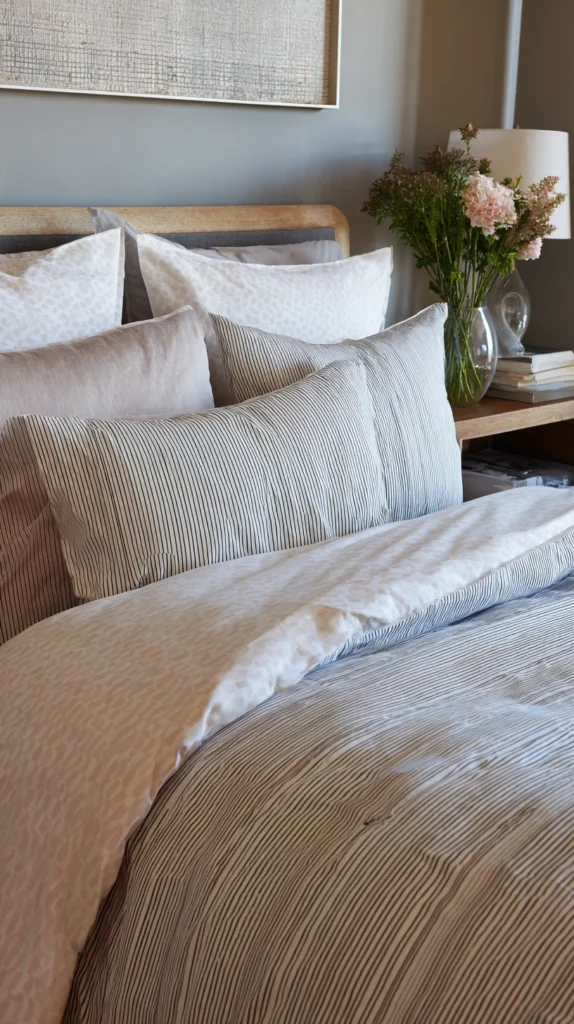
If you love pattern but are afraid of a “busy” bed, use a patterned flat sheet with a solid duvet. When you fold the duvet back, the pattern is revealed as a small, controlled accent. This adds a “hidden detail” that feels like a custom design choice. Look for micro-stripes or delicate botanical prints that won’t overwhelm the space.
10. The Oversized Coverlet Base
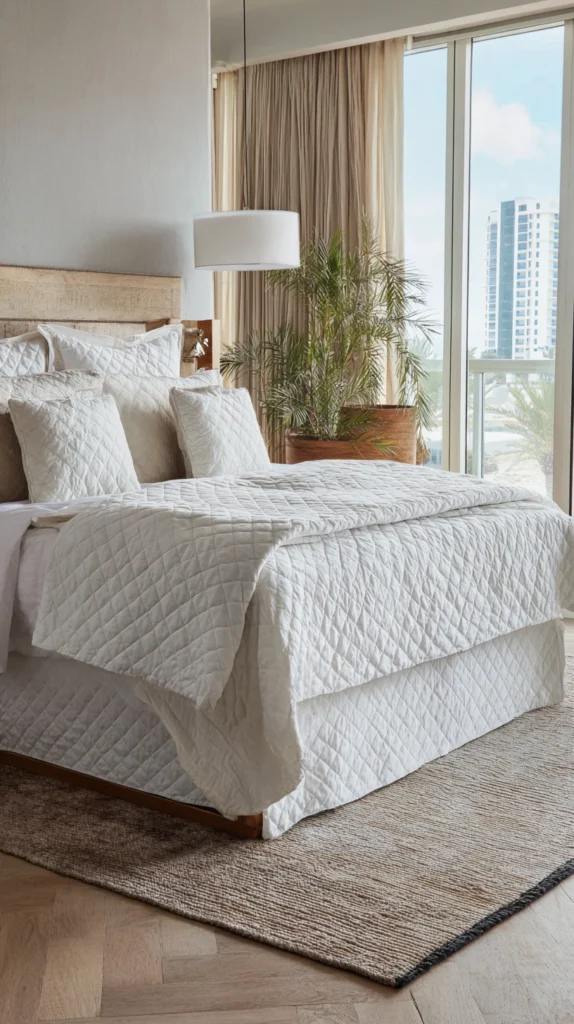
A common mistake is using a duvet that is too small for the bed. To fix this, use an oversized coverlet or quilt as your “base layer” that hangs low enough to cover the mattress and the bed frame. Then, place a slightly smaller, fluffier duvet on top, centered. This “tiered” hanging length creates a sense of luxury and ensures that no part of the bed frame or box spring is visible.
11. The “Hospital Corner” Foundation
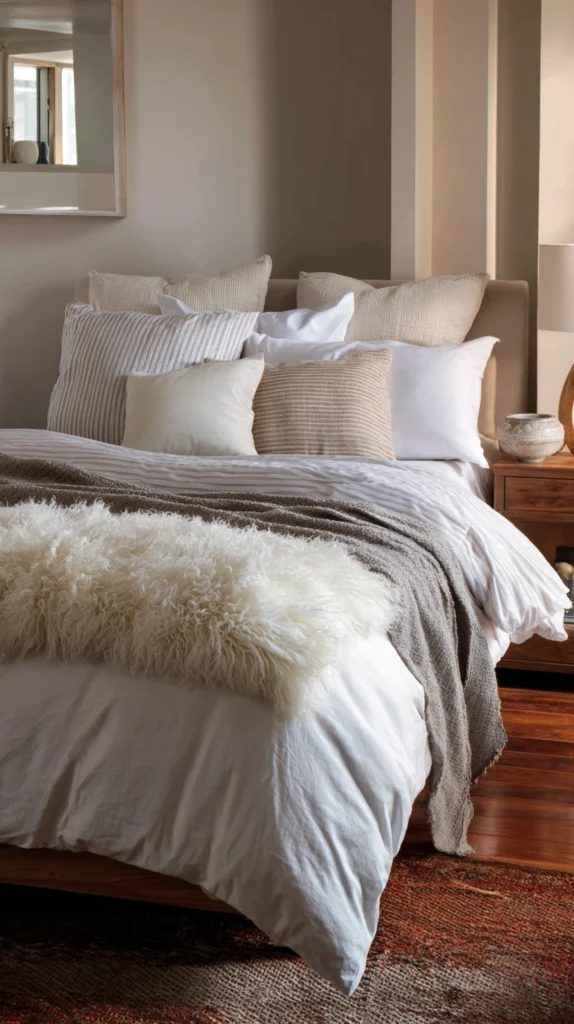
Layering isn’t just about what’s on top; it’s about the foundation. Designers swear by crisp, tight “hospital corners” for the flat sheet and the middle blanket. When the base layers are tight and architectural, the fluffier top layers (like the duvet and throw) look even more voluminous by comparison. It provides a structured “canvas” for the more decorative elements.
12. Seasonal Weight Layering
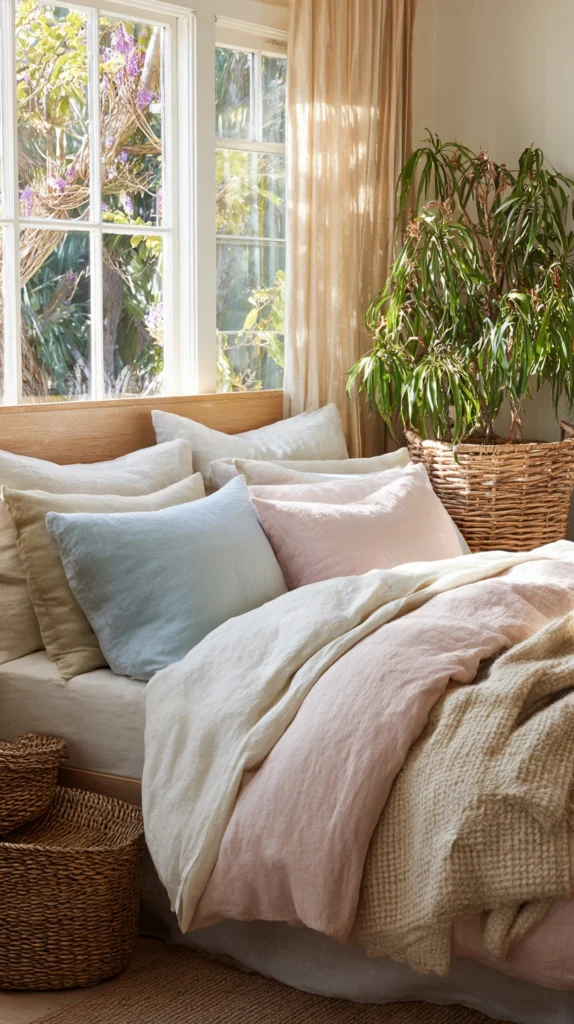
A designer bed changes with the calendar. In the spring and summer, layer a lightweight cotton coverlet over a silk-filled duvet. In the winter, swap the coverlet for a heavy-gauge wool blanket tucked between the sheet and the duvet. Not only does this provide the correct thermal comfort, but the visible change in “weight” and “bulk” reflects the mood of the season.
13. The Statement Lumbar Pillow
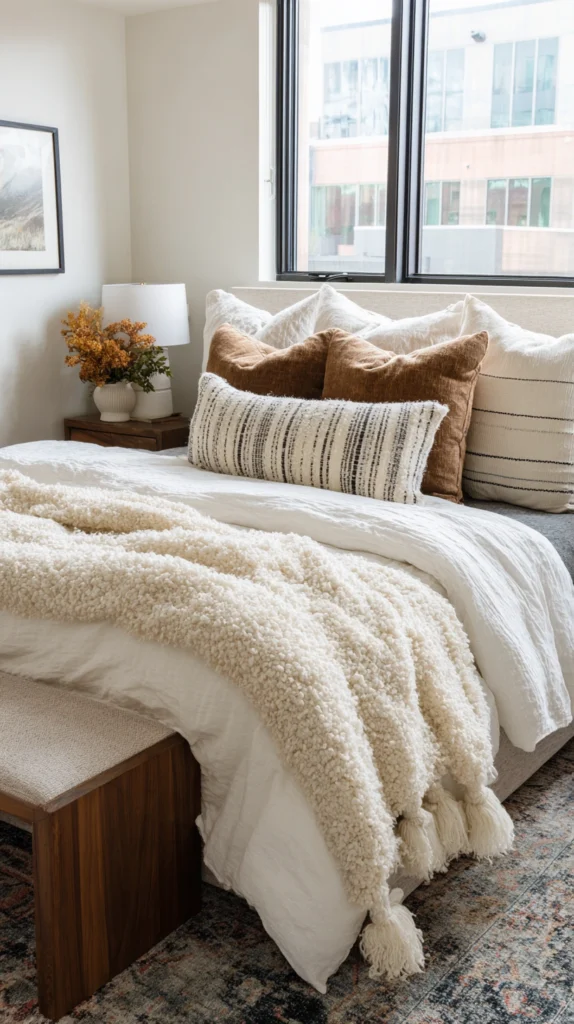
Sometimes, the “wow” factor comes from a single, final layer. Instead of a mountain of small “throw pillows” that end up on the floor, use one extra-long (36 to 48 inch) lumbar pillow. This “finishing touch” spans the width of the bed and ties all the other layers together. Choose a bold texture—like a chunky bouclé or a hand-woven kilim—to make it the undisputed star of the arrangement.
14. The Puddled Quilt
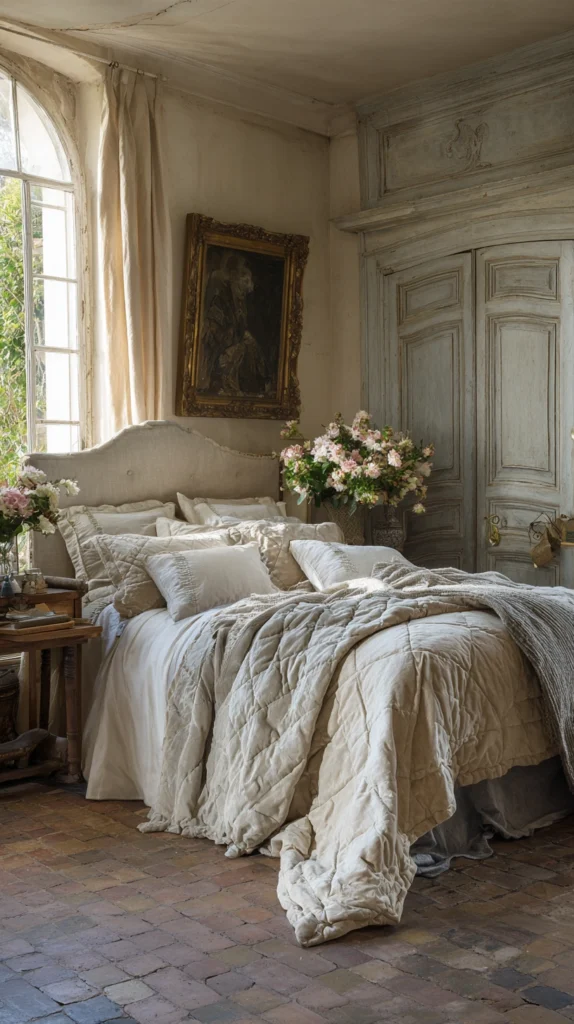
For a bed that feels like it belongs in a French chateau or a high-end villa, use a quilt or bedspread that is significantly larger than the bed, allowing the corners to “puddle” on the floor. This “excess” fabric creates a sense of opulence and grandeur. This works best in larger bedrooms where the extra fabric won’t become a tripping hazard, and it looks best in heavy, draped fabrics like cotton velvet or washed linen.
15. The “Quarter-Fold” Foot Blanket
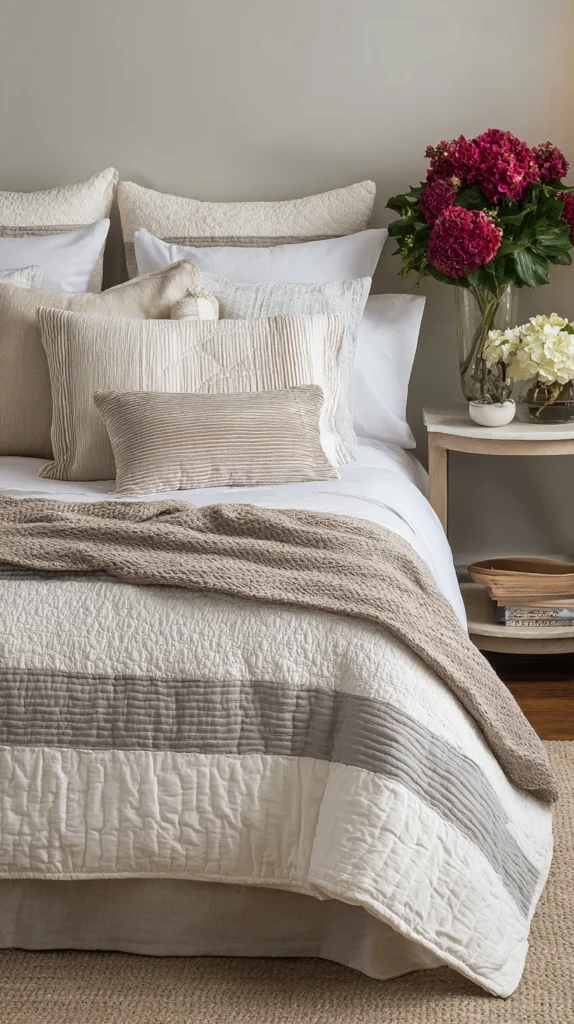
Instead of folding a blanket in half and laying it across the foot of the bed, try a “quarter-fold.” Fold a thin quilt into a long, narrow strip and lay it across the very bottom edge of the mattress. Then, take a heavier throw and fold it into a smaller square, placing it off-center on top of the strip. This layering of “layers on layers” at the foot of the bed adds incredible detail and makes the bed look professionally styled.
Mastering the layered bed is about understanding that more is usually more—provided there is a common thread of color or theme. By mixing weights, textures, and folding techniques, you can transform a simple mattress into a designer sanctuary. Remember that the “perfect” bed should look like it was designed to be slept in, not just looked at. The goal is a balance of structure and softness that invites you to dive in at the end of a long day.