15 Landscaping Ideas to Hide Utility Boxes
Utility boxes are one of the most persistent and most genuinely frustrating landscaping challenges available in any garden. They are permanent, unmovable, often positioned with complete indifference to the aesthetic quality of the surrounding landscape, and almost always required to remain accessible for maintenance visits.
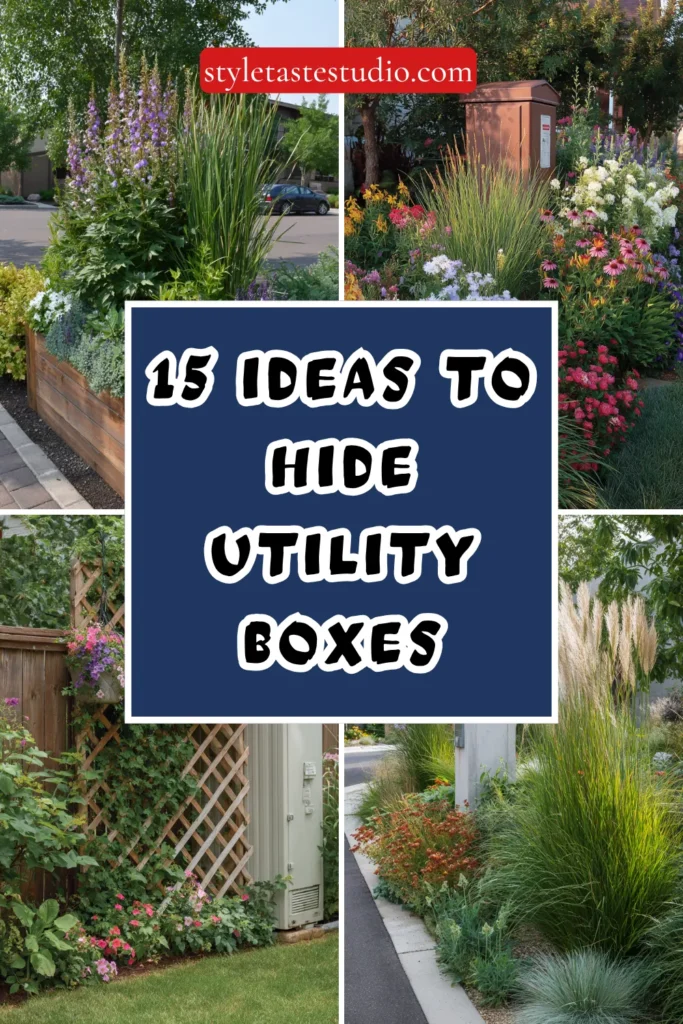
They cannot be buried, they cannot be enclosed permanently, and they cannot be positioned anywhere other than exactly where they already are. The challenge is to make them invisible — or at minimum considerably less visible — without compromising their accessibility or violating the service requirements of the utility provider.
Here are 15 landscaping ideas to hide utility boxes effectively and beautifully.
1. Dense Evergreen Shrub Planting
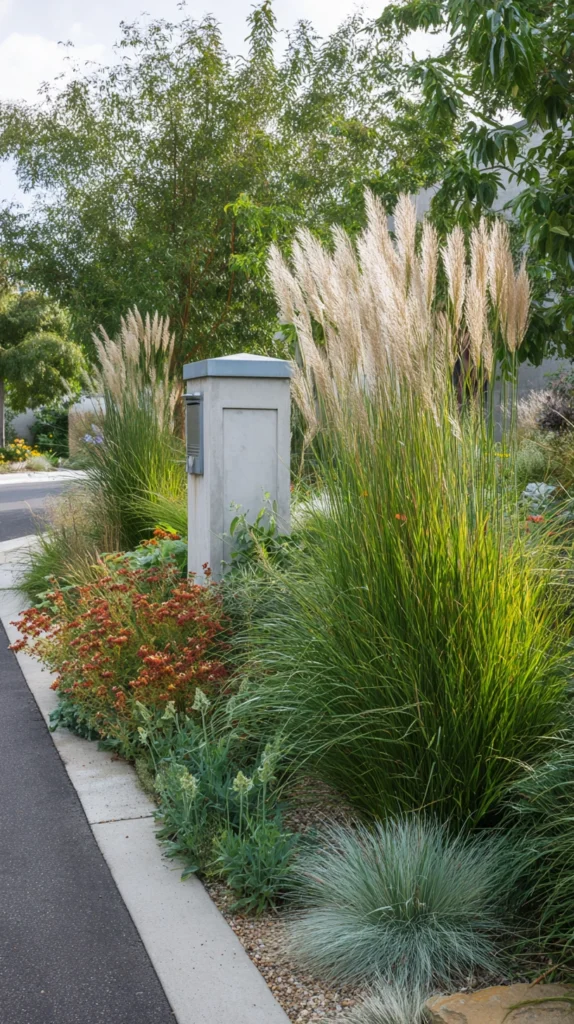
A planting of dense evergreen shrubs arranged in a loose grouping around the utility box — positioned to create a natural-looking planted mass that conceals the box from primary viewing angles while maintaining access from the service side — creates the most natural and most permanent concealment solution available.
Choose shrubs of a mature height that exceeds the utility box height by at least 30 centimetres. Viburnum, escallonia, photinia, and osmanthus all create dense evergreen screening of genuine beauty and complete year-round reliability.
Pro Tip: Plant evergreen screening shrubs at a distance of at least 60 centimetres from the utility box on all planted sides — maintaining a clear access path on the service side and preventing root systems from interfering with the box infrastructure as the plants mature.
Shrubs planted too close create root intrusion challenges, restrict maintenance access, and may violate the utility provider’s access clearance requirements — creating an expensive and disruptive removal and replanting problem in the future.
2. Ornamental Grass Screen
A planting of tall ornamental grasses — Miscanthus, Calamagrostis, or Pennisetum in generous drifts arranged around the utility box — creates a natural flowing screen of considerable seasonal beauty. Ornamental grasses in full summer growth create a concealment of remarkable effectiveness — the tall flowing culms and the abundant leaf mass creating a visual barrier of genuine natural quality that suits naturalistic and contemporary garden aesthetics equally well.
Pro Tip: Choose ornamental grass varieties that reach a mature height of at least 1.5 times the height of the utility box for effective visual concealment from a normal standing viewing distance. Grasses that only just reach the box height create a screen of marginal concealment effectiveness — the box visible above the grass tops from any slightly elevated viewing position. Grasses significantly taller than the box create genuine concealment from every normal garden viewing angle.
3. Trellis with Climbing Plants
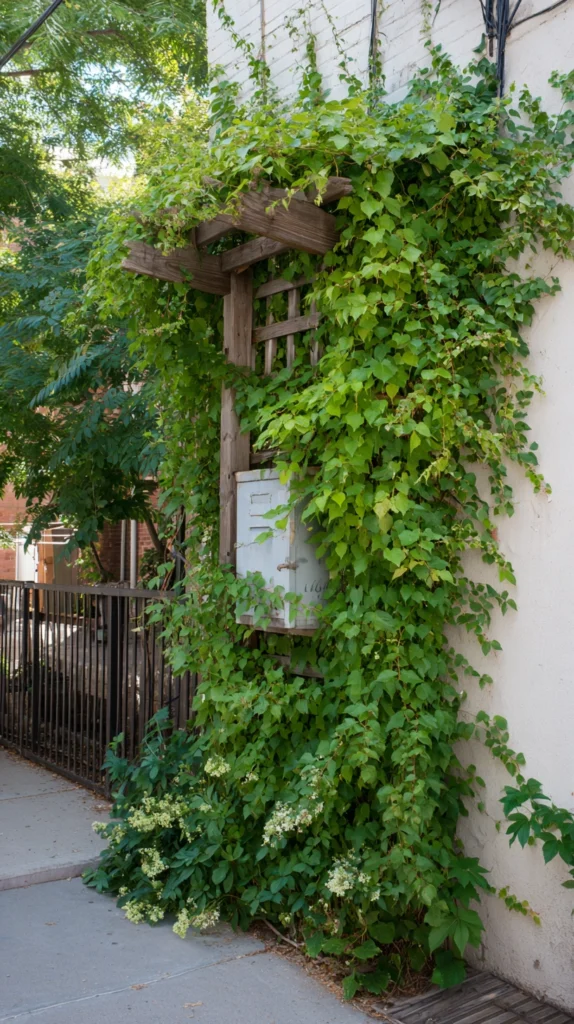
A trellis panel installed on a sturdy post framework beside the utility box — planted with climbing plants — creates a vertical screen of growing beauty that conceals the box behind a living wall of leaf and flower.
Evergreen climbing plants — climbing hydrangea, trachelospermum, or evergreen clematis varieties — maintain their screening effect throughout the year. Deciduous climbers — roses, large-flowered clematis, and wisteria — create spectacular seasonal displays but lose their concealment in winter.
Pro Tip: Install the trellis panel at a distance of at least 50 centimetres from the utility box on all sides — creating adequate clearance for maintenance access and adequate growing space for the climbing plant between the trellis and the box.
A trellis installed flush against a utility box creates an impossible access situation — the trellis must be dismantled for every service visit, creating damage to the climbing plant that accumulates with every maintenance cycle.
4. Decorative Garden Screen Panel
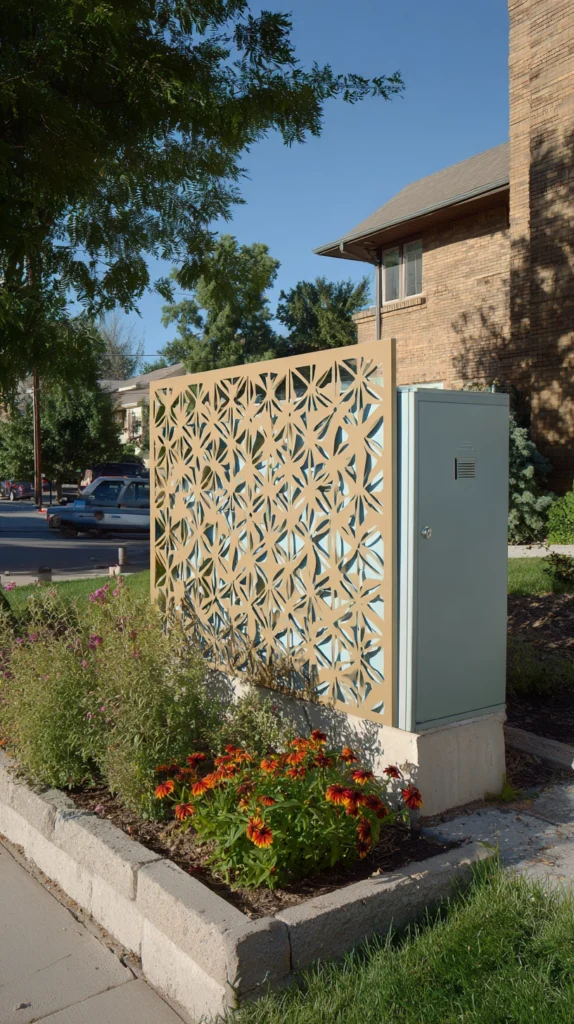
A purpose-designed decorative garden screen panel — timber, metal, or composite in a decorative laser-cut or slatted design — installed on a post framework in front of the utility box creates an immediately attractive concealment of considerable visual quality.
Purpose-designed garden screens are available in an enormous range of decorative patterns — geometric designs, botanical motifs, abstract patterns, and simple horizontal or vertical slatted formats — creating a screen that functions as a genuine garden decorative feature.
Pro Tip: Choose a decorative screen panel in a material and finish that complements the surrounding garden aesthetic. A dark powder-coated metal screen suits contemporary garden designs.
A natural timber slatted screen suits traditional and cottage garden aesthetics. A screen that references the aesthetic language of the surrounding garden looks like a designed garden feature. A screen in a discordant material or pattern looks like a hastily installed concealment measure regardless of the quality of its construction.
5. Fake Rock or Boulder Cover
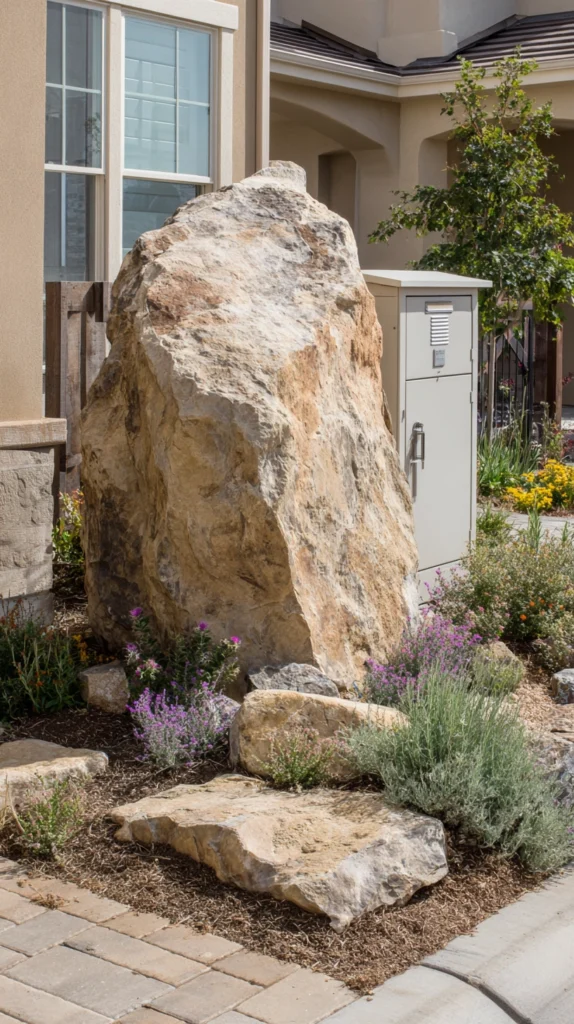
A purpose-designed fake rock or artificial boulder — a lightweight fibreglass or resin shell designed specifically for utility box concealment in realistic granite, sandstone, and fieldstone finishes — creates the most complete and most immediately effective concealment available in a naturalistic garden setting. The fake rock is placed directly over or beside the utility box, providing complete visual concealment while remaining easily removable for service access — lifted by a single person without tools.
Pro Tip: Choose a fake rock in a tone and texture that references genuine stones or boulders already present in the surrounding garden. A fake rock in a texture and color completely different from the garden’s existing stone materials immediately reveals its artificial nature.
A fake rock that matches the local stone character of the surrounding landscape reads as a genuine boulder — creating the most convincing and most genuinely natural-looking utility box concealment available at any budget level.
6. Raised Planter Surround
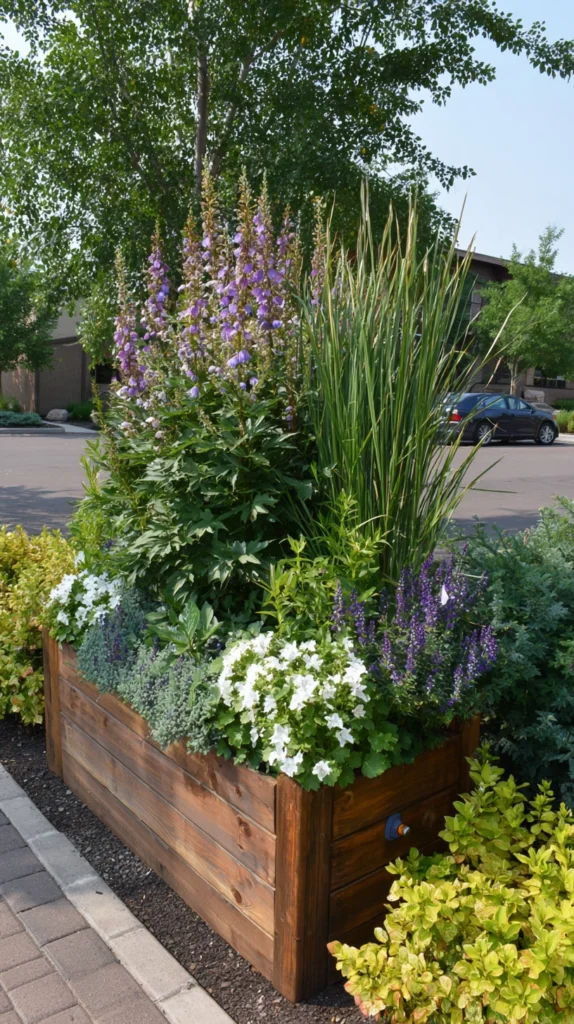
A raised planter constructed around three sides of the utility box — with generous planting of seasonal and evergreen plants that exceeds the height of the box — creates a planted concealment of considerable visual warmth and genuine garden beauty.
The raised planter provides additional growing depth for the screening plants, creates a defined planted feature that reads as a deliberate garden element, and maintains complete service access from the open fourth side.
Pro Tip: Construct the raised planter from the same material as other raised planters, garden walls, or hard landscape elements already present in the garden.
A raised planter in matching timber, brick, or stone creates the impression of a considered garden feature that has always been part of the design. A raised planter in a contrasting or discordant material creates the impression of a subsequent addition made for functional rather than aesthetic reasons.
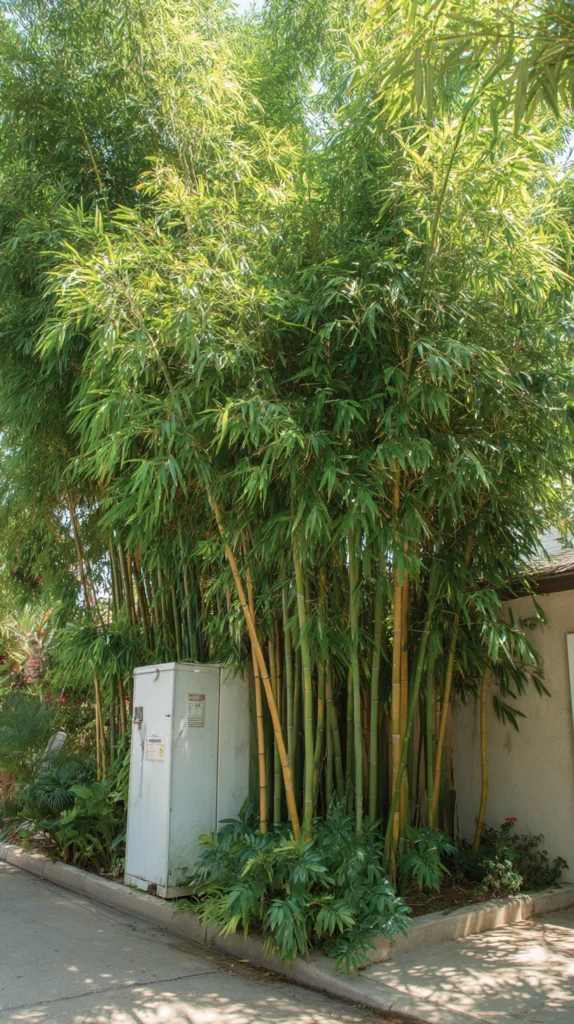
7. Bamboo Screen Planting
Clump-forming bamboo varieties planted in a linear arrangement beside the utility box create a fast-growing, dense, and dramatically beautiful screening solution of considerable year-round effectiveness.
Bamboo establishes quickly and creates a visual barrier of extraordinary density — the tightly packed culms and the abundant leaf mass creating a screening effect of remarkable effectiveness within two to three growing seasons from planting.
Pro Tip: Use clump-forming bamboo varieties rather than running bamboo for utility box screening.
Running bamboo spreads aggressively via underground rhizomes that rapidly colonize the surrounding garden and the utility box infrastructure — a genuinely difficult and genuinely expensive problem to remediate once established. Clump-forming bamboo — Fargesia and Thamnocalamus species — remains contained within its planted footprint and creates the beautiful bamboo screen without any of the invasive rhizome problems.
8. Garden Shed or Storage Structure
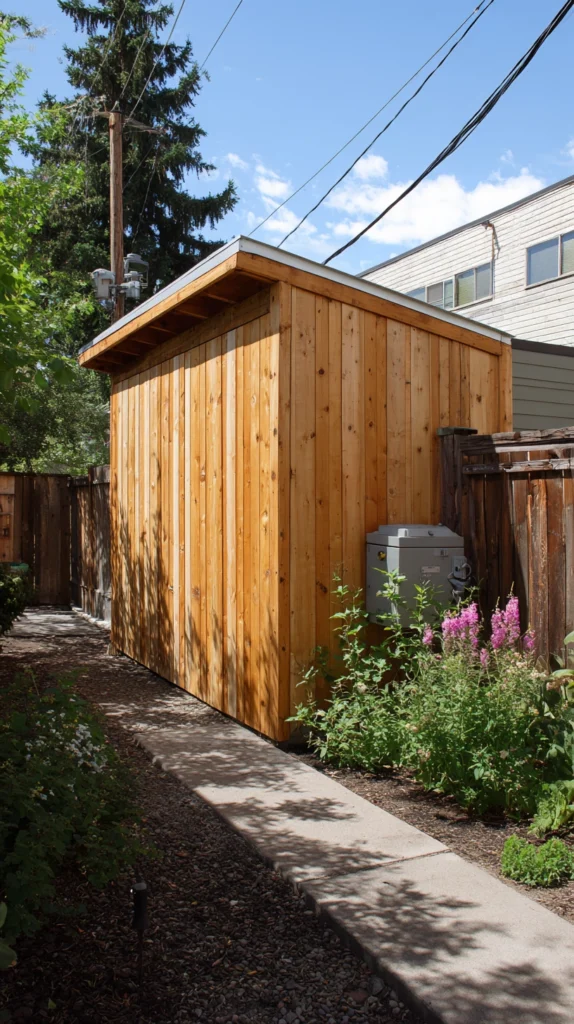
Positioning a small garden shed or purpose-built outdoor storage structure immediately adjacent to the utility box — aligned so that the shed wall faces the primary viewing direction and the box is visually absorbed behind or beside the structure — creates a concealment of genuine practical value and considerable visual improvement.
The garden shed or storage structure provides a genuine functional purpose in addition to its concealment function — adding value to the garden beyond the purely visual improvement of hiding the utility box.
Pro Tip: Confirm the minimum clearance distance required by the utility provider before positioning any permanent structure adjacent to a utility box. Most utility providers specify a minimum clearance — typically 60 to 90 centimetres — on all sides of the box for unobstructed maintenance access.
A permanent structure positioned within the required clearance creates a utility access problem that may require the structure to be relocated at the homeowner’s expense during a future maintenance visit.
9. Perennial Garden Border
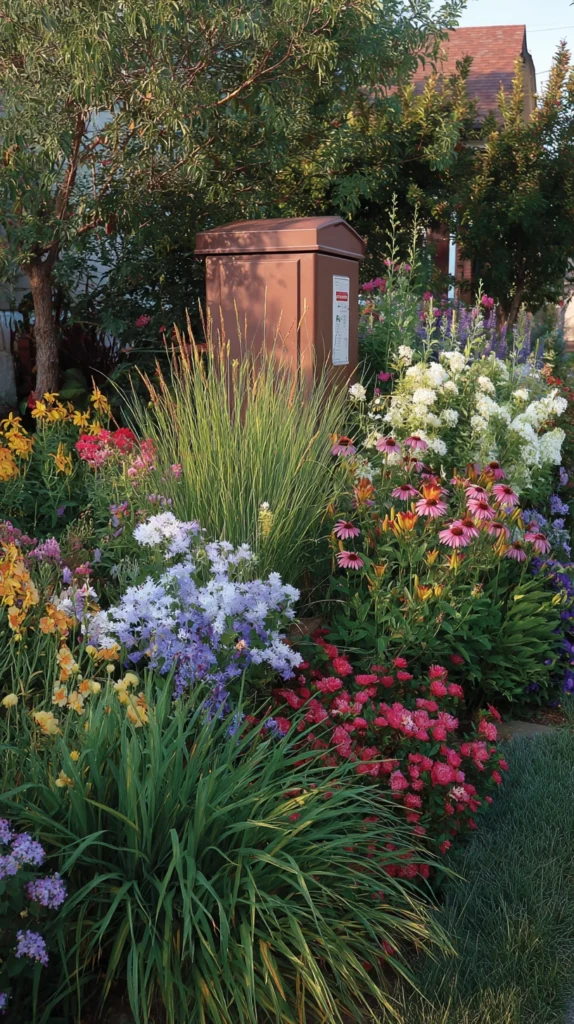
Planting a generous perennial garden border around the utility box — a mixed planting of tall perennials, ornamental grasses, and structural plants that conceals the box from primary viewing angles — creates a concealment of genuine seasonal beauty and complete integration with the surrounding garden landscape. The perennial border conceals the utility box within the context of a genuine planting feature rather than creating an obviously constructed screen around it.
Pro Tip: Include tall structural perennials — Verbena bonariensis, Echinops, Thalictrum, and ornamental grasses — that maintain adequate height and density throughout the growing season for effective utility box concealment.
Low-growing perennials provide beautiful garden planting but insufficient height for concealment — requiring the combination of tall structural species with lower decorative species for a border that is both beautiful and genuinely effective throughout the spring to autumn growing season.
10. Picket Fence Enclosure
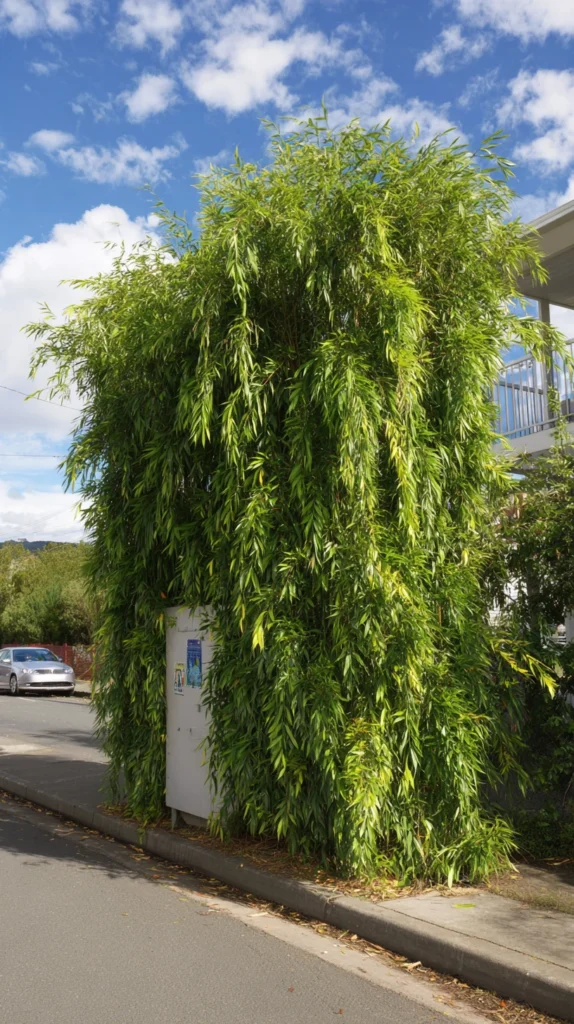
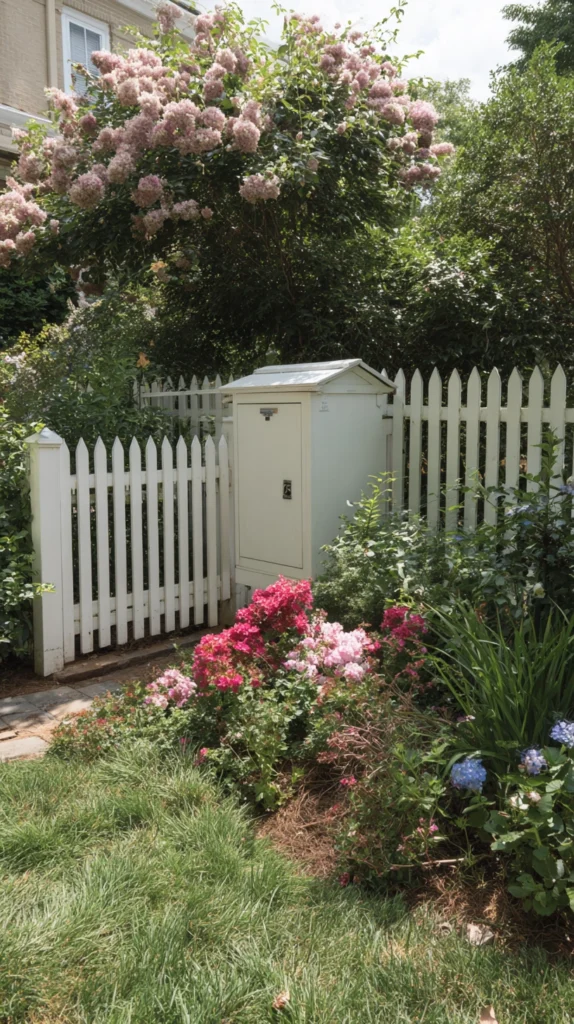
A three-sided picket fence enclosure — painted timber picket fence panels installed on three sides of the utility box with the fourth side left open for service access — creates a concealment of considerable traditional domestic charm and genuine visual improvement.
The picket fence enclosure suits cottage, traditional, and farmhouse garden aesthetics with complete natural ease — the warm painted timber creating a concealment feature of genuine decorative quality.
Pro Tip: Paint the picket fence enclosure in the same color as the house exterior trim or other painted timber elements already present in the garden. A picket enclosure in a matching painted color creates the impression of a considered unified garden design. A picket enclosure in a contrasting or unrelated color creates the impression of a functional addition made without reference to the existing garden aesthetic — partially undermining the concealment’s visual effectiveness.
11. Living Willow Screen
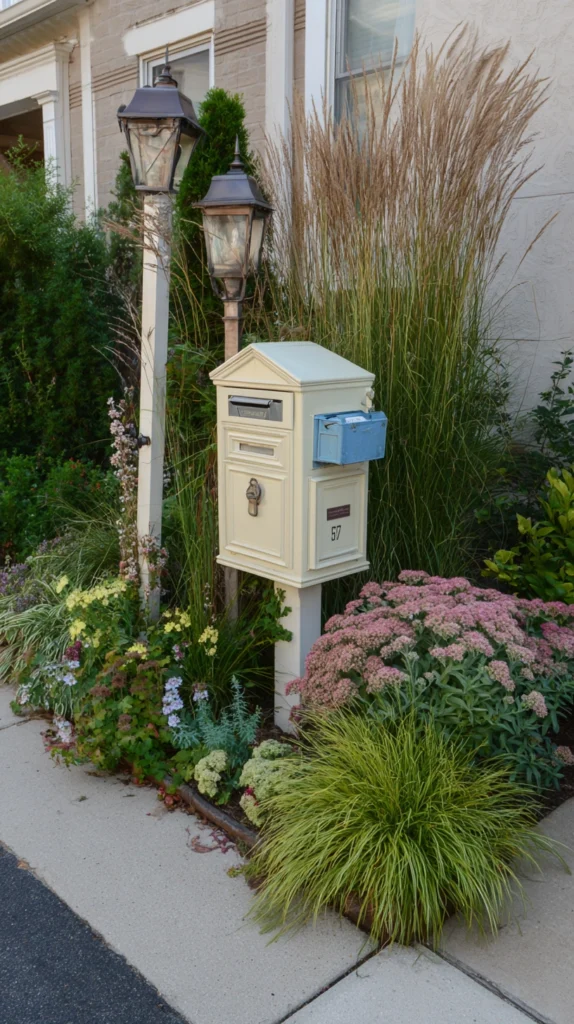
A living willow structure — willow rods planted in the ground and woven into a screen formation that grows and leaves out to create a living botanical concealment — creates a utility box screening solution of extraordinary organic beauty.
Living willow structures establish quickly, create a dense leafy screen within a single growing season, and become progressively more beautiful and more structurally established with every subsequent year of growth.
Pro Tip: Plant living willow screens with a clear access path maintained between the willow structure and the utility box on the service side — weaving the willow rods to create a dense screen on the primary viewing side while leaving a defined open access corridor on the maintenance side.
A living willow structure that completely encloses a utility box creates an access problem — the willow must be cut and damaged for every service visit rather than simply walked around.
12. Decorative Cluster Feature
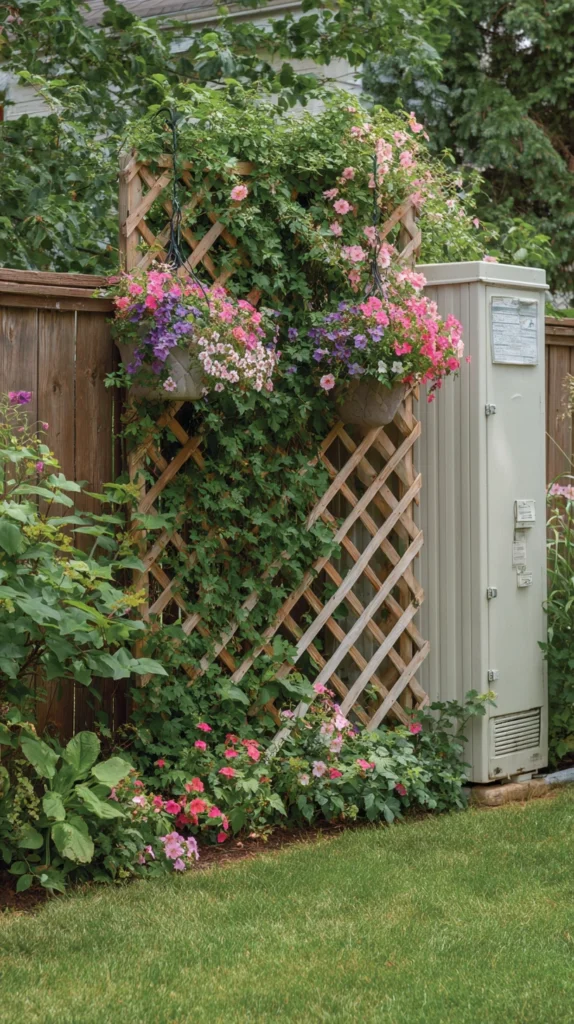
Grouping the utility box within a deliberately designed cluster of outdoor elements — a decorative mailbox, a house number sign, a garden lantern, and a small ornamental planting — creates a concealment strategy that works by making the utility box appear to be a deliberate element of a designed garden feature group rather than an isolated functional object. The cluster approach integrates the box within a composed, considered outdoor display.
Pro Tip: Position the most visually attractive element of the cluster — the mailbox, the lantern, or the planting — at the most prominent position from the primary viewing direction, with the utility box positioned behind or beside it.
The eye naturally travels to the most visually interesting element of a grouped composition — positioning attractive elements prominently draws the viewer’s attention away from the utility box without physically concealing it.
13. Lattice Panel Garden Feature
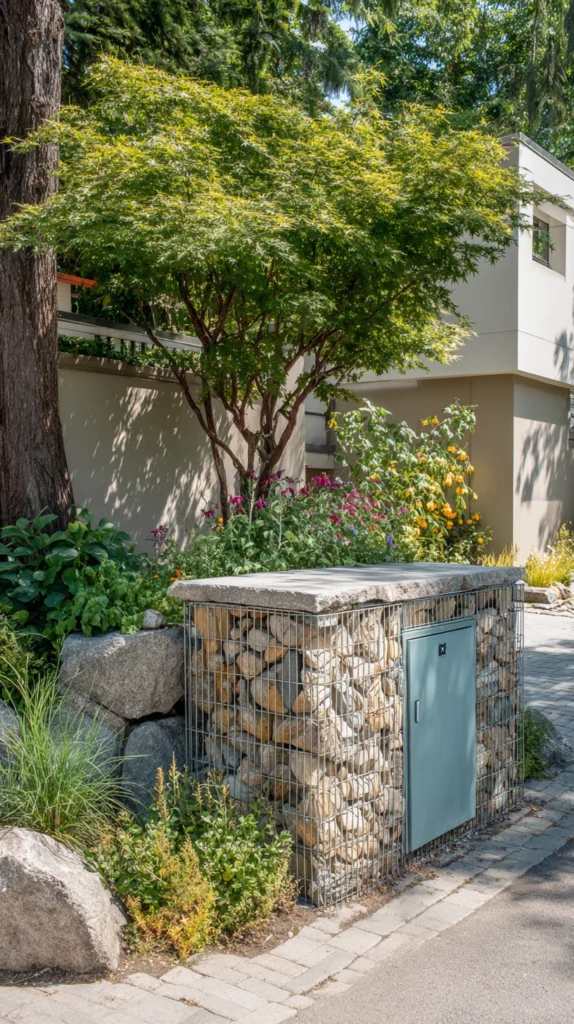
A decorative lattice screen installed on a post framework and dressed with climbing plants, hanging baskets, and decorative garden accessories creates a utility box concealment of considerable decorative character and genuine garden feature quality.
The lattice panel creates a visual backdrop for the surrounding garden planting and accessories while concealing the utility box behind a genuinely attractive garden display that improves throughout the growing season.
Pro Tip: Install the lattice panel at right angles to the primary viewing direction rather than directly in front of the utility box. A diagonal or angled installation creates a concealment that works from a wider range of viewing positions than a panel installed directly in front of the box. A panel directly in front conceals the box effectively from only a narrow frontal viewing direction. An angled panel conceals it effectively from a much wider arc of viewing angles.
14. Stacked Stone or Gabion Feature Wall
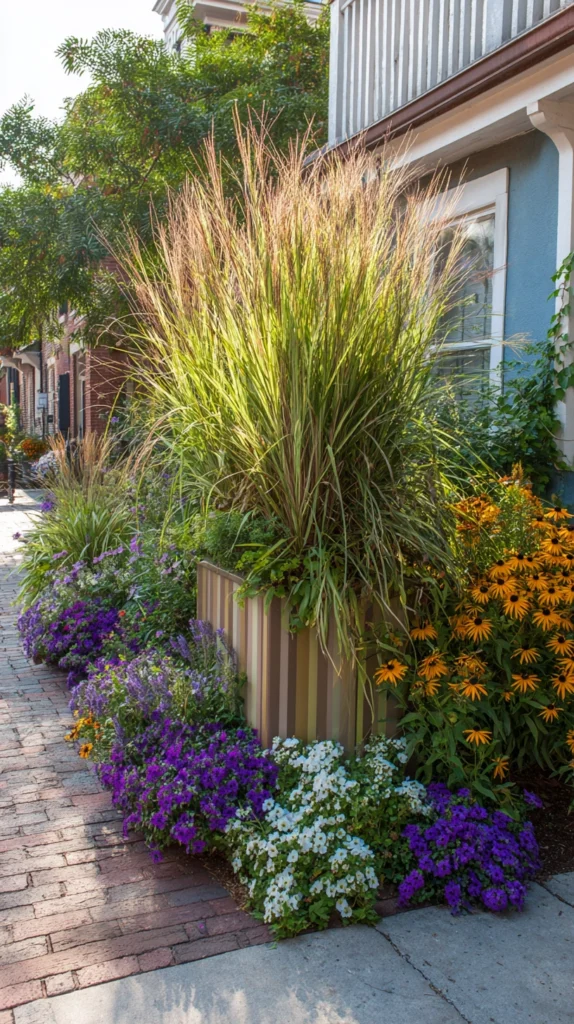
A low stacked stone wall or a gabion cage filled with decorative stone — positioned in front of the utility box to create a partial visual screen of genuine material quality — creates a concealment of considerable natural beauty and permanent material credibility.
The stacked stone or gabion feature wall reads as a genuine landscape design element rather than an obviously constructed concealment measure — a retaining wall, a garden boundary, or a decorative rock feature.
Pro Tip: Design the stacked stone or gabion feature wall as a genuine landscape element that serves a secondary function beyond utility box concealment — a low retaining wall that creates a level planting bed or a garden boundary that defines a path edge.
A feature wall designed with a genuine landscape function beyond its concealment role reads as a considered design element. A feature wall positioned exclusively to screen a utility box reads as a concealment measure regardless of the quality of the material used.
15. Seasonal Container Planting Display
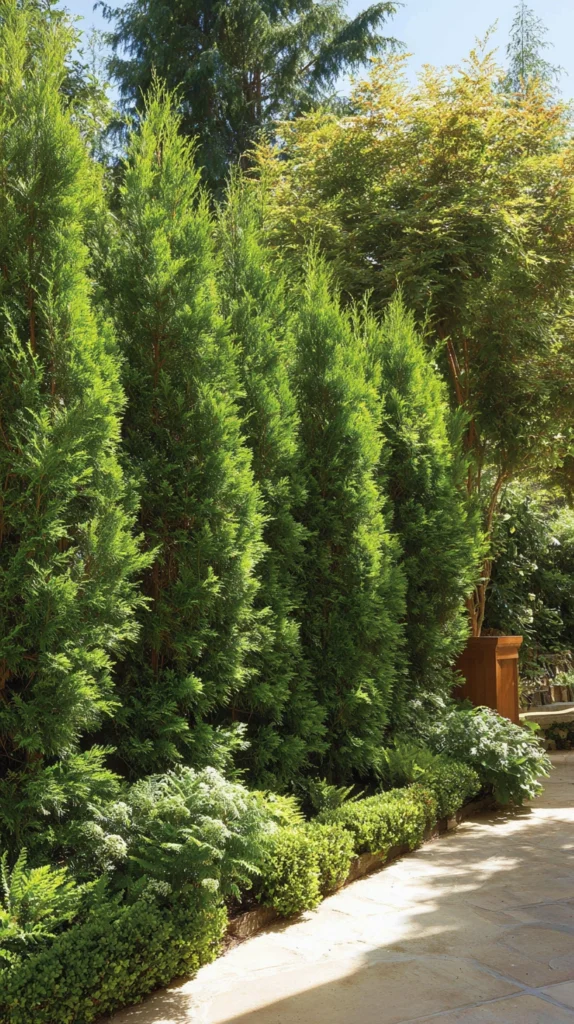
A generous display of tall seasonal container plants — large pots of varying heights filled with tall grasses, structural shrubs, and seasonal flowering plants — arranged in a loose grouping around the utility box creates a flexible movable concealment of considerable visual beauty and complete practical accessibility.
The container display is immediately removable for service access — the pots simply moved aside for the duration of the maintenance visit and replaced immediately after.
Pro Tip: Choose the largest available containers — pots of at least 50 centimetres in diameter and 50 centimetres in height — for a display that creates genuine visual mass and genuine concealment effectiveness.
Small pots grouped around a utility box create a concealment of minimal effectiveness — the box visible above and between the small containers from every normal garden viewing angle. Large containers filled with tall plants create the visual mass that genuine concealment requires.
Hide It Well and Hide It Beautifully
A utility box concealed with genuine landscape intelligence looks like a garden feature. A utility box concealed with simply whatever was available looks like a utility box with something in front of it. Choose the concealment strategy that suits the garden aesthetic, the box position, and the service access requirements.
Execute it with the material quality and the planting generosity that any permanent garden feature deserves. And discover that a well-concealed utility box is one of those genuinely satisfying garden improvements — invisible when done well and impossible to forget when done poorly.