15 Gravel Border Ideas for Your Garden
The gravel border is one of the most underrated and most practically intelligent design tools available to the home gardener. Its reputation as the low-maintenance alternative to the planted border, while accurate, undersells the genuine aesthetic quality that the well-designed gravel border creates in the domestic garden.
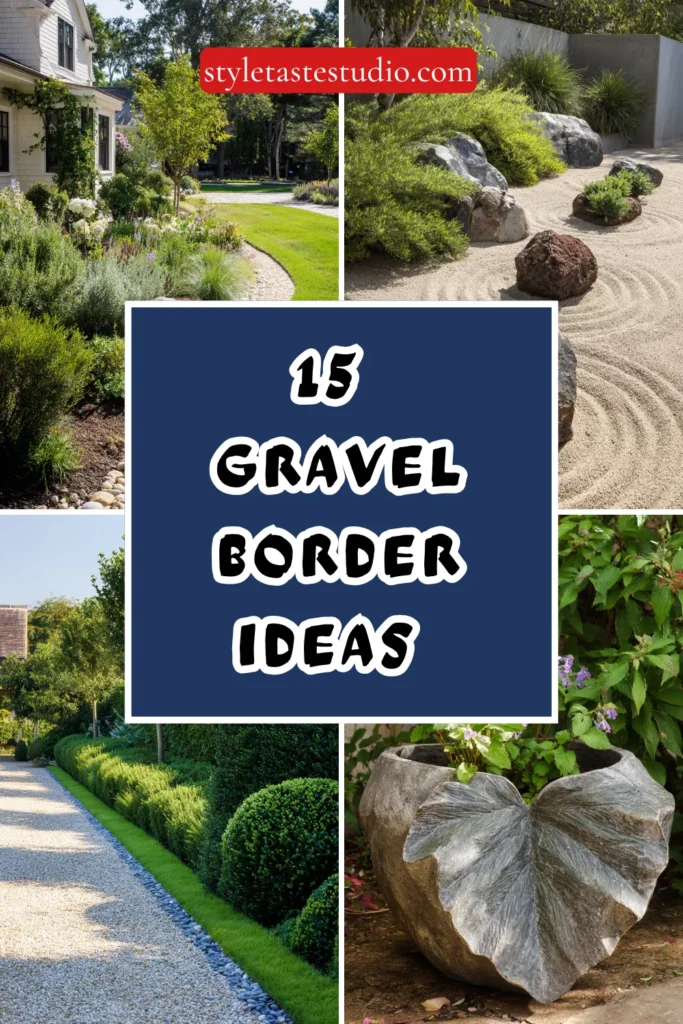
The gravel border is not simply the absence of a lawn edge or the replacement of a planted bed with a decorative aggregate. It is a specific garden design element with its own aesthetic character, its own planting logic, and its own specific qualities of light reflection, drainage, and material warmth that the planted border and the lawn edge cannot replicate. Here are fifteen gravel border ideas that bring genuine design intelligence and genuine visual quality to every garden.
1. The Mediterranean Drought-Tolerant Border
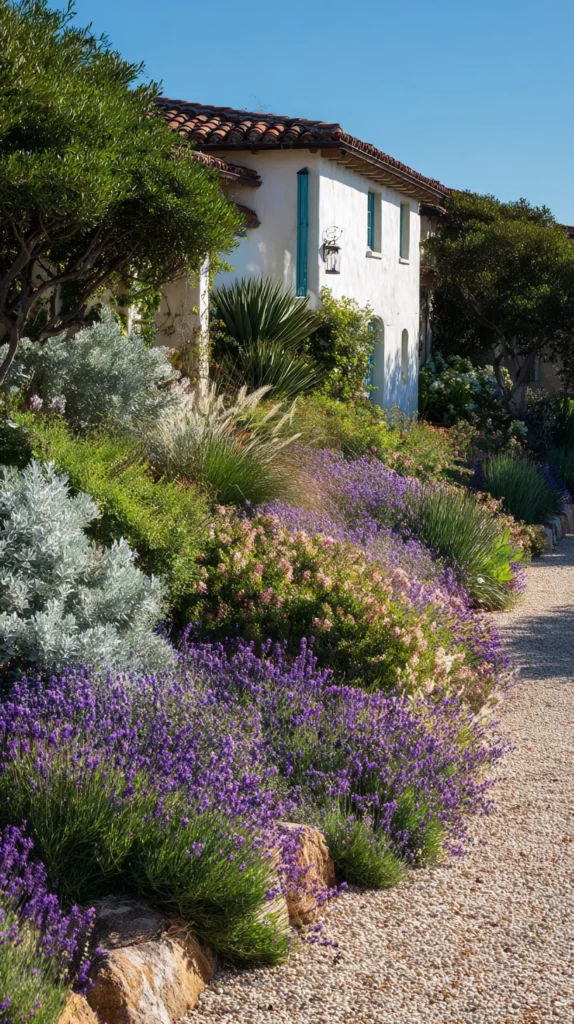
A gravel border planted with the drought-tolerant species of the Mediterranean garden tradition, lavender, rosemary, cistus, and the various silver-foliaged shrubs of the sun-baked hillside landscape, creates the garden’s most self-sufficient and most atmospherically evocative planting within the gravel medium. The gravel mulch replicates the free-draining, mineral soil conditions of the Mediterranean habitat that these plants evolved to thrive in.
Use a gravel of pale, warm tone for the Mediterranean border. A crushed limestone or a cream-colored pea gravel creates the hot, reflective surface that amplifies the warmth the Mediterranean plants require and creates the visual quality of the sun-bleached landscape that the planting references. The gravel’s warmth and the plants’ silver foliage create the border’s complete Mediterranean aesthetic.
2. The Cottage Garden Gravel Path Border
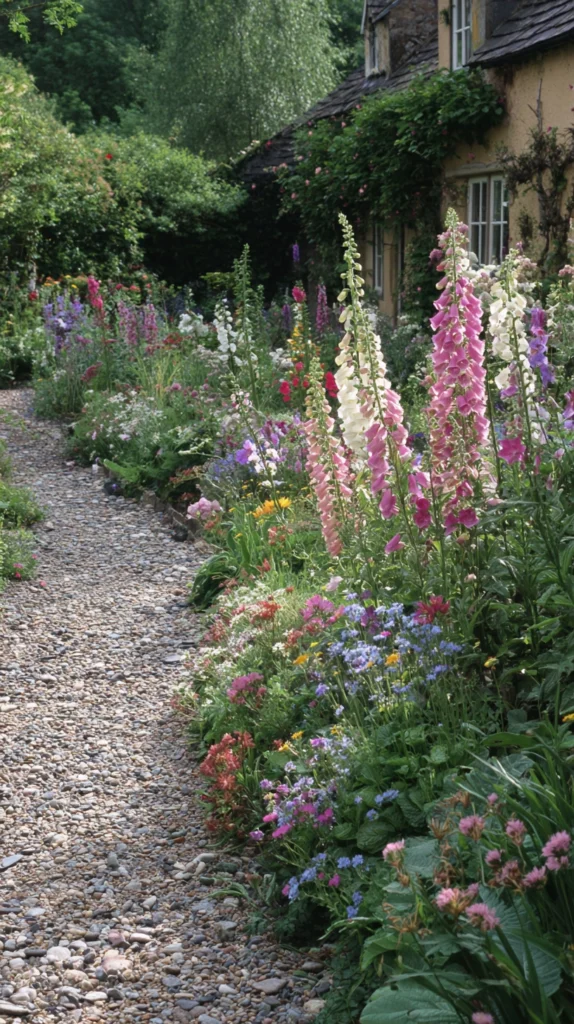
A gravel border running alongside a garden path, its planting of cottage garden perennials allowed to self-seed and spread into the gravel’s surface, creates the informal, abundant quality of the cottage garden at its most genuinely naturalistic. The gravel provides the free-draining surface that the self-seeding plants colonize with the specific spontaneity of the truly naturalistic garden.
Allow the self-seeding plants to establish in the gravel without removing every seedling that appears outside the formally planted zone. The plants that seed into the gravel path’s edge create the specific quality of a garden that is alive and self-generating rather than statically maintained. Foxgloves, aquilegias, and verbena bonariensis all self-seed into gravel with the generous naturalness that the cottage garden aesthetic requires.
3. The Japanese Gravel and Stone Border
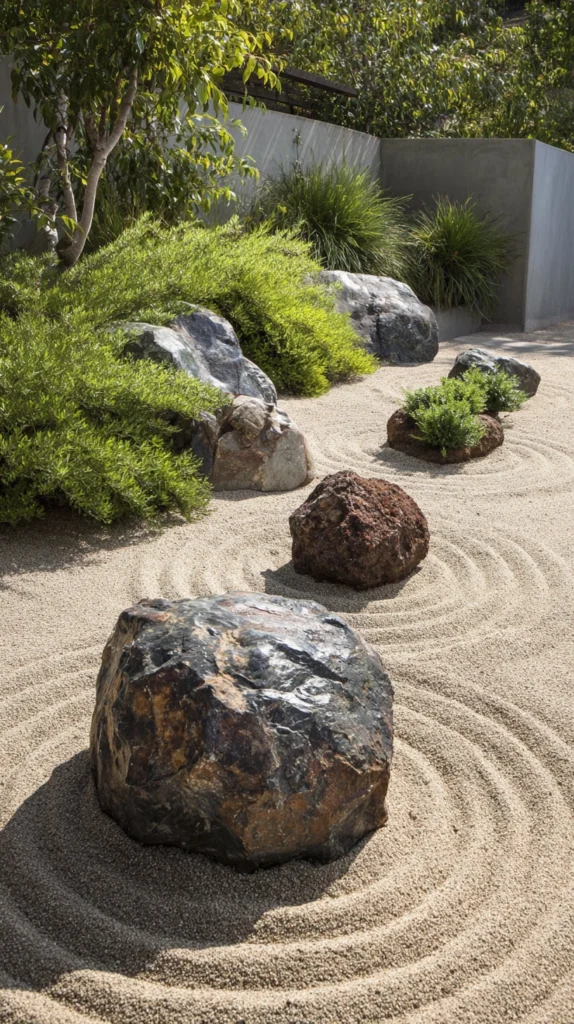
A border of raked gravel with carefully placed stones of varied size and form, each stone positioned with deliberate intention within the raked surface, creates the garden border of most meditative and most compositionally precise character. The Japanese garden tradition’s use of stone and gravel as the primary compositional materials creates the border whose beauty is entirely independent of the flowering season.
Rake the gravel in a consistent pattern of parallel lines or concentric circles around the placed stones, creating the pattern that communicates the movement of water around the permanent presence of the stone. The raked pattern requires regular maintenance to sustain its precise quality, but this maintenance act is itself one of the Japanese garden tradition’s most valued meditative practices.
4. The Gravel and Ornamental Grass Border
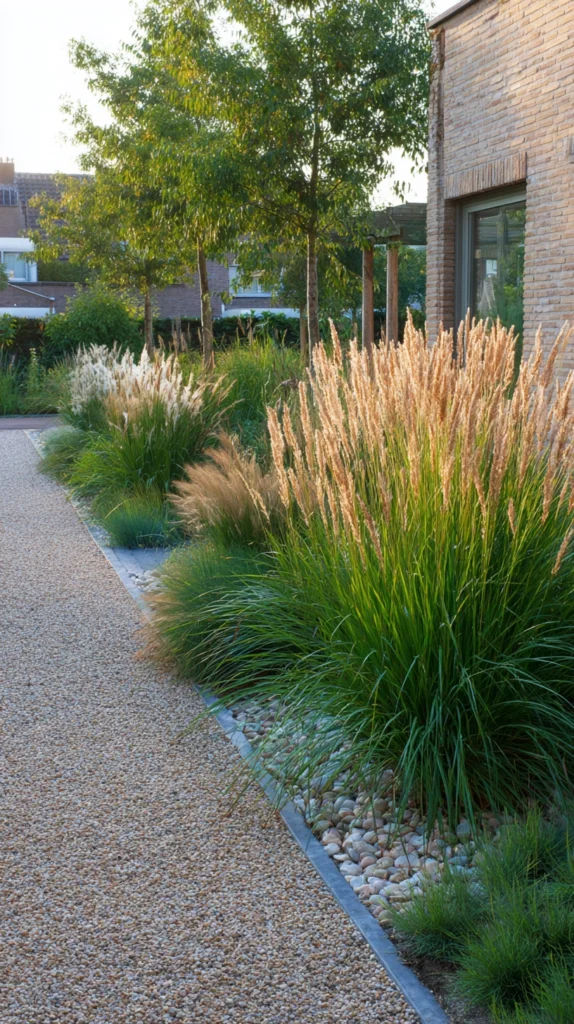
A gravel border planted with ornamental grasses of varied height and form creates the garden’s most dynamic and most movement-filled planting composition. The grasses’ response to every air movement, their plumes and their leaves registering even the lightest breeze with a visible trembling quality, creates the gravel border of continuous, living animation.
The gravel mulch beneath the ornamental grasses creates the clean, mineral surface that shows the grasses’ forms at their most architecturally complete. Without the visual competition of other plants at ground level, each grass’s specific form, its height, its color, and its texture, is visible in its entirety from every viewing angle within the garden.
5. The Modernist Gravel and Specimen Plant Border
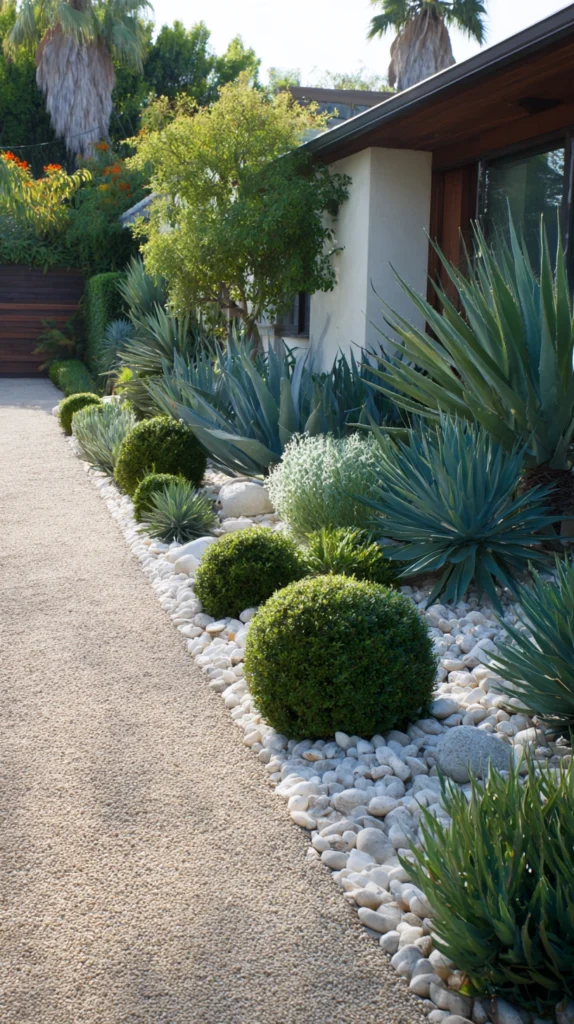
A border of consistently raked fine gravel containing a single species of specimen plant repeated at regular spacing, an agave, a phormium, or a ball-shaped clipped box, creates the modernist garden border of most architectural precision and most deliberately composed visual quality. The repetition of the single specimen creates the rhythm of the formal planting tradition expressed through the simplest possible plant selection.
Choose the specimen plant for its year-round structural quality rather than its seasonal flowering performance. The modernist gravel border’s beauty depends on the consistent presence of its architectural elements throughout every month of the year, and a plant whose primary quality is its summer flower rather than its permanent form creates the border of seasonal inconsistency that the modernist aesthetic specifically resists.
6. The Wildlife-Friendly Gravel Border
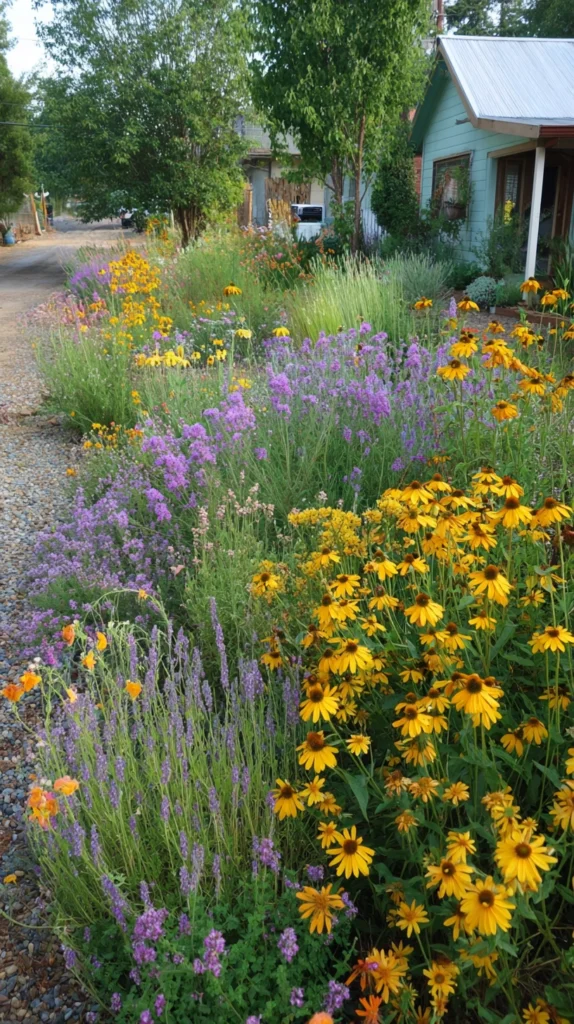
A gravel border planted with the nectar-rich flowering plants that support the garden’s pollinator population, the various salvias, echinacea, and the flat-headed members of the carrot family whose open flower structure provides easy pollinator access, creates the garden border of most ecological value and most visually dynamic summer display. The gravel mulch creates the warm surface microclimate that the beneficial insects of the garden ecosystem specifically favor for basking and for nesting.
Leave areas of bare gravel between the planted specimens, as the exposed gravel surface provides the specific habitat that the solitary bees require for ground-level nesting. The wildlife-friendly gravel border’s beauty is animated by the constant presence of the insects that its planting and its gravel surface together attract throughout the warm months.
7. The Gravel River Dry Stream Border
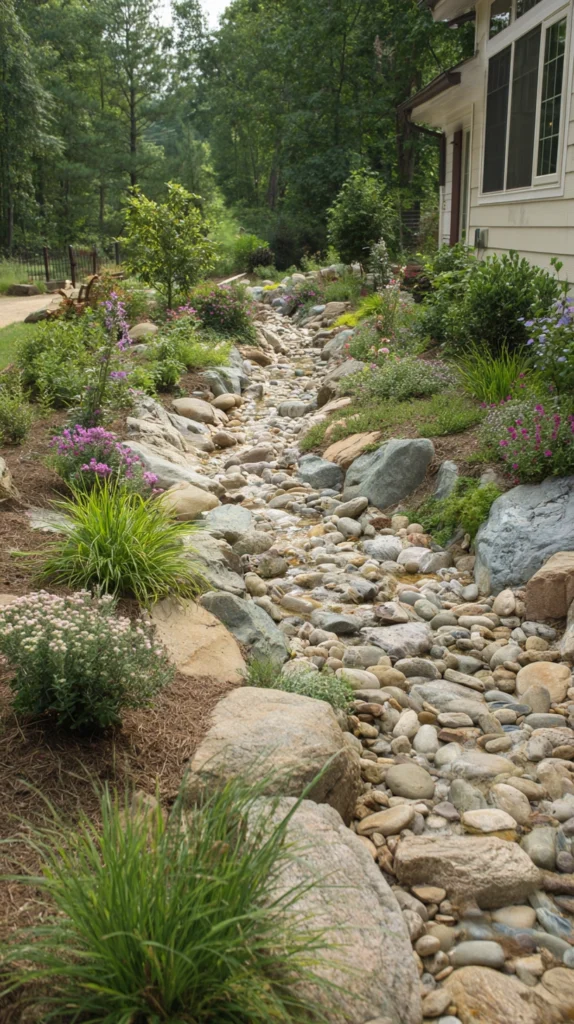
A sinuous border of rounded river pebbles arranged in the form of a dry stream bed, its course winding through the garden between planted banks of moisture-loving plants, creates the garden’s most naturalistically landscape-referencing feature. The dry stream border creates the visual narrative of a water course without the maintenance complexity of actual water management.
Grade the pebble size within the dry stream border from the largest boulders at the stream’s edges to the smallest pebbles at its center, replicating the natural hydraulic sorting of the actual stream bed that the largest particles at the margin and the finest material in the deepest channel creates. This graded distribution creates the most convincingly naturalistic dry stream border available in the domestic garden.
8. The Gravel Border with Stepping Stones
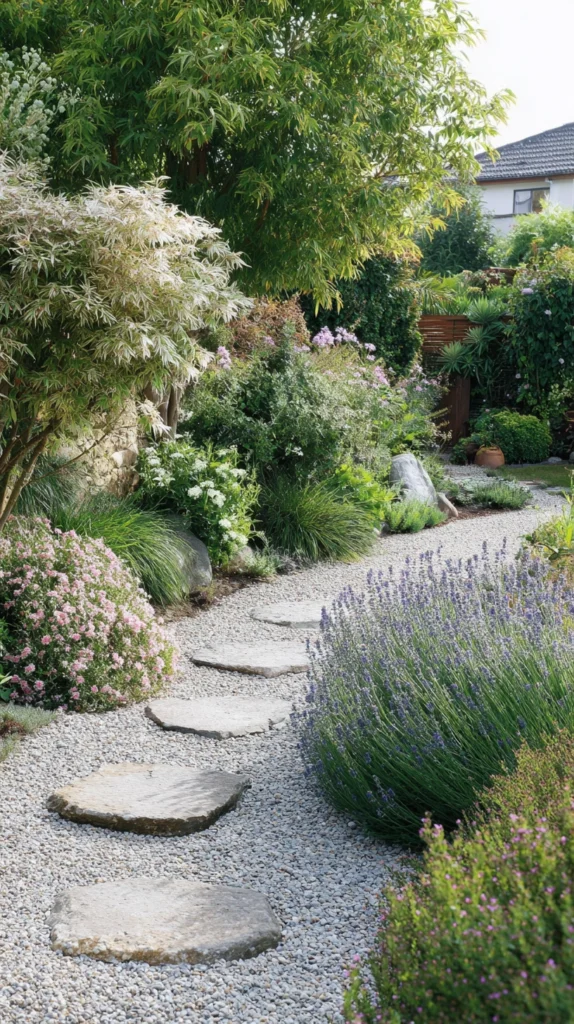
A gravel border incorporating a series of stepping stones of natural slate, sandstone, or concrete, their surfaces set flush with the gravel level to create a seamless transition between the stone and the gravel surface, creates the border of most practical functionality and most visually resolved material combination.
The stepping stones provide a firm foothold for maintenance access to the border’s planted specimens without compacting the gravel surface or disturbing the planted areas.
Space the stepping stones at a stride length appropriate to the primary garden user’s comfortable walking pace, creating the natural stepping rhythm that makes the stone path through the gravel border feel instinctive and unforced rather than requiring the deliberate adjustment of stride that incorrectly spaced stepping stones always demand.
9. The Gravel and Bulb Border
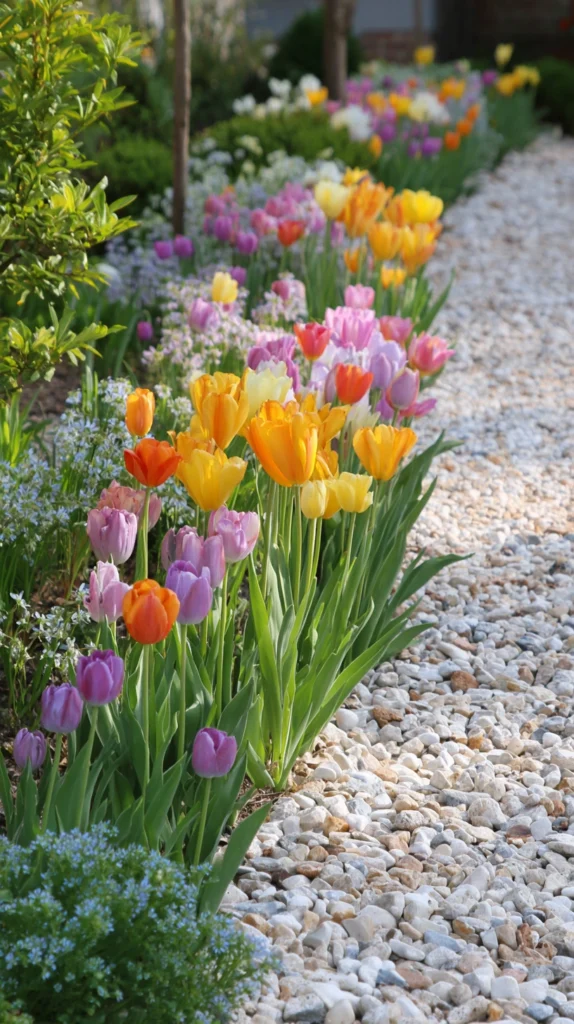
A gravel border planted with naturalized bulbs, the bulbs planted directly through the gravel mulch into the prepared soil below at appropriate depth and spacing, creates the garden border of most seasonal surprise and most effortless annual renewal. The gravel surface conceals the dormant bulb planting completely between flowering seasons, then reveals the emerging growth of the spring flowering display with the specific quality of an unexpected gift.
Plant bulbs of successional flowering seasons within the same gravel border to create the extended flowering display that begins with the earliest snowdrops and continues through the tulips and alliums of late spring.
The gravel mulch’s weed-suppressing quality maintains the border’s clean surface between the bulb’s flowering periods without the maintenance intervention that the un-mulched border requires.
10. The Formal Clipped Hedge Gravel Border
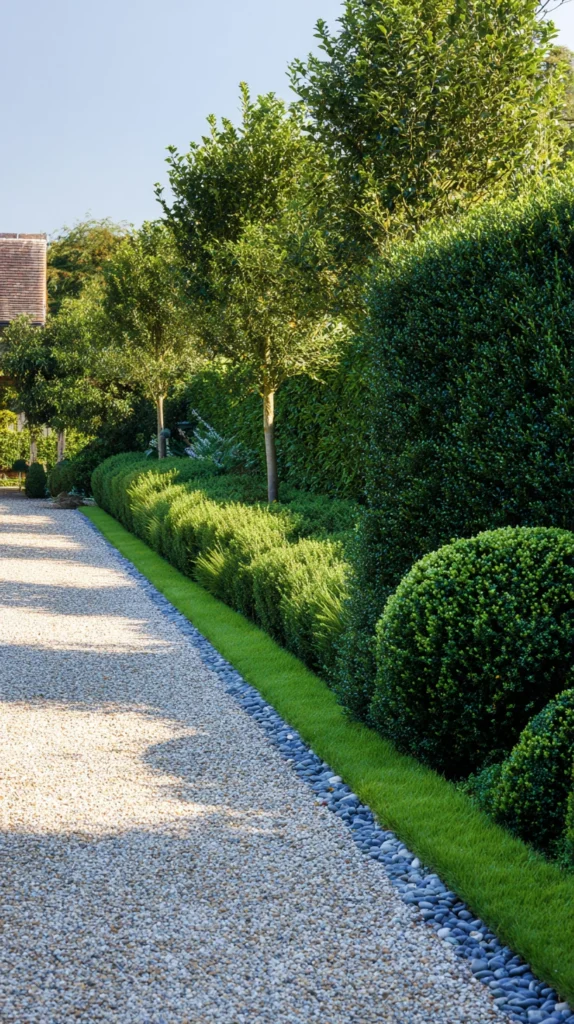
A formal border of clipped hedge running along the garden’s primary axis, its base mulched in a consistent fine gravel that extends to the path edge and creates the clean, precise surface that the formal clipped hedge’s architectural quality requires as its ground-level complement, creates the most classically composed and most architecturally resolved garden border available in the gravel medium.
The gravel at the base of the formal hedge should be of a fine particle size that creates the smooth, even surface of the formal garden’s ground plane. A coarse, angular aggregate creates the rough surface quality that conflicts with the precise, refined character of the clipped hedge above it. A fine pea gravel or a crushed limestone dust creates the smooth surface of most complementary formal quality.
11. The Gravel and Lavender Mass Planting
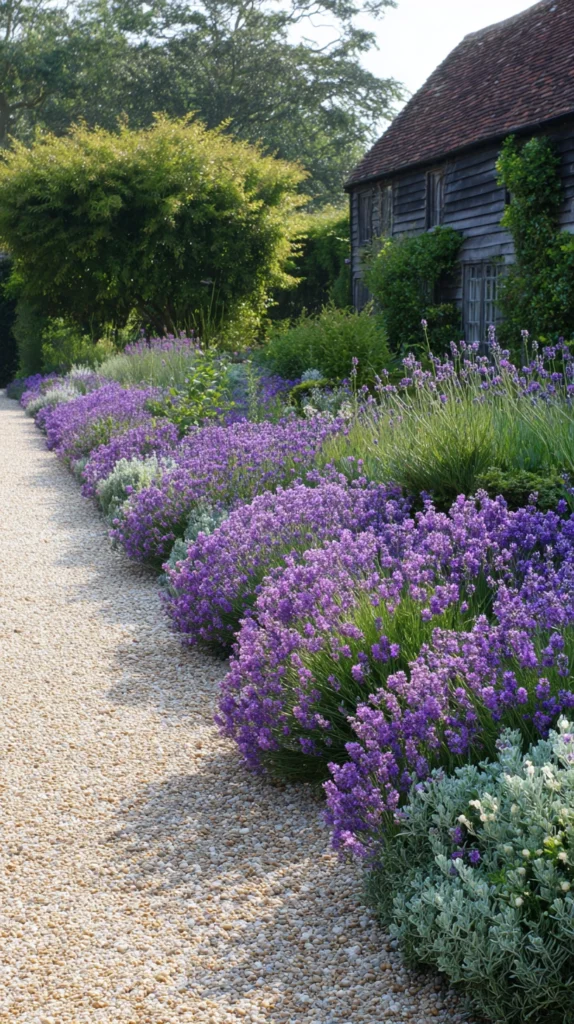
A border of massed lavender planted through a consistent layer of pale gravel creates the garden’s most fragrant and most visually unified single-species planting. The lavender’s silver-green foliage and the pale gravel’s warm mineral surface create the border’s complete visual palette before the flowering season adds the purple flower’s specific chromatic richness to the existing silver and cream composition.
Plant the lavender at a spacing that allows the mature plants’ forms to just touch their neighbors at full development, creating the continuous mounded surface of the massed lavender planting whose unbroken texture creates the most powerfully unified visual quality. Individual plants spaced too far apart create the disjointed collection of specimens rather than the massed planting’s single, sweeping visual statement.
12. The Gravel and Raised Bed Combination
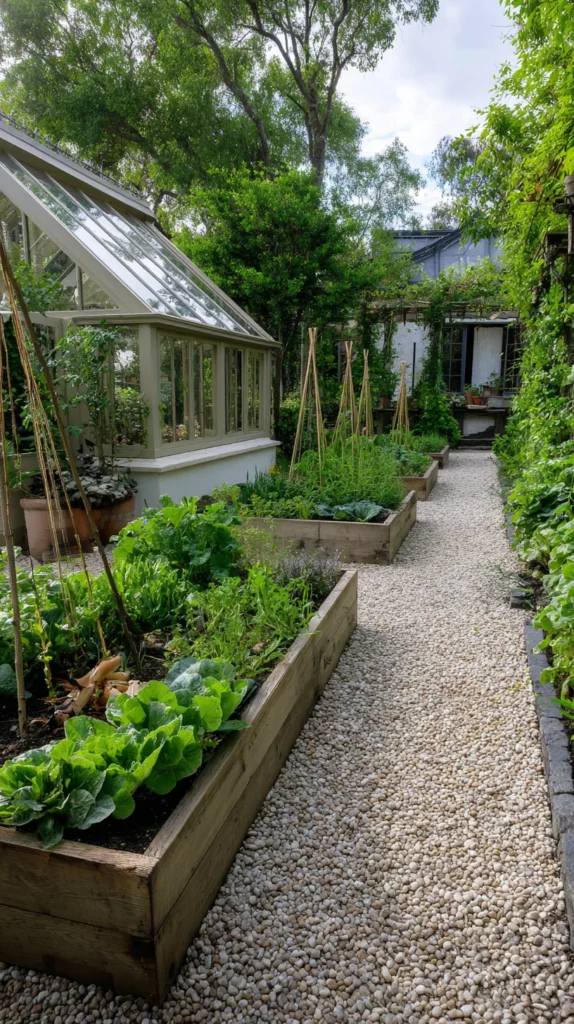
A gravel border surrounding a series of raised beds creates the garden’s most organizationally complete and most visually coherent productive planting system. The gravel surface between the raised beds creates the clean, mud-free working path that the productive kitchen garden requires for comfortable all-weather access without the compaction and the mud transfer that the un-surfaced path creates.
Choose a gravel of adequate depth, at least seventy millimeters, over a weed-suppressing membrane of appropriate specification to prevent the weed establishment that shallower gravel allows. The gravel path between raised beds is one of the most weed-exposed positions in the garden due to the fertility of the surrounding productive soil, and the membrane and depth specification should reflect this higher-than-average weed pressure.
13. The Shade Garden Gravel Border
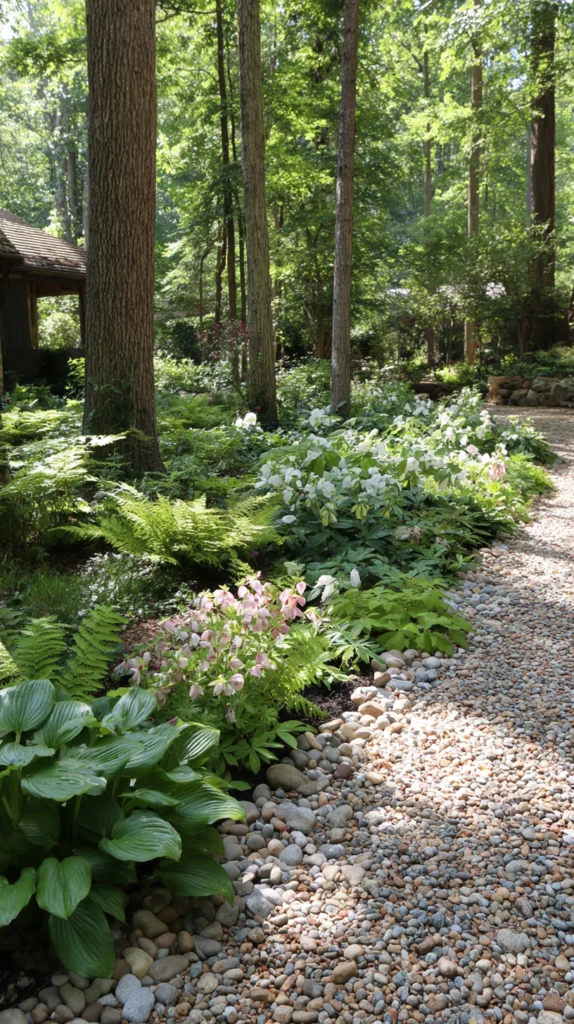
A gravel border beneath the canopy of established trees, where the combination of dry shade and competitive tree roots creates the most challenging planting conditions in the domestic garden, creates the most practically appropriate treatment for the garden’s most difficult area. The gravel’s free-draining, root-accessible surface allows the tree’s roots to function normally while creating a visually finished surface that the planted border cannot sustain in the dry shade conditions.
Plant the shade garden gravel border with the limited palette of genuinely shade and drought-tolerant species that the canopy’s specific conditions support. Epimedium, hellebores, and the various shade-tolerant ferns create the planting of most genuine resilience and most appropriate botanical character for the shade garden gravel border’s challenging environment.
14. The Contemporary Gravel and Steel Edge Border
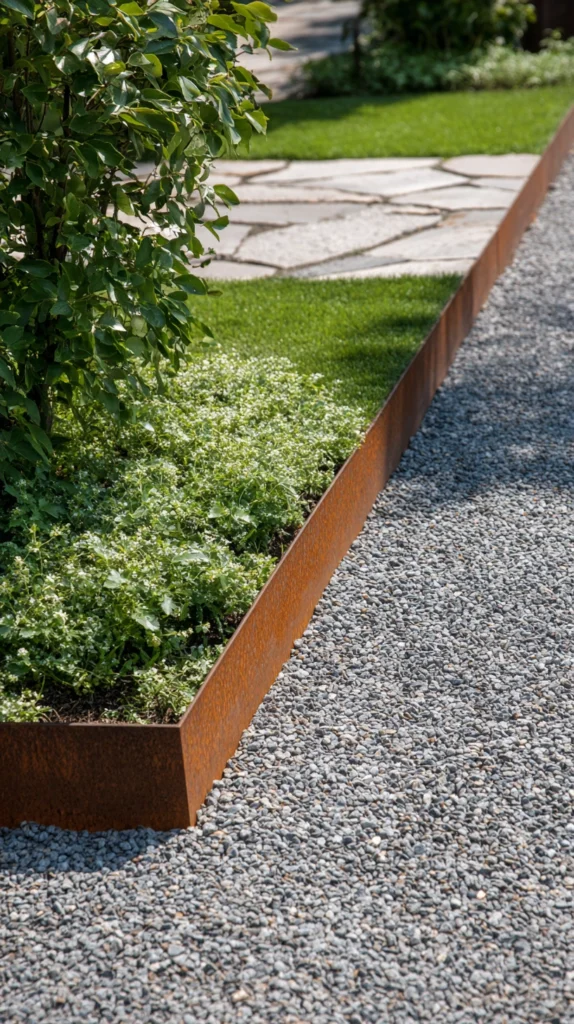
A gravel border with a precisely installed steel edging strip defining its boundary against the lawn or the hard paving, creates the contemporary garden border of most architectural precision and most visually resolved material quality.
The steel edge’s thin profile creates a boundary line of minimal visual width that separates the gravel surface from the adjacent material with the clean precision of a drawn line rather than the soft, organic boundary of the traditional planted edge.
Use Corten weathering steel for the edging strip rather than the galvanized or painted steel alternatives whose surface quality does not develop the same warm, aged patina. The Corten steel’s rust-toned surface relates to the warm tones of the gravel aggregate and the planting’s autumn colors with the natural material harmony that the cooler steel alternatives cannot approach.
15. Design the Gravel Border for the Garden’s Specific Logic
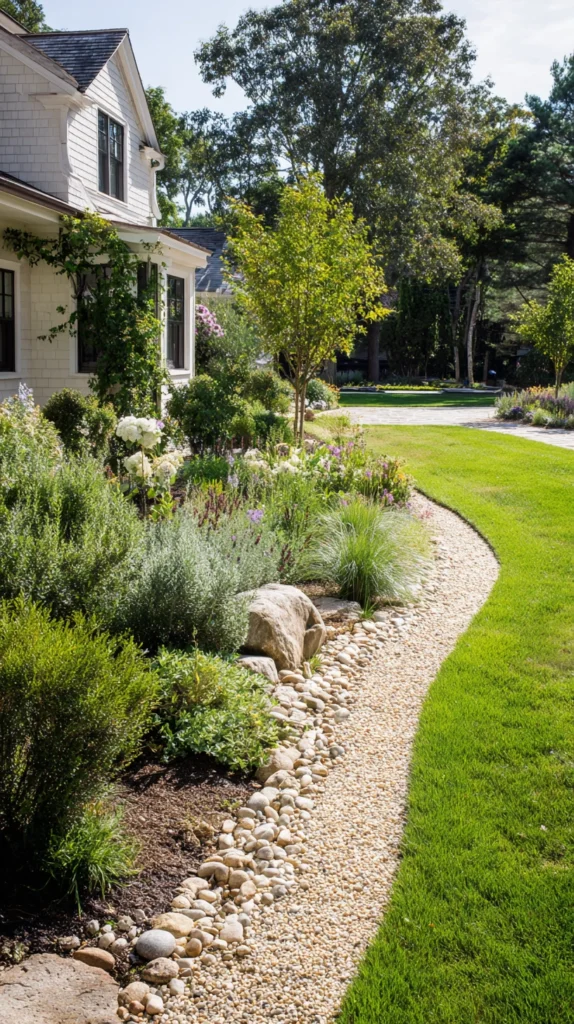
The final gravel border idea is the most important design principle of all fifteen. It is the commitment to designing the gravel border for the garden’s specific spatial logic, its viewing angles, its existing planting character, and its specific site conditions rather than applying a generic gravel border treatment without genuine attention to the specific place it will occupy.
The gravel border that addresses the garden’s specific drainage problem, creates the specific planting opportunity that the challenging dry shade presents, or resolves the specific aesthetic gap between the formal lawn and the informal planting is the gravel border of genuine design intelligence.
Every garden has a specific location where the gravel border’s combination of practical performance and aesthetic quality creates the most significant improvement to the outdoor space’s overall character.
Finding that location and designing the gravel border for it with the complete specificity that the site demands is the garden design decision whose reward is felt every day of every season that the garden is used and enjoyed.