14 Garden Pathway Ideas That Look Straight Out of a Magazine
A garden pathway is far more than a practical route from one place to another. It is an architectural element, a design statement, and an invitation to explore.
The right pathway can completely transform the mood and character of a garden — turning a simple backyard into something that feels curated, intentional, and deeply beautiful. It frames your plants, guides the eye, and sets the tone for everything around it.
Magazine-worthy gardens almost always share one thing in common: thoughtful pathways. Whether winding through lush plantings, cutting cleanly across a modern lawn, or disappearing mysteriously into a wooded corner, these paths do more than connect spaces — they create experiences.
The good news is that achieving this level of visual impact does not require a professional landscaper or an unlimited budget. It simply requires the right idea, the right materials, and a clear sense of your garden’s personality.
Here are 14 stunning garden pathway ideas that will make your outdoor space look like it belongs on the pages of a design magazine.
1. Flagstone Stepping Stones Through a Lawn
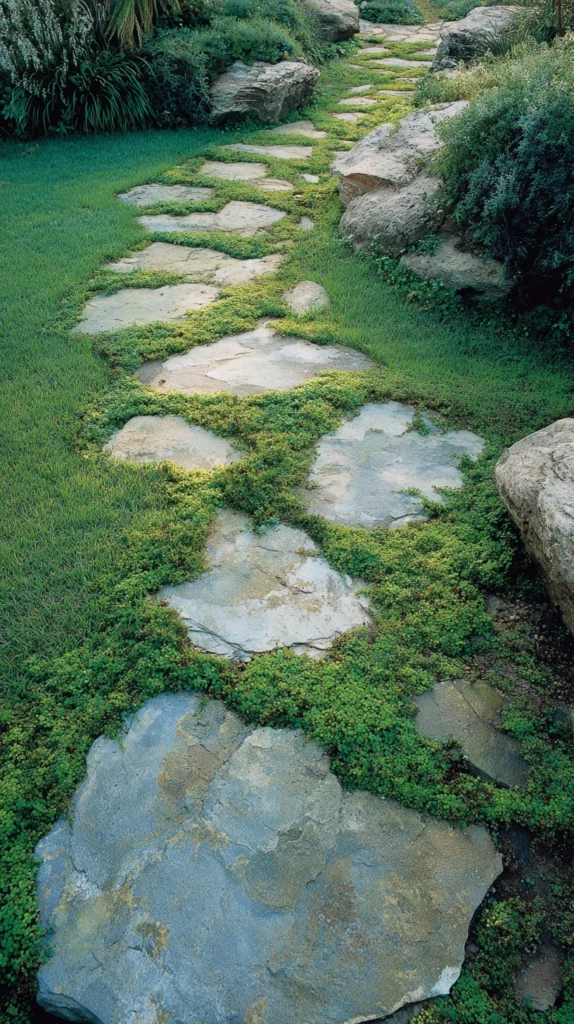
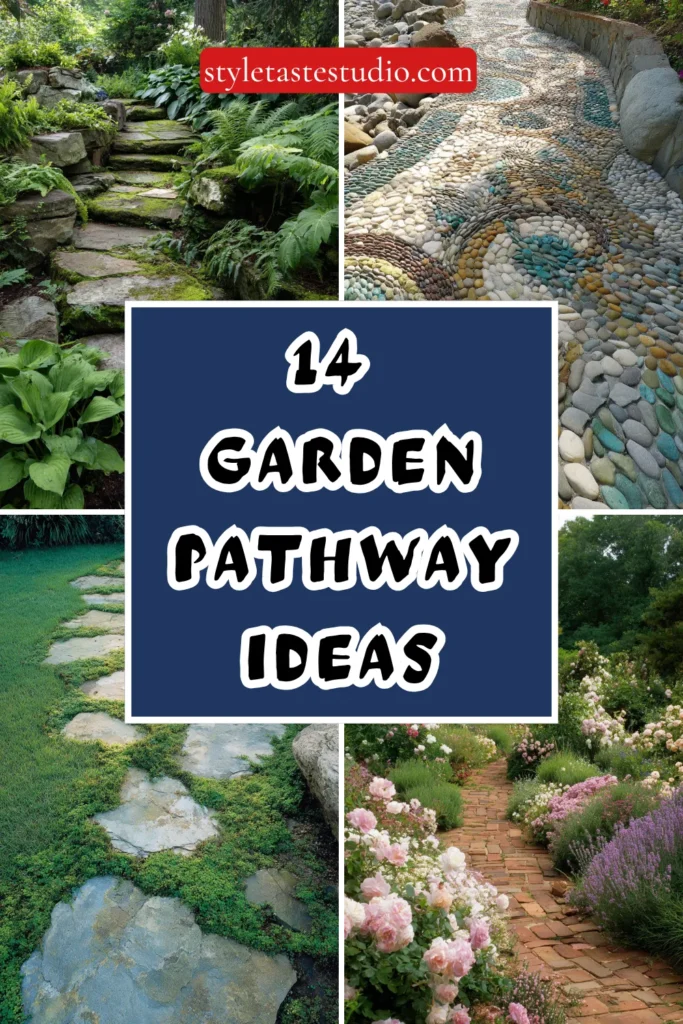
Few things look more naturally elegant than large, irregular flagstone stepping stones set into a lush green lawn. The contrast between the rough, organic texture of the stone and the smooth carpet of grass creates a look that is both relaxed and refined.
Space the stones slightly apart to encourage a natural walking pace, and allow low-growing plants like creeping thyme or moss to fill in the gaps over time. The result is a pathway that looks as though it has always been there.
2. Gravel and Edged Border Pathway
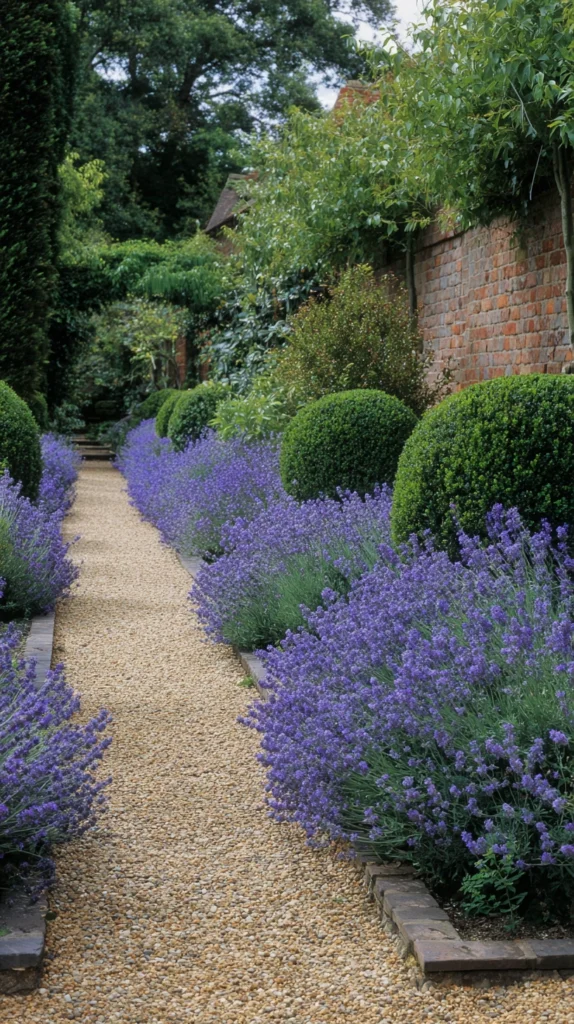
A gravel pathway edged with clean, defined borders — whether metal, timber, or brick — is one of the most versatile and cost-effective options available.
The gravel itself can range from fine pea gravel in warm golden tones to crushed slate in deep charcoal, depending on your garden’s color palette. Paired with neatly trimmed hedges or lavender borders on either side, a gravel path delivers a crisp, structured look that works equally well in formal and informal gardens.
3. Brick Herringbone Pathway
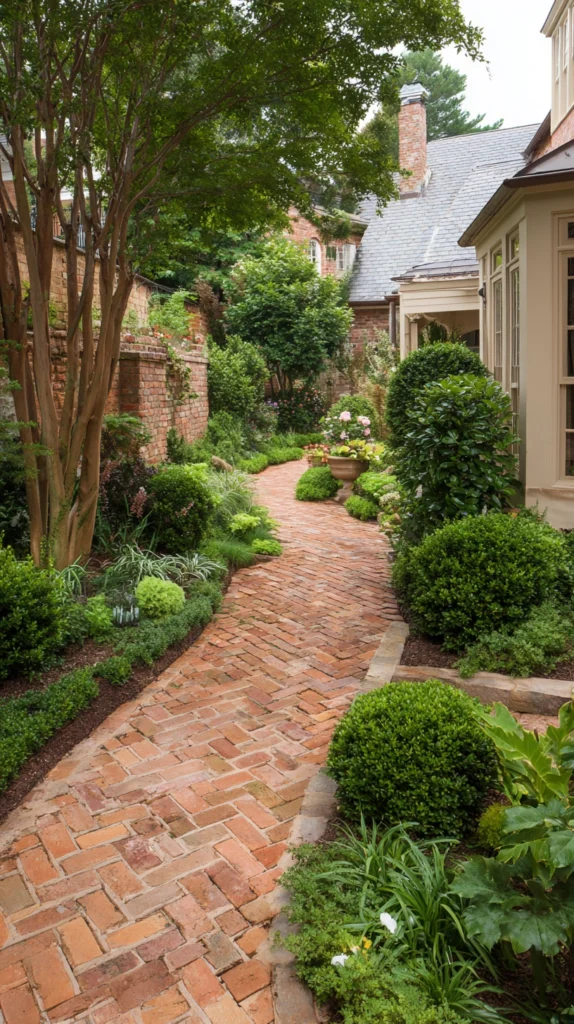
The herringbone brick pattern has been used in garden design for centuries, and it remains one of the most visually impressive pathway options available today. Laid at a forty-five-degree angle, the interlocking zigzag pattern of the bricks creates a sense of movement and sophistication that is immediately eye-catching.
Reclaimed or aged bricks add warmth and a sense of history, while newer bricks in terracotta or warm red tones bring a clean, polished finish. This style suits cottage gardens, formal gardens, and traditional home exteriors beautifully.
4. Mossy Stone Path Through a Shaded Garden
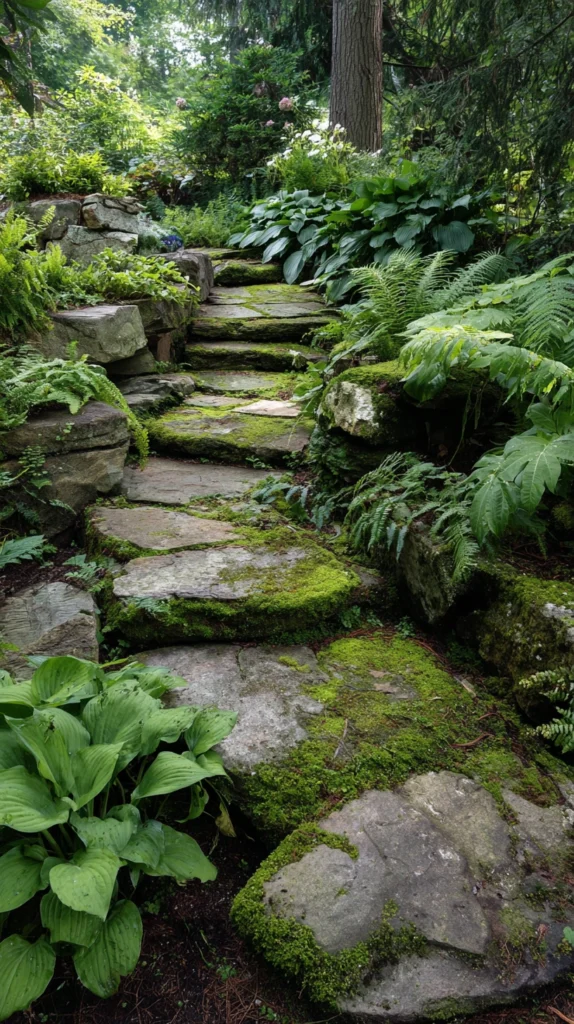
In a shaded or woodland-style garden, nothing creates atmosphere quite like a mossy stone path winding through layers of ferns, hostas, and hydrangeas. Allow moss to grow naturally between and over the stones for an ancient, enchanted quality.
The softness of the moss against the hardness of the stone creates a tactile and visual contrast that feels deeply organic. This pathway style is slow to develop but extraordinarily rewarding once established, delivering a look that is truly timeless.
5. Sleek Concrete Slab Pathway
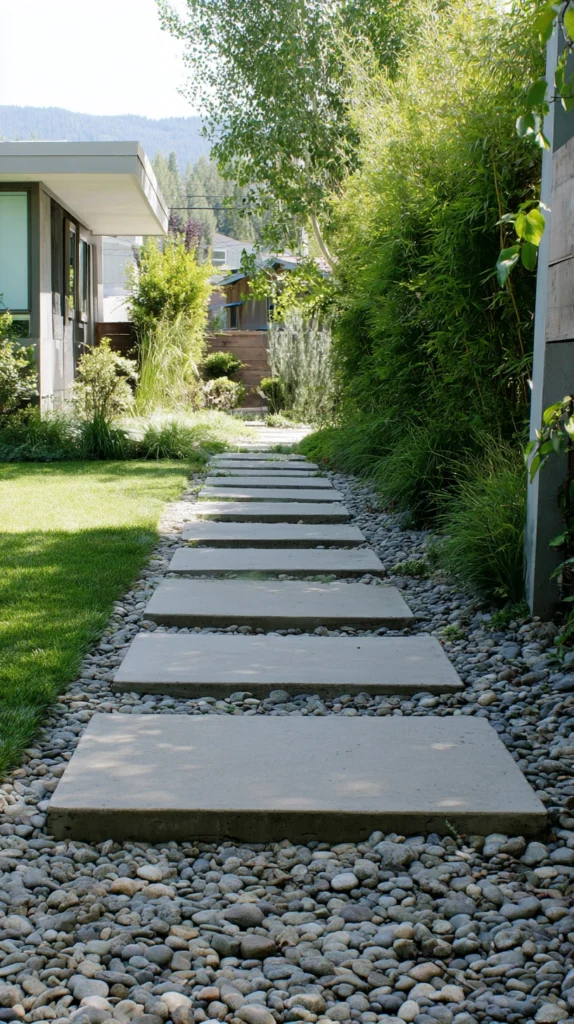
For modern and contemporary gardens, a pathway made from large-format concrete slabs delivers a clean, architectural look that pairs well with minimalist planting schemes.
Choose slabs in cool grey or warm sand tones and space them with precision across a gravel or grass surface. The simplicity of this design is its greatest strength — it lets bold plants and structural features take center stage while the pathway itself provides a quiet, sophisticated framework.
6. Reclaimed Wood Boardwalk Path
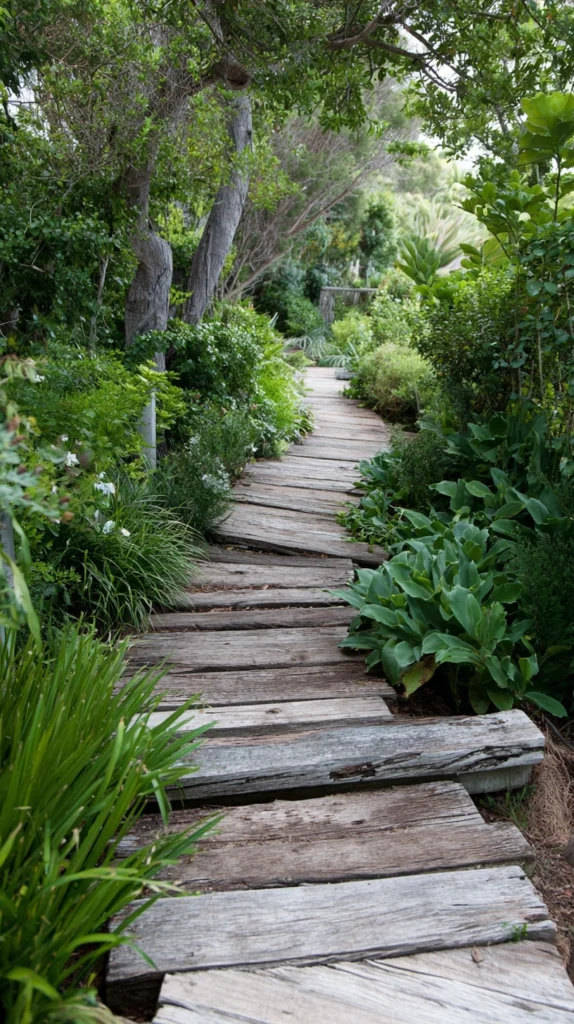
A boardwalk-style pathway made from reclaimed timber brings warmth, texture, and a coastal or countryside feel to any garden. Raised slightly above the ground, this style works particularly well in wet or boggy areas where a standard path might become muddy or unstable.
Pair with ornamental grasses, wildflowers, or bamboo planting on either side to enhance the natural, relaxed aesthetic. Over time, the weathered wood develops a beautiful silver-grey patina that only adds to its charm.
7. River Rock and Pebble Mosaic Path
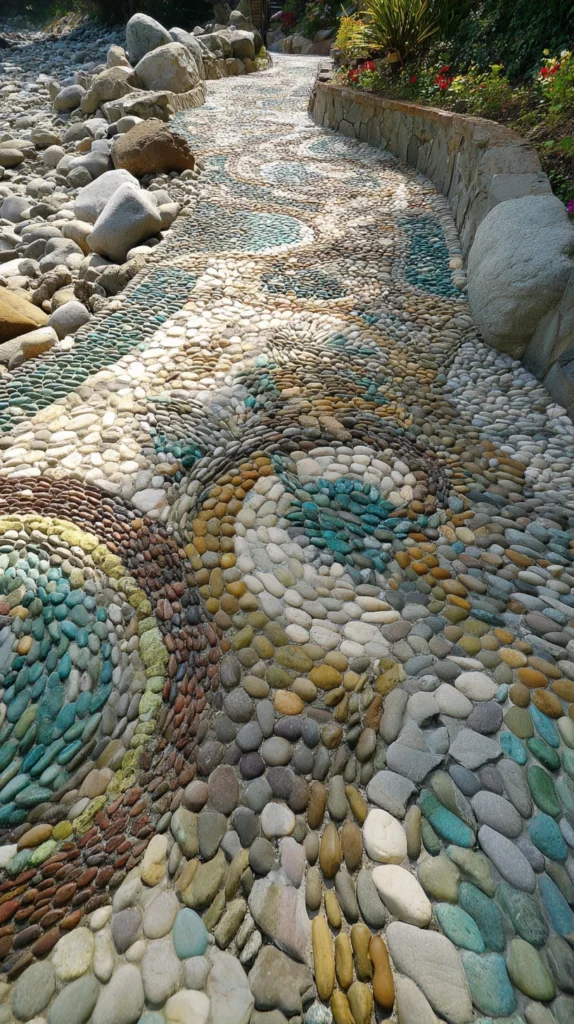
For those who want their pathway to be a genuine work of art, a pebble mosaic path is an extraordinary choice. Using river rocks and pebbles in contrasting colors and sizes, you can create intricate geometric patterns, floral motifs, or abstract designs underfoot.
This is undoubtedly one of the more labor-intensive pathway options, but the visual payoff is exceptional. Even a small section of pebble mosaic — such as a decorative panel near an entrance — can become the defining feature of an entire garden.
8. Curved Grass Path Through Planting Beds
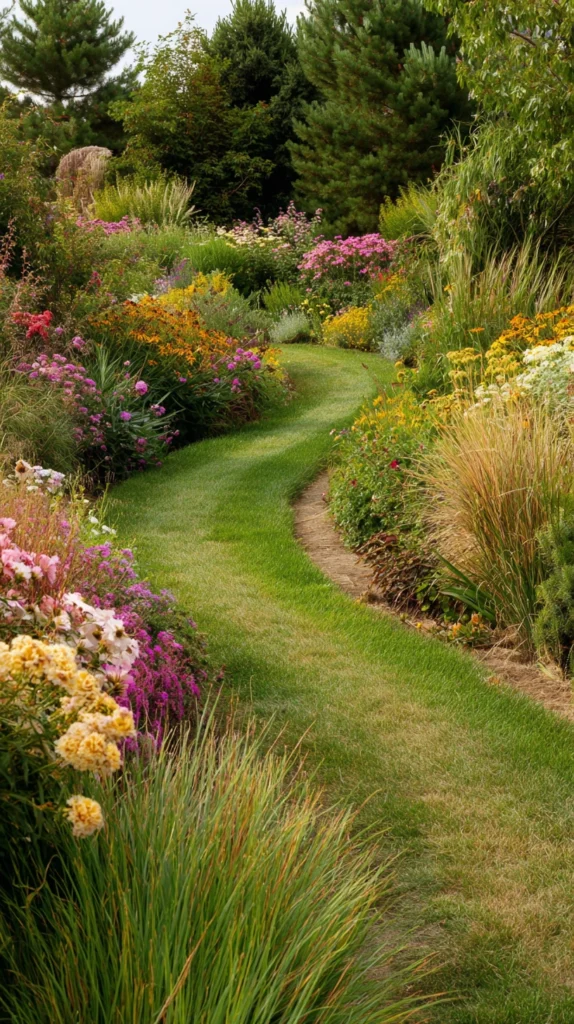
Sometimes the most striking pathway is simply a mown or shaped strip of grass cutting through dense, lush planting beds. A gently curving grass path flanked by tall perennials, ornamental grasses, and flowering shrubs creates a sense of discovery and depth, encouraging visitors to slow down and explore.
This style suits naturalistic and cottage-style gardens particularly well and requires very little material investment — the drama comes entirely from the plants surrounding the path.
9. Decomposed Granite Pathway With Boulders
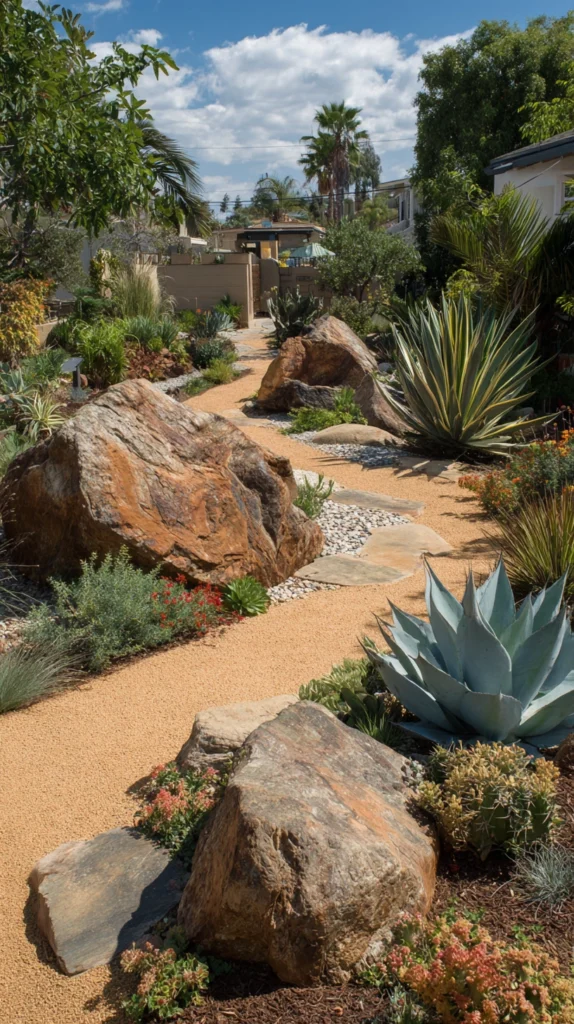
Decomposed granite is a popular pathway material in dry and Mediterranean-style gardens. Its warm, sandy appearance complements drought-tolerant plants beautifully, and when paired with large statement boulders and architectural succulents like agave or yucca, it creates a landscape that feels both wild and considered.
The material is also highly practical — it compacts well underfoot, suppresses weeds effectively, and handles heat and dry conditions with ease.
10. Romantic Brick and Flower Border Path
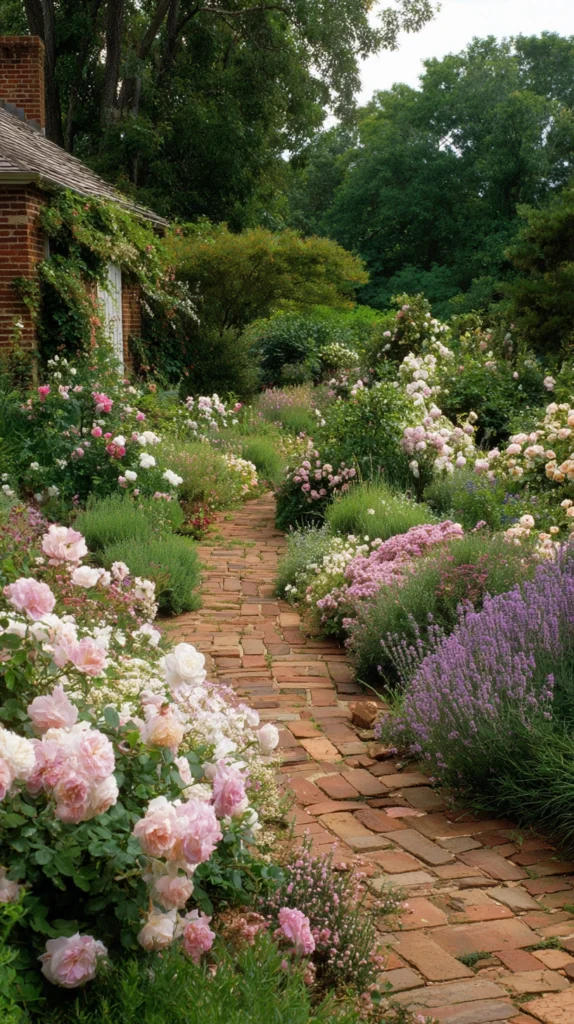
A narrow brick pathway edged on both sides with generous plantings of roses, lavender, catmint, and alliums is the very definition of romantic garden design.
This is the kind of pathway that appears endlessly in garden magazines and country home features — and for good reason. It combines structure with abundance, formality with softness, and practicality with pure beauty. The fragrance alone, as you walk through clouds of lavender and rose, makes this pathway idea one of the most sensory and memorable available.
11. Stepping Stones Through Ground Cover
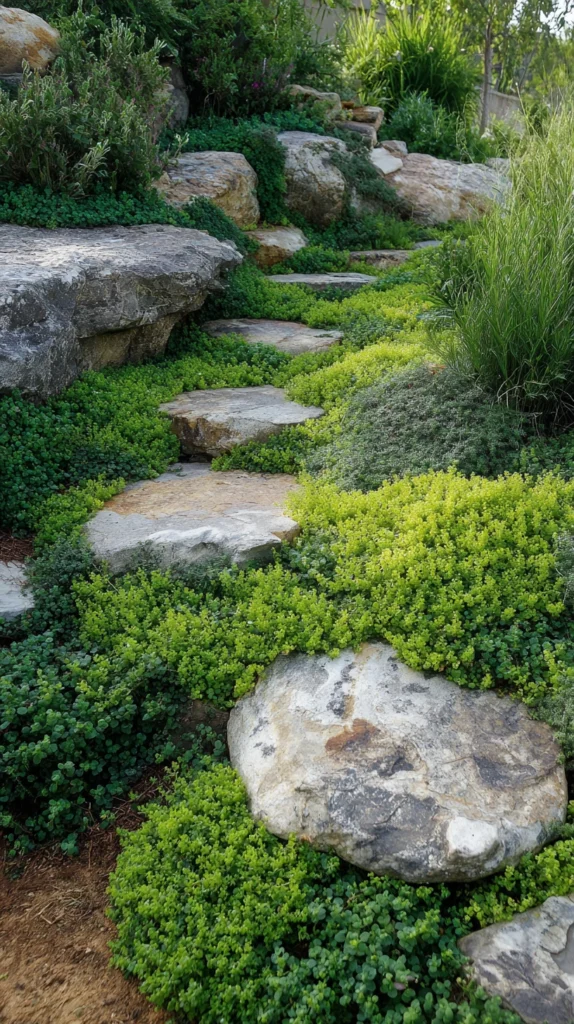
Placing stepping stones through a dense, low-growing ground cover such as creeping Jenny, thyme, ajuga, or chamomile creates a charming and cohesive look. The ground cover unifies the planting area while the stones provide definition and structure.
As the ground cover grows and fills around the stones, the path develops an established, settled quality that looks as though it has been part of the garden for years. This approach is also wonderfully low-maintenance once established.
12. Geometric Tile Pathway
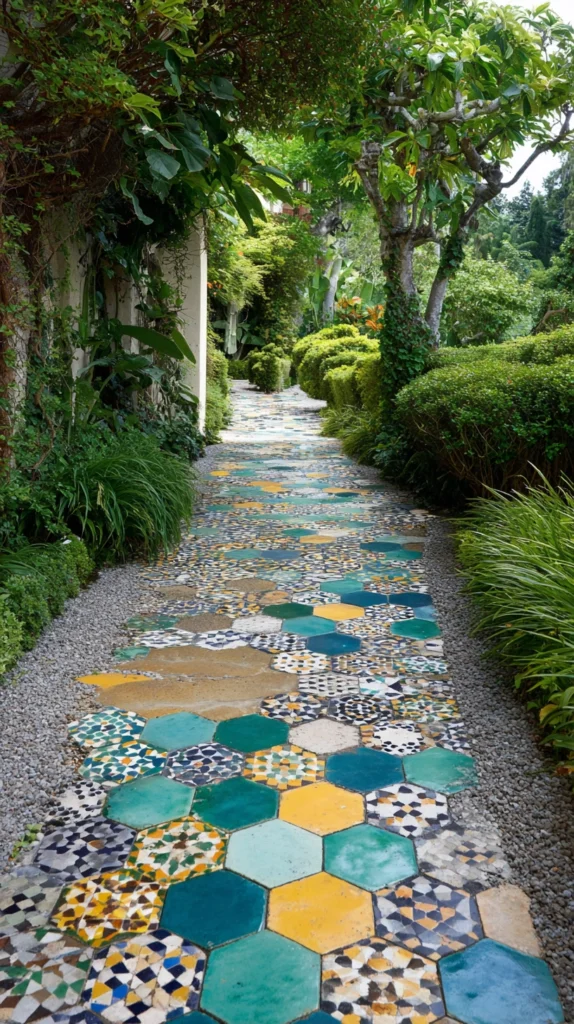
For bold, contemporary gardens with a design-forward sensibility, a pathway made from geometric patterned tiles can become one of the most striking features of the entire space.
Whether you choose Moroccan-inspired encaustic tiles, simple black-and-white checkerboard patterns, or modern hexagonal formats, a tiled pathway introduces color, pattern, and personality that no other material can quite replicate. Frame the tiles with gravel or low plantings to prevent the design from feeling overwhelming.
13. Elevated Timber and Steel Pathway
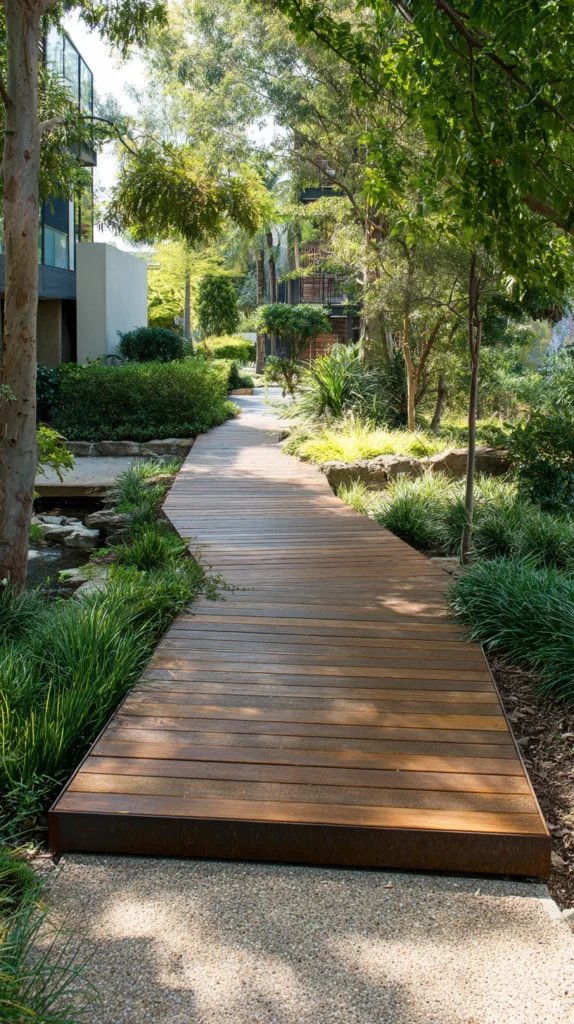
Combining raw timber decking with sleek steel edging creates a pathway that feels industrial yet warm — a combination that works exceptionally well in urban gardens and rooftop terraces. The contrast between the natural grain of the wood and the precision of the metal detailing gives this style an architectural quality that photographs beautifully. Add solar-powered path lights along the steel edging to extend the visual impact into the evening hours.
14. Wildflower Meadow Path
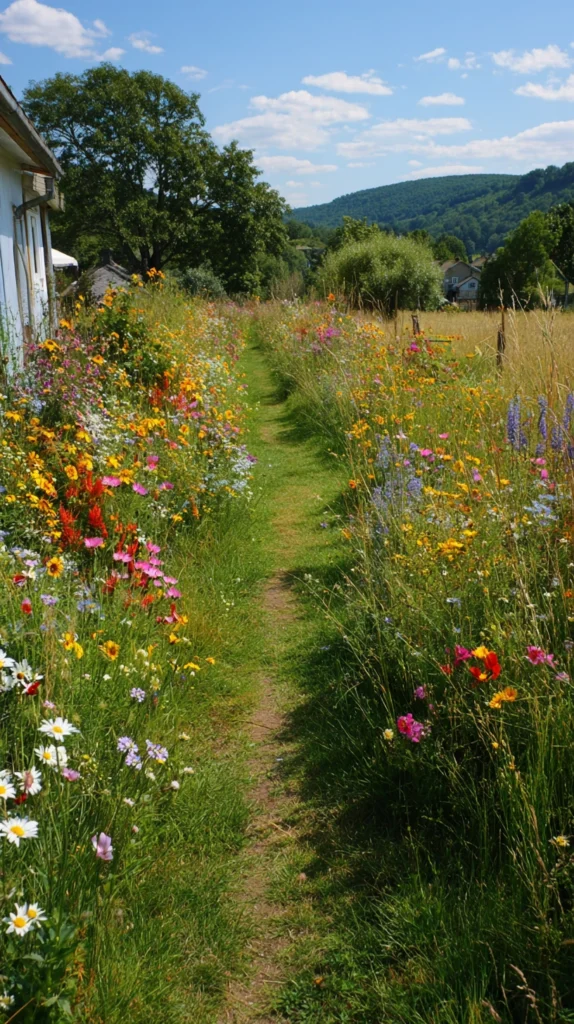
A mown path cutting through a wildflower meadow is one of the most effortlessly beautiful garden ideas imaginable. Allow an area of your garden to grow freely with native wildflowers — poppies, cornflowers, ox-eye daisies, and grasses — then mow a simple winding path through the middle.
The contrast between the structured path and the untamed planting on either side is visually stunning and deeply romantic. It also supports local pollinators, making it as ecologically valuable as it is beautiful.
Final Thoughts
The pathway you choose for your garden is one of the most powerful design decisions you can make. It establishes the mood, guides movement, and ties the entire space together. Whether you prefer the clean lines of concrete slabs, the romance of brick and flowers, or the quiet magic of a mossy stone trail, there is a pathway style that will make your garden feel magazine-worthy. Invest in the right materials, take your time with the layout, and let the path lead the way to a garden you truly love.