15 DIY Flower Pot Ideas for Your Garden
The handmade flower pot is one of the most personally satisfying and most immediately impactful creative projects available to the home gardener. Unlike the purchased pot whose specific character belongs to its manufacturer’s design language, the DIY flower pot carries within its surface the specific creative decisions, the color choices, the texture treatments, and the material selections of the person who made it.
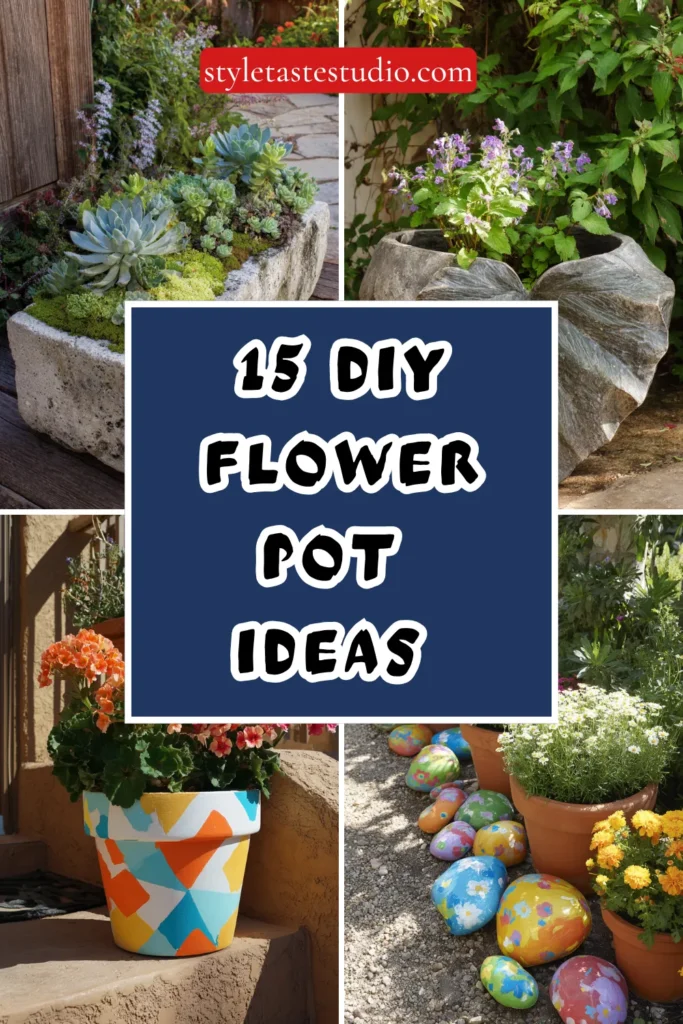
This quality of personal authorship creates the garden of genuine individual expression that no collection of commercially purchased containers can quite replicate. Here are fifteen DIY flower pot ideas that bring creative confidence and genuine garden character to every outdoor space.
1. The Painted Terracotta Pot
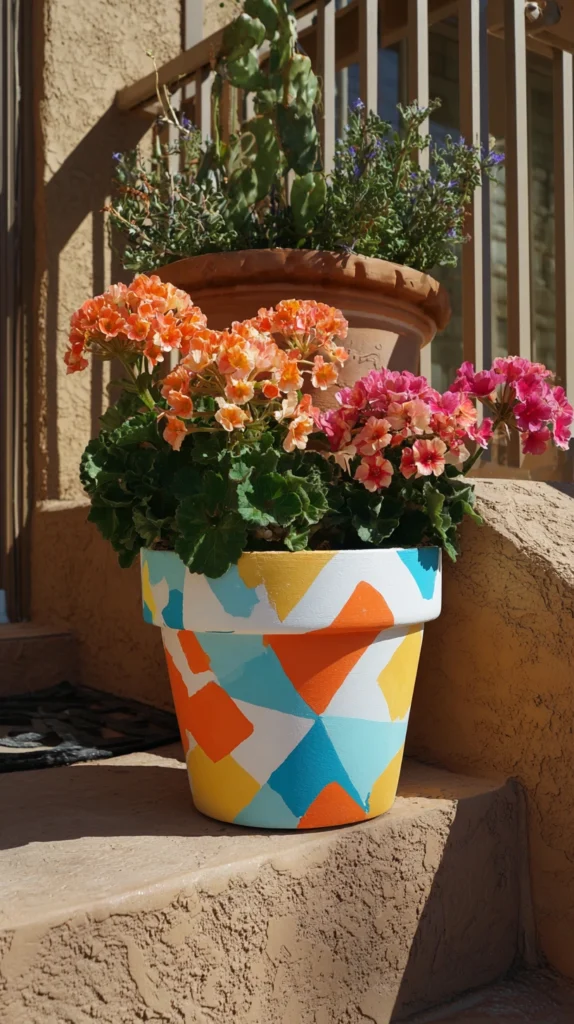
A standard terracotta pot painted with a bold geometric pattern in exterior-grade paint creates the garden’s most immediately impactful DIY container. Apply a base coat of exterior primer before the decorative painting to prevent peeling. Use painter’s tape to create clean geometric edges, removing it while the paint is still slightly wet for the crispest possible line quality.
2. The Mosaic Ceramic Pot
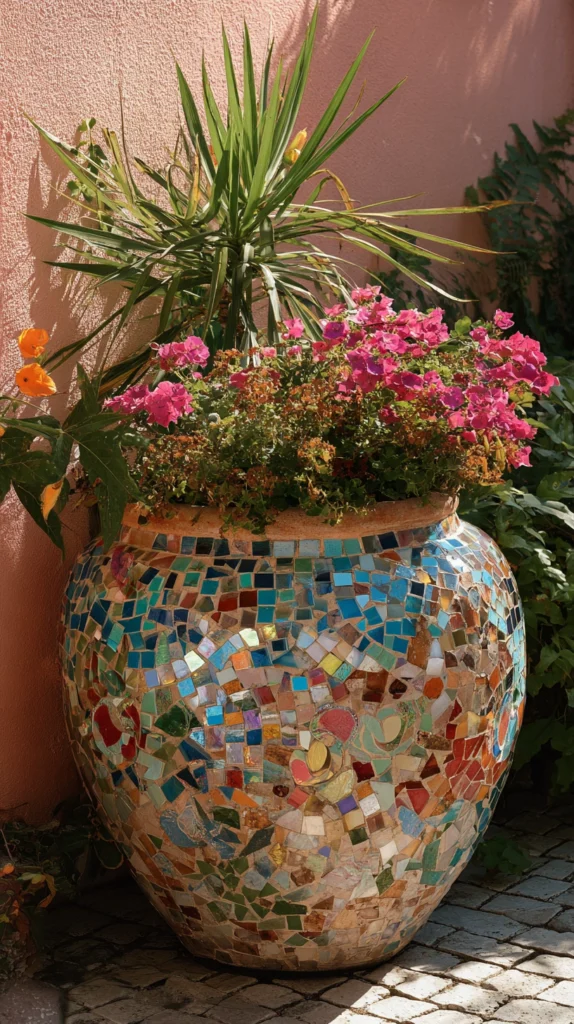
A plain ceramic pot covered in a mosaic of broken tile, glass pebbles, or mirror fragments creates the garden’s most decoratively rich container. Use waterproof tile adhesive to fix the mosaic pieces, then fill the spaces with exterior-grade waterproof grout. Choose the mosaic palette in relationship to the plants that will grow within the pot for the most considered overall composition.
3. The Rope-Wrapped Pot
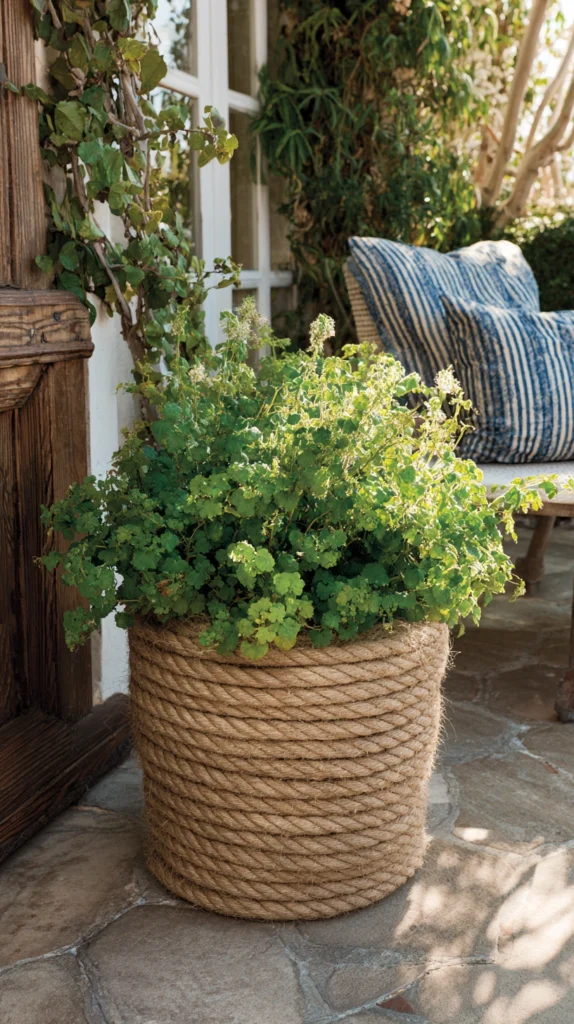
A simple plastic or metal pot wrapped in natural rope or jute twine creates the garden container of most instant textural transformation at minimal cost.
Apply a continuous bead of waterproof adhesive to the pot’s exterior before pressing the rope into tight horizontal rows from the base upward. Natural jute creates the warmest appearance, though polypropylene rope in a natural color offers considerably greater weather resistance for the outdoor application.
4. The Hypertufa Handmade Trough
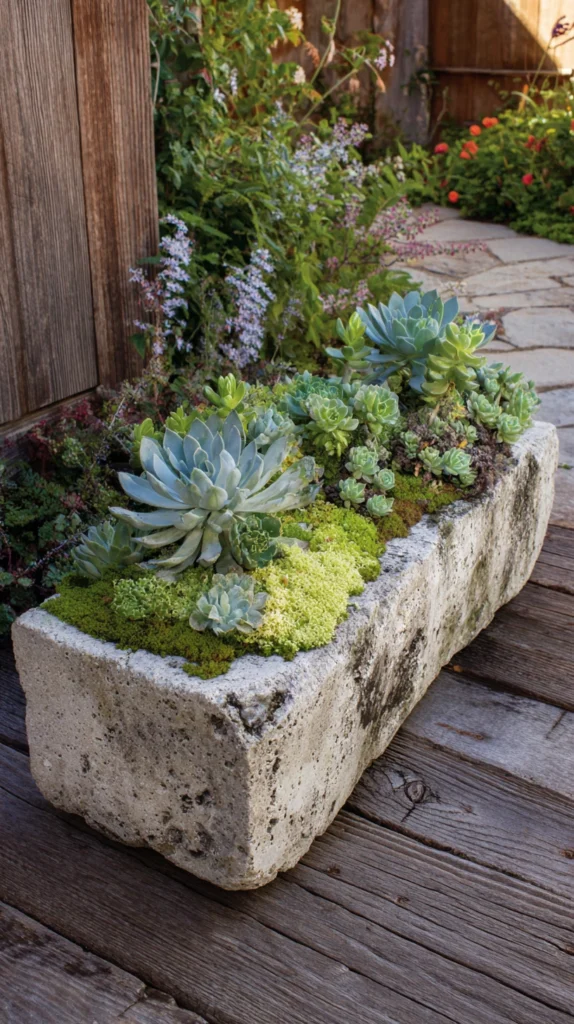
A hypertufa trough cast from Portland cement, peat moss, and perlite creates the DIY pot of most authentic craft quality and most convincing stone-like character. Mix the three components in equal parts by volume, adding water until the mixture holds its shape when squeezed. Press into a mold at least three centimeters thick, cure for forty-eight hours before demolding, and allow four further weeks before planting.
5. The Recycled Wellington Boot Planter
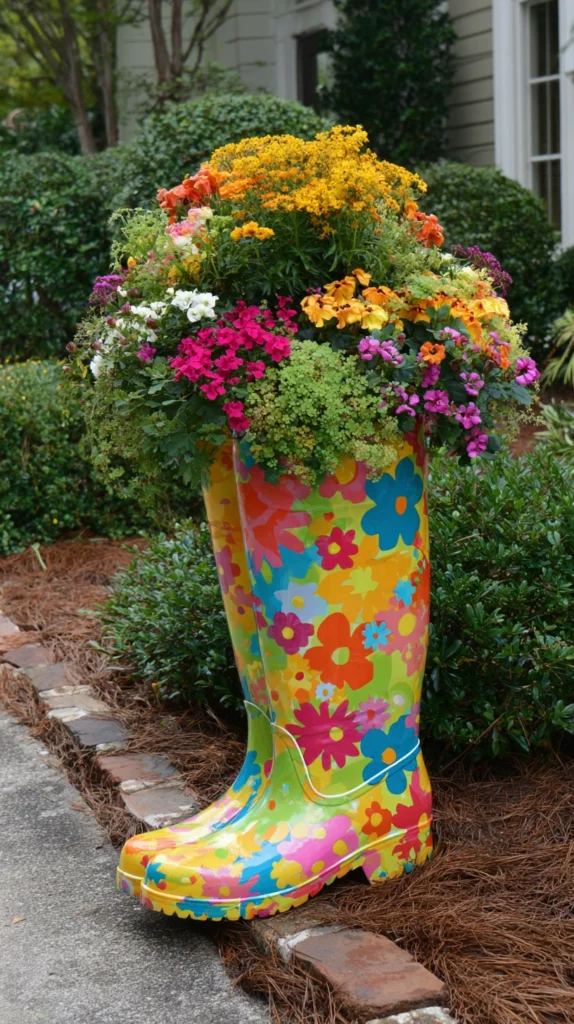
An old wellington boot creates the garden’s most whimsical DIY planter. Pierce several drainage holes in the sole before adding potting mix, as the waterproof construction retains moisture to damaging levels without this provision.
Paint the boots in a bold exterior color if the original does not suit the garden’s palette, using flexible rubber paint that moves with the material without cracking or peeling through successive seasons.
6. The Stacked Terracotta Saucer Tower
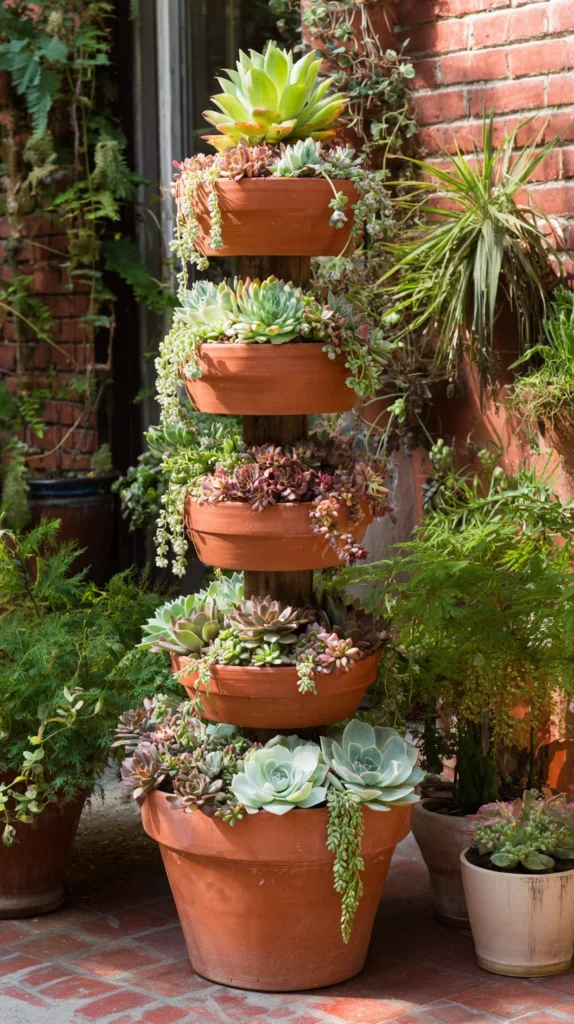
Terracotta saucers stacked vertically on a central timber stake, each positioned at a slight angle and planted with a small trailing plant, create the vertical garden feature of most charming appearance.
Drill a central hole in each saucer, thread onto the stake at consistent spacing, and secure with waterproof adhesive or rubber washers. Choose trailing succulents or miniature trailing herbs for the most naturally cascading visual effect.
7. The Concrete Leaf Cast Pot
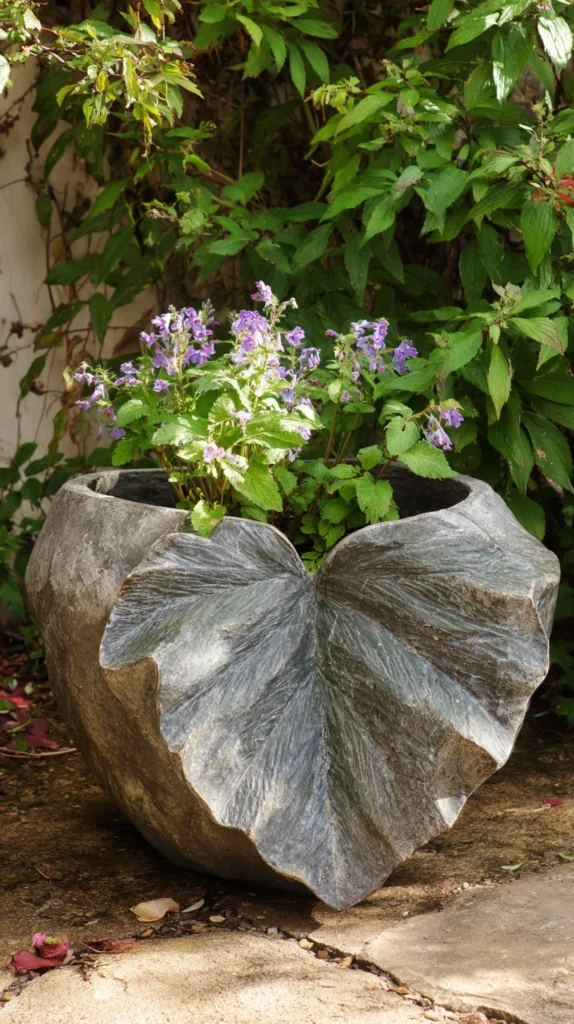
A large garden leaf pressed into wet concrete creates the mold for a pot whose surface carries the exact impression of the leaf’s complete venation and texture.
Choose the largest available leaf, press concrete over it to a minimum depth of three centimeters, and place a smaller object at the center to create the planting depression. Remove the former object after partial setting and allow four weeks of curing before planting.
8. The Painted Tin Can Collection

Recycled tin cans in varied sizes, painted in a consistent color palette and each planted with a single herb or small flowering plant, create the outdoor shelf display of most resourcefully sustainable character.
Pierce drainage holes in each base before planting. Apply rust-inhibiting primer to both the interior and exterior surfaces before the decorative painting to prevent the corrosion that untreated tin in contact with moist potting mix develops within weeks.
9. The Wicker Basket Planter
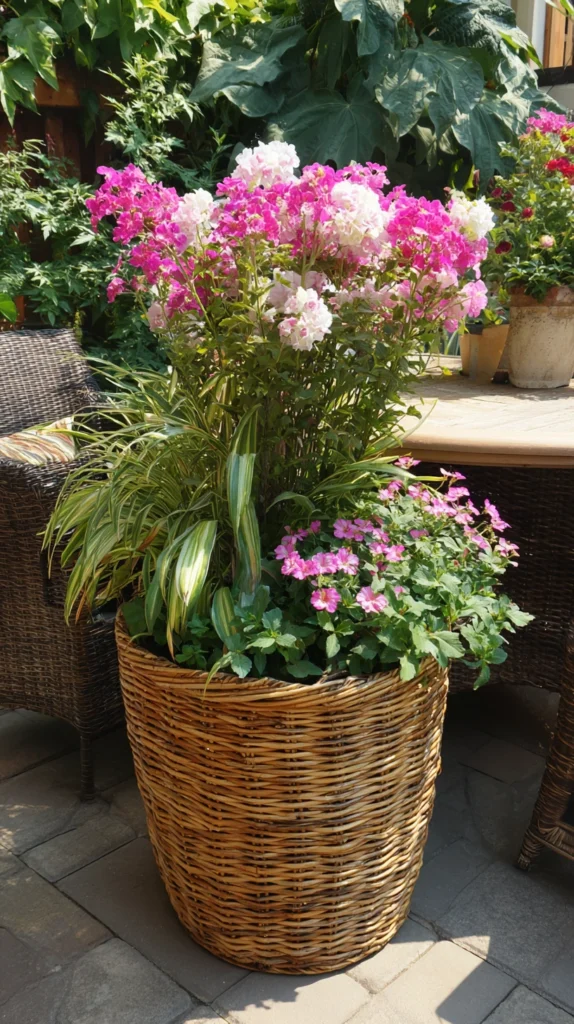
A wicker or seagrass basket lined with a heavy-duty plastic sheet creates the garden planter of most organic textural warmth. Pierce drainage holes through the liner and basket base before filling with potting mix. Treat the basket’s exterior with an outdoor timber oil before planting to extend its useful life through the wet conditions that natural fiber in the outdoor environment deteriorates within more rapidly than most gardeners anticipate.
10. The Upcycled Colander Planter
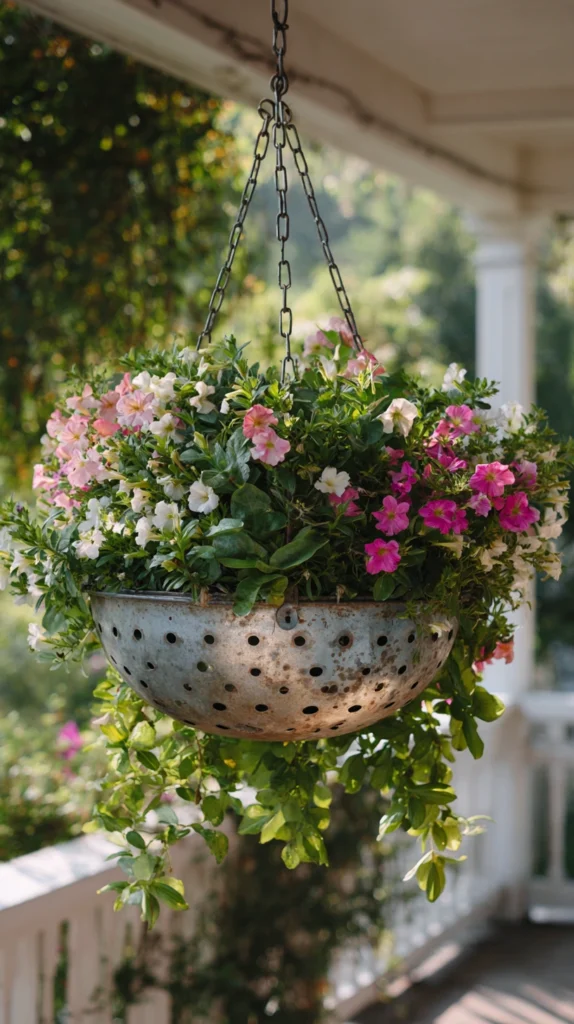
A colander suspended from a simple hook and chain creates the hanging planter of most resourceful repurposing. Its drainage holes are already perfectly provided by the kitchen tool’s original purpose.
Line the interior with coconut coir before filling with potting mix to prevent fine soil particles from washing through. Choose drought-tolerant trailing plants that handle the rapidly drying conditions of the hanging, well-drained position most successfully.
11. The Vintage Suitcase Planter
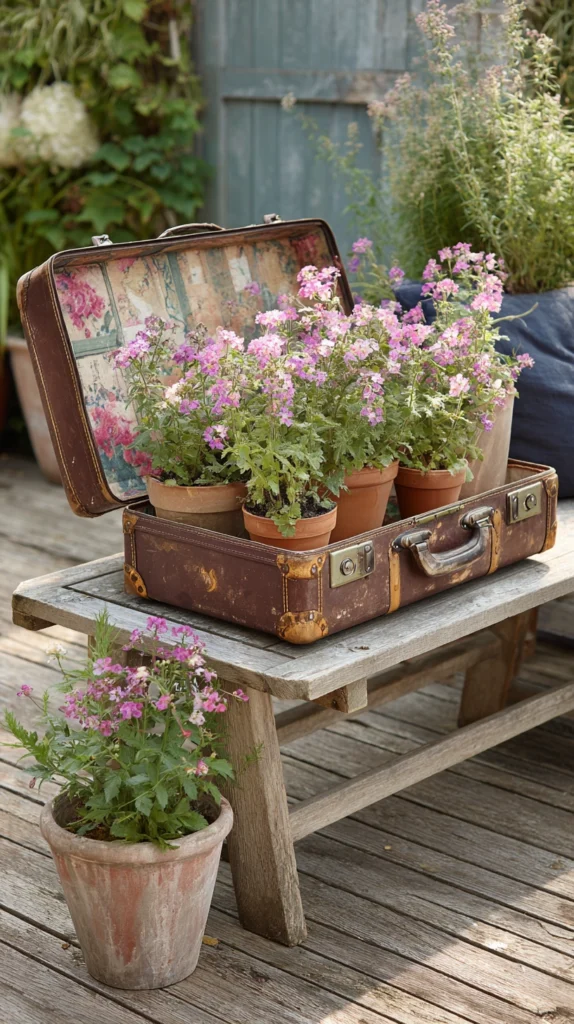
An old suitcase lined with heavy-duty plastic and filled with potting mix creates the garden planter of the most nostalgic and most immediately conversation-generating character. Choose a structurally sound example whose surface wear and patina create visual interest without compromising the structural integrity that the potting mix’s weight demands. Position it elevated on a bench or timber stand where its decorative details are visible at the appropriate viewing height.
12. The Wooden Crate Herb Garden

A wooden wine crate lined and filled with potting mix, planted with a collection of kitchen herbs in a considered arrangement, creates the balcony or small garden’s most complete productive planting feature.
Sand all interior surfaces before lining to prevent liner damage on rough timber. Position tall herbs at the center and low trailing herbs at the edges where they can cascade naturally over the crate’s timber sides.
13. The Galvanized Metal Bucket Planter
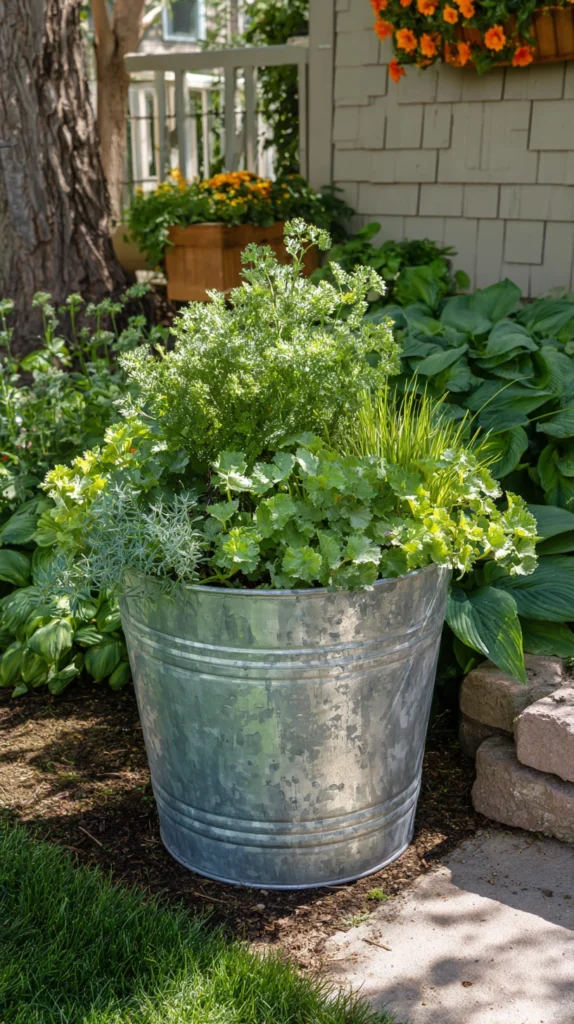
A galvanized metal bucket creates the garden planter of the most robust industrial character and most genuinely long-term weather resistance. Pierce drainage holes with a metal punch or drill at five centimeter intervals across the base.
Line the interior with bubble wrap or hessian before filling to insulate the root zone from the temperature fluctuations that metal conducts more efficiently than terracotta or timber in the full sun position.
14. The Painted Rock Pot Arrangement
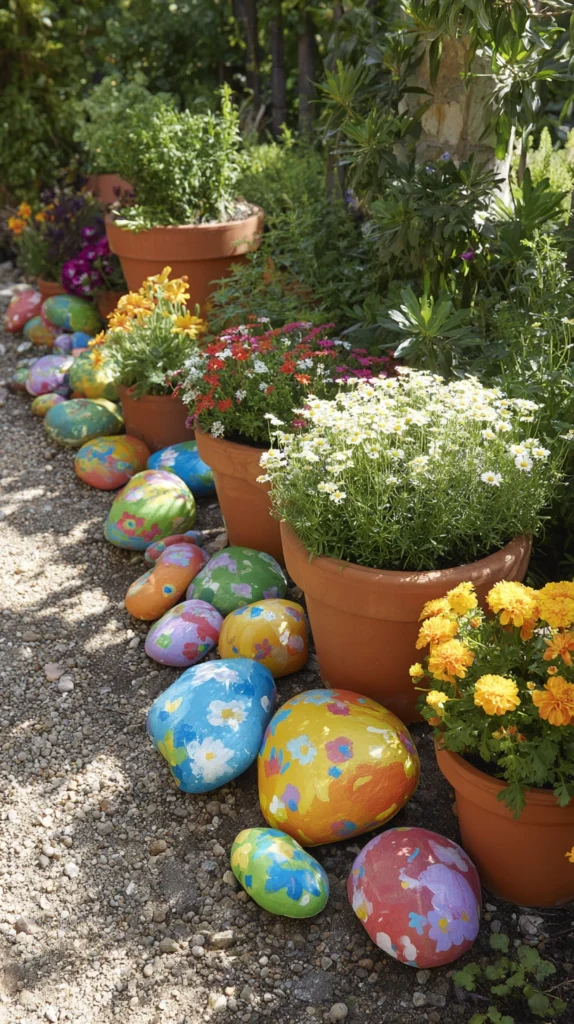
Large smooth rocks painted with simple cheerful designs in exterior-grade acrylic paint, arranged among the garden’s planted containers at ground level, create the most whimsical garden floor composition. Seal every finished painted surface with clear exterior varnish to protect the design from rainfall and UV degradation. The unsealed painted rock loses its design within a single outdoor season regardless of the initial paint quality applied.
15. Design Your Collection as a Coherent Whole
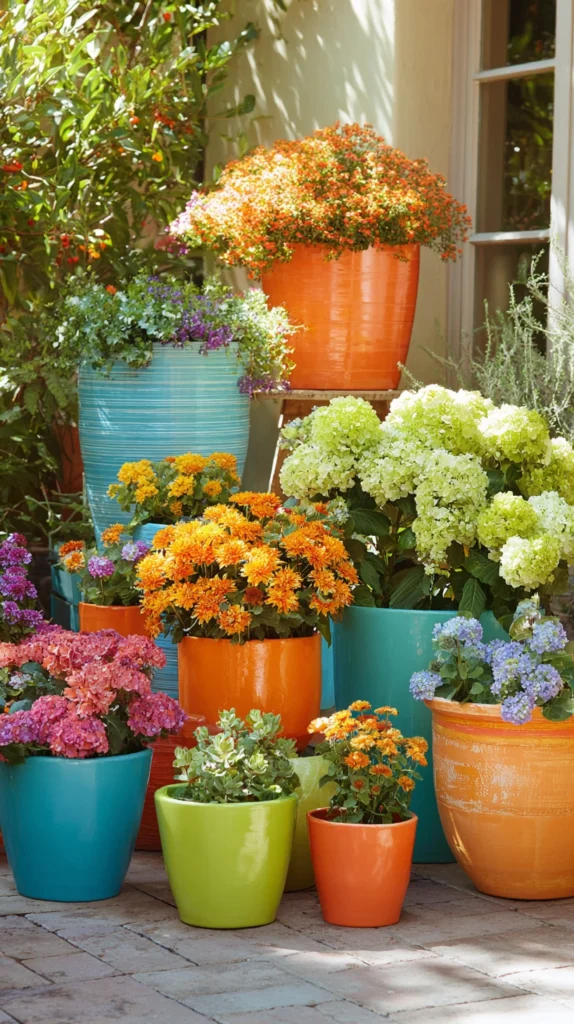
The most important DIY flower pot principle is the commitment to designing the collection as a unified whole rather than a random accumulation of individually charming but collectively incoherent containers. A consistent color palette applied across containers of varied sizes and materials creates the visual unity of a collection that reads as a single creative vision rather than the accumulated result of separate, unrelated creative decisions.
The individual creativity of each DIY pot is most powerfully expressed within the framework of the collection’s shared design language. The pot that is most individually inventive within a coherent collection is more impressive and more genuinely expressive than the same pot surrounded by containers of entirely different material and color whose combined incoherence undermines every individual element’s specific creative quality.
Design the collection with the intention and coherence you would bring to any room in the home, and the garden will reward that intention with the specific beauty of an outdoor space that is genuinely and completely your own.