15 Budget-Friendly Garden Herb Ideas: Grow Your Own Wellness Space
There’s something profoundly satisfying about stepping into your backyard or onto your balcony and plucking fresh herbs for dinner. Beyond the culinary convenience, growing your own herb garden creates a therapeutic wellness space that engages your senses, reduces stress, and connects you to the natural rhythms of growth and harvest.
The best part? You don’t need a large budget or expansive property to cultivate a thriving herb garden that nourishes both body and mind.
Whether you’re working with a sprawling backyard, a modest patio, or just a sunny windowsill, these fifteen budget-friendly herb ideas will help you establish a personal wellness sanctuary that saves money while enriching your daily life.
1. Basil: The Gateway Herb
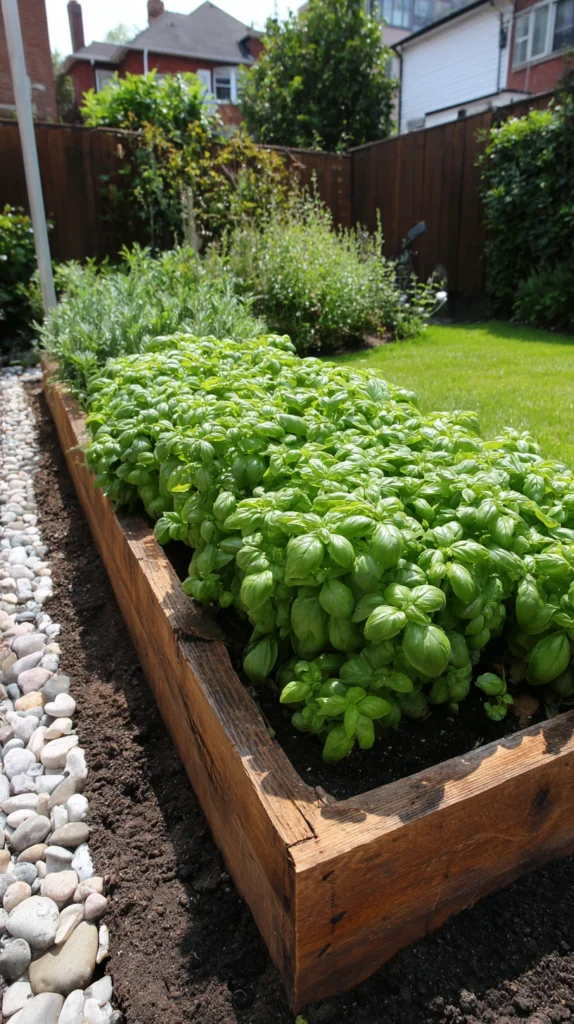
Basil is the perfect starting point for novice gardeners. This aromatic herb grows quickly from inexpensive seed packets, often germinating within five to ten days. A single plant can provide abundant harvests throughout the growing season when you pinch off the top leaves regularly, which actually encourages bushier growth.
Beyond its culinary versatility in pesto, caprese salads, and pasta dishes, basil offers aromatherapeutic benefits. The scent alone can reduce stress and improve mental clarity. Plant basil in well-draining soil with plenty of sunlight, and you’ll have a renewable source of fresh flavor that costs mere pennies compared to store-bought packages.
2. Mint: The Indestructible Spreader
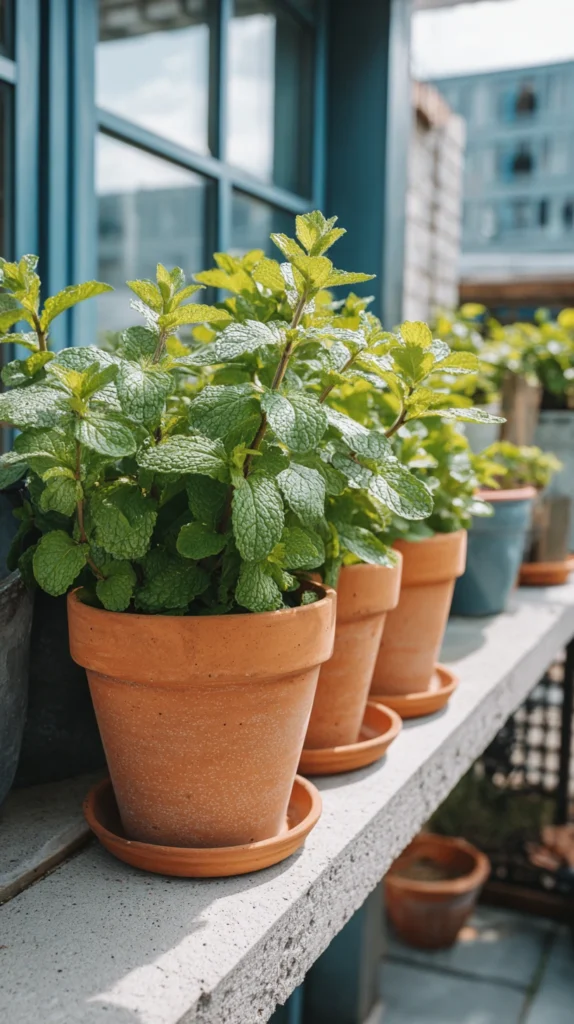
If you’ve ever heard that someone has a “black thumb,” challenge them to grow mint. This vigorous herb is nearly impossible to kill and spreads enthusiastically—sometimes too enthusiastically. A single mint plant from a nursery or a cutting from a friend’s garden will multiply rapidly, making it an incredibly economical choice.
Mint’s cooling properties make it ideal for teas, mojitos, and desserts, while its aroma can help alleviate headaches and improve focus. The key to managing mint is containment: grow it in pots rather than directly in garden beds, or it will colonize your entire space. This containment strategy actually works in your favor for budget gardening, as a single pot can provide an endless supply.
3. Rosemary: The Perennial Investment
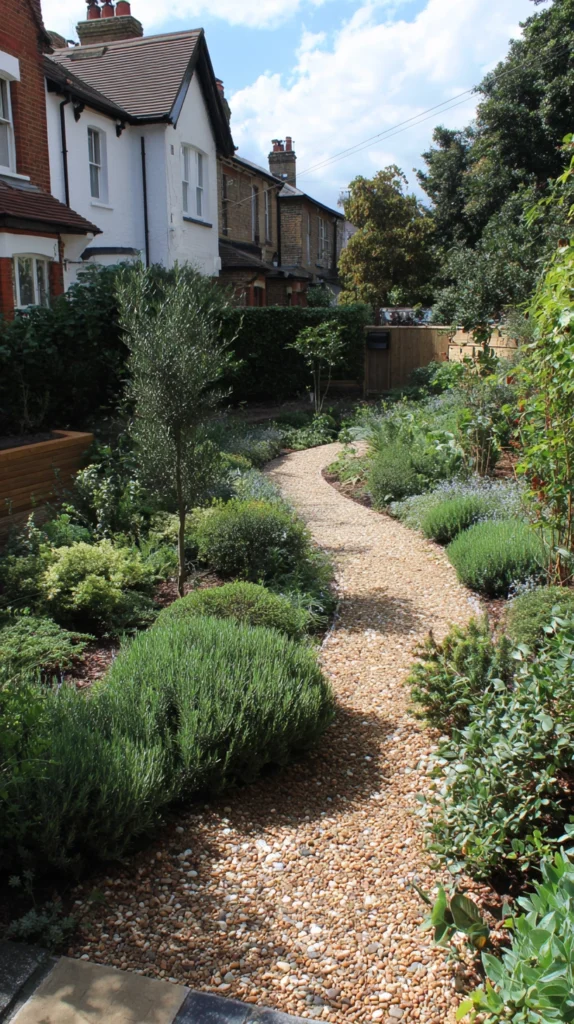
While rosemary takes longer to establish than annual herbs, it’s a perennial in warmer climates and acts as a woody shrub that can last for years. Purchase one small plant, and with proper care, you’ll have a living pharmacy and spice cabinet that requires virtually no maintenance once established.
Rosemary thrives on neglect in many ways—it prefers drier soil and full sun. The fragrant needles enhance roasted vegetables, breads, and meats, while the scent is known to improve memory and concentration. Clip sprigs as needed, and your initial investment of a few dollars will return dividends for years.
4. Parsley: The Nutrient Powerhouse
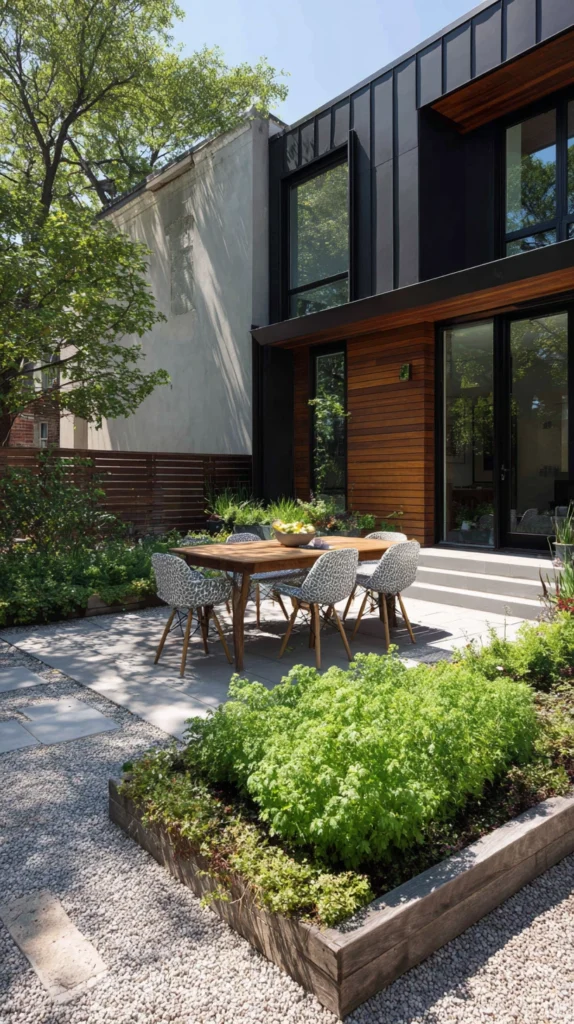
Often relegated to garnish status, parsley deserves recognition as a nutritional superstar packed with vitamins A, C, and K. Growing parsley from seed is economical, though it germinates slowly—soaking seeds overnight before planting speeds up the process.
Both flat-leaf and curly varieties offer distinct flavors, and parsley’s bright green presence in your garden space brings visual calm. This biennial herb provides abundant harvests in its first year, and the act of harvesting parsley—cutting outer stems while allowing the center to continue growing—becomes a meditative practice in mindful gardening.
5. Cilantro: The Cool-Season Specialist
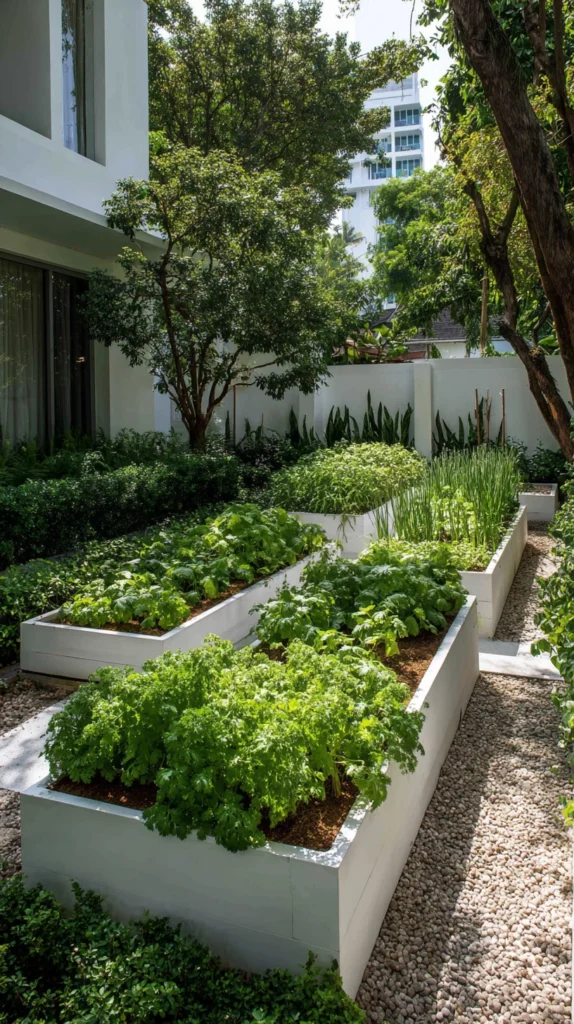
Cilantro presents an interesting challenge that teaches valuable gardening lessons. This herb bolts (goes to seed) quickly in hot weather, but those seeds become coriander—a completely different spice. By understanding cilantro’s lifecycle, you essentially get two herbs for the price of one seed packet.
Plant cilantro in succession every few weeks during cooler months for a continuous supply. The fresh leaves brighten salsas, curries, and salads, while collecting and drying the seeds provides homemade coriander. This cycle of growth, harvest, and seed collection connects you to food production in a deeply satisfying way.
6. Thyme: The Miniature Groundcover

Thyme is a delightful herb that asks for little and gives abundantly. These low-growing plants spread to form fragrant mats that can even serve as groundcover between stepping stones. A single plant costs just a few dollars and will expand to fill space, providing harvests for years in appropriate climates.
The tiny leaves pack concentrated flavor for soups, roasted meats, and vegetables. Thyme varieties include lemon, caraway, and oregano-scented options, each offering unique aromatic experiences. Brushing against thyme while walking through your garden releases its essential oils, creating spontaneous aromatherapy sessions.
7. Chives: The Self-Sufficient Perennial
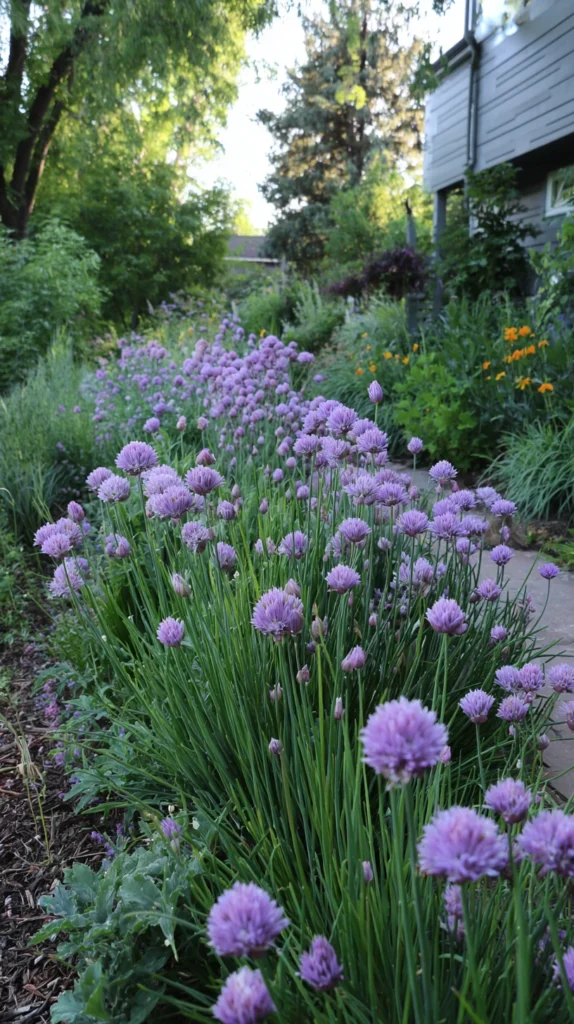
Chives are remarkably self-sufficient, returning year after year with virtually no effort. A single clump can be divided to create multiple plants, making them perfect for sharing with friends or expanding your own garden. The slender, onion-flavored leaves complement eggs, potatoes, and cream-based dishes.
In spring, chives produce beautiful purple pompom flowers that are not only edible but attract beneficial pollinators to your garden. Allowing some flowers to develop supports local bee populations while the rest can be harvested for unique garnishes. This dual-purpose nature makes chives an ecological and economical choice.
8. Oregano: The Mediterranean Staple
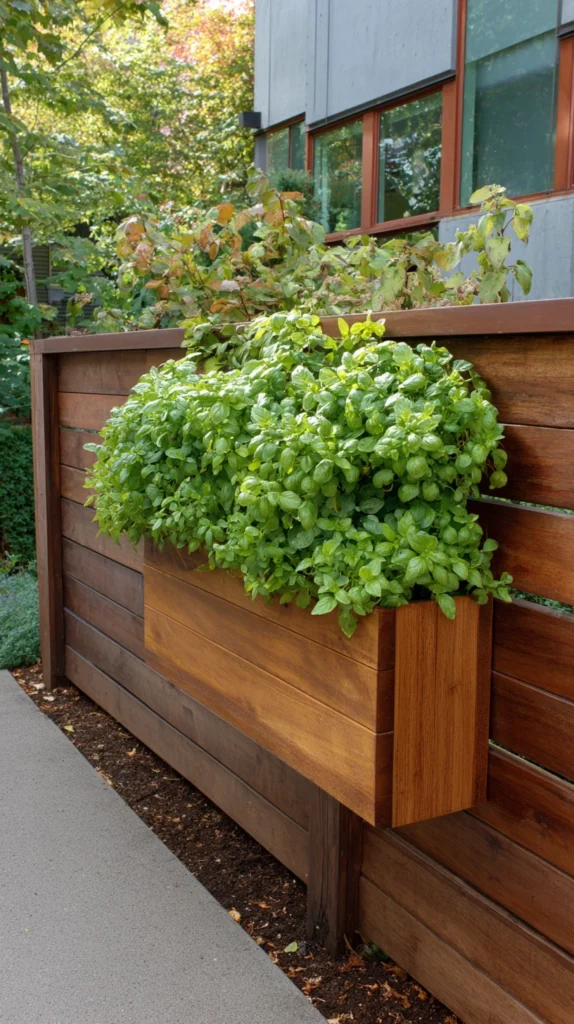
Oregano is a hardy perennial that spreads readily and tolerates various conditions. Starting with a single plant or propagating from cuttings gives you an endless supply of this pizza and pasta essential. The herb intensifies in flavor when dried, so summer harvests can be preserved for year-round use.
Growing oregano connects you to Mediterranean culinary traditions and provides opportunities for preservation practice. Hanging bundles to dry in your kitchen fills the space with herbaceous aromas while the act of stripping dried leaves from stems offers a mindful, screen-free activity that engages the hands and calms the mind.
9. Sage: The Textural Beauty
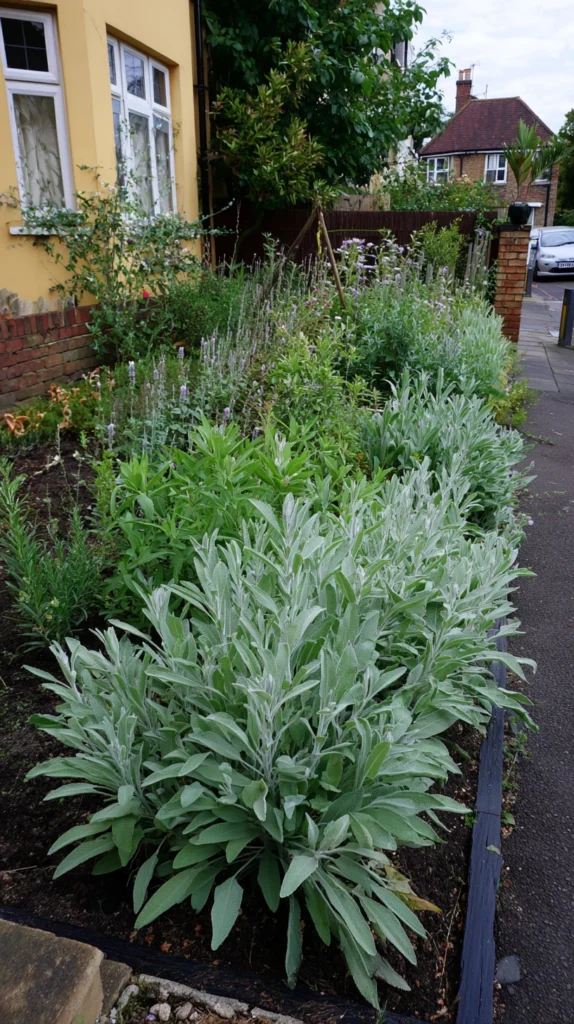
Sage’s velvety, silver-green leaves add textural interest to garden spaces while providing a versatile culinary herb. This perennial withstands cold temperatures and drought once established, making it ideal for neglect-tolerant wellness gardens. A single plant offers sufficient harvests for most households.
The herb’s association with wisdom and clarity makes harvesting sage feel ceremonial. Whether used in brown butter sauces, roasted with squash, or dried for tea, sage connects modern kitchens to ancient herbal traditions. Some gardeners also burn dried sage for cleansing rituals, though this practice should be approached with cultural sensitivity.
10. Lavender: The Relaxation Specialist
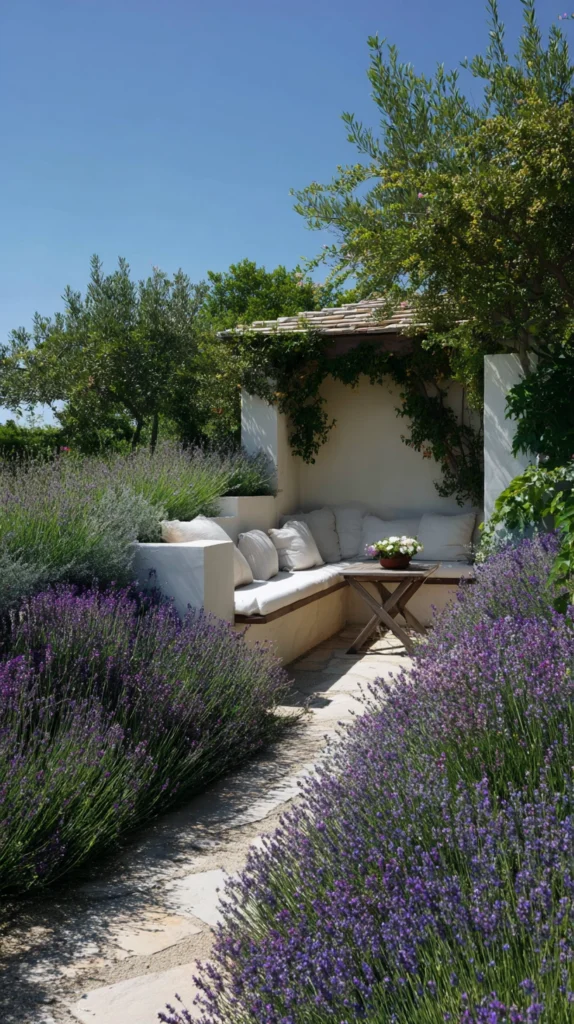
While lavender plants cost slightly more upfront, their longevity and multiple uses justify the investment. These Mediterranean natives thrive in poor soil and full sun, requiring minimal water once established. A single lavender plant provides years of fragrant blooms that can be harvested for sachets, teas, and baking.
The wellness benefits of lavender are well-documented: its scent reduces anxiety, improves sleep quality, and creates calming atmospheres. Simply sitting near blooming lavender while reading or meditating transforms ordinary moments into spa-like experiences. Pruning lavender after flowering maintains compact growth and provides abundant material for crafts and home fragrance projects.
11. Dill: The Self-Seeding Annual
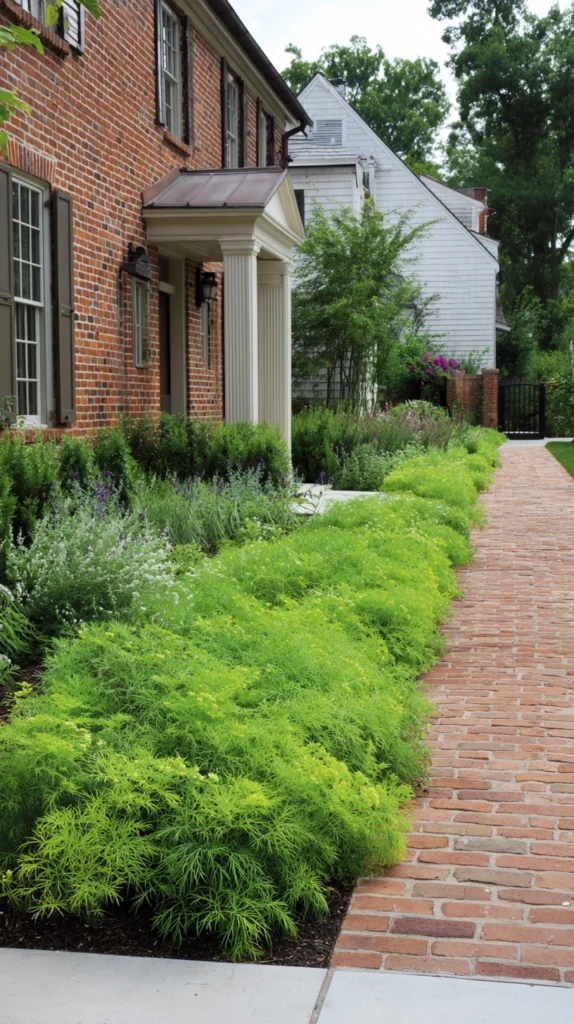
Dill demonstrates nature’s generosity through self-seeding behavior. Plant dill once, and it will likely return year after year from dropped seeds. The feathery foliage adds vertical interest to garden beds while attracting beneficial insects, particularly swallowtail butterfly caterpillars.
Fresh dill elevates fish dishes, potato salads, and pickles. The flowers can be harvested for homemade pickles, while seeds can be collected for next year’s crop or used as a spice. This cycle of growth and regeneration teaches valuable lessons about working with nature rather than against it, reducing both effort and expense.
12. Lemon Balm: The Mood Lifter
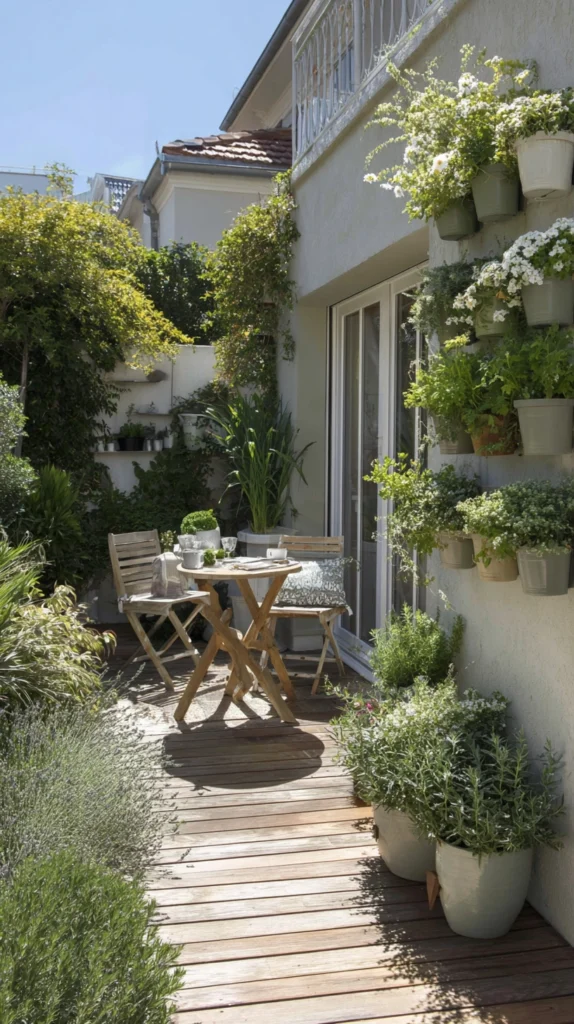
Lemon balm is another vigorous grower that borders on invasive but offers such delightful benefits that many gardeners gladly contain it. The citrus-scented leaves make refreshing teas known for calming properties and mood elevation. A single plant quickly multiplies, providing enough leaves to share generously.
Crushing lemon balm leaves between your fingers releases aromatic oils that immediately brighten moods. The herb’s association with reducing stress and improving sleep makes it a true wellness ally. Like mint, grow lemon balm in containers to prevent garden takeover while ensuring an abundant supply.
13. Chamomile: The Tea Garden Essential
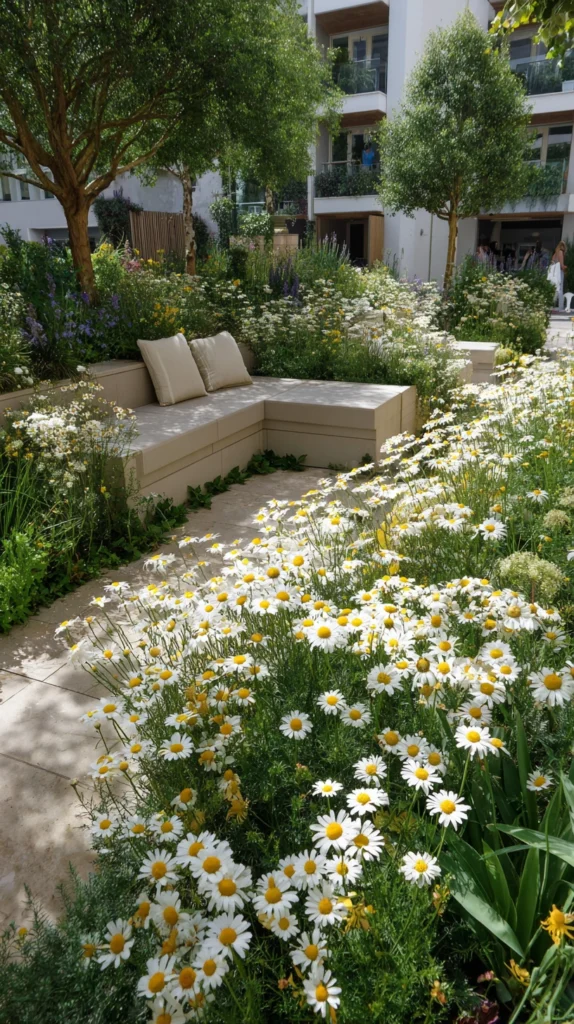
Growing your own chamomile for tea is surprisingly simple and economical. Both German and Roman varieties offer apple-scented flowers that dry beautifully. A small packet of seeds produces numerous plants that self-sow readily, creating a renewable tea source that costs pennies per cup compared to commercial tea bags.
The ritual of harvesting chamomile flowers on sunny mornings, spreading them to dry, and eventually steeping them for evening tea creates meaningful connections to daily rhythms. The dried flowers retain potency for months, and the mild flavor appeals even to those who typically avoid herbal teas.
14. Bay Laurel: The Patient Grower
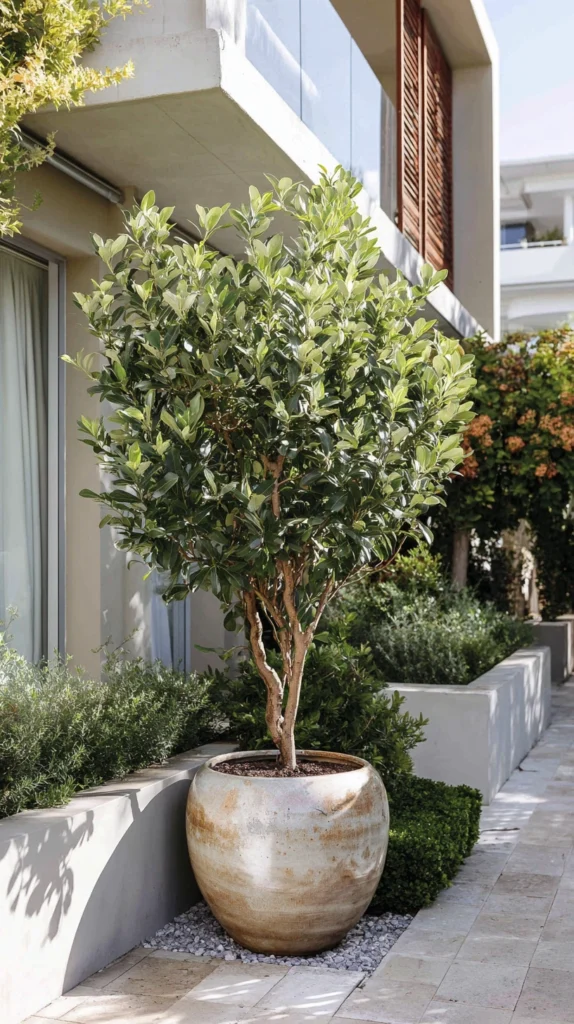
Bay laurel requires patience but rewards long-term thinking. While slow-growing, a bay plant in a container can be brought indoors during winter in cold climates, serving as a living houseplant that also provides culinary leaves. A single leaf significantly enhances soups, stews, and sauces.
The act of nurturing a bay tree over years creates a relationship with a plant that might outlive many of your gardening projects. Breaking a fresh bay leaf releases complex aromatics far superior to store-bought dried leaves, and the glossy foliage adds year-round visual interest to your wellness space.
15. Stevia: The Natural Sweetener
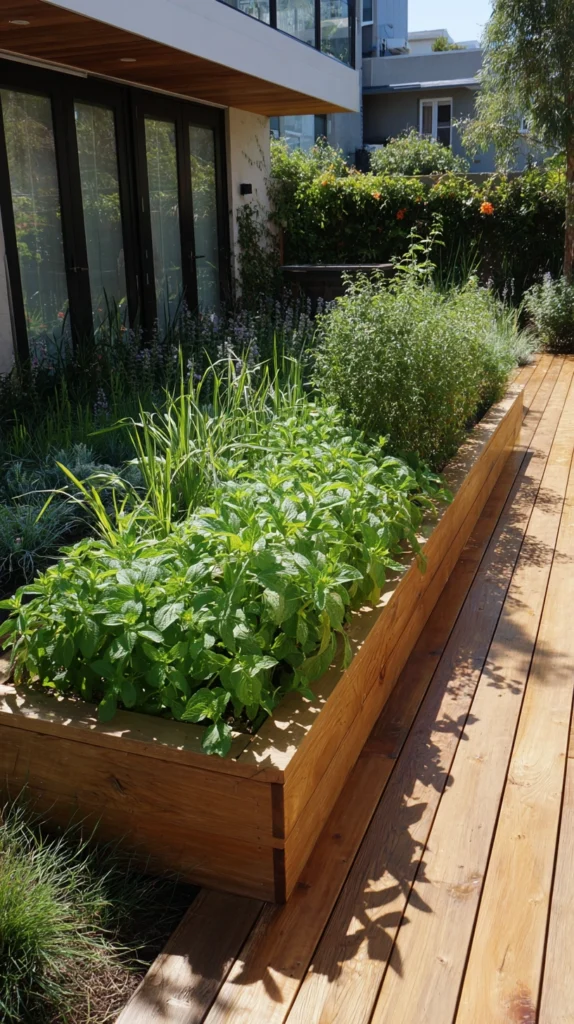
For those reducing sugar intake, growing stevia offers a budget-friendly alternative to expensive commercial products. This tender perennial grows easily in warm seasons, and its leaves provide natural sweetness without calories. A few plants supply sufficient sweetness for regular tea drinkers.
Harvesting and drying stevia leaves for tea sweeteners transforms beverage preparation into a more intentional practice. The plant’s sweetness feels almost magical—a reminder that nature provides diverse flavors beyond the standard sweet, salty, and savory options found in processed foods.
Creating Your Wellness Space
The true value of a budget-friendly herb garden extends far beyond financial savings. These living plants create a wellness space that engages multiple senses—the visual beauty of varied textures and colors, the aromatic complexity of essential oils released on warm days, the tactile pleasure of running hands through soft leaves, and ultimately, the taste of fresh herbs that make everyday meals special.
Starting small with just a few herbs allows you to learn each plant’s personality without becoming overwhelmed. As your confidence grows, expand gradually, trying new varieties that intrigue you. Many herbs propagate easily from cuttings, so connect with local gardening groups or neighbors to trade varieties and reduce costs further.
Your herb garden becomes a daily destination—a place to pause, observe growth, harvest dinner ingredients, and reconnect with the natural world. This is wellness in its most accessible form: affordable, homegrown, and available just steps from your door.