15 Blob Mirror Designs for Modern Interiors
Blob mirrors have emerged as defining elements of contemporary interior design, featuring organic irregular shapes that contrast beautifully with the straight lines and angles dominating modern architecture. These amorphous free-form mirrors draw inspiration from natural forms like water droplets, melted wax, amoebas, or abstract art, creating focal points that soften spaces while adding functional reflective surfaces.
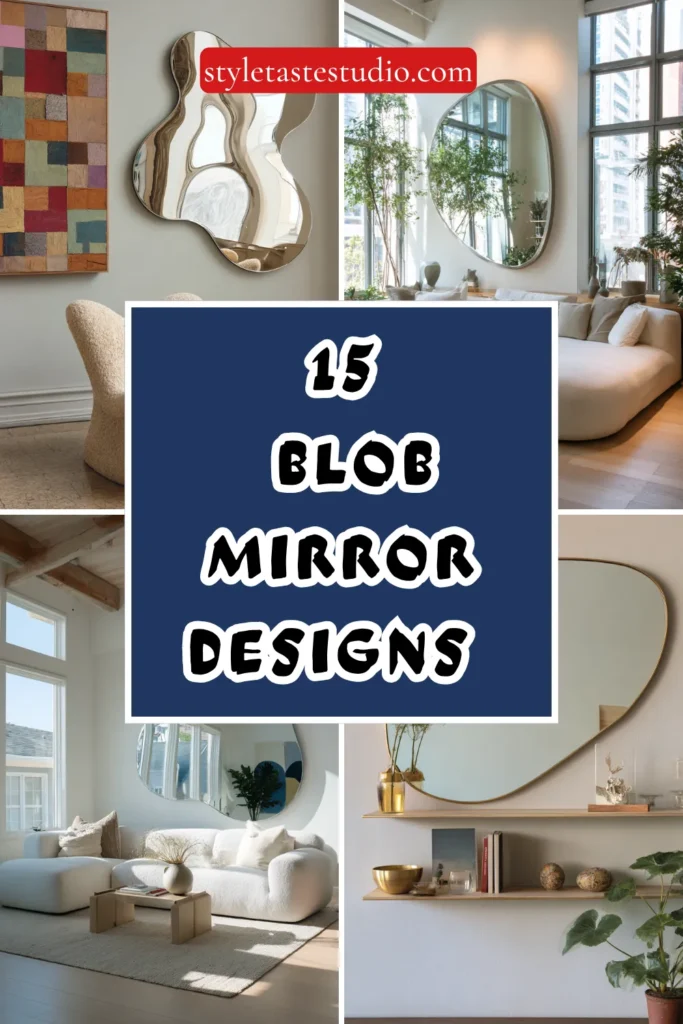
The popularity of blob mirrors stems from their versatility, working equally well as statement pieces above sofas, in galleries of varied shapes, or as standalone sculptural elements throughout homes. Their irregular edges catch and reflect light unpredictably, creating dynamic visual interest that changes throughout the day as natural light shifts.
These 15 blob mirror designs showcase the diversity within this trend, from subtle organic shapes to dramatic oversized installations, each offering unique approaches to incorporating these artistic mirrors into various interior styles.
1. Oversized Statement Blob
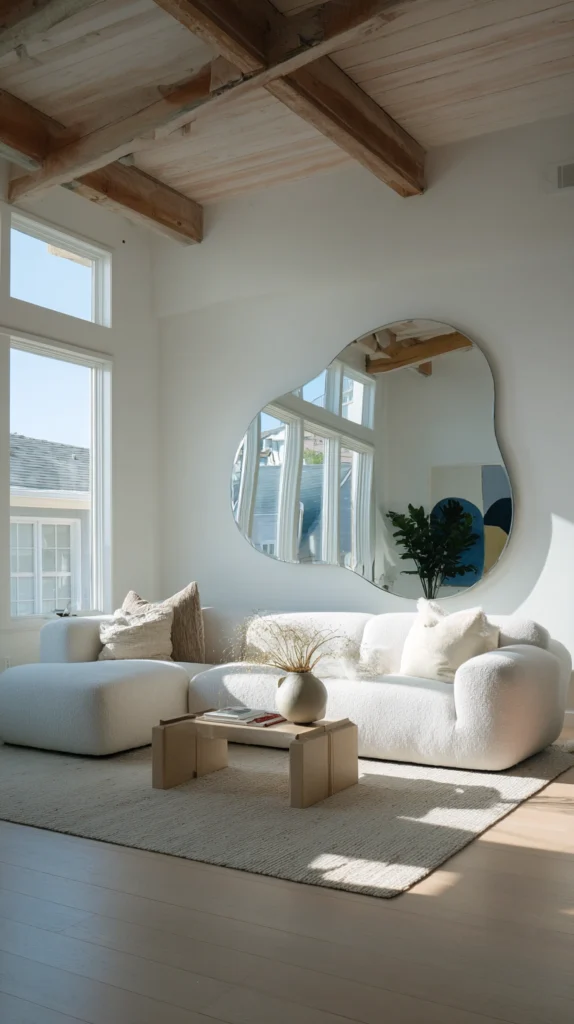
Create dramatic focal points using single large blob mirrors measuring 36-48 inches at their widest points, dominating walls with sculptural presence rivaling fine art. Position oversized blobs above sofas, beds, or console tables where their substantial size anchors furniture arrangements and creates clear visual hierarchy.
Choose mirrors with gently undulating edges rather than extremely irregular forms when working with traditional interiors, ensuring the organic shapes complement rather than clash with existing aesthetics. The large scale makes bold statements while the reflective surface bounces light throughout rooms, making spaces feel larger and brighter.
2. Clustered Multi-Blob Gallery
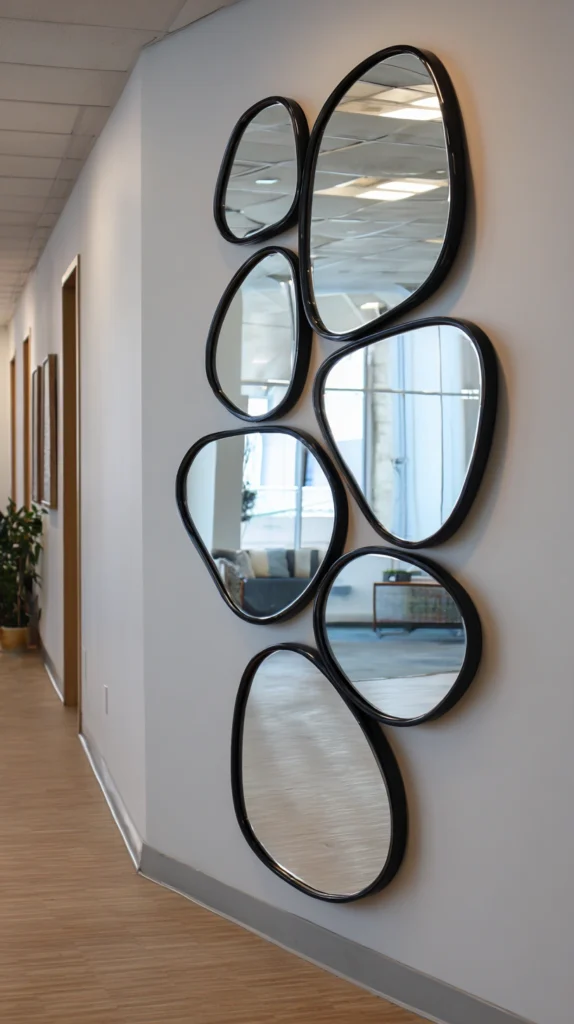
Arrange multiple blob mirrors in varying sizes creating gallery wall compositions that combine functional reflection with artistic installation throughout living spaces or hallways. Group 3-7 mirrors in coordinating but non-identical shapes maintaining visual cohesion while the varied sizes create dynamic rhythm and movement.
Position mirrors with varying spacing some closer together, others further apart creating organic arrangements rather than rigid geometric grids. Choose frames in single finishes like all brass, all black, or all natural wood maintaining unity despite the irregular shapes and asymmetrical arrangement.
3. Tinted Glass Color Blob
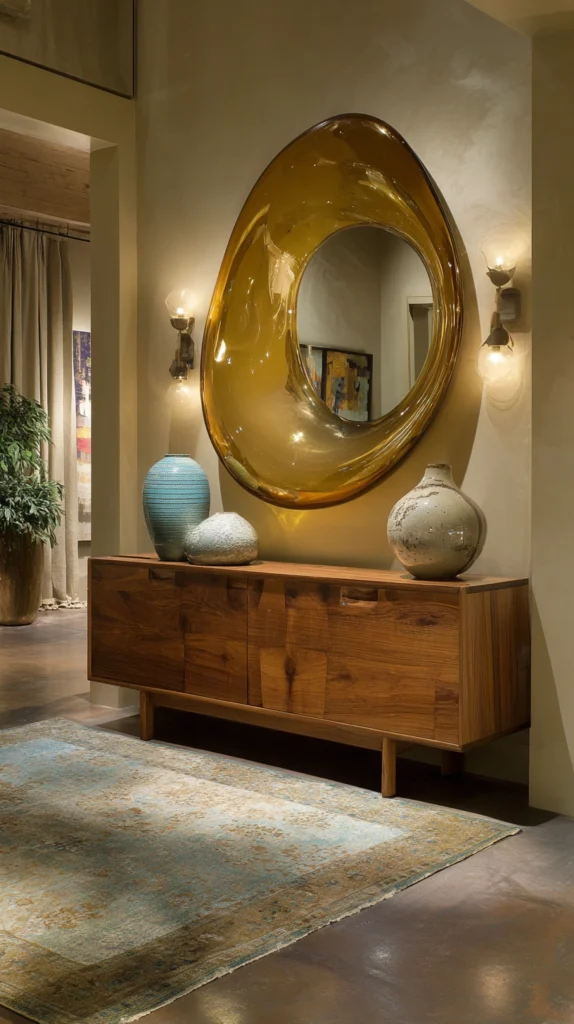
Move beyond standard clear mirrors using tinted glass in smoky gray, bronze, rose gold, or blue creating colored reflections that add warmth or coolness depending on tint selection. The colored glass creates depth and atmosphere while still providing reflective function, though images appear slightly muted compared to standard clear mirrors.
Choose tints complementing room color palettes using warm bronze or rose in spaces with warm tones, cool gray or blue where cooler palettes dominate. Position tinted blobs where they catch and reflect specific design elements you want to emphasize through the colored glass effect.
4. Thin Metal Frame Blob
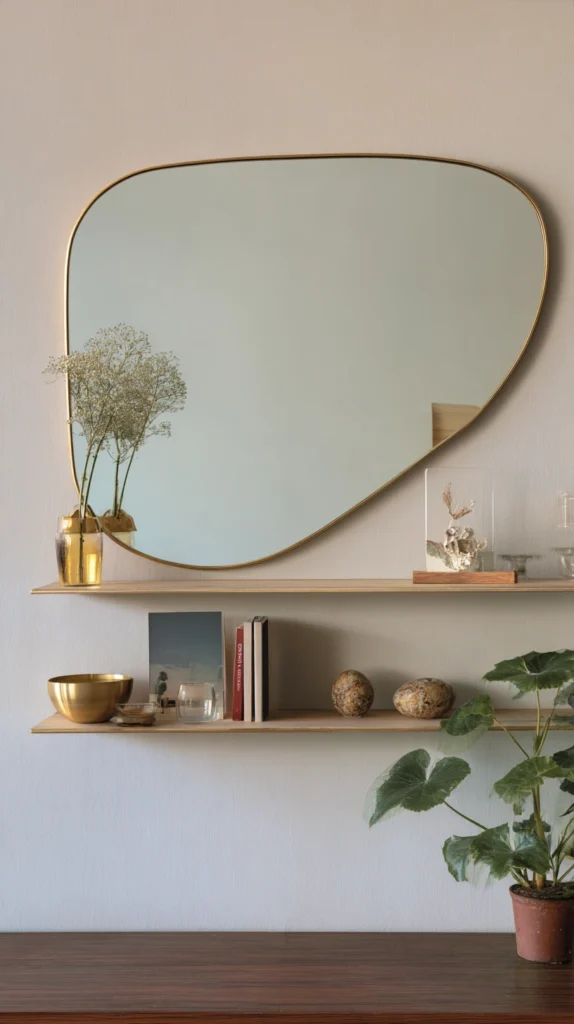
Select blob mirrors with minimal metal frames in brass, black steel, or brushed nickel outlining the organic shapes without overwhelming the mirrors’ sculptural forms. The thin frames define edges clearly while adding subtle metallic accents that coordinate with other room hardware and fixtures creating cohesive design.
Choose frame finishes matching door hardware, light fixtures, or furniture legs tying the mirror into the overall design scheme rather than introducing competing metal tones. The delicate frames work particularly well in minimalist interiors where heavy ornate frames would feel excessive.
5. Frameless Edge-Polished Design
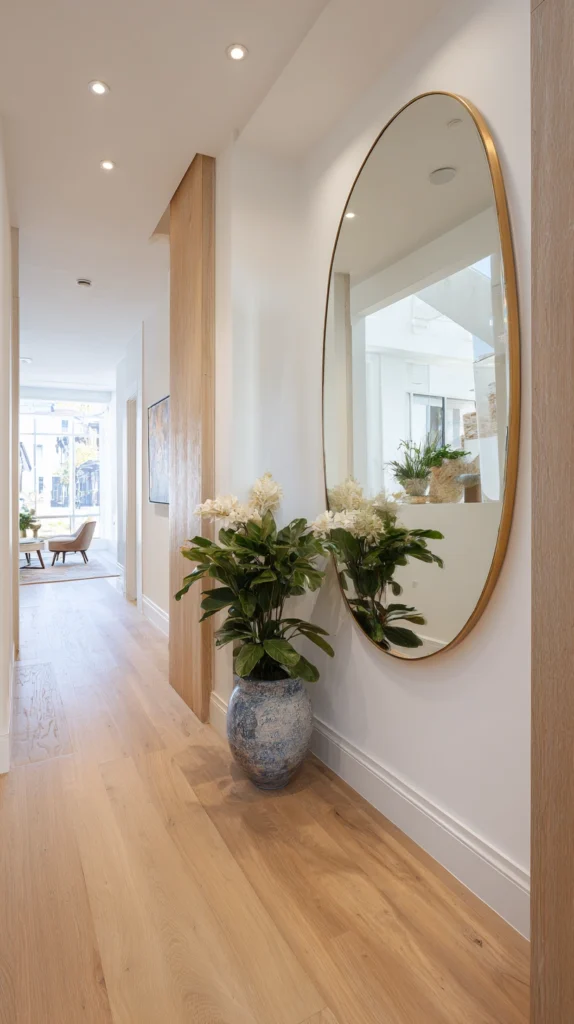
Embrace pure minimalism using frameless blob mirrors with polished beveled edges creating clean contemporary looks without any metal or wood framing. The beveled edges catch light creating subtle definition and visual interest despite the absence of framing materials adding weight or color.
Choose beveling widths based on mirror size with wider bevels on larger mirrors creating more prominent edge detail and narrower bevels on smaller mirrors maintaining delicate proportions. Position frameless blobs in modern spaces where ornamental frames would conflict with the minimalist aesthetic.
6. Asymmetrical Horizontal Blob
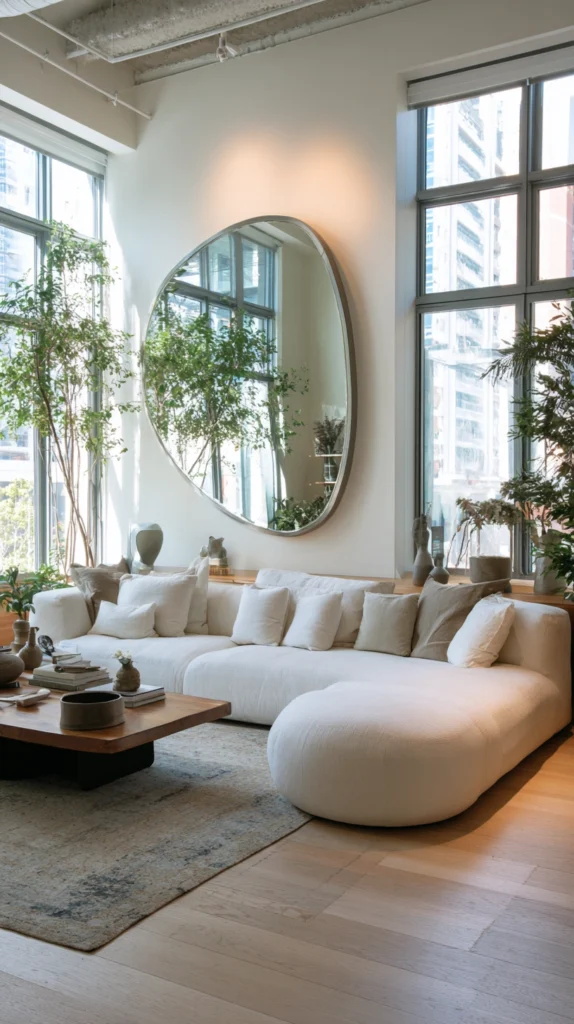
Use horizontally oriented blob shapes wider than tall creating unusual proportions that work particularly well above low furniture like sofas or beds. The horizontal orientation mimics the furniture’s proportions creating visual harmony while the irregular edges prevent the mirror from appearing too rectangular or traditional.
Choose blobs with gentle curves rather than extreme irregularity when working above furniture ensuring the shapes feel intentional rather than randomly warped. The wider format provides a more reflective surface than similarly sized round or vertical blobs, increasing functionality alongside aesthetic appeal.
7. Vertical Elongated Blob
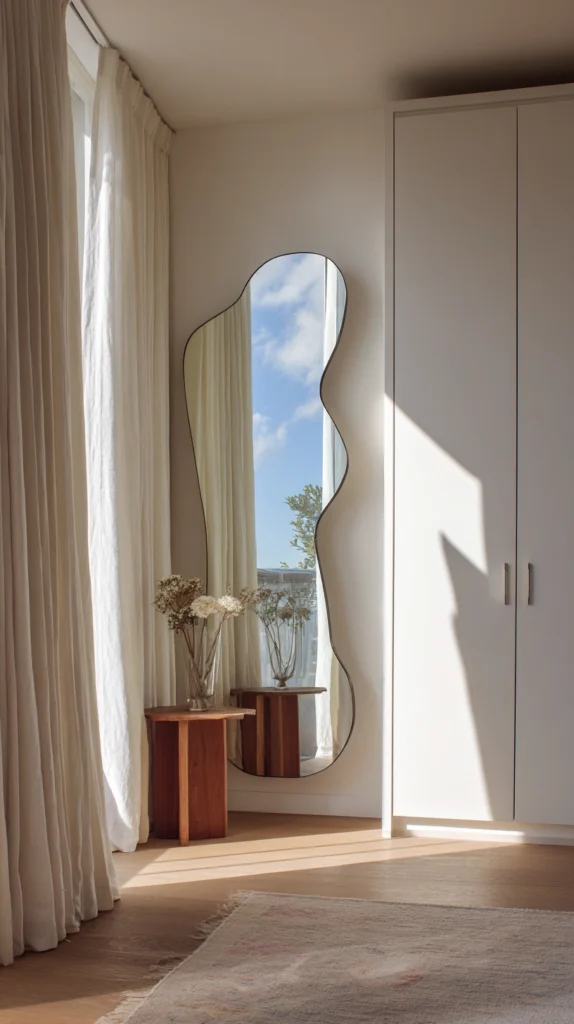
Install vertically oriented blob mirrors taller than wide creating narrow forms ideal for tight wall spaces like areas beside doors, between windows, or in narrow hallways. The vertical orientation draws eyes upward making ceilings appear higher while the narrow width fits spaces where wider mirrors wouldn’t work physically or proportionally.
Choose elongated blobs for full-length mirror function in bedrooms or dressing areas where the irregular edges add style to purely functional mirrors. Position near natural light sources where the unusual shape creates interesting reflections and shadow patterns throughout the day.
8. Antiqued Mirror Finish
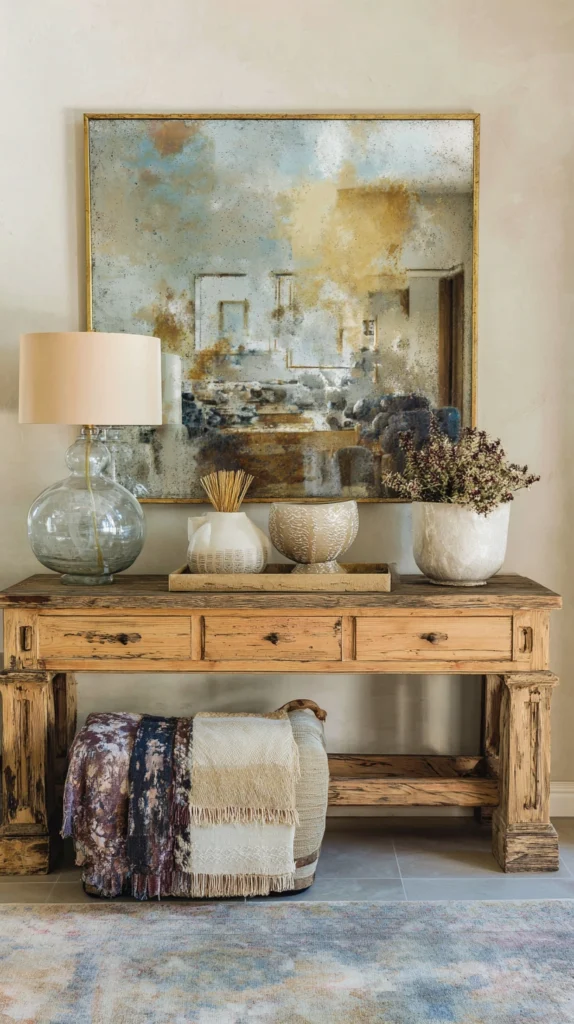
Incorporate vintage character using antiqued mirror glass with deliberately distressed finishes featuring dark spots, clouding, or patina effects creating aged appearances. The antiquing softens reflections creating romantic atmospheric effects while the blob shapes prevent the mirrors from appearing too traditional or formal.
Choose heavy antiquing for dramatic vintage impact or subtle distressing maintaining clear reflections while adding gentle character and depth. Position antiqued blobs in eclectic or vintage-inspired interiors where the aged appearance complements reclaimed wood, worn leather, and other materials showing age and patina.
9. Illuminated LED Blob
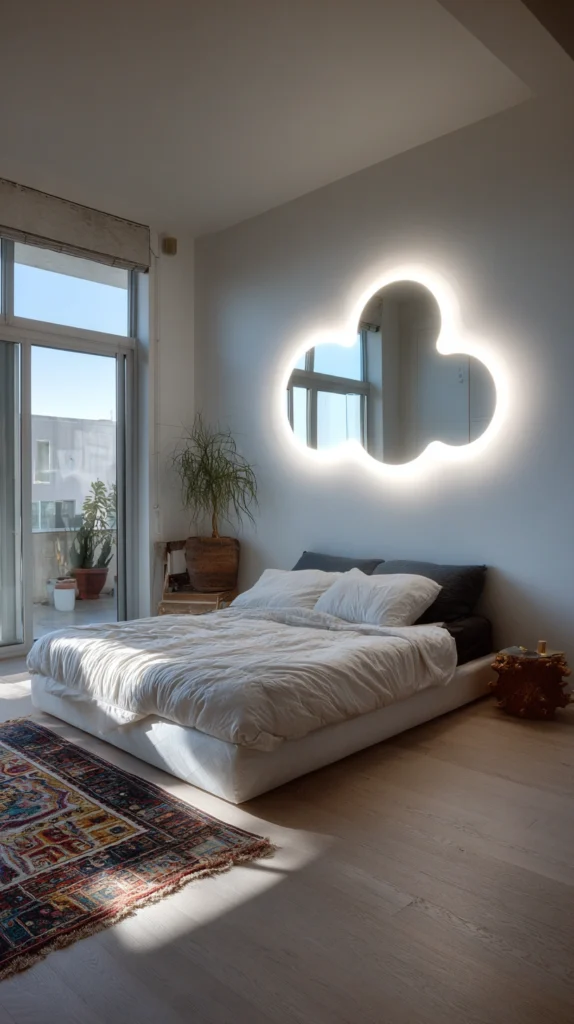
Add functionality through blob mirrors with integrated LED backlighting creating glowing halos around organic shapes while providing task lighting for grooming or ambient illumination. The backlighting emphasizes the irregular shapes creating dramatic effects especially beautiful during evening hours when the glowing edges become focal points.
Choose warm white LEDs for cozy inviting glow or cool white for bright functional task lighting depending on mirror placement and primary purpose. Install illuminated blobs in bathrooms, dressing areas, or bedrooms where the combined lighting and reflection serve practical purposes beyond pure decoration.
10. Mixed Material Frame
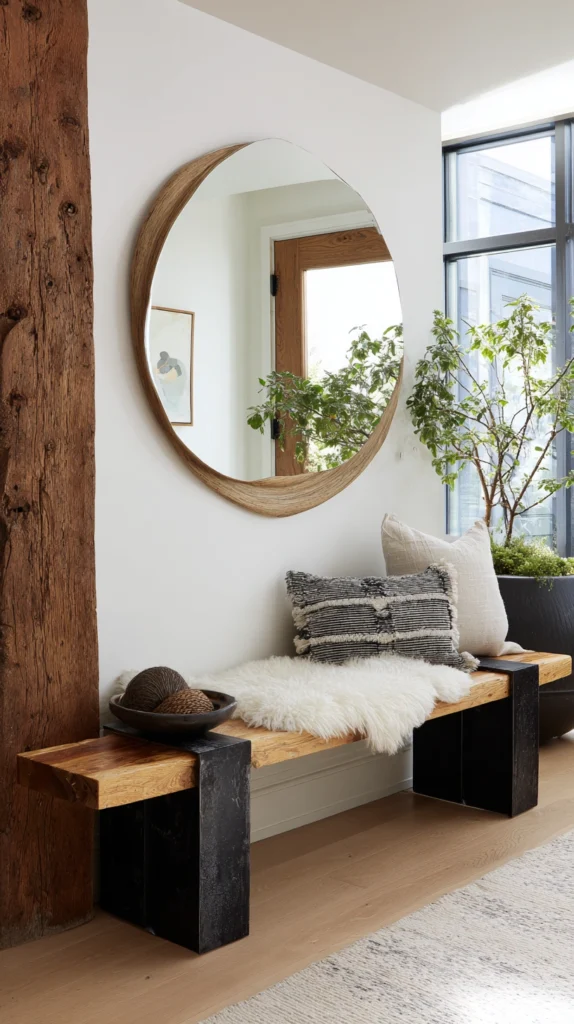
Select blob mirrors combining materials like wood and metal, leather and brass, or concrete and steel creating textural interest through frame construction. The mixed materials add complexity and craftsmanship elevating simple blob shapes into artistic statements worthy of gallery placement.
Choose material combinations echoing other room elements like wood species matching furniture or metals coordinating with light fixtures creating intentional design connections. Position mixed-material blobs as statement pieces where their detailed frames receive proper attention rather than being used as background elements.
11. Miniature Blob Collection
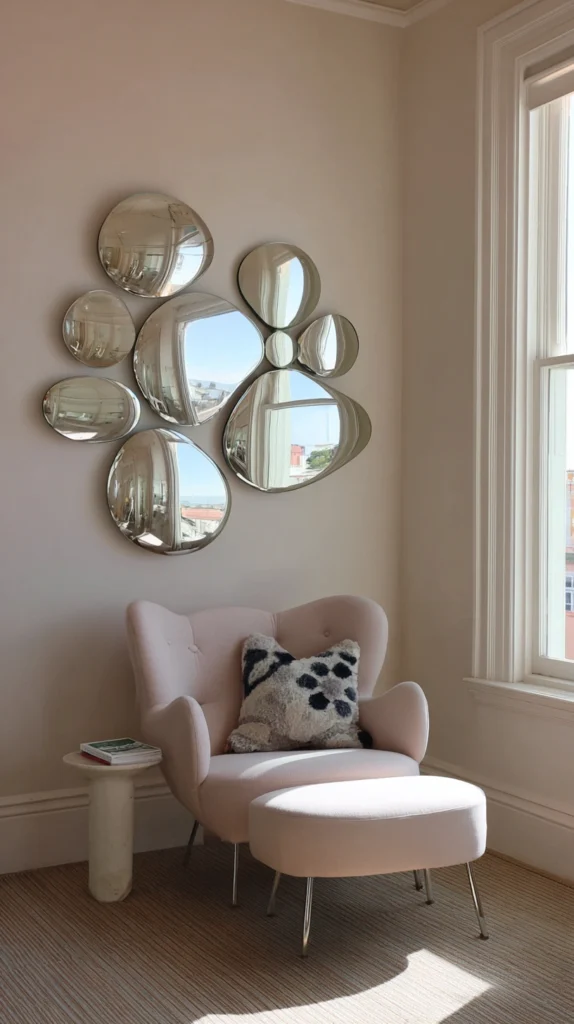
Create charm through collections of small blob mirrors measuring 8-12 inches arranged in tight groupings or scattered individually throughout rooms as decorative accents. The small scale makes blobs accessible and playful allowing experimentation without major commitment or investment in large statement pieces.
Arrange mini blobs on shelving among books and objects, hang in tight clusters creating mirror mosaics, or position individually throughout rooms like decorative jewels. Choose matching frames creating cohesive collections or mix finishes for eclectic collected-over-time aesthetics.
12. Sculptural Thick Edge
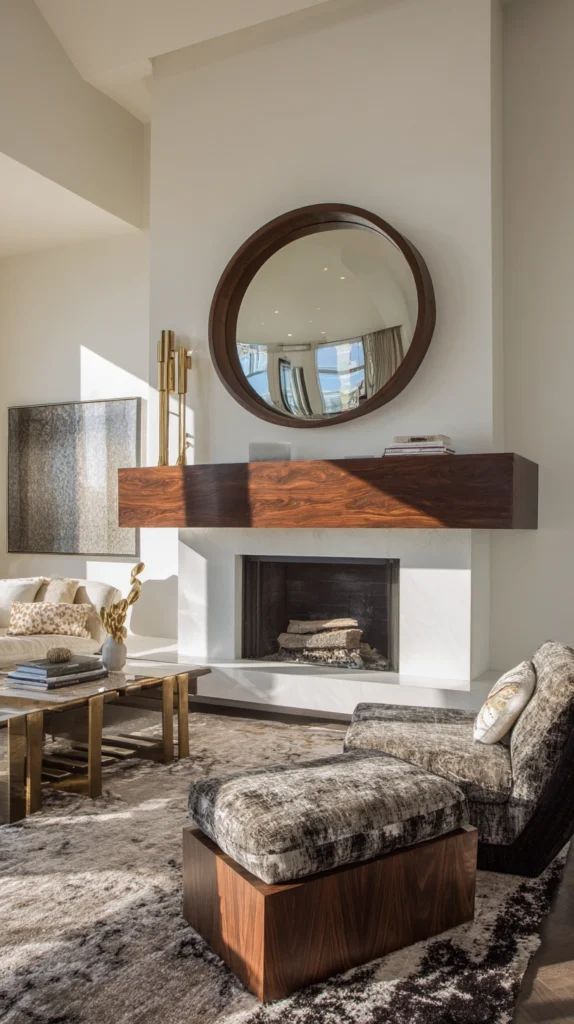
Incorporate blob mirrors with substantial thick edges creating three-dimensional sculptural quality and significant visual weight commanding attention as artistic installations. The thick edges typically 2-4 inches deep create shadow lines and dimensional interest that flat mirrors cannot achieve, particularly dramatic when positioned where light grazes surfaces.
Choose edges in materials like solid wood, thick metal, or layered construction creating tangible heft and craftsmanship. Position sculptural thick-edge blobs where their dimensional quality can be appreciated including areas where side views reveal the impressive edge depth and construction.
13. Two-Tone Frame Design
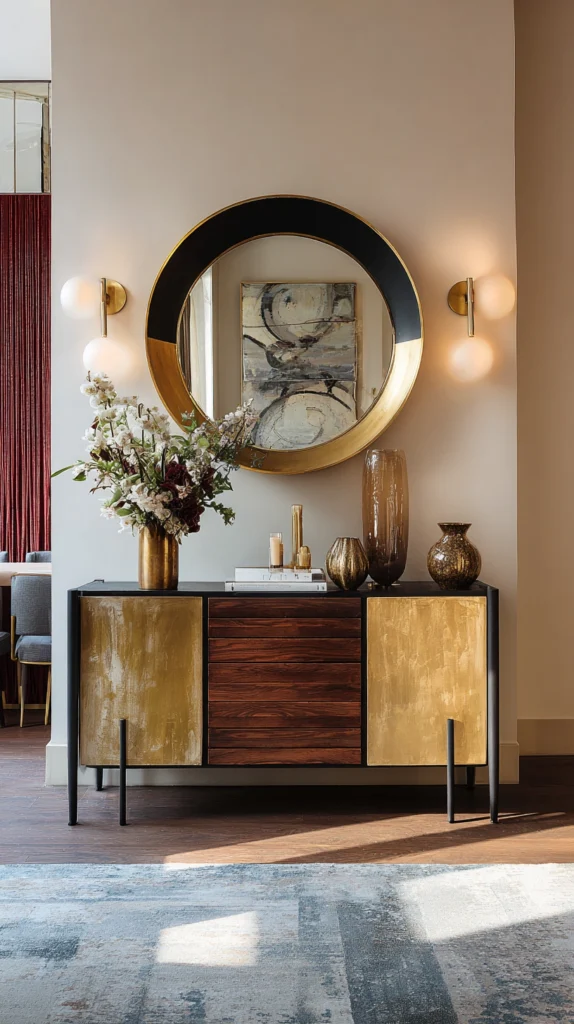
Use blob mirrors with frames featuring two coordinating colors or finishes like black and brass, white and wood, or navy and gold creating visual complexity within single pieces. The two-tone approach adds interest to the irregular shapes preventing them from appearing too simple while the color combinations coordinate with diverse room palettes.
Choose combinations where one color dominates occupying roughly two-thirds of the frame while the accent color comprises the remaining third creating balanced not competing proportions. Position two-tone blobs where both colors relate to existing room elements tying the mirror into the overall design scheme.
14. Abstract Art-Inspired Shape
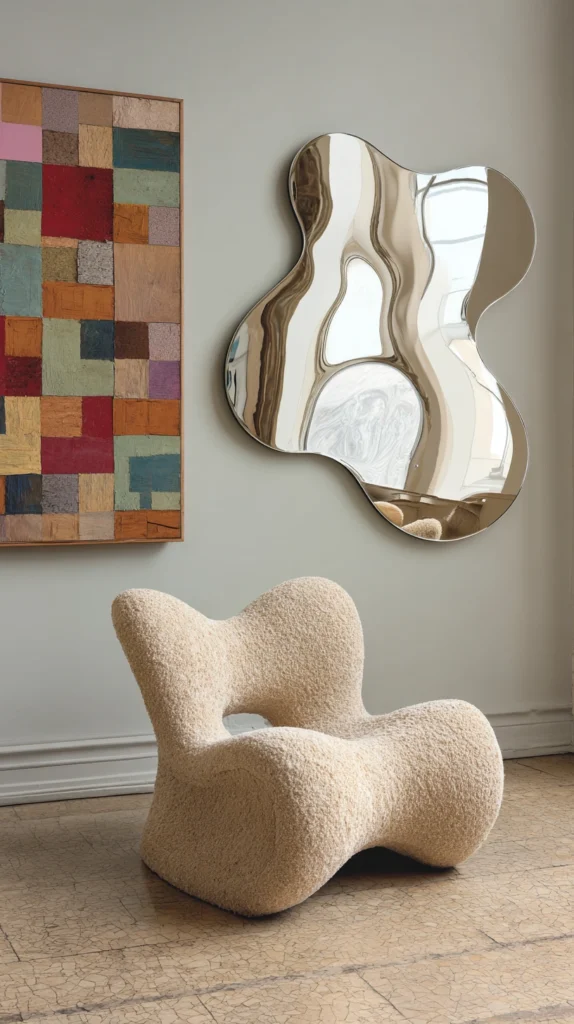
Select extremely irregular blob shapes inspired by specific abstract artists or art movements creating mirrors that function as both reflective surfaces and artistic statements. The highly irregular shapes make bold declarations suitable for contemporary art-filled interiors or spaces embracing maximalist eclectic aesthetics.
Choose art-inspired blobs for rooms where unexpected elements are celebrated rather than spaces requiring predictable traditional design solutions. Position these dramatic shapes where they can be appreciated as art installations first and functional mirrors second, perhaps in entryways, powder rooms, or gallery walls.
15. Natural Wood Frame Blob
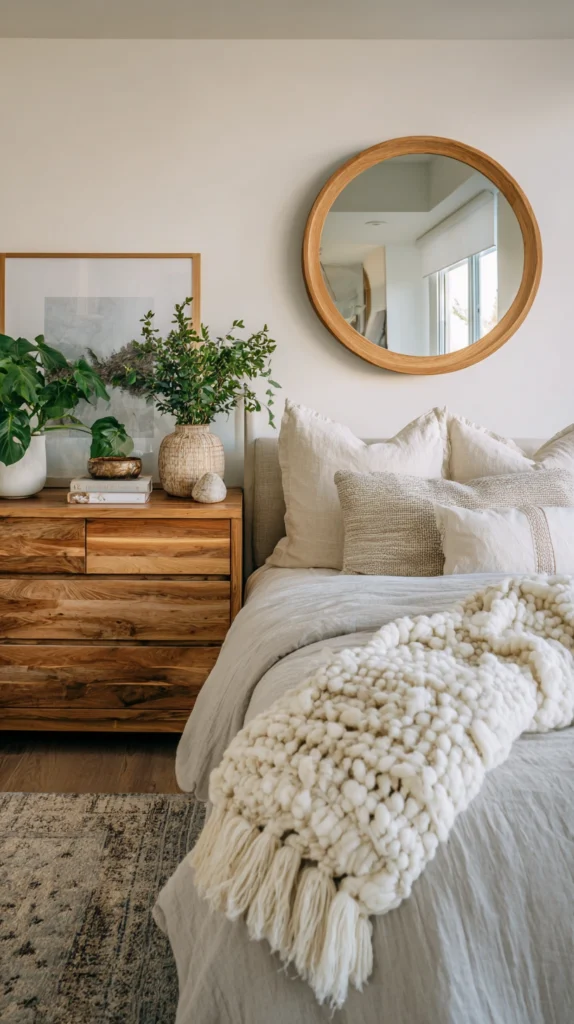
Warm spaces using blob mirrors with natural wood frames in species like walnut, oak, or ash create organic irregular shapes enhanced by organic material framing. The wood frames add warmth and texture while the natural material complements the organic blob shapes creating cohesive natural aesthetics. Choose wood species and finishes coordinating with existing furniture ensuring mirrors integrate seamlessly rather than introducing competing wood tones. Position wood-framed blobs in transitional spaces bridging modern blob shapes with traditional wood furniture creating harmonious combinations.
Incorporating Blob Mirrors Successfully
Successfully integrating blob mirrors requires considering room scale ensuring mirror sizes remain proportional to wall spaces and surrounding furniture avoiding overwhelming small rooms or appearing lost on expansive walls.
Hang mirrors at appropriate heights with centers typically 57-60 inches from floors aligning with average eye level ensuring comfortable viewing and proper proportion. Secure mirrors properly using appropriate hanging hardware rated for mirror weight preventing accidents while ensuring mirrors hang flat against walls despite irregular shapes.
Position blobs where they enhance natural light bouncing illumination into darker corners or reflecting beautiful views bringing outdoor scenery into interior spaces. Clean irregular shapes carefully using appropriate glass cleaners and soft cloths navigating the unusual edges and frames without damaging finishes.
Most importantly, embrace the organic irregular nature of blob mirrors allowing their unconventional shapes to soften and balance the angular geometric elements dominating contemporary interiors.